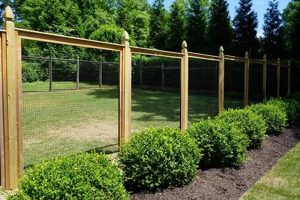
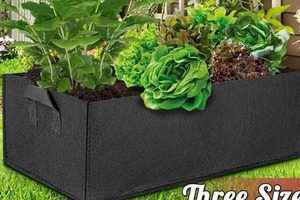
A horticultural motif focuses on the deliberate and aesthetic incorporation of elements commonly found in cultivated outdoor spaces. This encompasses various aspects, from the selection of specific plants and hardscape materials to the overall layout and style reminiscent of landscaped environments. For instance, a wedding adopting this motif might feature floral centerpieces, outdoor venues, and natural color palettes.
Such a design approach provides numerous advantages, including a connection to nature, promotion of tranquility, and enhancement of visual appeal. Historically, the creation of structured outdoor areas has been a symbol of status and sophistication, evolving through different cultural interpretations and design philosophies. The current popularity of such motifs reflects a broader appreciation for biophilic design principles and sustainable living.
The subsequent sections will explore specific aspects of implementing a horticultural aesthetic, including plant selection considerations, layout and design strategies, and maintenance best practices for achieving a visually cohesive and sustainable outcome.
Enhancing Projects with Horticultural Aesthetics
The following tips provide guidance for effectively incorporating a horticultural aesthetic into diverse projects, ranging from residential landscaping to event design.
Tip 1: Site Analysis is Crucial: Conduct a thorough assessment of the site’s existing conditions, including soil type, sunlight exposure, and drainage patterns. This informs plant selection and ensures long-term viability of the design.
Tip 2: Plant Selection based on Functionality: Prioritize plants based on their ecological contributions. Consider native species to promote biodiversity and reduce the need for excessive watering or fertilization.
Tip 3: Establish a Consistent Color Palette: Determine a cohesive color scheme that complements the surrounding architecture or existing landscape. Limit the number of dominant colors to maintain visual harmony.
Tip 4: Incorporate Structural Elements: Integrate hardscape features such as pathways, walls, or water features to define spaces and add visual interest. Ensure materials are durable and appropriate for the climate.
Tip 5: Layering for Visual Depth: Arrange plants in layers, considering height, texture, and bloom time. This creates depth and dimension, mimicking natural plant communities.
Tip 6: Prioritize Sustainable Practices: Implement water-efficient irrigation systems, such as drip irrigation or soaker hoses. Minimize the use of synthetic pesticides and fertilizers, opting for organic alternatives.
Tip 7: Regular Maintenance is Essential: Establish a routine maintenance schedule that includes pruning, weeding, and fertilizing. Regular upkeep preserves the intended aesthetic and promotes plant health.
Adhering to these guidelines will contribute to the creation of aesthetically pleasing and ecologically sound environments that embody the principles of sound horticultural design.
The concluding section will synthesize these points and offer a perspective on the future trends influencing horticultural aesthetics.
1. Plant Diversity

Plant diversity forms a cornerstone of any successful horticultural motif, contributing significantly to the overall aesthetic appeal, ecological stability, and functional value of the designed space. The selection and arrangement of varied plant species directly influences the visual impact and sustainability of the environment, reflecting a conscious design choice.
- Aesthetic Enrichment
The inclusion of diverse plant life creates a visually stimulating environment, offering a range of textures, colors, and forms. This variety enhances the beauty and complexity of the overall design, moving beyond monotonous arrangements to achieve dynamic and captivating compositions. For example, contrasting the fine foliage of ferns with the bold leaves of hostas provides visual interest through texture.
- Ecological Resilience
A wide range of plant species fosters greater resilience to environmental stressors such as pests, diseases, and climate fluctuations. A diverse ecosystem can better withstand disturbances, maintaining its health and functionality over time. Implementing companion planting, pairing mutually beneficial species together, is an example of increasing ecological resilience within a space.
- Habitat Provision
Introducing diverse flora provides essential habitat and food sources for various fauna, promoting biodiversity and creating a balanced ecosystem. This supports pollinators, beneficial insects, and other wildlife, contributing to the overall health and vitality of the environment. A garden rich in native plants attracts local wildlife, enhancing the ecological value of the space.
- Functional Performance
Different plant species offer unique functional benefits, such as shade provision, erosion control, and air purification. Strategically incorporating plants to serve these functions maximizes the practicality and sustainability of the designed space. Using trees for shade and groundcover to prevent soil erosion demonstrates the functional aspect of plant variety.
The effective integration of diverse plant life elevates a horticultural motif beyond mere aesthetics, transforming it into a dynamic, resilient, and ecologically valuable environment. The careful selection and arrangement of plant species directly impacts the visual impact, ecological stability, and functional value, thus solidifying plant diversity as a critical component in achieving a successful “garden theme”.
2. Spatial Layout

Spatial layout, within the context of a horticultural motif, dictates the organization and arrangement of elements within the designated area, profoundly influencing both functionality and visual perception. The arrangement of plants, pathways, structures, and other features establishes the flow, defines zones, and generates an overall atmosphere. An effectively planned layout ensures accessibility, optimizes resource utilization, and enhances the aesthetic qualities of the cultivated space. For instance, a symmetrical layout often conveys formality and order, while an asymmetrical arrangement may evoke a sense of naturalness and spontaneity. The careful consideration of scale, proportion, and perspective is crucial in creating a harmonious and visually pleasing environment.
The practical applications of understanding spatial layout principles extend to various design scenarios. In residential settings, a well-designed layout can maximize usable space, create privacy, and integrate outdoor living areas seamlessly with the interior. Public gardens benefit from layouts that facilitate visitor circulation, provide diverse viewing experie
nces, and showcase plant collections effectively. Moreover, understanding these principles enables designers to adapt and optimize existing spaces, transforming underutilized areas into functional and aesthetically appealing environments. Consider the contrasting approaches of a formal French garden, characterized by geometric precision and defined axes, versus an informal English garden, which emphasizes naturalistic planting and meandering pathways. Each reflects a distinct application of spatial layout to achieve a specific visual and functional outcome.
In summary, spatial layout serves as a fundamental component of any successful horticultural implementation, determining the functionality, aesthetics, and overall experience of the designed environment. While challenges may arise in adapting layouts to specific site constraints or accommodating diverse user needs, a thorough understanding of spatial principles remains essential for creating visually cohesive and functionally effective designs. The skillful manipulation of space transforms a collection of elements into a cohesive and inviting whole, reinforcing the core intent of the horticultural design.
3. Color Harmony

The strategic application of color harmony within a horticultural motif significantly influences visual appeal and emotional impact. Color relationships, when carefully considered, can evoke specific moods, define spatial relationships, and enhance the overall aesthetic coherence of the design. A monochromatic color scheme, employing variations of a single hue, projects a sense of serenity and unity. In contrast, a complementary color scheme, using colors opposite each other on the color wheel, generates vibrancy and visual contrast. The choice of color palette should align with the intended purpose and character of the outdoor space.
Effective utilization of color harmony extends beyond the selection of flowering plants. Foliage color, hardscape materials, and even structural elements contribute to the overall color composition. Gray foliage, for instance, can serve as a neutral backdrop, allowing brighter colors to stand out. Brick pathways introduce warm tones that complement green foliage. The integration of these elements requires a holistic approach, considering the interplay of colors throughout the entire landscape. An example of successful color harmony is the use of purple salvia alongside yellow coreopsis, a complementary color pairing that creates visual energy while remaining balanced. Similarly, a garden featuring varying shades of green, from the light green of new growth to the deep green of mature foliage, demonstrates a monochromatic scheme that exudes tranquility.
Ultimately, the successful implementation of color harmony involves a thorough understanding of color theory and an appreciation for the subtle nuances of natural light. Challenges may arise in maintaining color balance throughout the seasons, as different plants bloom at different times. However, careful planning and plant selection can ensure a visually appealing display year-round. The strategic use of color, therefore, is not merely an aesthetic consideration but a fundamental element that contributes to the overall success and impact of a horticultural design.
4. Seasonal Interest
The concept of seasonal interest constitutes a critical component of successful horticultural design. It addresses the dynamic nature of plant life and ensures visual appeal across different times of the year. Failure to consider this aspect results in landscapes that are visually striking during peak bloom periods but offer little aesthetic value during the off-season. The absence of thoughtful planning for year-round visual elements diminishes the sustained enjoyment and overall success of a themed garden. The selection of plant materials, therefore, must extend beyond immediate gratification to encompass a broader temporal perspective.
The integration of seasonal interest involves deliberate selection of plants based on their individual contributions throughout the year. This includes consideration of spring-blooming bulbs, summer-flowering perennials, autumn foliage color, and winter bark texture. Evergreen trees and shrubs, in particular, provide structural backbone and visual continuity during the dormant months. For instance, a “cottage garden” themed landscape could incorporate daffodils for spring blooms, roses for summer color, ornamental grasses for autumn texture, and evergreens for winter structure. This ensures that the garden retains visual appeal and interest regardless of the season. The strategic placement of plants exhibiting varied seasonal characteristics is fundamental to achieving a balanced and visually stimulating design.
In summary, seasonal interest is inextricably linked to the enduring success of a horticultural motif. Thoughtful plant selection, based on a comprehensive understanding of seasonal variations, contributes to the sustained aesthetic value and year-round enjoyment of outdoor spaces. Neglecting this aspect leads to landscapes that are visually ephemeral and fail to deliver long-term satisfaction. Thus, incorporating seasonal interest is not merely an aesthetic consideration but a fundamental principle that defines the enduring quality of garden design.
5. Ecological Function

Ecological function, when integrated within a horticultural motif, shifts the focus from mere aesthetics to the active contribution of a cultivated space to its surrounding environment. A properly designed landscape serves as more than just a visual amenity; it supports biodiversity, improves soil health, manages water resources, and sequesters carbon. The selection of plant species, soil management practices, and water conservation strategies directly influence the ecological impact of a themed garden. For instance, a wildflower meadow, incorporated as part of a rustic design, provides habitat for pollinators and improves soil structure, while a rain garden, integrated into a contemporary plan, manages stormwater runoff and reduces erosion. These functional attributes are not merely ancillary benefits but fundamental elements that contribute to the long-term sustainability and value of the space.
The practical implications of prioritizing ecological function within a horticultural motif are far-reaching. Reduced reliance on synthetic fertilizers and pesticides minimizes environmental pollution and promotes healthier ecosystems. Increased biodiversity supports natural pest control and enhances the resilience of the landscape to disease outbreaks. Effective stormwater management reduces the risk of flooding and improves water quality in adjacent areas. Consider the integration of a composting system into a kitchen garden design, which reduces waste, enriches the soil, and minimizes the need for external inputs. Or, the use of permeable paving materials in pathways and patios, which allows rainwater to infiltrate the ground, reducing runoff and replenishing groundwater reserves. These examples demonstrate how a focus on ecological function enhances the environmental performance of the space.
In conclusion, the incorporation of ecological function represents a critical evolution in the understanding and application of horticultural motifs. Challenges arise
in balancing aesthetic preferences with ecological objectives, requiring a nuanced approach to design and management. However, the long-term benefits of creating ecologically sound landscapes far outweigh the short-term challenges. By prioritizing the ecological function, the cultivated space transforms from a purely visual amenity to a vital component of the surrounding ecosystem, fostering a more sustainable and resilient environment. This integration reflects a growing awareness of the interconnectedness between human activities and the natural world, ultimately shaping a more responsible and harmonious approach to landscape design.
6. Maintenance Needs

Maintenance needs constitute a critical determinant in the longevity and aesthetic preservation of any horticultural motif. The level of upkeep required directly influences the feasibility and sustained visual appeal of a designed landscape. Understanding and planning for these requirements from the outset is essential for achieving a sustainable and satisfying outcome.
- Plant Selection and Pruning Requirements
The choice of plant species significantly impacts the labor and resources required for upkeep. Some varieties demand frequent pruning to maintain desired shapes and sizes, while others exhibit inherent resistance to pests and diseases, reducing the need for chemical interventions. For example, a formal topiary garden necessitates meticulous trimming, whereas a native plant meadow requires minimal intervention beyond occasional weeding. Neglecting pruning can lead to overgrown or misshapen plants, compromising the intended aesthetic.
- Watering and Irrigation Systems
Efficient water management is paramount for plant health and resource conservation. Different plant species exhibit varying water requirements, influencing the design and implementation of irrigation systems. Xeriscaping, utilizing drought-tolerant plants, minimizes water usage and reduces the need for frequent irrigation. In contrast, water-intensive plantings necessitate sophisticated irrigation systems and careful monitoring to prevent water waste or plant stress. Inadequate watering can lead to plant decline and susceptibility to disease.
- Weed Control and Pest Management
Unwanted vegetation and pests can detract from the aesthetic appeal and compromise the health of desired plants. Effective weed control strategies range from manual removal to the application of herbicides. Integrated pest management (IPM) techniques, prioritizing biological controls and targeted treatments, minimize environmental impact. A failure to manage weeds and pests can result in the decline of desirable plants and the disruption of the intended design.
- Fertilization and Soil Amendments
Maintaining soil fertility is crucial for supporting healthy plant growth and vibrant foliage. Soil testing provides valuable insights into nutrient deficiencies, guiding the application of appropriate fertilizers and soil amendments. Organic mulches improve soil structure, retain moisture, and suppress weed growth. Over-fertilization can lead to nutrient imbalances and environmental pollution, while neglected soils can result in stunted growth and poor plant health.
In conclusion, maintenance needs represent an integral consideration in the successful implementation of a horticultural design. The level of upkeep required directly affects the long-term viability and aesthetic appeal of the designed landscape. Careful planning, informed plant selection, and proactive management practices are essential for achieving a sustainable and visually satisfying outcome that aligns with the chosen “garden theme”.
7. Hardscape Integration

The incorporation of non-living elements, commonly termed hardscape, exerts a profound influence on the realization and overall effectiveness of a “garden theme.” These elements, encompassing pathways, walls, patios, and water features, provide structure, define spatial boundaries, and contribute significantly to the aesthetic character of the landscape. A harmonious integration of hardscape components amplifies the intended thematic expression, whereas a disjointed or poorly executed incorporation detracts from the overall cohesiveness. The selection of materials, styles, and construction techniques must align with the overarching theme to ensure a unified design. For instance, a rustic landscape design benefits from the use of natural stone and timber, whereas a contemporary design often incorporates sleek concrete and metal elements. The absence of carefully considered hardscape elements leaves the theme incomplete and lacking in definition.
The practical significance of effective hardscape integration manifests in various aspects of landscape functionality and aesthetics. Well-defined pathways facilitate circulation and accessibility, enhancing the usability of the outdoor space. Retaining walls create level planting areas, preventing erosion and maximizing usable space on sloped sites. Patios and decks provide designated areas for outdoor living, seamlessly blending the indoor and outdoor environments. Water features introduce auditory and visual interest, creating focal points and enhancing the sensory experience. Consider, for example, the integration of a cobblestone pathway in a “cottage garden” theme, which reinforces the rustic aesthetic while providing a functional means of traversing the landscape. Or, the incorporation of a minimalist concrete patio in a “Zen garden” theme, which complements the clean lines and serene atmosphere of the space. These examples demonstrate how strategic hardscape elements contribute to both the practical functionality and the thematic coherence of the overall design.
In summary, hardscape integration serves as a pivotal determinant in the successful execution of a “garden theme.” The careful selection and placement of non-living elements not only enhance functionality and usability but also reinforce the aesthetic character and thematic expression of the landscape. Challenges may arise in balancing hardscape elements with softscape features, requiring careful consideration of scale, proportion, and material selection. However, the benefits of a well-integrated hardscape far outweigh the challenges, resulting in a cohesive, functional, and aesthetically pleasing outdoor environment that embodies the intended thematic vision.
Frequently Asked Questions Regarding Garden Theme
The following section addresses common inquiries and clarifies prevalent misconceptions surrounding the selection, implementation, and maintenance of a horticultural motif in landscape design.
Question 1: How is a horticultural design motif defined and differentiated from general landscaping?
A horticultural motif is a cohesive and deliberately planned aesthetic approach centered around specific plant selections, spatial arrangements, and hardscape integrations to evoke a particular style or atmosphere, often drawing inspiration from established historical or cultural influences. General landscaping may lack this unifying thematic vision, focusing instead on functional or purely aesthetic considerations without adherence to a specific design principle.
Question 2: What are the primary considerations when selecting plant species for a garden theme?
Plant selection must consider several factors,
including the climate zone, soil conditions, available sunlight, desired aesthetic characteristics (color, texture, form), mature size, maintenance requirements, and potential ecological impact. Prioritizing native species and drought-tolerant varieties is often recommended to promote sustainability and reduce resource consumption.
Question 3: How does spatial layout contribute to the success of a garden theme?
Spatial layout dictates the organization and arrangement of elements within the landscape, influencing circulation, defining zones, and establishing visual hierarchies. A well-planned layout enhances functionality, optimizes resource utilization, and reinforces the intended aesthetic character of the design. Considerations include scale, proportion, symmetry, and flow.
Question 4: What role does hardscape integration play in executing a horticultural design theme?
Hardscape elements, such as pathways, walls, patios, and water features, provide structure, define boundaries, and contribute significantly to the aesthetic character of the landscape. The selection of materials, styles, and construction techniques must align with the overarching theme to ensure a unified and cohesive design.
Question 5: Why is seasonal interest an essential consideration in garden theme design?
Seasonal interest ensures visual appeal throughout the year, preventing the landscape from becoming aesthetically barren during the off-season. It involves selecting plant species that offer diverse visual attributes across different seasons, including spring blooms, summer foliage, autumn color, and winter bark texture.
Question 6: How does incorporating ecological function enhance a garden theme?
Integrating ecological function transforms the landscape from a purely aesthetic amenity into a valuable contributor to the surrounding environment. This involves prioritizing plant species that support biodiversity, improve soil health, manage water resources, and sequester carbon. Sustainable practices, such as reduced pesticide use and water conservation, are also crucial.
Careful attention to these frequently asked questions is paramount for those embarking on the creation or enhancement of a landscape defined by a specific horticultural design.
The next article section will provide a summary of key considerations for implementing the most effective “garden theme”.
In Conclusion
This exploration of the horticultural motif has highlighted key considerations for effective implementation, ranging from plant selection and spatial layout to hardscape integration and ecological function. A successful execution requires a comprehensive understanding of design principles, environmental factors, and maintenance requirements. Prioritizing sustainability, visual harmony, and seasonal interest contributes to the creation of aesthetically pleasing and ecologically sound outdoor environments.
The application of these principles offers the opportunity to transform ordinary spaces into extraordinary reflections of nature and art. Continued dedication to informed design practices and responsible environmental stewardship will ensure the enduring value and beauty of horticultural motifs for generations to come. Further research and thoughtful application are encouraged to maximize the potential of this design approach.
![Discover Changs Garden: Your [City] Asian Food Oasis! | The Ultimate Gardening Guide: Grow a Thriving Garden Year-Round](https://MyGardenPatch.com/wp-content/uploads/2025/07/th-8875-300x200.jpg "Discover Changs Garden: Your [City] Asian Food Oasis! The Ultimate Gardening Guide: Grow a Thriving Garden Year-Round")