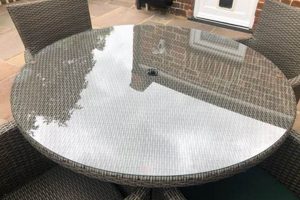
Outdoor seating crafted from Tectona grandis provides durable and aesthetically pleasing additions to exterior spaces. This type of furniture is often selected for its resistance to the elements and natural beauty. An example would be placing these seats on a patio or deck to create a comfortable and inviting area for relaxation and socializing.
The selection offers significant advantages, including inherent oils that protect against moisture, insects, and decay. These qualities contribute to the furniture’s longevity and reduce the need for frequent maintenance. Historically, the material has been valued for shipbuilding and outdoor construction due to its strength and resilience, making it a desirable material for exterior furnishings.
This enduring quality and aesthetic appeal are why many consider it a premium choice for furnishing outdoor environments. The following sections will delve into the specific properties, maintenance requirements, design considerations, and purchasing factors associated with outdoor furniture constructed from this valuable resource.
Practical Advice on Outdoor Teak Seating
Selecting and maintaining quality outdoor seating enhances enjoyment of exterior spaces. The following advice offers guidance on maximizing the lifespan and aesthetic appeal of Tectona grandis furniture.
Tip 1: Location Selection is Crucial: Consider placement away from direct, intense sunlight for extended periods. While Tectona grandis is naturally resistant, prolonged UV exposure can lead to surface discoloration. Utilize shaded areas or protective covers during peak sunlight hours.
Tip 2: Regular Cleaning Preserves Appearance: Implement a consistent cleaning schedule to remove dirt, mildew, and debris. Use a mild soap solution and soft-bristled brush to gently scrub the furniture’s surface. Rinse thoroughly with clean water to avoid residue buildup.
Tip 3: Oil Application Replenishes Natural Oils: While not strictly necessary, applying Tectona grandis oil periodically helps maintain the wood’s natural luster and prevent drying. Select a high-quality oil specifically formulated for Tectona grandis and follow the manufacturer’s instructions carefully. Consider the color difference of using oil or leave it natural.
Tip 4: Secure Furniture During Inclement Weather: Strong winds or heavy storms can cause damage to outdoor furniture. Secure the items or move them to a sheltered location during periods of adverse weather conditions. This prevents potential breakage and extends the furniture’s lifespan.
Tip 5: Inspect Furniture Regularly for Damage: Periodically examine the furniture for signs of wear and tear, such as loose joints, cracks, or insect activity. Address any issues promptly to prevent further damage. Tighten loose screws or bolts and repair minor cracks with appropriate wood fillers.
Tip 6: Proper Winter Storage Protects Investment: During the off-season, store the furniture in a dry, well-ventilated location, such as a garage or shed. Cover the furniture with breathable covers to protect it from dust and moisture. Avoid using plastic covers, as they can trap moisture and promote mildew growth.
Implementing these simple maintenance practices ensures the longevity and beauty of Tectona grandis outdoor seating. These measures protect the investment and provide years of enjoyment.
The next section will address purchasing considerations. By carefully selecting and caring for quality pieces, individuals can enhance their outdoor living spaces.
1. Durability
The selection of Tectona grandis for outdoor seating is intrinsically linked to its exceptional durability. This characteristic stems from the wood’s dense grain and high oil content, both of which contribute to its resistance to environmental stressors. A direct consequence of this inherent durability is extended lifespan. For example, a bench made from this material may withstand decades of exposure to rain, sun, and temperature fluctuations with minimal degradation, unlike alternatives that require frequent replacement.
Durability is not merely a desirable attribute but a critical functional component. Without it, the practical utility diminishes rapidly. Consider public parks or commercial establishments: Frequent replacement of worn or damaged seating incurs significant costs. Furnishings constructed from Tectona grandis mitigate these expenses, representing a long-term investment rather than a recurring expenditure. Furthermore, the structural integrity of the seating is paramount for user safety. Compromised durability poses risks of collapse or injury.
In summation, the robustness of Tectona grandis is fundamental to its suitability for outdoor seating. This durability translates to economic benefits, reduced maintenance demands, and enhanced safety for users. While other materials may offer initial cost savings, the longevity and reliability of Tectona grandis render it a superior choice for enduring performance in demanding outdoor environments.
2. Weather Resistance

The selection of Tectona grandis for crafting outdoor seating directly correlates with its inherent weather resistance. This property defines its suitability for prolonged exposure to environmental elements.
- Natural Oil Content
Tectona grandis possesses a high concentration of natural oils within its cellular structure. These oils act as a protective barrier against moisture penetration, minimizing the risk of rot and decay. For example, rain or snow will bead on the surface, rather than being absorbed into the wood fibers. This inherent oil content distinguishes it from other wood types that require frequent treatments with preservatives to achieve similar levels of protection.
- Dimensional Stability
Fluctuations in temperature and humidity can induce expansion and contraction in wood, potentially leading to warping or cracking. Tectona grandis exhibits exceptional dimensional stability, meaning it experiences minimal changes in size and shape despite environmental variations. Consider climates with hot, dry summers and cold, wet winters: Furniture constructed from this material maintains its structural integrity under these conditions, reducing the likelihood of damage.
- Resistance to Pests
The natural oils present in Tectona grandis also serve as a deterrent to insects and marine borers. This resistance minimizes the risk of infestation, further contributing to the material’s longevity in outdoor settings. In coastal regions, where other wood types are susceptible to damage from marine organisms, Tectona grandisg> offers a durable alternative.
- UV Resistance
Prolonged exposure to ultraviolet (UV) radiation can cause fading and degradation of many materials. While Tectona grandis will naturally weather to a silver-gray patina over time, its structural integrity is not compromised by UV exposure. The surface discoloration is primarily aesthetic and does not affect the wood’s inherent strength or resistance to decay.
The convergence of these factorsnatural oil content, dimensional stability, pest resistance, and UV resistanceunderpins the exceptional weather resistance. This inherent characteristic makes it a superior choice for outdoor seating. The initial investment is justified by reduced maintenance requirements, extended lifespan, and sustained aesthetic appeal, offering long-term value compared to less resilient materials.
3. Design Styles

The aesthetic versatility directly influences the appeal and market positioning of outdoor seating crafted from Tectona grandis. Design styles applied to this material range from classic to contemporary, affecting both visual integration within diverse outdoor settings and functional considerations. The choice of design influences material usage, construction methods, and ultimately, the cost and perceived value of the finished product. For instance, a minimalist design emphasizing clean lines and simple joinery will utilize the material’s natural grain as the primary decorative element, while ornate designs may involve intricate carvings or complex frame structures.
Different design styles serve distinct purposes. Traditional designs often incorporate wider planks, heavier frames, and more elaborate detailing, evoking a sense of historical permanence and formality suitable for established gardens or patios. Conversely, modern designs might feature thinner profiles, lighter frames, and streamlined silhouettes, aligning with contemporary architectural aesthetics and smaller outdoor spaces. The functional consequence of these stylistic choices involves not only visual impact but also ergonomic considerations, such as seat height, backrest angle, and armrest placement, which determine user comfort and accessibility. An example could be a backless bench with simple, straight legs for modern minimalist look or using a high backed teak chair with ornated legs for a classic victorian style garden.
Ultimately, the interplay between design styles and construction dictates the suitability of outdoor seating for particular applications and environments. Selecting the appropriate design hinges on factors such as available space, architectural context, intended use, and budgetary constraints. Design styles also influences the longevity of the products as well. For example, a poorly designed chair may experience higher rates of broken legs because of uneven weight distribution. Therefore, a design-led purchase should take these factors into consideration. Understanding design’s implications ensures the furniture integrates seamlessly into its surroundings, provides optimal user experience, and withstands environmental challenges.
4. Ergonomics

Ergonomics, the science of designing and arranging items for efficient and safe use, significantly impacts the functionality and appeal of garden teak chairs. The chair’s dimensions, seat height, back support, and armrest placement directly influence posture, comfort, and overall user experience. Insufficient ergonomic design can lead to discomfort, fatigue, and even musculoskeletal issues with prolonged use. For example, a chair with a seat that is too low can strain the lower back, while inadequate lumbar support can contribute to poor posture and back pain.
Proper ergonomic integration involves carefully considering the anthropometric data of potential users. Seat height should allow for comfortable foot placement on the ground, promoting proper leg circulation. Backrests should provide adequate support to the lumbar region, encouraging an upright posture. Armrests, when present, should be positioned at a height that allows the shoulders to relax, reducing strain in the neck and upper back. The angle and depth of the seat also play a crucial role in distributing weight evenly, minimizing pressure points and promoting comfort. In addition, the natural give of the teak wood itself can add a level of comfort not found in other materials.
In conclusion, the ergonomic design of garden teak chairs is not merely an aesthetic consideration but a fundamental aspect of their usability and long-term value. Prioritizing ergonomic principles results in seating that promotes comfort, reduces the risk of physical strain, and enhances the enjoyment of outdoor spaces. While design aesthetics are important, overlooking ergonomics can compromise user well-being and diminish the overall experience. Understanding the ergonomic considerations in product design is essential for purchasers seeking quality outdoor seating.
5. Maintenance Needs

Maintenance directly impacts the longevity and aesthetic appeal of exterior seating constructed from Tectona grandis. While the material is inherently durable, neglecting upkeep accelerates degradation and diminishes the value proposition.
- Regular Cleaning Protocols
Accumulation of dirt, mildew, and atmospheric pollutants degrades the surface. Routine cleaning, employing mild soap solutions and soft brushes, removes these contaminants. This process prevents staining, preserves the natural color, and mitigates the risk of biological growth. Failure to clean periodically results in a dull, unattractive appearance, accelerating the weathering process.
- Periodic Oil Application
Though optional, applying Tectona grandis oil helps maintain the wood’s natural luster and replenishes lost oils. Select appropriate oil, and follow the manufacturer’s instructions. While some prefer the silver-gray patina that develops naturally, oiling preserves the original honey-brown hue, delaying the weathering process. Consider the surrounding garden style and aesthetics when choosing to oil or not.
- Hardware Inspection and Tightening
Exterior seating often incorporates metal fasteners. Seasonal expansion and contraction of the wood loosens screws and bolts. Regular inspection and tightening ensure structural integrity and prevent instability or collapse. Neglecting this step compromises safety and accelerates wear on the joints, potentially requiring costly repairs.
- Winter Storage Considerations
In climates with harsh winters, storing outdoor seating indoors prolongs its lifespan. If indoor storage is unavailable, covering the furniture with breathable tarps protects it from snow, ice, and prolonged moisture exposure. Avoiding plastic covers prevents moisture buildup, minimizing the risk of mold and mildew growth. Protect from direct contact to ice or snow and store in ventilated area is preferred.
Consistent adherence to these maintenance practices optimizes the performance and appearance of exterior seating. Integrating these steps into routine outdoor maintenance preserves the investme
nt and provides years of reliable use. Selecting quality tools and materials streamlines the maintenance process, ensuring effective and long-lasting results.
6. Sustainability

The utilization of Tectona grandis in the production of exterior seating raises significant sustainability considerations. Responsible sourcing and manufacturing practices are critical to mitigating environmental impact and ensuring the long-term viability of this resource.
- Forest Management Practices
The sustainability of Tectona grandis harvesting hinges on adherence to responsible forest management practices. Certified sustainable forestry operations employ selective logging techniques, minimizing habitat disruption and promoting natural regeneration. These operations replant trees to ensure a continuous supply of wood while preserving biodiversity. Conversely, unsustainable logging practices lead to deforestation, soil erosion, and loss of valuable ecosystems. For example, wood sourced from illegal logging operations contributes to environmental degradation and undermines the economic viability of sustainably managed forests.
- Chain of Custody Certification
Chain of custody certification verifies the origin of Tectona grandis, ensuring that it originates from responsibly managed forests. Organizations such as the Forest Stewardship Council (FSC) provide certification programs that track wood from the forest to the final product. This certification provides consumers with assurance that their purchase supports sustainable forestry practices. Without a verifiable chain of custody, the risk of purchasing wood from unsustainable or illegal sources increases substantially.
- Lifecycle Assessment
A comprehensive lifecycle assessment evaluates the environmental impact of Tectona grandis furniture throughout its entire lifespan. This assessment considers factors such as energy consumption during manufacturing, transportation emissions, and end-of-life disposal methods. By analyzing the complete lifecycle, manufacturers can identify opportunities to reduce their environmental footprint. For instance, optimizing transportation routes and utilizing recycled packaging materials can minimize carbon emissions. Furthermore, designing furniture for disassembly and reuse facilitates recycling and reduces waste.
- Durability and Longevity
The inherent durability of Tectona grandis contributes to its sustainability. Furniture constructed from this material has a significantly longer lifespan than products made from less durable materials. Extended product lifecycles reduce the need for frequent replacements, minimizing resource consumption and waste generation. While the initial cost of Tectona grandis furniture may be higher, its longevity represents a long-term investment in sustainability.
These facets highlight the complex interplay between sustainability and the utilization of Tectona grandis in the production of exterior seating. Responsible sourcing, manufacturing practices, and consumer choices are essential to promoting environmental stewardship and ensuring the long-term availability of this valuable resource. Choosing products from certified sustainable sources supports responsible forest management and minimizes the environmental impact associated with furniture production. Understanding these factors enables informed purchasing decisions that contribute to a more sustainable future.
7. Cost factors

The price of outdoor furniture constructed from Tectona grandis is influenced by a confluence of factors extending beyond raw material costs. Supply chain dynamics, manufacturing processes, design complexity, and brand positioning collectively determine the final market price. Increases in demand or limitations in supply due to environmental regulations or geopolitical events directly inflate the price. The implementation of sustainable harvesting practices, while environmentally responsible, often increases the cost of raw materials compared to wood sourced from less regulated regions. High-end design furniture incorporates complex joinery and finishing, which increase production time. These elements translate into higher labor expenses and specialized machinery, thus a higher market price.
Material origin and quality significantly impact the cost. Tectona grandis sourced from established plantations with verifiable sustainability certifications commands a premium. The grading of the lumber, referring to the number of knots and color consistency, further influences pricing, with premium grades exhibiting uniform color and minimal imperfections attracting higher prices. Economies of scale also play a crucial role. Larger manufacturers with streamlined production processes and established distribution networks can often offer products at more competitive prices compared to smaller, artisanal workshops that produce limited quantities. Brand reputation introduces an additional layer of pricing influence, as established brands with a track record of quality and durability often command higher prices reflecting perceived value and customer trust.
Understanding these cost factors enables consumers to make informed purchasing decisions. While lower-priced options may appear attractive, they often reflect compromises in material quality, sustainability practices, or manufacturing standards. Evaluating the long-term value proposition, considering durability, maintenance requirements, and ethical sourcing, allows consumers to prioritize quality and sustainability over solely price. Choosing quality outdoor teak seating ensures years of use and can make more sense in the long run, as it reduces the need for frequent replacements. The higher upfront investment often translates into long-term savings and reduced environmental impact. This holistic approach aligns with a responsible purchasing strategy that prioritizes quality, sustainability, and enduring value.
Frequently Asked Questions About Outdoor Seating Constructed from Tectona grandis
The following addresses common inquiries concerning the selection, maintenance, and longevity of furniture designed for outdoor use, specifically focusing on pieces crafted from Tectona grandis.
Question 1: What distinguishes furniture of this type from alternatives made from other wood species?
Furniture of this type possesses a naturally high oil content, rendering it resistant to moisture, insects, and decay. This inherent durability distinguishes it from other wood species that require chemical treatments or frequent maintenance to achieve comparable levels of protection.
Question 2: How frequently must items constructed from this material be cleaned?
Outdoor seating should be cleaned at least twice annually, or more frequently in environments with heavy pollution or high humidity. Employ a mild soap solution and soft-bristled brush to remove dirt, mildew, and debris. Thorough rinsing prevents soap residue buildup.
Question 3: Is oil application essential for maintaining the furniture’s integrity?
Oil application is not essential, but it can preserve the material’s natural honey-brown color and minimiz
e the effects of weathering. Select a high-quality oil specifically formulated for Tectona grandis and adhere to the manufacturer’s instructions. Note that un-oiled material will naturally develop a silver-gray patina.
Question 4: What precautions should be taken during periods of inclement weather?
During periods of severe weather, outdoor seating should be secured or moved to a sheltered location. Strong winds can cause damage, and prolonged exposure to moisture can accelerate decay. Utilize breathable covers to protect the furniture from the elements.
Question 5: How can the likelihood of discoloration be minimized?
Discoloration, primarily due to ultraviolet (UV) exposure, is a natural process. However, it can be minimized by applying a UV-resistant sealant or storing the furniture in shaded areas. Regular cleaning also helps to remove surface contaminants that exacerbate discoloration.
Question 6: Is furniture constructed from this material suitable for coastal environments?
Yes, this material’s inherent resistance to moisture and marine borers makes it exceptionally suitable for coastal environments. However, regular cleaning is still recommended to remove salt deposits and maintain the furniture’s appearance.
Proper maintenance significantly extends the lifespan. Following the guidelines detailed above ensures years of reliable use and sustained aesthetic appeal.
The subsequent section will explore specific design trends.
Concluding Remarks on Garden Teak Chairs
This exploration has illuminated the key attributes of garden teak chairs, underscoring their durability, weather resistance, design versatility, ergonomic considerations, and maintenance needs. Furthermore, the investigation into sustainability and cost factors provides a comprehensive framework for informed purchasing decisions. These chairs, when responsibly sourced and properly maintained, represent a notable investment in long-term outdoor enjoyment.
The enduring appeal of outdoor seating constructed from Tectona grandis lies in its confluence of aesthetic elegance and practical resilience. Prospective purchasers are encouraged to evaluate their specific needs and priorities within the context of the information presented. Prudent selection and conscientious care ensure that these furnishings enhance outdoor spaces for generations, representing a commitment to quality and sustainability.