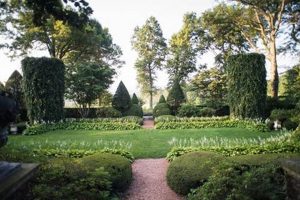
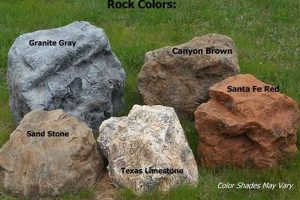
Personalized markers, often integrated within outdoor spaces dedicated to remembrance, provide a tangible and enduring way to honor departed loved ones. These customized items serve as quiet testaments, etched with names, dates, or meaningful messages, and are thoughtfully placed among plants, pathways, or other landscaping elements. For example, a flat stone engraved with a name and a significant date may be nestled within a flowerbed.
These commemorative pieces offer a sense of connection and solace to those grieving a loss. Their presence transforms an ordinary garden into a personalized sanctuary, providing a peaceful location for reflection and remembrance. Historically, the use of stones to mark significant places or events has deep roots across various cultures, symbolizing permanence and enduring memory, and offering a lasting tribute in a natural setting.
The following sections will delve into the various materials used in crafting such markers, explore different engraving and personalization techniques, and offer guidance on selecting an appropriate inscription or design that captures the essence of the individual being remembered.
Guidance on Selecting and Utilizing Commemorative Garden Markers
The following provides practical advice for choosing and incorporating remembrance markers within a garden setting. Thoughtful consideration of these points ensures a lasting and meaningful tribute.
Tip 1: Material Selection: Opt for durable materials suited to outdoor conditions. Granite, slate, or treated concrete resist weathering and maintain legibility over time. For example, a granite marker will withstand temperature fluctuations and moisture exposure better than softer stone options.
Tip 2: Engraving Method: Laser engraving or deep carving offers superior longevity compared to surface etching. These techniques create inscriptions that resist fading and erosion. Consider a deeply carved inscription for optimal durability.
Tip 3: Size and Placement: Choose a size appropriate for the garden space, ensuring visibility without overwhelming the surroundings. Placement should be deliberate, considering both aesthetics and accessibility. A marker placed along a frequently walked path allows for regular reflection.
Tip 4: Inscription Content: Keep inscriptions concise and meaningful. Focus on capturing the essence of the individual being remembered. A simple name and dates, paired with a short phrase or sentiment, often proves most impactful.
Tip 5: Design Considerations: Integrate design elements that reflect the individual’s personality or interests. Subtle floral patterns, symbolic imagery, or favorite colors can personalize the marker without detracting from its solemn purpose.
Tip 6: Garden Integration: Position the marker within a landscape that complements its style and message. Consider surrounding it with the individual’s favorite plants or flowers to create a cohesive and meaningful memorial space. The marker will blend better with the surrounding if it is properly integrated.
Tip 7: Professional Installation: If the marker is substantial, consider professional installation to ensure stability and prevent shifting or damage over time. Proper installation guarantees both safety and the preservation of the memorial.
Implementing these considerations will result in a commemorative marker that serves as a lasting and respectful tribute, honoring the memory of the individual within a serene and personal garden environment.
The subsequent sections will address long-term maintenance and care of these memorial markers, ensuring their continued beauty and significance for years to come.
1. Material Durability

The longevity and enduring quality of a memorial crafted from garden stones are directly contingent upon the inherent durability of the materials selected. Exposure to the elementsincluding precipitation, temperature fluctuations, and ultraviolet radiationexerts constant stress on the stone. Consequently, materials lacking inherent resistance to these environmental factors will degrade, leading to erosion of inscriptions and eventual structural compromise. A compromised memorial undermines its intended purpose: to serve as a lasting testament to remembrance. For instance, utilizing porous limestone in a region prone to freezing temperatures will inevitably result in cracking and spalling as absorbed water expands and contracts within the stone matrix.
The choice of durable materials, such as granite, slate, or certain types of treated concrete, mitigates these risks. Granite, renowned for its density and resistance to weathering, provides a robust foundation for engraved inscriptions, ensuring their legibility for generations. Slate, while possessing a more layered structure, can also offer excellent durability if properly selected and sealed. Treated concrete, engineered for outdoor applications, presents a cost-effective alternative while maintaining acceptable levels of resistance to environmental degradation. The practical significance of understanding material durability lies in preventing premature deterioration, thereby preserving the integrity and emotional value of the memorial.
In summary, the selection of durable materials is paramount in the creation of effective and enduring garden stone memorials. Overlooking this critical aspect results in compromised longevity, eroding both the physical integrity of the marker and the sentimental significance it holds. Therefore, careful consideration of a stone’s inherent resistance to weathering and environmental stresses is essential to fulfilling the memorial’s intended purpose of lasting remembrance.
2. Inscription Longevity

The enduring nature of remembrance within a garden stone memorial is intrinsically linked to the preservation of its inscription. An inscription’s ability to withstand the passage of time and environmental factors directly determines the memorial’s continued effectiveness as a tribute and a source of solace.
- Engraving Techniques
The method employed for inscribing a garden stone significantly influences its longevity. Surface etching, while visually appealing initially, is susceptible to erosion and fading over time. Deep carving, conversely, provides a more robust and enduring inscription that resists the abrasive effects of wind, rain, and physical contact. Laser engraving, with precise depth control, offers a balance between aesthetic appeal and long-term durability. The choice of engraving technique should prioritize permanence to ensure the inscription remains legible for generations.
- Material Compatibility
The interaction between the inscription technique and the stone material plays a crucial role in inscription longevity. Certain engraving methods are better suited to specific stone t
ypes. For instance, deep carving is particularly effective on hard stones like granite, while laser engraving may produce finer results on slate or marble. Selecting a compatible combination of engraving technique and material ensures optimal adhesion and resistance to weathering. Incompatible pairings can lead to premature degradation of the inscription. - Protective Coatings
The application of protective coatings or sealants can further enhance inscription longevity. These coatings form a barrier against moisture, ultraviolet radiation, and other environmental pollutants, thereby mitigating the risk of erosion and fading. The selection of an appropriate sealant should consider the stone type and the local climate. Regular reapplication of the sealant may be necessary to maintain its protective properties over time. Proper application of protective coatings can substantially extend the lifespan of the inscription.
- Environmental Factors
The environmental conditions to which a garden stone memorial is exposed directly impact inscription longevity. Locations with high levels of rainfall, extreme temperature fluctuations, or air pollution pose a greater threat to the inscription’s integrity. Selecting durable materials, employing robust engraving techniques, and applying protective coatings can help to mitigate these risks. Regular maintenance and cleaning can also help to remove accumulated dirt and pollutants, thereby preserving the inscription’s clarity and legibility. Awareness of local environmental factors is crucial for ensuring the long-term viability of the inscription.
These facets underscore the importance of considering inscription longevity as an integral component of creating a lasting garden stone memorial. By carefully selecting appropriate materials, employing robust engraving techniques, applying protective coatings, and accounting for environmental factors, it is possible to create a tribute that endures through time, honoring the memory of loved ones for generations to come. The investment in inscription longevity is an investment in the enduring power of remembrance.
3. Placement Significance

The placement of a garden stone memorial directly influences its perceived significance and emotional impact. The location within a garden setting dictates how the memorial is experienced, impacting the frequency and nature of interactions with the site. A marker situated in a secluded, contemplative corner fosters introspection and quiet remembrance. Conversely, a placement along a frequently traversed path provides regular, albeit perhaps more fleeting, moments of reflection. The deliberate choice of location serves as a method of amplifying or moderating the emotional resonance of the memorial.
For example, placing a garden stone near a favorite flowering plant of the deceased creates a tangible connection between the memorial and their passions. This proximity transforms the surrounding flora into a living tribute, enhancing the personalization and fostering a more profound sense of connection. Alternatively, positioning the stone near a bench or seating area encourages extended visits and quiet contemplation, providing a dedicated space for reflection. Misjudging placement can diminish the memorial’s impact; a stone obscured by overgrown vegetation or positioned in an area prone to disruption may detract from its intended purpose and minimize opportunities for meaningful interaction.
In conclusion, the significance of placement in relation to a garden stone memorial cannot be overstated. The carefully considered selection of a location, taking into account the desired emotional impact, accessibility, and surrounding environment, is crucial for creating a lasting and meaningful tribute. Overlooking placement diminishes the potential for remembrance and the opportunity to connect with the memory of the individual being honored. Therefore, meticulous attention to placement is paramount in ensuring the memorial serves its intended purpose as a source of solace and enduring remembrance.
4. Personalization Depth

The degree of personalization applied to markers intended for placement in commemorative outdoor spaces has a direct bearing on their emotional resonance and enduring significance. A surface-level inscription lacks the impact of a carefully considered design that reflects the unique essence of the individual being remembered.
- Symbolic Representation
The incorporation of symbols that held particular meaning for the deceased significantly enhances the personalization of a memorial stone. These symbols may represent hobbies, affiliations, beliefs, or significant life events. For example, a stone engraved with a musical note could commemorate a musician, while a depiction of a favorite animal could reflect a passion for nature. The inclusion of such symbols transforms the marker from a generic memorial into a highly personal tribute.
- Meaningful Quotations
Selecting a quotation that encapsulates the individual’s philosophy, values, or spirit adds a profound layer of personalization. This may involve choosing a line from a favorite poem, a passage from a meaningful book, or a personal motto. The quotation should resonate deeply with the individual’s character and provide a lasting testament to their unique perspective. The inclusion of such personalized quotations invites reflection and contemplation.
- Custom Artwork
Commissioning custom artwork for a memorial stone allows for the creation of a truly unique and personalized tribute. This may involve depicting a portrait of the deceased, illustrating a significant scene from their life, or creating an abstract design that captures their essence. Custom artwork elevates the memorial beyond a simple marker, transforming it into a lasting work of art that reflects the individual’s personality and legacy.
- Material Choice as Personalization
The selection of the stone itself can serve as a form of personalization. Choosing a stone sourced from a location significant to the deceased, or one that reflects their favorite colors or textures, adds a subtle yet meaningful layer of personalization. The material itself becomes a tangible connection to the individual’s life and experiences. This approach underscores the importance of considering all aspects of the memorial’s design in achieving meaningful personalization.
These various approaches underscore the importance of personalization depth in creating meaningful markers intended for commemorative garden spaces. A marker that simply states a name and date pales in comparison to one that captures the essence of the individual’s life, passions, and beliefs. The investment in personalized design elevates the memorial from a mere marker to a lasting tribute that resonates deeply with those who visit the site.
5. Emotional Resonance

Emotional resonance, in the context of outdoor commemorative markers, refers to the capacity of these objects to evoke profound feelings of connection, memory, and solace in those who interact with them. The effectivenes
s of a garden stone memorial is directly proportional to its ability to generate these emotional responses, transforming a simple marker into a deeply personal and meaningful tribute.
- Evoking Memory Through Personalization
Personalization plays a pivotal role in enhancing emotional resonance. The inclusion of details specific to the individual being memorialized, such as engraved names, dates, meaningful quotations, or symbolic imagery, serves as a catalyst for memory recall. For example, a stone featuring a depiction of the deceased’s favorite flower or a line from their cherished poem creates a direct link to their personality and experiences, fostering a stronger emotional connection for visitors to the garden.
- Providing a Tangible Connection to the Past
The physical presence of a memorial provides a tangible link to the past, offering a concrete point of connection to the individual who is no longer physically present. Touching the stone, tracing the engraved inscription, or simply gazing upon it can evoke a sense of closeness and continuity, bridging the gap between the present and the cherished memories of the past. This tangible connection offers solace and reinforces the enduring nature of remembrance.
- Creating a Space for Contemplation and Reflection
A thoughtfully placed memorial transforms a garden space into a sanctuary for contemplation and reflection. The presence of the stone encourages visitors to pause, remember, and engage in quiet introspection. The surrounding environment, whether a vibrant flowerbed or a serene landscape, contributes to the overall atmosphere of peace and tranquility, facilitating a deeper emotional connection and allowing for meaningful moments of remembrance.
- Fostering a Sense of Enduring Legacy
A well-crafted and maintained marker serves as a testament to the enduring legacy of the individual being memorialized. The physical presence of the stone ensures that their memory is preserved and celebrated for generations to come. This sense of enduring legacy provides comfort to those grieving their loss, knowing that their loved one’s life and contributions will not be forgotten. The marker serves as a lasting symbol of their impact on the world.
The emotional resonance of a garden stone memorial is not merely an aesthetic consideration; it is the very essence of its purpose. By carefully considering personalization, tangibility, contemplative space, and enduring legacy, it is possible to create a memorial that provides lasting comfort, fosters meaningful remembrance, and serves as a poignant tribute to the lives of those who have passed.
Frequently Asked Questions
The following addresses common inquiries regarding the selection, placement, and maintenance of personalized markers used in outdoor spaces dedicated to remembrance.
Question 1: What materials are most suitable for a long-lasting garden stone memorial?
Durable materials such as granite, slate, or treated concrete are recommended due to their resistance to weathering and erosion. Softer stones may degrade more rapidly, requiring more frequent maintenance or replacement.
Question 2: How can the inscription on a garden stone memorial be protected from fading?
Deep carving or laser engraving techniques offer superior longevity compared to surface etching. Applying a sealant specifically designed for stone can also provide a protective barrier against moisture and environmental pollutants.
Question 3: Where is the most appropriate location for placing a garden stone memorial?
The ideal location depends on the desired emotional impact. A secluded spot encourages quiet reflection, while a placement along a frequented path allows for regular remembrance. Consideration should be given to visibility and accessibility.
Question 4: What level of personalization is recommended for a garden stone memorial?
The degree of personalization should reflect the individual being memorialized. Incorporating symbols, meaningful quotations, or custom artwork enhances emotional connection and transforms the marker into a unique tribute.
Question 5: How frequently should a garden stone memorial be cleaned?
The frequency of cleaning depends on environmental conditions. Regular removal of dirt, moss, and algae prevents staining and maintains legibility. A gentle brush and mild soap are typically sufficient for cleaning.
Question 6: Can a damaged garden stone memorial be repaired?
The feasibility of repair depends on the extent of the damage and the material of the stone. Minor chips or cracks can often be repaired by a professional stone conservator. Severe damage may necessitate replacement.
Careful consideration of these factors ensures the creation of a lasting and meaningful tribute to those being remembered.
The subsequent section explores design considerations for garden stone memorials, providing guidance on selecting an appropriate style and aesthetic.
Conclusion
The preceding examination has detailed the multifaceted considerations involved in creating and utilizing garden stones memorial. Durability, inscription longevity, placement significance, personalization depth, and emotional resonance have been presented as crucial factors that determine the effectiveness of such memorials as enduring tributes. The appropriate selection of materials, engraving techniques, and placement locations, coupled with thoughtful personalization, contribute to the creation of a lasting and meaningful space for remembrance.
The implementation of these principles ensures the dignified preservation of memory and provides a tangible space for reflection and solace for those who seek connection with departed loved ones. The diligent application of the discussed insights will contribute to the creation of outdoor memorial spaces that stand as lasting testaments to enduring remembrance.