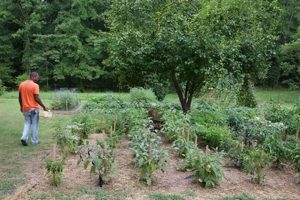
The medium in which edible plants are cultivated directly influences their health and productivity. It is a specially formulated blend, often incorporating organic matter and essential nutrients, designed to support robust root systems and facilitate optimal growth. For example, a mixture rich in compost and well-draining materials is often favored for growing tomatoes and peppers.
Utilizing a suitable substrate is critical because it provides the necessary foundation for plants to access water, air, and nutrients. The composition impacts the ability of plants to develop strong, healthy roots, thereby affecting the overall yield and quality of the harvest. Historically, amending the earth with natural additives to improve its characteristics has been a foundational practice in agriculture.
Subsequent sections will delve into the specific properties to consider when selecting an appropriate growing medium, examining the crucial role of pH levels, drainage capacity, and nutrient availability. Further discussion will explore various types of amendments and their contributions to enhancing the characteristics of the cultivation environment.
Cultivation Strategies for Edible Plants
Optimizing the growing environment is essential for successful harvests. The following strategies outline fundamental practices that support robust plant development.
Tip 1: Conduct Soil Testing. Prior to planting, analyze the current state of the substrate. Testing provides valuable insights into pH levels and nutrient deficiencies, informing necessary amendments. Results guide informed decisions regarding fertilization and soil modification.
Tip 2: Incorporate Organic Matter. Amend with compost, well-rotted manure, or other organic materials. These additions improve drainage, aeration, and nutrient retention, contributing to a thriving ecosystem.
Tip 3: Ensure Proper Drainage. Root rot is a common issue in poorly drained earth. Modify with perlite, vermiculite, or coarse sand to enhance drainage characteristics. Elevated beds also offer solutions to drainage challenges.
Tip 4: Maintain Optimal pH Levels. Most plants thrive in a slightly acidic to neutral environment. Adjust pH with lime to raise the level or sulfur to lower it, based on the testing results. Monitor pH regularly throughout the growing season.
Tip 5: Rotate Crops Annually. Implement crop rotation to prevent the buildup of soilborne diseases and pests. Rotation also helps to balance nutrient depletion, contributing to long-term health.
Tip 6: Provide Adequate Nutrients. Supplement with balanced fertilizer formulations, tailored to the needs of the crops grown. Monitor nutrient levels and address deficiencies promptly to ensure optimal growth.
These strategies, when diligently applied, promote a healthier growing environment, leading to increased yields and improved quality of produce.
The subsequent section offers insights into the specific considerations for managing and maintaining the growing medium throughout the growing season.
1. Drainage

Effective drainage is a critical characteristic of suitable vegetable substrates. The relationship between water permeability and root health is direct and significant. When water accumulates excessively, it displaces oxygen in the soil pores, leading to anaerobic conditions that can cause root rot and hinder nutrient uptake. Clay-heavy soil, for instance, often exhibits poor drainage, increasing the risk of fungal diseases that thrive in moist environments. Conversely, excessively sandy soil, while draining well, may dry out too quickly, necessitating frequent irrigation to maintain adequate moisture levels for plant growth. The physical composition directly impacts the ability of the substrate to support healthy root development.
Amending the growing environment to improve drainage is a common practice. Incorporating organic matter, such as compost or aged manure, enhances both drainage and water retention. The addition of perlite or vermiculite can further improve aeration and drainage in heavier types. In practice, raised beds or containers with drainage holes offer a solution to poor drainage issues in areas with naturally high water tables or compacted subsoil. Proper drainage prevents waterlogged conditions, which can lead to stunted growth, yellowing leaves, and ultimately, plant death. The selection and modification of soil, therefore, must prioritize drainage capabilities.
In summary, adequate drainage is non-negotiable for a thriving vegetable garden. Poor water permeability leads to anaerobic conditions, inhibiting root function and fostering disease. Modifying heavy soil with organic matter or inorganic amendments such as perlite improves drainage, creating an environment conducive to healthy root growth. Understanding and managing drainage issues is fundamental to successful vegetable cultivation.
2. Nutrient Availability

Nutrient availability is a cornerstone of successful vegetable cultivation. The earth must supply essential elements for plant growth, development, and reproduction. Deficiencies in macronutrients and micronutrients compromise vigor, yield, and resistance to pests and diseases. The substrate’s capacity to provide these elements in accessible forms dictates the overall health and productivity of the crop.
- Macronutrient Ratios
Nitrogen, phosphorus, and potassium (NPK) are macronutrients required in relatively large quantities. Nitrogen is vital for foliage growth, phosphorus for root development and flowering, and potassium for overall plant health and disease resistance. Imbalances in these ratios manifest as stunted growth, discolored leaves, or poor fruit production. For example, a nitrogen deficiency leads to yellowing leaves and reduced leaf size, impacting photosynthesis. Therefore, the composition of the substrate must support balanced NPK levels.
- Micronutrient Sufficiency
Micronutrients, though needed in smaller amounts, are equally crucial. Iron, manganese, zinc, copper, boron, and molybdenum play essential roles in enzymatic processes and plant metabolism. Deficiencies of these elements manifest as specific symptoms such as interveinal chlorosis (iron deficiency) or stunted growth (zinc deficiency). Soil testing is essential to identify and address micronutrient deficiencies through targeted amendments.
- pH Influence
The pH level profoundly impacts nutrient solubility and availability. Most plants thrive in a slightly acidic to neutral environment (pH 6.0-7.0). Outside this range, certain nutrients become less accessible, regardless of their presence. For instance, iron and manganese become less soluble at higher pH levels, leading to deficiency symptoms even if they are present. Soil pH management through liming or acidification is vital to optimize nutrie
nt availability. - Organic Matter Contributions
Organic matter improves nutrient availability by enhancing soil structure, water retention, and cation exchange capacity (CEC). Decomposing organic matter releases nutrients gradually, providing a sustained supply. Compost, manure, and other organic amendments act as slow-release fertilizers, improving the nutrient-holding capacity of the environment and fostering a thriving microbial community that facilitates nutrient cycling.
The interplay between macronutrient ratios, micronutrient sufficiency, pH influence, and organic matter contributions collectively determines the nutrient availability within the substrate. Addressing each of these facets through soil testing, appropriate amendments, and proper management practices is essential for creating a fertile and productive environment, supporting the healthy growth and development of plants.
3. pH Level

The pH level of garden soil critically influences the availability of nutrients essential for vegetable growth. It measures the acidity or alkalinity on a scale of 0 to 14, with 7 being neutral. Most vegetables thrive in a slightly acidic range, typically between 6.0 and 7.0. When the pH deviates significantly from this optimal range, certain nutrients become less soluble, hindering their uptake by plant roots. For instance, if the substrate becomes too alkaline (pH above 7.0), micronutrients such as iron, manganese, and zinc become less available, potentially leading to deficiencies and reduced plant vigor. Conversely, excessively acidic conditions (pH below 6.0) can increase the solubility of aluminum and manganese to toxic levels, inhibiting root growth and overall plant health. Therefore, maintaining the appropriate pH level is a prerequisite for maximizing nutrient utilization and ensuring healthy plant development.
Adjusting the pH involves amending the growing environment with materials that either increase or decrease acidity. Lime, typically calcium carbonate, is commonly used to raise the pH in acidic soils. The lime neutralizes acidity, making nutrients more accessible. Conversely, sulfur or acidifying fertilizers can lower the pH in alkaline conditions. Soil testing is essential to determine the current pH level and guide the appropriate course of action. Regular monitoring allows for timely adjustments to maintain optimal conditions throughout the growing season. Successful vegetable production necessitates a proactive approach to pH management, ensuring that nutrients are readily available to support plant growth.
In summary, pH level acts as a critical determinant of nutrient availability in garden soil for vegetables. Deviation from the optimal range (6.0-7.0) can induce nutrient deficiencies or toxicities, impairing plant health and productivity. Regular testing and appropriate amendments are essential for maintaining the correct pH, ensuring vegetables can efficiently absorb nutrients and achieve their full growth potential. Recognizing and addressing pH imbalances is a fundamental aspect of successful vegetable gardening.
4. Organic Matter

Organic matter constitutes a fundamental component of healthy vegetable soils, influencing physical, chemical, and biological properties. Its presence directly impacts nutrient availability, water retention, and overall soil structure, creating a conducive environment for root development and plant growth.
- Enhancing Soil Structure
Organic matter improves soil aggregation, creating stable clumps that enhance aeration and drainage. In clay-heavy soil, it prevents compaction, allowing roots to penetrate more easily. In sandy soil, it binds particles together, increasing water-holding capacity and reducing nutrient leaching. Compost, well-rotted manure, and cover crops exemplify organic amendments utilized to achieve this structural improvement, promoting conditions conducive to root proliferation and overall plant health.
- Improving Water Retention
Organic matter possesses a high water-holding capacity, acting as a sponge to retain moisture for plant uptake. This is particularly crucial during periods of drought or water stress. Incorporating compost or peat moss into the substrate significantly increases its ability to hold water, reducing the frequency of irrigation and mitigating the risk of water stress that can impact vegetable yield and quality. The presence of organic matter helps stabilize soil moisture, creating a more consistent growing environment.
- Boosting Nutrient Availability
As organic matter decomposes, it releases essential nutrients into the soil in a slow-release manner. This process, known as mineralization, provides a sustained supply of nutrients for plant uptake. Organic amendments such as composted leaves and aged manure contribute nitrogen, phosphorus, potassium, and micronutrients, enriching the nutrient profile of the substrate. Furthermore, it enhances the soil’s cation exchange capacity (CEC), its ability to hold onto positively charged nutrients, preventing leaching and ensuring nutrient availability over time.
- Supporting Soil Biology
Organic matter serves as a food source for beneficial soil organisms, including bacteria, fungi, and earthworms. These organisms play a vital role in nutrient cycling, disease suppression, and overall soil health. A thriving soil food web enhances the decomposition of organic materials, releasing nutrients in plant-available forms. Earthworms, for example, improve soil aeration and drainage through their burrowing activity, while beneficial fungi form symbiotic relationships with plant roots, enhancing nutrient uptake. Introducing organic matter into the soil fosters a diverse and active microbial community, promoting a healthy and resilient ecosystem for plants to thrive.
Collectively, the facets of organic matter described underscore its multifaceted role in supporting vegetable growth. Its contribution to soil structure, water retention, nutrient availability, and soil biology makes it an indispensable component of substrates designed for vegetable production. A growing environment rich in organic matter ensures plants receive the necessary resources to maximize yield and quality, promoting sustainable and productive cultivation practices.
5. Soil Structure

Soil structure, the arrangement of soil particles into aggregates, profoundly affects the suitability of earth for vegetable cultivation. This physical organization dictates water infiltration, aeration, root penetration, and nutrient availability. A well-structured soil exhibits stable aggregates, allowing for efficient water movement and gas exchange, essential for root respiration and preventing anaerobic conditions. Conversely, a poorly structured environment, whether compacted or excessively loose, impedes these processes, directly limiting plant growth and productivity. The type of soil structure present thus serves as a foundational indicator of potential yield and plant health. For instance, heavy clay soils, characterized by platy or massive structures, often restrict root growth and drainage, requiring amendments like compost or gypsum to improve aggregation.
Sandy soils, while well-draining, may lack the structural integrity to retain water and nutrients, necessitating the incorporation of organic matter to enhance its stability.
The relationship between soil structure and plant development manifests in several practical ways. Vegetable roots require pathways for exploration and nutrient uptake. A crumbly or granular structure provides these pathways, allowing roots to access water and nutrients throughout the substrate. In contrast, compacted layers restrict root elongation, limiting the plant’s ability to absorb essential resources. Consequently, plants in poorly structured soil exhibit stunted growth, nutrient deficiencies, and increased susceptibility to diseases. Farmers and gardeners often employ techniques like no-till farming, cover cropping, and the addition of organic matter to improve soil structure and promote robust root systems. These practices foster a more favorable physical environment for vegetable growth. For example, utilizing cover crops like rye or oats between growing seasons adds organic matter, improving aggregation and preventing soil erosion, contributing to a healthier overall structure.
Understanding and managing soil structure is therefore vital for successful vegetable production. A well-structured environment fosters vigorous root development, efficient water and nutrient utilization, and improved plant health. Challenges such as soil compaction, erosion, and loss of organic matter can degrade structure, necessitating targeted interventions. By recognizing the critical role of soil structure and implementing appropriate management practices, it is possible to create a substrate that supports abundant and high-quality vegetable yields. This understanding is integral to the broader theme of sustainable agriculture, promoting long-term soil health and environmental stewardship.
6. Water Retention

The ability of the substrate to retain moisture is a pivotal factor in vegetable production. This capacity directly impacts the frequency of irrigation, the availability of nutrients, and the overall health and vigor of plants. Insufficient water retention leads to water stress, hindering growth and reducing yields. Excessive water retention, conversely, results in anaerobic conditions and root rot. Thus, achieving optimal water retention is essential for creating a productive growing environment.
- Soil Texture and Structure
Soil texture, determined by the proportion of sand, silt, and clay particles, influences water retention. Clay particles possess a large surface area and hold more water than sand particles. Soil structure, the arrangement of these particles, further modifies this capacity. Well-aggregated soil with ample pore space allows for both water storage and drainage. For example, amending sandy soil with organic matter increases its ability to retain water, while incorporating coarse materials into clay-heavy earth improves drainage and reduces waterlogging.
- Organic Matter Content
Organic matter significantly enhances water retention. Decomposing organic materials, such as compost and aged manure, act as sponges, absorbing and holding water within the soil matrix. This retained moisture is then gradually released to plants, mitigating the effects of drought. Organic matter also improves soil structure, increasing pore space and further enhancing water-holding capacity. Soils rich in organic matter require less frequent irrigation and are better equipped to withstand periods of low rainfall.
- Capillary Action
Capillary action, the ability of water to move upward against gravity in small spaces, contributes to water retention. In soils with fine pores, capillary action draws water from lower layers to the root zone, providing a continuous supply of moisture. This process is particularly important for shallow-rooted vegetables. The balance between pore size and capillary action influences the availability of water to plants, with moderate pore sizes optimizing this interaction. The characteristics of the substrate will impact the degree to which this process becomes effective.
- Evaporation Rates
Evaporation rates affect how long a substrate remains moist. Factors such as temperature, sunlight exposure, and wind speed influence evaporation. Mulching reduces evaporation by shading the soil surface and minimizing air movement. Selecting appropriate mulching materials, such as straw or wood chips, conserves moisture and reduces the need for frequent watering. Management of the growing environment is directly tied to the plants’ ability to have adequate hydration levels.
These elements collectively determine the water retention characteristics of the earth, influencing the health and productivity of plants. Understanding and managing these factors are vital for creating a balanced growing environment that provides adequate moisture without leading to waterlogged conditions. Sustainable vegetable cultivation practices prioritize optimizing water retention through soil amendments and irrigation strategies.
7. Disease Suppression
The inherent ability of garden soil to suppress plant diseases represents a critical, often overlooked, attribute of a healthy growing medium for vegetables. This suppressive capacity stems from a complex interplay of biological, chemical, and physical factors that collectively inhibit the establishment and proliferation of pathogenic organisms. The presence of beneficial microorganisms, such as certain strains of bacteria and fungi, competes with or directly antagonizes disease-causing agents, creating a biological buffer against infection. Similarly, the chemical composition, including the presence of specific organic compounds released during decomposition, can exert antimicrobial effects, further reducing the incidence of plant diseases. Adequate drainage and aeration, which are also components of a healthy medium, prevent the development of anaerobic conditions that favor the growth of many pathogens.
The importance of disease suppression as a component of garden soil manifests in several practical ways. Consider the case of Fusarium wilt, a common fungal disease affecting tomatoes and other vegetables. Soils rich in antagonistic Trichoderma fungi can suppress Fusarium by competing for resources and directly attacking the pathogen. Similarly, the presence of Bacillus bacteria can produce antibiotics that inhibit the growth of various bacterial and fungal pathogens. The use of compost and other organic amendments promotes a diverse microbial community, enhancing the overall suppressive capacity of the soil. Ignoring this aspect and relying solely on chemical controls can disrupt the natural balance of the soil ecosystem, leading to increased susceptibility to disease over time. The effects of Rhizoctonia solani on seedlings, resulting in damping-off, can be reduced using disease suppressive soil.
In conclusion, disease suppression is an integral characteristic of good garden soil for vegetables, contributing to plant health, reduced reliance on synthetic pesticides, and increased yield stability. Understanding the mechanisms underlying disease suppression and promoting a thriving soil ecosystem are essential for sustainable vegetable production. Challenges remain in fully characterizing and harnessing the complex interac
tions that contribute to this suppressive capacity. However, recognizing its importance and implementing practices that foster a biologically active growing medium represents a crucial step towards resilient and productive vegetable cultivation.
Frequently Asked Questions
The following section addresses common queries and misconceptions regarding growing mediums for edible plants. Answers are grounded in established horticultural practices and aim to provide clarity on best practices.
Question 1: Is all garden soil suitable for vegetable cultivation?
No. General-purpose earth may lack the specific nutrient composition, drainage characteristics, or pH level required for optimal vegetable growth. Specialized blends are often necessary to address these requirements.
Question 2: Can native earth be used without amendments?
In some cases, yes, provided it meets the necessary criteria for drainage, nutrient content, and pH. Soil testing is crucial to determine whether amendments are necessary to improve its suitability.
Question 3: How often should vegetable substrates be replaced?
The frequency of replacement depends on the type of gardening system used. In raised beds and in-ground gardens, annual amendments with organic matter are typically sufficient. Container systems may require complete replacement every few years due to compaction and nutrient depletion.
Question 4: What are the key differences between conventional and organic mediums?
Conventional blends often rely on synthetic fertilizers and pesticides, while organic alternatives prioritize natural amendments and pest control methods. The choice depends on individual preferences and sustainability goals.
Question 5: Does the type of vegetable influence soil selection?
Yes. Different vegetables have varying nutrient requirements and preferences for pH and drainage. Certain plants, such as tomatoes, benefit from a substrate rich in phosphorus, while others, like leafy greens, thrive in earth with high nitrogen levels.
Question 6: Is it possible to sterilize the planting substrate?
While sterilization eliminates harmful pathogens, it also destroys beneficial microorganisms. Alternatives, such as solarization or the use of biological control agents, are often preferred to maintain a healthy growing environment.
In summary, choosing and managing the right growing environment for vegetables is a nuanced process that requires careful consideration of various factors. Soil testing, appropriate amendments, and informed management practices are essential for achieving optimal yields and healthy plant growth.
The subsequent section will delve into common problems encountered in vegetable gardening and provide practical solutions for addressing these issues.
Conclusion
This exploration of garden soil for vegetables has underscored its critical role in successful cultivation. The substrate’s physical, chemical, and biological properties dictate plant health, nutrient availability, and overall yield. Considerations such as drainage, pH level, organic matter content, and disease suppression demand careful attention and management. Failure to address these factors directly compromises the potential of the harvest, resulting in stunted growth, nutrient deficiencies, and increased susceptibility to pests and diseases.
Ultimately, informed selection and conscientious management of this growing environment constitute an essential investment in sustainable and productive vegetable cultivation. Continued research and adoption of best practices will further refine methods for optimizing the growing environment, securing a more reliable and abundant food supply. The future of successful gardening hinges on a deeper understanding of and commitment to the principles outlined, ensuring healthier plants and more bountiful harvests for generations to come. A thoughtful and informed approach remains the cornerstone of successful growing endeavors.