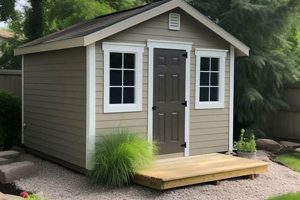
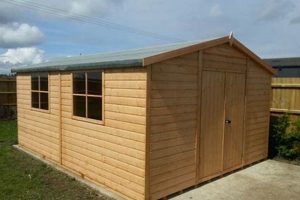
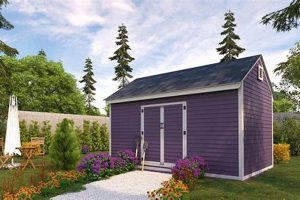
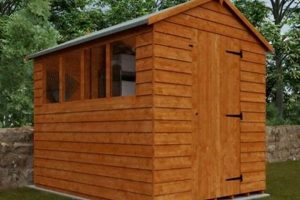
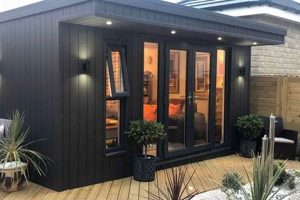
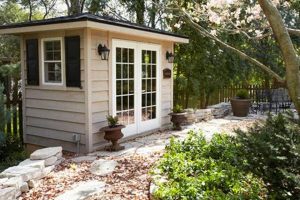
A combined structure offering both storage and plant cultivation capabilities is increasingly popular among gardening enthusiasts. Typically, one section provides secure space for tools, equipment, and supplies, while the adjoining area, constructed of transparent materials, fosters a controlled environment for nurturing seedlings, extending growing seasons, and cultivating temperature-sensitive plants. This dual-purpose setup caters to individuals seeking efficient use of limited outdoor space.
The value of integrating a storage area with a climate-controlled growing space stems from several advantages. It streamlines gardening activities by centralizing resources. Protection from adverse weather conditions, pest control, and extended cultivation periods are all enabled by the greenhouse section. Historically, such combined structures evolved from the desire to optimize gardening practices, particularly in regions with unpredictable climates, enhancing self-sufficiency and enjoyment of horticultural pursuits.
The subsequent discussion will address critical considerations when planning such a structure, including material selection, design variations, regulatory compliance, and essential features for both the storage and growing environments. This information aims to facilitate informed decisions for maximizing the benefits of a combined storage and growing solution.
Essential Considerations for Integrated Storage and Cultivation Structures
This section offers practical guidance for individuals contemplating the construction or purchase of a combined storage and plant cultivation structure. Adherence to these recommendations can improve functionality and longevity.
Tip 1: Site Selection is Paramount: Prioritize locations with adequate sunlight exposure for the growing section and proper drainage to prevent water accumulation around the foundation. Consider proximity to water and electricity sources for convenience.
Tip 2: Material Choice Influences Durability: Opt for weather-resistant materials for both the storage and greenhouse sections. Pressure-treated lumber, composite materials, and galvanized steel offer enhanced protection against rot, pests, and the elements. For the greenhouse glazing, consider polycarbonate panels for their durability and insulation properties.
Tip 3: Design Should Reflect Intended Use: Tailor the size and layout to accommodate specific storage needs and plant varieties. Ensure adequate ventilation and temperature control within the greenhouse component. Consider shelving, work surfaces, and pathways for efficient workflow.
Tip 4: Structural Integrity is Non-Negotiable: Obtain necessary building permits and adhere to local building codes. Ensure the foundation is level and stable. Reinforce the structure to withstand wind loads and snow accumulation, particularly in regions prone to severe weather.
Tip 5: Prioritize Ventilation and Climate Control: Install ventilation systems to regulate temperature and humidity within the greenhouse. Consider automated vents, fans, and shading systems to optimize growing conditions. Implement appropriate heating solutions for maintaining consistent temperatures during colder months.
Tip 6: Optimize Storage Layout: Design the storage area with organization in mind. Implement shelving, hooks, and designated spaces for tools, fertilizers, and other gardening supplies. Maintain clear pathways to prevent clutter and ensure safe access.
Tip 7: Integrate Water Management Systems: Collect rainwater for irrigation to conserve water and reduce reliance on municipal water supplies. Install drainage systems to prevent waterlogging and maintain optimal soil moisture levels within the greenhouse.
Strategic planning, proper material selection, and adherence to sound construction practices are essential for maximizing the utility and lifespan of an integrated storage and cultivation structure. These factors contribute to efficient resource management and optimized plant growth.
The concluding section will synthesize the information presented, offering a final perspective on the benefits and considerations associated with this type of structure.
1. Combined Functionality

Combined functionality, in the context of a garden shed with attached greenhouse, refers to the purposeful integration of two distinct yet complementary functions within a single structure. The primary function of the shed is to provide secure storage for gardening tools, equipment, and supplies, sheltering them from the elements and preventing theft. The adjacent greenhouse, conversely, offers a controlled environment conducive to plant propagation, cultivation, and overwintering. The connection between these functions lies in their synergistic relationship, whereby the shed supports the greenhouse and vice versa. A direct cause-and-effect relationship is evident; for example, the shed’s storage capacity ensures readily available tools for greenhouse maintenance, directly impacting the greenhouse’s operational efficiency. The importance of combined functionality as a core component is clear: without it, the user requires separate structures, increasing space requirements and potentially decreasing convenience. A real-life example illustrates this point: A homeowner with limited backyard space successfully manages a diverse range of plants, from seedlings to mature vegetables, due to the integrated structure. The practical significance is substantial, as it optimizes resource utilization, streamlines gardening activities, and maximizes productivity within confined spaces.
The deliberate design and arrangement of the combined structure further enhance its functionality. For instance, the shed section can be strategically positioned to provide partial shading for the greenhouse during peak sunlight hours, mitigating the risk of overheating. The shed roof can also be designed to collect rainwater, which can then be diverted to a storage tank for irrigating the greenhouse plants. Furthermore, the shed’s interior can be customized with shelving, workbenches, and potting stations, creating a dedicated space for preparing seeds, transplanting seedlings, and performing other essential gardening tasks. Consider a modular system: a basic storage shed with a pre-fabricated greenhouse extension. The user can expand or customize it, or adapt it for aquaponics by converting the shed’s storage for a fish tank, thereby creating a complete cycle of resources in a small space. This enhances functionality.
In summary, the concept of combined functionality is central to the value proposition of a garden shed with attached greenhouse. This design minimizes redundancy, maximizes space utilization, and fosters a more efficient and integrated approach to gardening. However, challenges can arise in balancing the specific requirements of each function. For example, the shed may require ventilation to prevent moisture buildup, while the greenhouse demands a tightly sealed environment to maintain optimal temperature and humidity. Overcoming such challenges requires careful planning and design, ultimately linking back to the core goal of maximizing the benefits of this multi-functional structure.
2. Spatial Optimization

Spatial optimization, within the context of a garden shed with an attached greenhouse, directly addresses the efficient utilization of available outdoor area. The integration of distinct functionsstorage and cultivationinto a single structure inherently seeks to minimize the footprint while maximizing usability, a critical consideration for many homeowners.
- Vertical Space Utilization
One facet of spatial optimization lies in leveraging vertical space. Within the shed, shelving systems, wall-mounted tool racks, and overhead storage solutions allow for the organization of gardening implements without encroaching on floor area. The greenhouse component benefits from tiered plant stands, hanging baskets, and vertical growing systems, maximizing plant density within the available sunlight zone. This approach mirrors strategies employed in urban agriculture, where limited land necessitates innovative cultivation techniques.
- Multifunctional Design Elements
Design elements can serve multiple purposes, enhancing spatial efficiency. A workbench in the shed, for example, can function as a potting station, a surface for repairing tools, or a temporary storage area. Similarly, the greenhouse glazing can incorporate adjustable shading mechanisms, regulating sunlight exposure while minimizing the need for separate shading structures. Such adaptability is observed in compact living spaces, where furniture often serves multiple roles.
- Layout and Access Efficiency
The arrangement of the shed and greenhouse components directly impacts workflow and accessibility. A well-planned layout ensures efficient movement between the storage area and the cultivation space, reducing unnecessary steps and optimizing task completion. Strategic placement of doors, pathways, and access points streamlines the gardening process. This mirrors principles of industrial design, where efficient layouts contribute to increased productivity.
- Maximizing Natural Resources
Spatial optimization also entails maximizing the use of natural resources within the available area. The orientation of the greenhouse can be optimized to capture sunlight throughout the day, reducing the need for artificial lighting. Rainwater harvesting systems can be integrated into the roof design, providing a sustainable source of irrigation water. These strategies reflect a broader trend towards sustainable landscaping practices.
By strategically employing vertical space, incorporating multifunctional design elements, optimizing layout efficiency, and maximizing natural resource utilization, a garden shed with an attached greenhouse effectively addresses spatial limitations. This integrated approach not only provides essential storage and cultivation capabilities but also promotes efficient use of available outdoor space, enhancing the overall functionality and value of the structure.
3. Environmental Control

Environmental control is a central determinant of plant health and productivity within a garden shed with an attached greenhouse. The ability to manipulate temperature, humidity, ventilation, and light directly influences the success of cultivation endeavors, extending growing seasons and fostering optimal plant development.
- Temperature Regulation
Maintaining optimal temperature ranges is critical for plant growth. Greenhouses are inherently susceptible to temperature fluctuations, particularly during peak sunlight hours and colder periods. Effective temperature control strategies involve ventilation systems, shading mechanisms, and heating solutions. For example, automated roof vents can release excess heat during the day, while thermostatically controlled heaters can maintain consistent temperatures overnight. Neglecting temperature regulation can lead to heat stress, stunted growth, or even plant death.
- Humidity Management
Humidity levels significantly impact transpiration rates and disease susceptibility. Excessive humidity can create an environment conducive to fungal diseases, while insufficient humidity can lead to dehydration. Humidity control strategies include ventilation, misting systems, and dehumidifiers. Proper air circulation is essential for preventing moisture buildup and promoting healthy plant growth. The balance between humidity and ventilation requires careful monitoring and adjustment based on plant needs and environmental conditions.
- Ventilation and Air Circulation
Adequate ventilation is crucial for regulating temperature, humidity, and carbon dioxide levels within the greenhouse. Natural ventilation, achieved through vents and openings, provides a cost-effective means of air exchange. Supplemental fans can enhance air circulation, preventing stagnant air pockets and promoting uniform temperature distribution. Insufficient ventilation can lead to elevated temperatures, increased humidity, and depleted carbon dioxide levels, hindering plant growth.
- Light Optimization
Light intensity and duration directly impact photosynthesis rates. While natural sunlight is the primary source of light, supplemental lighting may be necessary during periods of low light intensity or short day lengths. Shading mechanisms, such as shade cloth or whitewash, can reduce excessive sunlight exposure during peak hours. Optimizing light conditions is essential for maximizing plant growth and yield. Tailoring light management strategies to specific plant requirements can significantly enhance cultivation outcomes.
These facets of environmental control are interconnected and essential for creating a stable and productive growing environment within a garden shed with an attached greenhouse. Consistent monitoring and proactive adjustments are necessary to maintain optimal conditions, ensuring healthy plant growth and maximizing horticultural success. The specific requirements for environmental control will vary depending on the plant species being cultivated and the prevailing climate conditions.
4. Material Selection

The choice of materials for a garden shed with an attached greenhouse profoundly impacts its longevity, functionality, and environmental control capabilities. Material selection is not merely a cosmetic consideration; it fundamentally influences the structure’s ability to withstand environmental stressors, maintain a stable internal climate, and provide a secure storage space. For example, using untreated lumber in a damp climate will inevitably lead to rot and structural failure, necessitating costly repairs or replacement. Conversely, employing durable, weather-resistant materials significantly extends the structure’s lifespan, reducing maintenance requirements and ensuring long-term value. The material’s thermal properties directly affect the greenhouse’s ability to retain heat during cooler periods and dissipate heat during warmer months, impacting plant growth and energy consumption. Consider a case where a gardener used polycarbonate panels for the greenhouse section. The panels provided excellent insulation and diffused light, creating an ideal environment for seed starting. The shed section was constructed with reclaimed wood, reducing waste and providing a rustic aesthetic. The significance of material selection lies in its direct influence on the overall performance and sustainability of the combined structure.
Further analysis reveals that the selection process involves balancing various factors, including cost, durability, aesthetic preferences, and environmental considerations. While premium materials such as cedar and high-grade steel offer superior performance, their higher cost may be prohibitive for some budgets. More affordable alternatives, such as pressure-treated lumber and recycled plastics, can provide adequate performance if properly maintained. The choice of glazing material for the greenhouse section is particularly critical. Glass offers excellent light transmission but is prone to breakage, while polycarbonate is more durable but may have lower light transmission. Double-walled polycarbonate provides superior insulation, reducing energy costs associated with heating and cooling the greenhouse. A practical application involves customizing material choices based on specific climate conditions. In regions with heavy snowfall, the roof structure must be constructed with materials capable of withstanding significant loads. In coastal areas, corrosion-resistant materials are essential for preventing rust and deterioration.
In conclusion, material selection is a foundational aspect of designing and constructing a garden shed with an attached greenhouse. A thoughtful approach, considering factors such as durability, thermal properties, cost, and environmental impact, is essential for maximizing the structure’s lifespan, optimizing its functionality, and creating a sustainable gardening environment. Ignoring the implications of material choice can lead to premature failure, increased maintenance costs, and suboptimal plant growth. Therefore, careful consideration of material options is paramount for achieving a successful and enduring combined structure.
5. Structural Integrity

Structural integrity is paramount for any garden shed with an attached greenhouse, serving as the foundational element that ensures safety, durability, and long-term functionality. The interconnected nature of the two structures necessitates a unified approach to structural design, where each component contributes to the overall stability. Compromised structural integrity presents significant risks, including collapse under wind or snow loads, material degradation due to moisture infiltration, and instability caused by uneven ground settlement. A direct cause-and-effect relationship exists between robust structural design and the ability of the structure to withstand environmental stressors. Its importance stems from the need to protect both the contents of the shed and the plants within the greenhouse, representing a considerable investment for many homeowners. Consider a scenario where a poorly constructed combined structure collapses during a severe storm, resulting in loss of tools, equipment, and valuable plants. The practical significance of understanding structural principles translates to tangible benefits, including reduced maintenance costs, prolonged lifespan, and enhanced safety.
Further analysis reveals that the structural design must account for several factors, including soil conditions, climate conditions, and the weight of the materials used in construction. Foundation design is critical, ensuring a stable base that prevents settling and shifting. Framing materials must be adequately sized and properly connected to resist wind and snow loads. The greenhouse section requires particular attention, as the glazing materials can add significant weight, and the structure must be designed to withstand wind pressure on large surface areas. A real-world example illustrates this point: In regions prone to hurricanes, garden sheds with attached greenhouses must be engineered to meet stringent wind-resistance standards, incorporating reinforced framing and impact-resistant glazing. Practical applications involve adhering to local building codes, obtaining necessary permits, and consulting with qualified structural engineers to ensure proper design and construction.
In conclusion, structural integrity is not merely an abstract concept; it is a fundamental requirement for a safe, durable, and functional garden shed with an attached greenhouse. A comprehensive understanding of structural principles, coupled with adherence to sound construction practices, is essential for maximizing the investment and ensuring long-term satisfaction. Ignoring structural considerations can lead to catastrophic failures, undermining the intended purpose of the combined structure and posing significant safety risks. Therefore, prioritizing structural integrity is paramount for any individual contemplating the construction or purchase of such a structure, ensuring it can withstand environmental challenges and provide a reliable space for gardening activities for years to come.
6. Regulatory Compliance

Regulatory compliance is an indispensable component of constructing or installing a garden shed with an attached greenhouse. Failure to adhere to local zoning regulations, building codes, and environmental ordinances can result in fines, construction delays, or even the forced removal of the structure. A direct cause-and-effect relationship exists: non-compliance initiates enforcement actions, whereas adherence ensures legal operation. The importance of regulatory compliance stems from its role in protecting public safety, preserving neighborhood aesthetics, and preventing environmental harm. A real-life example illustrates this point: a homeowner who constructs a combined structure exceeding permitted height restrictions may face legal action, highlighting the practical significance of understanding and adhering to applicable regulations.
Further analysis reveals that regulatory requirements vary significantly depending on location. Zoning ordinances may dictate permissible structure size, setback distances from property lines, and allowable uses. Building codes specify construction standards for structural integrity, electrical wiring, and plumbing, ensuring safety and preventing hazards. Environmental regulations may restrict the use of certain materials or mandate specific drainage solutions to prevent water runoff. A practical application involves consulting with local planning and building departments prior to commencing any construction activity, obtaining necessary permits, and scheduling inspections to verify compliance. Ignoring these steps can lead to costly rework and legal entanglements. Another practical application is thoroughly researching Homeowner Association rules before installation.
In conclusion, regulatory compliance is not merely a procedural formality; it is a fundamental obligation that ensures the responsible and lawful construction of a garden shed with an attached greenhouse. A proactive approach, characterized by thorough research, diligent adherence to regulations, and open communication with local authorities, is essential for avoiding legal complications and ensuring the long-term viability of the structure. Challenges can arise from the complexity and ambiguity of regulations; however, seeking expert guidance and prioritizing compliance are crucial for navigating these complexities and achieving a successful outcome.
7. Resource Efficiency
Resource efficiency, in the context of a garden shed with an attached greenhouse, encompasses the strategic minimization of inputs and waste while maximizing outputs. This concept is not merely an economic consideration but rather an encompassing philosophy that promotes sustainability and responsible resource management within a controlled horticultural environment.
- Water Conservation Techniques
Water conservation is a crucial element of resource efficiency within such a structure. Rainwater harvesting, collected from the shed and greenhouse roofs, provides a sustainable irrigation source, reducing reliance on municipal water supplies. Drip irrigation systems deliver water directly to plant roots, minimizing water loss through evaporation and runoff. Soil moisture sensors automate irrigation based on plant needs, preventing overwatering and conserving water. This approach mirrors water management practices in arid regions, where resource scarcity necessitates innovative solutions. Consider the economic impact of reducing water consumption for a commercial grower.
- Energy Optimization Strategies
Energy optimization focuses on minimizing energy consumption for heating, cooling, and lighting within the greenhouse. Passive solar design, utilizing the sun’s energy for heating, reduces reliance on fossil fuels. Insulation of the greenhouse structure minimizes heat loss during colder months. LED lighting, which is more energy-efficient than traditional lighting, provides supplemental light for plant growth. Renewable energy sources, such as solar panels, can power the greenhouse, further reducing energy costs and environmental impact. The implementation of smart climate control systems ensures precise environmental regulation, and this is directly related to the overall energy efficiency.
- Waste Reduction and Composting
Waste reduction involves minimizing waste generation and maximizing the reuse of materials. Composting organic waste, such as plant trimmings and food scraps, creates a nutrient-rich soil amendment, reducing the need for synthetic fertilizers. Recycling containers and other materials minimizes landfill waste. Utilizing biodegradable pots and seed trays reduces plastic waste. This mirrors circular economy principles, where waste is viewed as a resource rather than a liability. The result is a closed-loop system that minimizes environmental impact.
- Optimized Material Utilization
Optimized material utilization focuses on selecting durable, long-lasting materials and minimizing material waste during construction and maintenance. Using reclaimed or recycled materials reduces the demand for virgin resources. Designing the structure for modularity and adaptability allows for future modifications and expansions without requiring extensive material replacements. Proper maintenance and repair extend the lifespan of the structure, reducing the need for new materials. This approach reflects sustainable building practices, where material efficiency is prioritized.
These facets of resource efficiency are interconnected and mutually reinforcing. Implementing water conservation techniques reduces energy consumption associated with water pumping and treatment. Composting organic waste reduces the need for synthetic fertilizers, minimizing the environmental impact of fertilizer production and application. Optimizing material utilization reduces waste generation and conserves natural resources. By adopting a holistic approach to resource management, a garden shed with an attached greenhouse can become a model of sustainability, demonstrating the potential for responsible resource utilization in a controlled horticultural environment.
Frequently Asked Questions
The following addresses common inquiries regarding combined storage and cultivation structures, offering clarity on design, functionality, and practical considerations.
Question 1: What are the primary advantages of integrating a storage shed with a greenhouse?
The principal benefits include optimized space utilization, centralized gardening resources, extended growing seasons, and protection from adverse weather conditions. The configuration streamlines gardening activities and promotes efficient resource management.
Question 2: Are specialized building permits required for a combined structure?
Permitting requirements vary depending on local zoning regulations and building codes. Consultation with local planning and building departments is essential to determine specific requirements pertaining to size, setback distances, and construction standards.
Question 3: What materials are recommended for constructing a durable and weather-resistant combined structure?
Recommended materials include pressure-treated lumber, composite materials, galvanized steel for the shed portion, and polycarbonate panels for the greenhouse glazing. Selection should prioritize resistance to rot, pests, corrosion, and the elements.
Question 4: How can temperature and humidity be effectively controlled within the greenhouse component?
Effective control measures encompass ventilation systems, automated vents, shading mechanisms, and heating solutions. These elements regulate temperature, humidity, and air circulation, creating an optimal environment for plant growth.
Question 5: What are the key considerations for maximizing storage efficiency within the shed component?
Optimal storage solutions involve shelving systems, wall-mounted tool racks, and designated spaces for tools, fertilizers, and other gardening supplies. The design should prioritize organization, accessibility, and safety.
Question 6: How can water conservation be integrated into the design of a combined structure?
Water conservation strategies include rainwater harvesting, drip irrigation systems, and soil moisture sensors. These elements minimize water waste and promote sustainable resource utilization.
Understanding these key aspects is essential for planning and implementing a successful combined storage and cultivation structure, maximizing its utility and ensuring long-term benefits.
The subsequent discussion will delve into specific case studies illustrating the practical application of these principles.
Concluding Remarks
This exploration of the garden shed with attached greenhouse has elucidated its multifaceted nature. The discussion addressed essential considerations ranging from material selection and structural integrity to environmental control and regulatory compliance. The convergence of storage and cultivation demands meticulous planning and diligent execution to realize the full potential of this integrated structure.
The garden shed with attached greenhouse presents a compelling solution for those seeking to optimize space, extend growing seasons, and enhance horticultural endeavors. Careful consideration of the factors outlined herein will contribute to the creation of a durable, functional, and sustainable asset that yields both practical and aesthetic rewards for years to come. Further research into specific regional adaptations and innovative design approaches will undoubtedly continue to refine the possibilities inherent in this combined structure.