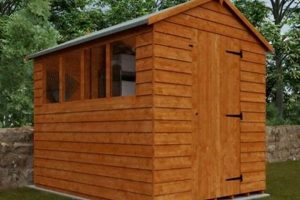
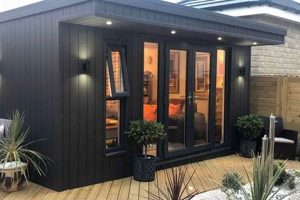
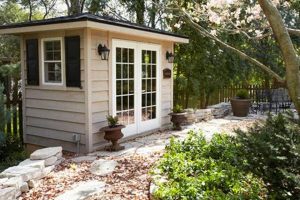
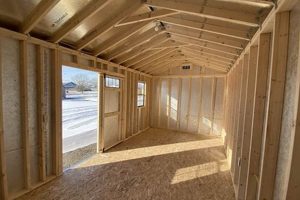
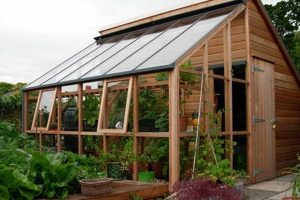
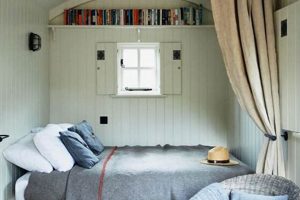
The variety in outdoor storage structures reflects diverse needs and aesthetic preferences. These constructions, typically placed in gardens or backyards, serve to house tools, equipment, and sometimes offer a dedicated workspace. Their design spans from basic functional units to elaborate structures that complement the surrounding landscape.
Selection of an appropriate outdoor storage solution can significantly improve garden organization and protect valuable equipment from the elements. Historically, these outbuildings were primarily utilitarian, but modern designs prioritize both functionality and visual appeal, enhancing property value and creating an inviting outdoor environment. They provide secure storage, preventing theft and damage.
The following discussion will explore the diverse range of options available, categorized by material, roof design, and overall architectural form, to provide a comprehensive guide for selecting the optimal structure to meet specific requirements.
Guidance on Selecting Outdoor Storage Structures
Careful consideration is required when choosing an outdoor storage structure to ensure it meets both functional needs and aesthetic preferences. Prioritizing factors such as material durability, space requirements, and budget is essential.
Tip 1: Evaluate Storage Needs: Before exploring options, determine the specific items to be stored. This assessment will dictate the required dimensions and interior layout of the structure.
Tip 2: Consider Material Durability: The choice of material, such as wood, metal, or plastic, should be based on local climate conditions and maintenance requirements. Wood offers aesthetic appeal but requires regular treatment; metal is durable but may be susceptible to rust; plastic is low-maintenance but may lack the robustness of other materials.
Tip 3: Assess Site Location: Consider the available space and accessibility when selecting a location. Ensure the ground is level and properly prepared to prevent structural issues over time.
Tip 4: Examine Roofing Options: The roof design impacts water runoff and overall structural integrity. Gable roofs offer efficient water drainage, while skillion roofs are simpler and more cost-effective. Consider the local rainfall patterns when making this decision.
Tip 5: Explore Door Styles: Single doors are suitable for smaller structures, while double doors provide easier access for larger items. Consider the width and height of the doorway to accommodate equipment.
Tip 6: Investigate Foundation Options: Concrete slabs provide a stable and durable foundation, while gravel bases offer better drainage. The choice depends on the size and intended use of the structure.
Tip 7: Review Local Regulations: Before installation, verify local zoning regulations and building codes to ensure compliance and avoid potential fines or removal orders.
Selecting an appropriate outdoor storage structure involves a comprehensive assessment of needs, materials, location, and local regulations. Careful planning will ensure the chosen structure provides effective and lasting storage solutions.
The following sections will delve into specific options for further exploration and informed decision-making.
1. Material Composition

Material composition significantly dictates the performance, longevity, and aesthetic character of outdoor storage structures. The selection of materials directly influences a structure’s resistance to environmental stressors, maintenance requirements, and overall visual integration within a garden setting. For instance, a wooden structure, particularly one constructed from cedar or redwood, provides natural resistance to decay and insect infestation, thereby extending its lifespan. However, wood requires periodic treatments such as staining or sealing to prevent weathering and maintain its structural integrity. In contrast, metal structures, often fabricated from galvanized steel or aluminum, offer inherent resistance to rot and insect damage but may be susceptible to corrosion, especially in coastal environments or areas with high humidity. Protective coatings or powder-coating processes are frequently employed to mitigate this risk.
The choice of material also affects the construction process and the potential for customization. Wood allows for relatively straightforward assembly and modification, enabling tailored designs and adaptations to specific storage needs. Metal structures, while generally more durable, may require specialized tools and expertise for assembly and alterations. Plastic or resin structures present a lightweight and low-maintenance option, but their structural strength and aesthetic appeal may be limited compared to wood or metal. Real-world examples illustrate these considerations: a traditional potting structure might utilize reclaimed wood for a rustic aesthetic, while a modern storage unit might incorporate steel for its clean lines and weather resistance.
In summary, the material composition of an outdoor storage structure is a critical factor determining its performance and suitability for a particular application. Understanding the properties, advantages, and limitations of various materials is essential for making informed decisions that balance durability, aesthetics, and maintenance requirements. The selection process involves carefully weighing the environmental conditions, intended use, and desired visual outcome to ensure a long-lasting and functional structure.
2. Roof Configuration

Roof configuration is a critical determinant in defining various structure styles. The roof not only provides essential protection from the elements but also significantly influences the structural integrity, aesthetic appeal, and practical functionality of the unit. For instance, a gable roof, characterized by its two sloping sides that meet at a ridge, offers superior water runoff and increased attic space, making it suitable for regions with heavy rainfall. Conversely, a skillion roof, with its single sloping surface, provides a simpler and often more cost-effective option, albeit with reduced interior volume. The selection of roof style directly impacts water drainage effectiveness, structural stability under snow load, and the overall architectural aesthetic of the outdoor building. An inappropriate roof style selection can lead to water damage, structural failure, and an aesthetically displeasing result. A common example is the use of a flat or low-sloped roof in a high-precipitation area, which can result in water pooling, leakage, and premature roof deterioration.
The choice of roof configuration further influences the interior environment. A gable roof, with its higher pitch, allows for better ventilation and natural light, reducing moisture buildup and creating a more comfortable interior space. Conversely, a flat roof may require additional insulation to regulate temperature and prevent condensation. Consider the practical application: An individual using the structure as a potting area or workshop would benefit from the enhanced ventilation and natural light afforded by a gable roof, while someone primarily using the building for simple storage might prioritize the cost savings of a skillion roof. The architectural style of the main residence often dictates the roof style of the auxiliary structure to maintain a cohesive aesthetic. A Victorian-era home might pair well with an outdoor structure featuring a steeply pitched gable roof with decorative trim, whereas a modern home may be complemented by a unit with a sleek, flat, or slightly sloping roof.
In summary, roof configuration is an integral component of structure styles, affecting both functional performance and aesthetic integration. The optimal choice depends on regional climate conditions, intended usage, budget constraints, and the desired architectural harmony with the surrounding environment. Challenges arise when aesthetic preferences conflict with practical requirements, necessitating careful evaluation and compromise. Understanding the interplay between roof configuration and overall building design is essential for selecting a structure that provides long-lasting protection, functionality, and visual appeal.
3. Size and Dimension

The size and dimension of a garden outbuilding are intrinsically linked to its style, fundamentally shaping its utility and aesthetic integration within a landscape. The intended purpose directly dictates spatial requirements, influencing not only the footprint but also the internal organization. A compact structure intended solely for tool storage will naturally differ vastly from a larger unit designed to accommodate a potting bench, workspace, or even serve as a small greenhouse. The chosen dimensions consequently dictate the architectural style that can be effectively employed. A sprawling structure may lend itself to a more elaborate design, incorporating features such as multiple windows, dormers, or a covered porch, while a smaller unit necessitates a more streamlined and functional approach. Consider a scenario where limited backyard space necessitates a narrow, vertical design; this restriction will invariably favor a simpler, more utilitarian style, foregoing elaborate ornamentation in favor of maximizing storage capacity within the available footprint. Conversely, a larger property may accommodate a more expansive outbuilding, allowing for a design that echoes the architectural style of the main residence, thereby contributing to a cohesive and aesthetically pleasing landscape.
The impact of size and dimension extends beyond mere aesthetics, significantly influencing the practicality and usability of the structure. The internal dimensions determine the ease with which items can be stored and accessed, as well as the comfort of any workspace incorporated within. Adequate height is crucial for accommodating tall tools and equipment, while sufficient floor space is necessary for maneuvering and working effectively. Furthermore, the dimensions must consider accessibility for larger items, such as lawnmowers or wheelbarrows, potentially necessitating wider doors or ramps. Real-world examples highlight the practical significance of this consideration. A structure with insufficient door width will render it unsuitable for storing bulky equipment, while inadequate interior height will limit the range of tasks that can be comfortably performed within. Therefore, a thorough assessment of storage needs and intended usage is paramount in determining the optimal size and dimensions, ensuring that the structure is not only aesthetically pleasing but also functionally effective.
In summary, size and dimension are not merely quantifiable attributes but rather integral components that profoundly influence style, utility, and integration. The interplay between spatial requirements, intended usage, and aesthetic preferences necessitates a careful and considered approach to ensure the selection of a structure that is both visually harmonious and functionally effective. Challenges often arise when attempting to reconcile limited space with expansive storage needs, requiring creative design solutions that maximize utility within the available footprint. Understanding the significance of size and dimension within the broader context of outbuilding styles is essential for making informed decisions that result in a functional, aesthetically pleasing, and long-lasting addition to any landscape.
4. Door Placement
Door placement within garden outbuildings profoundly influences accessibility, functionality, and the overall design aesthetic. Thoughtful consideration of door positioning is essential to optimize usability and integrate the structure harmoniously within its surrounding environment.
- Accessibility and Functionality
Door location directly impacts the ease of moving items in and out. Centrally positioned doors offer balanced access, suitable for general storage. Doors placed at the gable end of a structure maximize wall space on the long sides, facilitating efficient internal organization. The choice hinges on the primary storage needs and layout preferences.
- Spatial Optimization
Door placement dictates the effective use of interior space. Corner doors can be strategically employed in smaller structures to mitigate obstruction of internal areas, allowing for maximized storage along walls. In larger structures, multiple doors may be necessary to provide access to different zones within the building, enhancing workflow and preventing congestion.
- Aesthetic Integration
Door location contributes significantly to the visual appeal of the outbuilding. Symmetry in door placement can create a formal, balanced aesthetic, particularly when aligned with other architectural elements such as windows. Asymmetrical door placement can lend a more informal, rustic character. The choice must complement the overall architectural style of the structure and its surroundings.
- Safety and Security
Strategically positioning the door can enhance safety and security. Doors facing away from direct view from the main residence may increase vulnerability to theft. Conversely, a door positioned for clear visibility can act as a deterrent. The orientation should consider security implications and incorporate appropriate locking mechanisms.
Ultimately, door placement within various structure styles is a critical design element impacting functionality, space utilization, aesthetics, and security. Careful evaluation of these factors is essential to achieve optimal utility and visual harmony within the garden landscape. The placement should align with the intended use and architectural style, ensuring a practical and aesthetically pleasing addition to the property.
5. Window Inclusion

Window inclusion in garden structures fundamentally alters their utility and aesthetic character. The presence, size, and placement of windows are critical determinants of the structure’s functionality, influencing interior illumination, ventilation, and visual integration with the surrounding landscape. The absence of windows typically relegates a structure to simple storage, while the strategic incorporation of windows transforms it into a multi-functional space suitable for potting, hobbies, or even a small workshop. The style of the outbuilding is therefore directly influenced by the planned window design. For instance, a traditional potting structure may feature numerous small, multi-paned windows to maximize natural light and create a greenhouse-like environment, while a modern storage unit might incorporate a single, large window to offer a clean, minimalist aesthetic. A practical example is seen in older construction where limited artificial lighting necessitated larger windows to facilitate daytime activities; modern designs, with readily available electrical power, can utilize smaller windows primarily for aesthetic effect.
The impact of window inclusion extends beyond mere aesthetics and functionality. It directly affects the interior environment, influencing temperature, humidity, and air quality. Windows provide essential ventilation, reducing the risk of mold and mildew growth, particularly in humid climates. They also allow for passive solar heating, which can be beneficial in cooler regions. However, improper window placement can also lead to excessive heat gain in the summer months, necessitating shading devices or ventilation strategies to maintain a comfortable interior environment. Window selection also impacts security; larger windows or poorly secured windows can increase vulnerability to theft, requiring careful consideration of glazing materials and locking mechanisms. Furthermore, the choice of window stylesuch as casement, awning, or fixedinfluences functionality and aesthetic compatibility with the overall structure. A casement window, for example, provides excellent ventilation but may obstruct exterior pathways when open, while a fixed window offers natural light without compromising security or accessibility. The selection of appropriate window styles can also enhance energy efficiency. Double-paned or low-E windows provide superior insulation, reducing heat loss in the winter and heat gain in the summer, thereby lowering energy costs if the structure is heated or cooled.
In summary, window inclusion is a pivotal design consideration that shapes the functionality, aesthetics, and environmental performance of garden outbuildings. The strategic use of windows can transform a simple storage space into a versatile and inviting environment. The style selection must consider factors such as intended usage, climate conditions, security concerns, and energy efficiency. Challenges often arise when balancing the desire for natural light and ventilation with the need for privacy and security, requiring careful planning and execution. Understanding the interplay between window inclusion and overall structure styles is essential for creating functional and visually appealing garden buildings.
6. Architectural Design
Architectural design provides the framework for translating functional needs and aesthetic preferences into tangible structures, significantly influencing garden buildings. Architectural styles dictate the form, materials, and detailing, integrating the structures harmoniously within their surrounding landscape. This design approach dictates the utility and visual characteristics of garden storage solutions.
- Historical Influences
Prevailing architectural movements throughout history exert a direct influence on garden building styles. Victorian structures often incorporate elaborate ornamentation, steeply pitched roofs, and decorative trim. In contrast, mid-century modern structures emphasize clean lines, minimalist forms, and functional design. These historical influences shape the aesthetic character, materials and building techniques that defines a structure.
- Regional Styles
Regional variations in architectural design reflect local climate conditions, available materials, and cultural traditions. Coastal regions may favor structures constructed from durable, weather-resistant materials with elevated foundations to mitigate flood risks. Conversely, arid regions may prioritize designs that maximize shade and minimize water consumption. These regional adaptations result in diverse structural styles.
- Material Palette
The selection of building materials is integral to architectural design, influencing both the visual appearance and performance characteristics of the structure. Natural materials such as wood and stone impart a rustic, organic aesthetic, while manufactured materials such as metal and concrete convey a more modern, industrial feel. The material palette directly affects durability, maintenance requirements, and overall sustainability.
- Form and Proportion
The overall form and proportion of a garden building contribute significantly to its architectural style and visual harmony. Symmetrical designs create a sense of balance and formality, while asymmetrical designs offer a more dynamic, informal aesthetic. The proportions must align with the scale of the surrounding landscape and the architectural style of the main residence to achieve a cohesive design.
Architectural design provides the fundamental principles that define the diverse array of garden structure styles, ranging from utilitarian storage solutions to aesthetically integrated landscape features. Considering these architectural elements enables informed decisions that result in functional and visually harmonious outdoor buildings.
Frequently Asked Questions
The subsequent questions address common inquiries and misconceptions concerning the selection, maintenance, and regulatory considerations associated with various garden structure styles.
Question 1: What factors influence the longevity of different structures styles?
The primary factors impacting structural longevity include material composition, construction quality, and environmental exposure. Wooden structures necessitate regular maintenance to prevent rot and insect damage, while metal structures require protection against corrosion. Climate-specific designs can significantly prolong lifespan.
Question 2: Are there specific regulatory requirements governing structure construction?
Local zoning regulations and building codes frequently dictate permissible structure sizes, setbacks, and foundation requirements. Failure to comply with these regulations can result in fines or mandatory removal. Consultation with local authorities is imperative prior to construction.
Question 3: How can the interior of an existing structure be modified to enhance functionality?
Interior modifications may include the addition of shelving, workbenches, or specialized storage systems to optimize space utilization and organization. Electrical wiring and lighting installations may require professional expertise and adherence to electrical codes.
Question 4: What are the relative advantages and disadvantages of prefabricated versus custom-built structures?
Prefabricated structures offer cost-effectiveness and ease of installation, but may lack customization options. Custom-built structures provide tailored designs but typically involve higher costs and longer construction times. The optimal choice depends on budgetary constraints and specific design requirements.
Question 5: How can energy efficiency be improved in climate-controlled structures?
Energy efficiency measures include insulation installation, weather stripping, and the use of energy-efficient windows and doors. Proper ventilation and shading devices can minimize heat gain in warmer climates. The application of these measures can reduce energy consumption and operating costs.
Question 6: What are the recommended practices for preventing pest infestations in and around structures?
Preventive measures include sealing cracks and crevices, removing debris and vegetation from the perimeter, and implementing pest control strategies such as traps or professional extermination services. Regular inspections can identify and address potential infestations early.
In summary, a thorough understanding of structural characteristics, regulatory compliance, and maintenance practices is crucial for maximizing the utility and longevity of garden structures. Careful planning and execution are essential for achieving optimal outcomes.
The following section will provide guidance on selecting materials based on specific environmental conditions and budgetary constraints.
Conclusion
The preceding discussion explored the diverse considerations inherent in selecting appropriate storage structures. Material composition, roof configuration, size and dimension, door placement, window inclusion, and architectural design are all critical elements influencing the functionality and aesthetic integration of such units. Careful evaluation of these factors is paramount to ensuring the selected structure meets specific storage requirements and complements the surrounding landscape.
The decision to invest in a particular type of structure represents a long-term commitment. Therefore, a thorough understanding of the available options and their associated advantages and disadvantages is essential. Further research and consultation with experts are encouraged to optimize the selection process and ensure a lasting, functional, and aesthetically pleasing addition to any property.