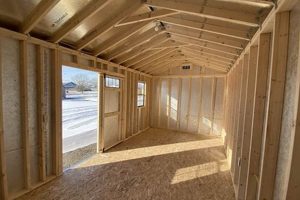
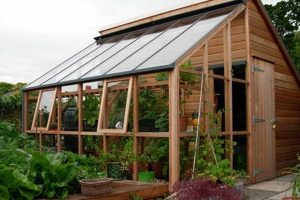
Illumination solutions for outbuildings dedicated to horticultural activities are essential for safe and effective use during periods of limited natural light. These solutions encompass a range of technologies and design considerations aimed at providing adequate visibility within the structure. For example, a small potting shed might utilize a single, battery-powered LED lamp, while a larger workshop-style shed may require multiple hard-wired fixtures and task lighting.
Appropriate illumination extends the usability of the storage or work space into the evening hours or during inclement weather, increasing productivity and minimizing the risk of accidents. Historically, shed illumination relied on natural light supplemented by kerosene lamps or rudimentary electrical systems. Modern approaches leverage advancements in lighting technology, prioritizing energy efficiency, safety, and adaptability to various usage scenarios.
The selection and implementation of an appropriate system depend on factors such as shed size, power availability, intended use, and budget. Key considerations include understanding different lighting types, evaluating power source options, addressing safety protocols, and exploring aesthetic choices to complement the shed’s design and function. These elements will be discussed in detail to provide a framework for creating an optimized and functional illuminated space.
Illumination Optimization Strategies for Garden Structures
The following guidelines offer practical advice for establishing effective and safe illumination within garden outbuildings. Consideration of these factors will contribute to a functional and secure environment.
Tip 1: Prioritize Safety Through Adherence to Electrical Codes: All wiring and electrical work must conform to local building codes and safety regulations. Engage a qualified electrician for installations involving mains power to mitigate risks of fire or electrocution.
Tip 2: Evaluate Lumens, Not Just Wattage: Assess light output based on lumens, which quantify brightness, rather than wattage, which indicates power consumption. Select fixtures with sufficient lumens to adequately illuminate the workspace.
Tip 3: Employ Task Lighting for Focused Illumination: Supplement ambient lighting with task-specific lamps or spotlights for areas requiring detailed work. Adjustable lamps offer versatility for various activities.
Tip 4: Consider Light Color Temperature: Opt for cooler color temperatures (4000K-5000K) for tasks requiring precision and alertness. Warmer temperatures (2700K-3000K) are suitable for more relaxed environments.
Tip 5: Utilize Weather-Resistant Fixtures: Select lighting fixtures rated for outdoor or damp environments to withstand humidity, condensation, and potential water exposure within the shed.
Tip 6: Explore Solar-Powered Options: Investigate solar-powered lighting solutions for sheds lacking access to mains electricity. Ensure adequate solar panel capacity for reliable operation, particularly during periods of low sunlight.
Tip 7: Implement Motion Sensors for Security and Energy Savings: Install motion-activated lights to deter unauthorized access and conserve energy by only illuminating the space when activity is detected.
Implementing these strategies will ensure adequate, safe, and efficient illumination within the garden outbuilding, enhancing its functionality and security.
The subsequent section will address the integration of these illumination strategies with overall shed design and aesthetics.
1. Brightness requirements

Illumination levels within a garden outbuilding are not arbitrary; they are functionally linked to the activities performed within the space. Insufficient illumination can lead to eye strain, reduced productivity, and increased risk of accidents. Determining the correct brightness level is therefore a critical aspect of any outbuilding illumination strategy.
- Task-Specific Illumination Levels
The required brightness varies significantly based on the tasks performed. General storage requires lower light levels, while detailed work, such as potting seedlings or repairing tools, demands higher illumination. Light levels are measured in lux, and recommendations exist for various activities, providing a quantitative basis for planning. Ignoring these recommendations can lead to inefficient or unsafe workspaces.
- Impact of Shed Size and Layout
The physical dimensions and internal layout of the outbuilding directly influence the number and placement of light fixtures required to achieve uniform brightness. Larger sheds require more light fixtures or fixtures with higher lumen output. Shelving and other obstructions can create shadows, necessitating additional or strategically positioned lighting to compensate. A poorly planned layout exacerbates illumination challenges.
- Natural Light Integration
Maximizing natural light through windows or skylights can reduce the need for artificial illumination. However, natural light is variable and may be insufficient during certain times of day or year. A well-designed illumination system should integrate natural light with artificial lighting, supplementing natural light when necessary. Over-reliance on natural light can result in periods of inadequate illumination.
- Fixture Selection and Placement
The choice of light fixtures and their placement are crucial for achieving the desired brightness level. Different types of fixtures, such as LED panels, fluorescent tubes, or spotlights, offer varying levels of brightness and light distribution. Proper placement ensures that light is directed where it is needed most, minimizing glare and shadows. Inappropriate fixture selection or placement can negate the benefits of high-lumen output.
Considering these facets allows for the creation of an outbuilding illumination system that is both functional and efficient. Prioritizing brightness requirements ensures that the space is adequately lit for its intended purpose, enhancing safety and productivity. Furthermore, the effective utilization of natural light, along with appropriate fixture selection and placement, contributes to an energy-efficient and aesthetically pleasing environment. Ultimately, the process begins with prioritizing brightness requirements.
2. Power source options

The selection of power sources is a foundational decision in developing effective “garden shed lighting ideas.” The availability of a reliable power supply dictates the feasibility and implementation of various lighting solutions. The presence or absence of mains electricity serves as the primary determinant, influencing the complexity and cost of the illumination system. For instance, direct connection to the mains grid permits the use of conventional, high-output lighting fixtures but necessitates professional electrical installation to ensure code compliance and safety. Conversely, sheds located far from the mains grid or where trenching is impractical necessitate alternative power sources.
These alternative power sources include solar photovoltaic (PV) systems and battery-powered solutions. Solar PV systems convert sunlight into electricity, storing energy in batteries for nighttime or low-light operation. While offering energy independence and reduced operating costs, these systems require careful sizing to match power consumption patterns and sufficient solar exposure for reliable charging. Battery-powered options, such as portable LED lamps or string lights, provide a simpler, albeit less sustainable, alternative. The capacity and lifespan of the batteries must be considered, and regular replacements are often necessary. A practical example involves a remote potting shed employing a small solar panel to power an LED task light, supplementing natural light during overcast days. Another case sees a detached workshop using mains power for high-intensity lighting to support power tool operation, necessitating stringent safety measures.
In summary, the interplay between available power sources and desired illumination levels shapes the approach to outbuilding lighting. Selection of an appropriate power source demands assessment of logistical constraints, budgetary considerations, and environmental impact. Properly aligning the power source with the intended usage ensures functional, safe, and sustainable illumination, thereby extending the utility and usability of the garden outbuilding.
3. Safety compliance

Adherence to established safety standards is paramount when implementing illumination solutions in garden outbuildings. Electrical systems within such structures, often exposed to moisture and varying environmental conditions, present inherent risks if not installed and maintained according to relevant regulations. Strict compliance minimizes the potential for electrical hazards, ensuring the well-being of users and safeguarding the structural integrity of the building.
- Adherence to Electrical Codes
Compliance with national and local electrical codes, such as the National Electrical Code (NEC) in the United States or equivalent standards in other regions, is non-negotiable. These codes dictate wiring methods, grounding requirements, overcurrent protection, and the use of appropriate materials. For example, the NEC specifies the use of ground fault circuit interrupters (GFCIs) in damp locations to prevent electric shock. Failure to adhere to these codes can result in fines, insurance complications, and, more importantly, increased risk of electrical fires or electrocution.
- Use of Weatherproof Fixtures and Wiring
Outbuildings are typically subject to higher levels of humidity and potential water ingress compared to interior spaces. Therefore, the selection of lighting fixtures and wiring must prioritize weatherproof ratings. Fixtures rated for damp or wet locations, indicated by IP (Ingress Protection) ratings, provide protection against moisture and corrosion. Similarly, wiring suitable for outdoor use, such as UF (Underground Feeder) cable, resists degradation from environmental exposure. Using standard indoor fixtures in an outbuilding setting creates a significant electrical hazard.
- Proper Grounding and Bonding
Effective grounding and bonding are critical for dissipating fault currents and minimizing the risk of electric shock. Grounding involves connecting non-current-carrying metal parts of electrical equipment to earth, providing a path for fault currents to flow safely. Bonding ensures electrical continuity between different metal components, preventing voltage differences that could create a shock hazard. For instance, metal conduit and junction boxes should be properly bonded together and connected to the grounding electrode system.
- Professional Installation and Inspection
Electrical work should be performed by qualified electricians who possess the knowledge and experience to ensure safe and code-compliant installations. A professional electrician can assess the specific needs of the outbuilding, design an appropriate electrical system, and perform the installation in accordance with applicable regulations. Following installation, a thorough inspection by a certified electrical inspector verifies compliance and identifies any potential safety hazards. DIY electrical work, while seemingly cost-effective, often introduces significant safety risks due to a lack of expertise and understanding of electrical codes.
The facets discussed underscore the fundamental importance of safety compliance in the context of “garden shed lighting ideas”. Neglecting these considerations can have severe consequences, transforming a functional space into a hazardous environment. Prioritizing safety through adherence to electrical codes, the use of appropriate materials, proper grounding, and professional installation is not merely a regulatory obligation but a crucial investment in the safety and well-being of individuals using the outbuilding.
4. Fixture types

The selection of appropriate fixtures forms a cornerstone of effective garden outbuilding illumination. The diverse range of available options necessitates careful evaluation to ensure optimal performance, safety, and compatibility with the specific environment and intended use. Ignoring fixture type considerations compromises the overall effectiveness of any “garden shed lighting ideas” strategy.
- LED Panels
LED panels provide broad, even illumination suitable for general-purpose lighting in garden sheds. Characterized by energy efficiency and long lifespan, these panels offer a cost-effective solution for sustained use. For instance, a 2×4 foot LED panel can effectively illuminate a small workshop area, providing sufficient ambient light for various tasks. Their low heat output is particularly advantageous in enclosed spaces, minimizing the risk of overheating. A limitation lies in their typically non-adjustable nature, restricting the ability to focus light on specific areas.
- Fluorescent Tubes
Fluorescent tubes, including T8 and T5 variants, represent a traditional lighting option, still relevant due to their affordability and relatively high lumen output. However, they are less energy-efficient than LED alternatives and contain mercury, necessitating proper disposal procedures. In practical application, a pair of 4-foot fluorescent tubes can illuminate a potting bench, providing adequate light for seed starting and transplanting. Dimming capabilities are limited compared to LED options, and they are more susceptible to performance degradation in cold temperatures.
- Spotlights
Spotlights offer focused, directional illumination, ideal for highlighting specific work areas or features within the outbuilding. These fixtures are available in various formats, including track lighting and individual adjustable units. A spotlight positioned above a workbench can provide intense illumination for detailed tasks, such as sharpening tools or repairing small engines. The ability to adjust the beam angle and direction enhances versatility, but they are less suitable for providing ambient lighting across a large area. Halogen spotlights, while offering high intensity, are less energy-efficient than LED alternatives.
- String Lights
String lights offer a decorative lighting solution, suitable for creating a more inviting atmosphere within the garden outbuilding. While providing limited illumination, they can enhance the aesthetic appeal and serve as supplementary lighting in conjunction with more functional fixtures. For example, LED string lights draped along the roofline can create a soft, ambient glow, suitable for evening gatherings or relaxation. Their low power consumption allows for extended use, and they are relatively easy to install. However, their primary purpose is aesthetic rather than functional, and they should not be relied upon as the primary source of illumination.
The integration of these diverse fixture types, guided by the specific needs and constraints of the garden structure, determines the success of any illumination design. Selecting fixtures solely based on initial cost or aesthetic appeal, without considering functional requirements and safety standards, invariably results in a suboptimal and potentially hazardous lighting system. Careful consideration of fixture type, coupled with proper installation and maintenance, ensures a safe, efficient, and effective illuminated environment. Each component plays a part in the development of optimal “garden shed lighting ideas”.
5. Light color temperature

Light color temperature, measured in Kelvin (K), significantly influences the perceived ambiance and functionality of illuminated spaces, particularly within garden outbuildings. Selecting the appropriate color temperature is integral to creating an effective and comfortable working environment. Disregarding this aspect can lead to eye strain, reduced productivity, and an overall less desirable workspace.
- Cool White Light (4000K-5000K)
Cool white light, characterized by its crisp and energizing nature, is well-suited for tasks requiring focus and precision. In a garden shed context, it enhances visibility for detailed work such as seed starting, tool maintenance, or intricate repairs. For instance, a workbench illuminated with 4500K LED lighting provides optimal clarity for discerning small parts and fine details. The higher color temperature mimics daylight, promoting alertness and reducing eye fatigue during prolonged tasks. However, excessive use of cool white light can create a sterile or harsh environment if not balanced with other design elements.
- Warm White Light (2700K-3000K)
Warm white light emits a softer, more inviting glow, conducive to relaxation and creating a cozy atmosphere. While less suitable for detail-oriented tasks, it can be beneficial for creating a more comfortable environment in a garden shed used for leisure activities or storage. Installing 2700K string lights along the eaves or within the structure creates a welcoming ambiance for evening gatherings or simply enjoying the garden view. However, relying solely on warm white light can diminish visibility and hinder the performance of tasks requiring precision.
- Impact on Plant Growth
The color temperature of light also influences plant growth, a critical consideration if the garden shed is used for propagation or overwintering plants. Blue light (higher Kelvin) promotes vegetative growth, while red light (lower Kelvin) encourages flowering and fruiting. Supplementing natural light with specific color temperature-controlled grow lights can optimize plant development within the shed. Ignoring these spectral effects may result in stunted growth or imbalanced plant development.
- Color Rendering Index (CRI)
Beyond color temperature, the Color Rendering Index (CRI) measures the ability of a light source to accurately render the colors of objects. A higher CRI value indicates more accurate color representation. For tasks requiring color matching, such as mixing paints or selecting seeds, a light source with a high CRI is essential. Choosing a low-CRI light can distort colors, leading to inaccurate judgments and potential errors. For example, a CRI of 90 or higher ensures accurate color rendition when evaluating plant health or selecting flower varieties.
In conclusion, selecting the appropriate light color temperature within a garden outbuilding involves balancing functional requirements with aesthetic considerations. Cool white light enhances task performance, warm white light creates ambiance, and specific spectral characteristics influence plant growth. Careful consideration of both color temperature and CRI is crucial for optimizing the illuminated environment and maximizing the utility of the structure. Therefore, light color temperature is an important element of “garden shed lighting ideas”.
6. Motion sensor activation

Motion sensor activation, integrated with illumination systems for garden outbuildings, introduces a layer of automation that addresses both security concerns and energy conservation. The system’s relevance stems from its capacity to illuminate the space only when activity is detected, thereby optimizing resource use and enhancing safety.
- Enhanced Security Through Automated Illumination
The primary security benefit of motion sensor activation is its deterrent effect on potential intruders. Upon detecting movement within or near the outbuilding, the system instantly activates the lights, creating a visible deterrent and potentially alerting occupants of nearby residences. For example, a motion sensor-equipped floodlight can illuminate a shadowy area around the shed, discouraging unauthorized access during nighttime hours. This automation reduces reliance on manual activation, ensuring that the area is illuminated precisely when needed for security purposes.
- Energy Conservation Through Demand-Based Operation
Motion sensor activation significantly reduces energy consumption by ensuring that lights are only operational when the space is actively used. This demand-based operation contrasts with systems that rely on manual switches, which can lead to lights being left on inadvertently for extended periods. A scenario involves a potting shed where lights are automatically activated upon entry and subsequently deactivated after a period of inactivity, minimizing wasted electricity. The savings are particularly pronounced in outbuildings with infrequent occupancy.
- Convenience in Hands-Free Operation
The automated nature of motion sensor activation enhances convenience, particularly when the outbuilding is accessed with hands full. For instance, an individual carrying gardening tools or supplies can enter the shed without having to fumble for a light switch. The system automatically illuminates the space, allowing for safe and unimpeded access. This hands-free operation is especially beneficial in situations where visibility is crucial for preventing accidents or damage to equipment.
- Adjustable Sensitivity and Timer Settings
Modern motion sensor systems offer adjustable sensitivity and timer settings, enabling customization to suit specific site conditions and user preferences. Sensitivity adjustments prevent false triggers caused by small animals or environmental factors, while timer settings control the duration of illumination after motion is no longer detected. An example entails adjusting the sensitivity of a sensor near a wooded area to prevent activation by passing wildlife, while setting the timer to ensure sufficient illumination for tasks performed inside the shed. These adjustments optimize system performance and minimize unnecessary activation.
Integrating motion sensor activation with outbuilding illumination not only enhances security and saves energy but also provides added convenience. The adjustable settings contribute to a customized lighting solution tailored to the unique needs of each garden structure. By optimizing when the lights are active, this approach enhances the usefulness and safety of the outbuilding.
7. Weather resistance

The successful implementation of “garden shed lighting ideas” is inextricably linked to the concept of weather resistance. Garden outbuildings, by their nature, are exposed to environmental elements that indoor structures are shielded from. These elements, including rain, humidity, temperature fluctuations, and dust, pose significant challenges to the longevity and safe operation of electrical systems. Failure to adequately address weather resistance in the design and selection of lighting components results in premature equipment failure, increased maintenance costs, and, critically, elevated safety risks.
Specifically, luminaires and wiring systems must be rated for the intended environment. International Protection (IP) ratings provide a standardized measure of a fixture’s resistance to ingress from solids and liquids. For example, a fixture with an IP65 rating is protected against dust and low-pressure water jets, making it suitable for many outbuilding applications. In contrast, a fixture designed solely for indoor use, if installed in a garden shed, will likely experience corrosion, electrical shorts, and potential fire hazards due to moisture exposure. Likewise, wiring systems must utilize weatherproof cables and connectors to prevent water ingress and maintain electrical integrity. A common issue is the use of standard electrical boxes that are not sealed against moisture, leading to corrosion and potential short circuits. Proper material selection and installation techniques are essential for mitigating these risks.
In summary, weather resistance is not a supplementary consideration but a fundamental requirement for safe and effective “garden shed lighting ideas.” The environmental conditions inherent to outbuildings necessitate the use of appropriately rated components and installation practices. The implications of neglecting weather resistance extend beyond mere equipment failure to encompass significant safety hazards. Therefore, prioritizing weather resistance is essential for ensuring the long-term functionality and safety of the electrical system within garden sheds.
Frequently Asked Questions About Illumination Strategies for Garden Outbuildings
This section addresses common inquiries regarding the selection and implementation of suitable illumination systems for garden structures, aiming to clarify best practices and address potential concerns.
Question 1: What is the most energy-efficient lighting option for a garden shed lacking mains power?
Solar-powered LED lighting represents an energy-efficient and environmentally responsible solution for outbuildings without access to mains electricity. These systems utilize photovoltaic panels to convert sunlight into electricity, which is then stored in batteries for nighttime or low-light operation. The initial investment may be higher compared to other options; however, the long-term operating costs are significantly lower due to the absence of electricity bills.
Question 2: Is it necessary to hire a qualified electrician for garden shed lighting installations?
For installations involving connections to mains electricity, engaging a certified electrician is mandatory. Electrical work performed by unqualified individuals poses serious safety risks, including the potential for electric shock and fire. Moreover, professional electricians ensure compliance with local building codes and regulations, mitigating the risk of fines or insurance complications.
Question 3: How can I determine the appropriate brightness level for a garden workshop?
The required brightness level depends on the tasks performed within the workshop. General illumination for storage requires lower light levels, while detailed work necessitates higher illumination. Light output is measured in lumens, and recommendations exist for various activities. Consulting lighting design guidelines or seeking advice from a lighting professional can assist in determining the optimal lumen output for the specific activities conducted in the workshop.
Question 4: What type of lighting fixtures are suitable for humid environments?
In humid environments, such as garden sheds, it is imperative to utilize lighting fixtures rated for damp or wet locations. These fixtures are designed to withstand moisture and prevent corrosion, thereby minimizing the risk of electrical hazards. Ingress Protection (IP) ratings indicate the level of protection against solids and liquids. Fixtures with an IP rating of IP44 or higher are generally suitable for humid environments.
Question 5: Can I use standard extension cords for powering lights in a garden shed?
The use of standard extension cords for permanent wiring in garden sheds is discouraged. Extension cords are intended for temporary use only and are not designed for prolonged exposure to outdoor elements. Furthermore, they may not provide adequate protection against moisture or physical damage. It is recommended to install permanent wiring using weatherproof cables and conduits to ensure safety and reliability.
Question 6: How often should I inspect the lighting system in my garden shed?
Regular inspection of the lighting system is crucial for identifying and addressing potential issues before they escalate into safety hazards. It is recommended to inspect the system at least twice a year, checking for signs of damage, corrosion, or loose connections. Any damaged components should be replaced immediately by a qualified electrician.
These FAQs serve as a guide to the safe and effective implementation of “garden shed lighting ideas.” By addressing common questions and concerns, individuals can make informed decisions and create a functional and secure illuminated space.
The following section will provide a summary, recapping the crucial components involved in garden structure lighting.
Concluding Remarks on Garden Outbuilding Illumination Strategies
This discussion has extensively examined critical considerations for implementing effective illumination in garden outbuildings. From evaluating brightness requirements and power source options to prioritizing safety compliance and fixture selection, each aspect plays a vital role in creating a functional and secure environment. The integration of motion sensor technology and the understanding of light color temperature further enhance the utility and usability of these structures. Additionally, ensuring weather resistance is paramount for longevity and mitigating potential hazards.
The information presented serves as a foundation for informed decision-making in optimizing the lighting within garden spaces. Implementing these principles ensures not only enhanced functionality and safety but also contributes to the long-term value and enjoyment of these versatile structures. Responsible design and careful execution of illumination strategies are essential for maximizing the potential of garden outbuildings and fostering a productive and secure environment.