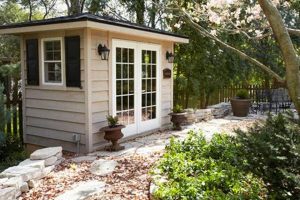
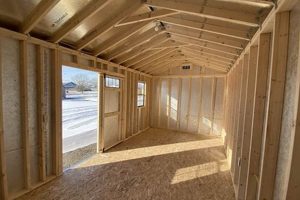
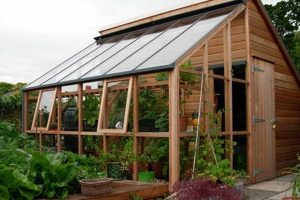
A dedicated external structure for safeguarding cycles from the elements and potential theft, often located within a domestic garden. This type of storage solution provides shelter and security for bicycles while freeing up space within the main dwelling. For example, a homeowner might utilize a weather-resistant, lockable outbuilding to house their family’s bikes, preventing them from cluttering the garage or hallway.
The significance of this approach lies in its ability to protect valuable equipment from weather damage and vandalism, extending the lifespan of bicycles. Historically, external buildings served primarily for tool and gardening equipment storage. The adaptation of these spaces to include bicycle protection reflects evolving needs for secure and accessible storage solutions as cycling gains popularity.
The following sections will explore diverse construction materials, security enhancements, size considerations, organizational techniques, and regulatory guidelines relevant to establishing an efficient and secure enclosure for cycles.
Optimizing External Structures for Cycle Security
This section outlines critical considerations for establishing a reliable and effective system to protect bicycles within a garden outbuilding.
Tip 1: Foundation Integrity: Ensure a solid, level foundation to prevent structural instability and potential security compromises. A concrete base, for instance, offers superior resistance to ground shifting and deters unauthorized access via tunneling.
Tip 2: Robust Door and Frame: The door and frame are primary points of vulnerability. Reinforce with heavy-duty hinges, a solid-core door, and a reinforced strike plate to deter forced entry attempts. Metal frames provide increased durability compared to wooden alternatives.
Tip 3: High-Security Locking Mechanisms: Implement multiple locking points utilizing high-security padlocks and deadbolts. Consider incorporating hardened steel components to resist cutting and picking. Regular maintenance of locking mechanisms is crucial.
Tip 4: Window Obscuration or Elimination: Minimize or eliminate windows to reduce visibility into the interior and discourage potential thieves. If windows are necessary, utilize frosted glass or security film to impede viewing. Secure any existing windows with bars or reinforced mesh.
Tip 5: Internal Anchoring Systems: Install ground or wall anchors to which bicycles can be securely locked. Use high-quality, case-hardened chains and locks rated for bicycle security. This prevents removal even if the outer structure is breached.
Tip 6: Alarm Systems and Security Lighting: Integrate a monitored alarm system with sensors on doors and windows to provide an immediate alert in case of intrusion. Supplement with motion-activated security lighting to illuminate the area and deter potential offenders.
Tip 7: Camouflage and Concealment: Strategically position vegetation or other screening elements to obscure the structure from direct view from public areas. This reduces the likelihood of it being targeted.
By implementing these security measures, individuals can significantly enhance the protection of their bicycles and deter theft. Comprehensive security planning is essential.
The next section will address considerations of space management and organizational strategies within the outbuilding.
1. Security

Security is paramount to the efficacy of dedicated external structures for safeguarding cycles. The very purpose of utilizing such a space is to provide a secure environment, mitigating the risk of theft and vandalism. The absence of robust security measures renders the structure functionally useless, as it fails to achieve its primary objective. For example, a structure constructed of flimsy materials with a basic latch offers minimal resistance to determined thieves, negating any perceived benefit.
The connection between security and cycle containment manifests through various practical implementations. High-security locking mechanisms on doors, reinforced walls, and integrated alarm systems all contribute to a more secure environment. Ground anchors, securely fixed within the structure, allow cycles to be individually locked, further hindering removal. Furthermore, obscured visibility into the building’s interior minimizes the incentive for potential theft. The effectiveness of each of these measures contributes directly to the overall security rating of the structure.
In summation, the security of cycle storage is not merely an added feature but a fundamental requirement. Understanding the interplay between specific security measures and the overall protective capability is crucial. A well-designed and rigorously secured external structure significantly reduces the likelihood of cycle theft, providing owners with peace of mind and preserving the value of their property.
2. Accessibility

Accessibility, in the context of dedicated external cycle structures, signifies the ease and convenience with which individuals can store and retrieve their bicycles. It is a critical factor influencing the usability and practicality of the storage solution, directly impacting user satisfaction and the likelihood of consistent utilization. Poor accessibility undermines the intended purpose of the structure, regardless of its security or weather protection capabilities.
- Doorway Dimensions
The size of the doorway dictates the types and number of cycles that can be easily accommodated. Insufficient width or height can necessitate awkward maneuvering, increasing the risk of damage to the cycle or injury to the user. A doorway wide enough to comfortably accommodate bicycles with wider handlebars, cargo bikes, or multiple bikes being moved simultaneously is essential for optimal accessibility. For example, a standard shed door might require modification to accommodate a bicycle with a child seat attached.
- Pathway and Approach
The pathway leading to the structure must be well-maintained, level, and free from obstructions. Uneven surfaces, steps, or narrow passages impede access, particularly when handling heavier cycles. A smooth, gradual incline and sufficient width are critical for facilitating ease of movement. A gravel path, for instance, may pose challenges for cyclists attempting to roll their bikes into the structure.
- Internal Layout and Organization
The internal layout of the structure directly impacts ease of storage and retrieval. Adequate spacing between cycles, coupled with efficient storage solutions such as racks or hooks, prevents overcrowding and ensures that each cycle can be accessed without obstruction. Overcrowding can lead to damage and frustration. An organized interior that allows cycles to be easily rolled or lifted into position enhances the overall user experience.
- Lighting and Visibility
Sufficient lighting, both internal and external, is crucial for safe and convenient access, particularly during periods of low light. Adequate illumination enhances visibility, reducing the risk of accidents and facilitating secure locking and unlocking procedures. A poorly lit structure can create hazards and deter users from utilizing the storage solution, particularly during evening hours. Solar-powered lights provide an environmentally friendly and cost-effective solution.
These interconnected aspects of accessibility collectively determine the ease and efficiency with which cycles can be stored and retrieved from external structures. Addressing each facet contributes to a more user-friendly and practical storage solution, encouraging consistent use and maximizing the benefits of dedicated cycle containment.
3. Weather Protection
Weather protection, when discussing external cycle storage, is an intrinsic component impacting the longevity and operational readiness of bicycles. Exposure to environmental elements accelerates degradation and increases the likelihood of mechanical failure, thus diminishing the investment in cycling equipment. The following delineates key aspects of weather protection within the context of external bicycle enclosures.
- Moisture Mitigation
The ingress of moisture, whether through rain, snow, or condensation, fosters corrosion on metallic components, degrades rubber elements, and damages leather or fabric accessories. A properly sealed structure with adequate ventilation minimizes moisture accumulation. Examples include incorporating weather stripping around doors, ensuring a slight roof overhang, and including vents to promote air circulation. Failure to address moisture results in accelerated rust, seized components, and compromised braking systems.
- Ultraviolet (UV) Radiation Shielding
Prolonged exposure to UV radiation degrades rubber, plastic, and painted surfaces. Tires can crack and lose elasticity, plastic components become brittle, and paint fades or peels. Using UV-resistant building materials, applying protective coatings, or locating the structure in a shaded area mitigates these effects. Direct sunlight exposure significantly reduces the lifespan of tires and weakens plastic components such as shifters and brake levers.
- Temperature Regulation
Extreme temperature fluctuations can affect tire pressure, lubricant viscosity, and the integrity of various components. While complete temperature control is typically not feasible in an external structure, minimizing temperature extremes is beneficial. Insulation within the structures walls, strategic ventilation, and shading can moderate temperature swings. Wide temperature variations impact the performance and longevity of critical lubricants within the bicycle’s drivetrain.
- Particulate Matter Exclusion
Dust, dirt, and other airborne particles can contaminate drivetrain components, accelerate wear, and impair braking performance. Sealing the structure effectively against dust intrusion minimizes the need for frequent cleaning and maintenance. Measures include tight-fitting doors and windows, air filters on ventilation openings, and regular sweeping or cleaning of the interior. Accumulated grime degrades chain lubrication and reduces the lifespan of brake pads.
Effective weather protection strategies represent a crucial investment in maintaining the operational efficiency and extending the lifespan of bicycles stored within external structures. These strategies directly correlate with reduced maintenance costs, enhanced cycling performance, and prolonged equipment lifespan, thereby maximizing the return on investment in cycling equipment. Failing to adequately protect bicycles from the elements invariably leads to increased repair frequency and premature component replacement.
4. Space Optimization

Space optimization is a core principle when integrating cycles into external structures, particularly given the potentially limited footprint. The efficiency with which the interior volume is utilized directly impacts the number of bicycles that can be accommodated, the ease of access to each, and the overall functionality of the storage area. Inadequate space planning results in overcrowding, making cycle retrieval cumbersome, increasing the risk of damage, and potentially negating the benefits of dedicated storage. For example, a haphazardly arranged storage area may only accommodate two bicycles despite having the theoretical capacity for four, effectively halving the utility of the structure.
Several strategies contribute to effective space optimization. Vertical storage solutions, such as wall-mounted racks or suspended hoist systems, maximize vertical space, allowing cycles to be stored above one another without impeding access. Utilizing adjustable shelving units along the walls provides storage for helmets, cycling gear, and maintenance tools, freeing up floor space. Folding workstations or workbenches can be deployed for cycle repairs and maintenance, then stowed away when not in use to maximize available area. Prioritizing a clean, uncluttered layout ensures unimpeded access and reduces the risk of accidents during retrieval and storage operations. Consider a family with multiple bicycles of varying sizes; without optimized planning, mixing children’s bikes, adult road bikes, and mountain bikes can result in an unusable jumble.
In summary, space optimization is not merely an aesthetic consideration but a fundamental requirement for efficient external bicycle containment. Employing strategic storage solutions, prioritizing an uncluttered layout, and maximizing vertical space allows for a greater number of cycles to be stored safely and accessed conveniently. This approach ensures that the structure provides optimal utility, mitigates the risk of damage, and enhances the overall user experience, thereby justifying the investment in a dedicated external storage area.
5. Organization

Effective organization is paramount to maximizing the utility and accessibility of cycle storage within external structures. A structured approach optimizes space, protects equipment, and enhances user convenience, ensuring that the storage area remains functional and efficient. Without a systematic organizational strategy, the external structure can become a cluttered and inefficient space, negating the benefits of dedicated bicycle storage.
- Categorization and Zoning
The division of the storage area into distinct zones based on function is crucial. One zone may be allocated for bicycles, another for maintenance tools, and a third for cycling accessories. Clear demarcation of these zones, through labeling or physical separation, facilitates efficient retrieval and storage. For example, designating a specific wall for bicycle racks and a separate area for tool storage prevents items from becoming intermingled and difficult to locate.
- Vertical Storage Utilization
Maximizing vertical space is a fundamental organizational principle. Wall-mounted racks, hooks, and shelving systems enable bicycles and accessories to be stored off the floor, freeing up valuable floor space and minimizing the risk of damage. Installing adjustable shelves allows for customization to accommodate items of varying sizes. A tiered shelving system, for example, can effectively store helmets, shoes, and spare parts.
- Accessibility Prioritization
Items used most frequently should be stored in easily accessible locations. Bicycles used daily should be positioned closer to the entrance, while less frequently used items can be stored further inside. Prioritizing accessibility reduces the time and effort required for retrieval and storage, encouraging consistent use of the dedicated area. Consider placing essential tools, such as tire pumps and repair kits, near the entrance for immediate access.
- Inventory Management and Labeling
Implementing a system for tracking and labeling stored items enhances organization and reduces wasted time searching for specific components or accessories. Clear labeling of shelves, bins, and storage containers enables users to quickly identify and locate needed items. Creating an inventory list, either physical or digital, further facilitates tracking and prevents items from being misplaced or forgotten. Labeling storage bins with contents ensures quick accessibility.
In conclusion, a well-organized external structure for cycle containment is not merely a tidied space but a functional system designed to optimize space utilization, protect equipment, and enhance user convenience. By implementing strategic organizational principles, individuals can transform a potentially chaotic space into an efficient and accessible storage solution, maximizing the benefits of dedicated bicycle containment and encouraging regular cycling activity.
6. Durability
Durability, concerning external cycle structures, directly influences the long-term cost-effectiveness and reliability of the storage solution. An enclosure’s capacity to withstand environmental stressors and resist degradation determines its lifespan and its ability to consistently protect stored cycles. The selection of robust construction materials and implementation of sound building practices are essential for ensuring long-term utility.
- Material Selection
The choice of construction material significantly impacts the structure’s resistance to weathering, pest infestation, and physical damage. For instance, pressure-treated lumber offers superior resistance to rot and insect damage compared to untreated wood. Similarly, metal structures constructed from galvanized steel provide enhanced protection against corrosion. The use of substandard materials compromises structural integrity and shortens the lifespan of the enclosure. Consider the impact resistance of materials in areas prone to hail or falling debris.
- Structural Integrity
Sound construction techniques are critical for ensuring the structural stability of the enclosure. Proper framing, secure fastening methods, and adequate bracing contribute to the structure’s ability to withstand wind loads, snow loads, and other environmental stresses. Weak or poorly executed construction compromises the enclosure’s ability to protect its contents and increases the risk of collapse or damage. The integrity of the foundation is of paramount importance in maintaining overall structural soundness.
- Weather Resistance
The capacity of the enclosure to resist water infiltration, UV degradation, and temperature fluctuations directly impacts its ability to protect stored cycles. Proper sealing of joints and seams, application of weather-resistant coatings, and adequate ventilation mitigate the effects of environmental exposure. Failure to address weather resistance leads to accelerated corrosion, material degradation, and ultimately, structural failure. Proper roof design is critical for shedding water and preventing leaks.
- Maintenance Requirements
The level of ongoing maintenance required to maintain the enclosure’s structural integrity and weather resistance is a key factor in its long-term cost-effectiveness. Materials that require frequent painting, sealing, or repair increase the overall cost of ownership. Selecting durable materials and implementing preventative maintenance measures minimizes the need for costly repairs and extends the lifespan of the enclosure. Regular inspection and timely repairs are essential for maintaining structural integrity.
In summary, durability is not merely a desirable attribute but a fundamental requirement for effective external cycle containment. The selection of robust materials, implementation of sound construction practices, and proactive maintenance contribute to the long-term reliability and cost-effectiveness of the storage solution. Failing to prioritize durability compromises the ability of the enclosure to protect its contents and reduces its overall value.
7. Regulations

The construction and placement of external cycle structures, commonly referred to as “garden shed bicycle storage,” are subject to a variety of local regulations. These regulations dictate permissible dimensions, materials, and placement relative to property lines and existing structures. Non-compliance can result in fines, legal action, and the forced removal of the structure. For example, many municipalities stipulate maximum height and square footage limitations for accessory buildings, potentially restricting the size and design of cycle storage units. Ignorance of these regulations does not absolve property owners of responsibility.
Zoning ordinances often delineate specific setback requirements, mandating a minimum distance between the structure and property boundaries, as well as neighboring residences. These setbacks aim to preserve property values, maintain sightlines, and prevent encroachments. Furthermore, building codes may specify requirements for foundation construction, structural integrity, and fire safety, particularly if the structure is attached to the primary dwelling. Failure to adhere to these codes can compromise the safety of the structure and its contents, including the stored bicycles. Obtaining necessary permits prior to construction is typically mandated to ensure compliance with all applicable regulations.
Therefore, a thorough understanding of local building codes, zoning ordinances, and homeowner association rules is paramount before commencing construction of external cycle structures. Failure to comply with these regulations can lead to legal complications, financial penalties, and the potential loss of the storage facility. Proactive engagement with local authorities and adherence to established guidelines ensures a legally compliant and structurally sound storage solution, mitigating potential risks and protecting property investments.
Frequently Asked Questions
This section addresses common inquiries regarding the selection, implementation, and maintenance of external structures dedicated to bicycle storage. The following information is intended to provide clarity and guidance for individuals seeking to establish secure and compliant storage solutions.
Question 1: What are the primary benefits of utilizing a garden shed for bicycle storage compared to garage storage?
Dedicated external structures free up space within the garage for other purposes, reducing clutter and improving organization. They also provide a secure and weather-protected environment specifically tailored to bicycle storage needs, mitigating the risk of damage from vehicles or other stored items.
Question 2: What security measures are essential for preventing bicycle theft from a garden shed?
Essential security measures include a robust locking mechanism on the door, reinforced door frames, obscured windows or windowless construction, internal ground anchors for securing bicycles, and potentially an alarm system. High-quality padlocks and hardened steel chains are recommended.
Question 3: What materials are best suited for constructing a durable and weather-resistant bicycle storage shed?
Durable material options include pressure-treated lumber, metal with a rust-resistant coating (e.g., galvanized steel), or composite materials designed for outdoor use. Proper sealing of joints and a well-designed roof are crucial for weather protection.
Question 4: How should the interior of a bicycle storage shed be organized to maximize space and accessibility?
Vertical storage solutions, such as wall-mounted racks or hooks, are recommended to maximize floor space. Shelving units can be used to store helmets, tools, and accessories. Prioritize a clear and uncluttered layout to facilitate easy access to bicycles.
Question 5: What regulatory considerations should be taken into account before constructing a garden shed for bicycle storage?
Local building codes, zoning ordinances, and homeowner association rules may dictate permissible dimensions, setback requirements, and material restrictions. Obtaining necessary permits prior to construction is crucial to ensure compliance.
Question 6: How can moisture and condensation be minimized within a bicycle storage shed to prevent corrosion?
Adequate ventilation is essential to prevent moisture buildup. This can be achieved through vents, louvers, or a slightly elevated floor. Weather stripping around doors and windows also helps to seal the structure and prevent water ingress.
The selection and implementation of appropriate storage solutions are critical for protecting valuable cycling equipment. Diligence in adhering to security guidelines and regulatory requirements is essential.
The following article section will summarize key points and offer concluding remarks on “garden shed bicycle storage.”
Conclusion
This exploration has underscored critical aspects of effective “garden shed bicycle storage,” from security enhancements and material considerations to space optimization and regulatory compliance. The establishment of a dedicated external structure for cycle containment necessitates careful planning and execution to ensure both the safety and longevity of stored equipment.
The decision to invest in a secure external solution reflects a commitment to preserving the value of cycling assets and promoting an active lifestyle. By adhering to the principles outlined herein, individuals can create a storage environment that is not only functional but also a tangible embodiment of their dedication to the sport. Continued vigilance in maintenance and security practices is paramount.