Model railways constructed on a large scale, typically ranging from 1:22.5 to 1:32, designed for outdoor operation are often installed in residential landscapes. These miniature railways incorporate features such as locomotives, rolling stock, tracks, and scenery, often resembling full-sized trains. An example would be a meticulously detailed steam engine pulling freight cars through a landscaped backyard.
These outdoor railways offer significant aesthetic and recreational advantages. They transform gardens into dynamic displays, providing entertainment for hobbyists and visitors alike. Historically, these miniature railways have captivated enthusiasts seeking to recreate realistic railway environments within their personal spaces, fostering a blend of model engineering and horticultural artistry.
The following sections will delve into the considerations for selecting the appropriate equipment, constructing a durable track layout, and integrating the railway seamlessly within the outdoor environment.
Essential Guidance for Outdoor Miniature Railways
Constructing and maintaining an outdoor miniature railway requires careful planning and execution. The following guidelines are presented to assist in ensuring a successful and long-lasting installation.
Tip 1: Prioritize weather-resistant materials. Given exposure to the elements, select track, locomotives, and rolling stock manufactured from UV-resistant plastics and corrosion-resistant metals. This minimizes degradation and extends the lifespan of the equipment.
Tip 2: Implement effective drainage solutions. Proper drainage prevents water accumulation around the track, which can lead to track instability and potential electrical shorts. Consider installing drainage channels or using ballast to promote water runoff.
Tip 3: Secure track firmly to the ground. Use track pins or other suitable fasteners to anchor the track securely. This prevents displacement due to ground movement, frost heave, or accidental bumps.
Tip 4: Regularly inspect and clean the track. Debris such as leaves, twigs, and dirt can impede locomotive performance. Conduct periodic inspections and remove any obstructions to ensure smooth operation.
Tip 5: Employ appropriate power supplies and wiring. Use outdoor-rated transformers and wiring to protect against moisture and electrical hazards. Adhere to all relevant electrical codes and safety guidelines.
Tip 6: Provide adequate clearance for locomotives and rolling stock. Ensure sufficient clearance between the track and surrounding vegetation or structures to prevent derailments and damage.
Tip 7: Consider the impact of seasonal changes. Account for temperature fluctuations and their effects on track expansion and contraction. Expansion gaps in the track layout can mitigate stress and prevent buckling.
Careful adherence to these guidelines will contribute to the reliable operation and longevity of the outdoor miniature railway, providing years of enjoyment.
The concluding section will explore creative landscaping ideas for integrating the miniature railway seamlessly into the garden environment.
1. Weatherproof Materials

The longevity and operational reliability of outdoor model railways are intrinsically linked to the selection and utilization of materials resistant to environmental degradation. Outdoor railway modeling, by its very nature, exposes components to a range of weather conditions, including direct sunlight, precipitation, temperature fluctuations, and humidity. These factors collectively contribute to the accelerated deterioration of materials not specifically designed for outdoor use. The implementation of weatherproof materials is, therefore, not merely a matter of aesthetic preference but a fundamental requirement for sustainable operation. For example, untreated wood will warp and rot, standard steel will corrode, and certain plastics will become brittle and crack under prolonged UV exposure.
The implications of inadequate material selection extend beyond mere cosmetic damage. Degradation can compromise the structural integrity of track supports, leading to track misalignment and derailments. Corrosion within electrical components can cause short circuits and operational failures. The cost of replacing substandard materials and rectifying damage far exceeds the initial investment in weatherproof alternatives. Common examples of suitable weatherproof materials include UV-stabilized plastics for rolling stock bodies, stainless steel or brass for track and fasteners, and treated lumber or composite materials for baseboards and scenery structures. These materials offer superior resistance to the elements, significantly extending the lifespan and minimizing maintenance requirements of the outdoor railway.
In summary, the selection of appropriate weatherproof materials is paramount to the successful and enduring operation of any outdoor railway. The use of durable, weather-resistant components mitigates the risk of environmental damage, reduces maintenance costs, and ensures consistent performance. By prioritizing material quality, the outdoor railway enthusiast can maximize the longevity and enjoyment of their miniature railway world.
2. Track Stability
Track stability is a critical factor directly influencing the operational reliability and longevity of outdoor railway systems. The relationship between the two is causal: inadequate track stability invariably leads to operational disruptions, increased maintenance, and potential damage to rolling stock. The large size and weight of some locomotives and rolling stock accentuate the need for a robust and stable track bed. Deviations in track alignment, whether caused by ground movement, frost heave, or insufficient support, can result in derailments, especially at higher operating speeds or on curves. The consequences are not merely inconvenient; derailments can damage the models and disrupt the aesthetic presentation of the layout. A real-world example is a track bed constructed without proper sub-base compaction, leading to settling and misalignment within a single season, necessitating extensive repairs.
Practical applications of sound track-laying principles demonstrate the importance of understanding this relationship. Proper roadbed construction involves excavating to a sufficient depth, laying a compacted sub-base of gravel or crushed stone, and using weather-resistant ties to maintain track gauge. In regions with significant temperature fluctuations, expansion gaps must be incorporated to accommodate thermal expansion and contraction of the rails. Curves require particular attention, with banked curves (superelevation) improving stability and realism. Furthermore, the choice of ballast material affects drainage and track stability. A well-draining ballast prevents water accumulation, reducing the risk of frost heave in
colder climates.
In summary, track stability is not a peripheral concern but rather an integral element essential for the successful operation and long-term enjoyment of outdoor railway setups. Addressing the factors that contribute to track instability through careful planning, appropriate material selection, and sound construction techniques is imperative. Understanding this connection allows model railroad enthusiasts to proactively mitigate potential problems, ensuring their miniature railway environments remain functional and visually appealing for years to come.
3. Power Reliability

Consistent and dependable electrical power is paramount to the successful operation of garden railway systems. Fluctuations, interruptions, or inadequate voltage delivery compromise the performance of locomotives and accessories, thereby undermining the functionality and enjoyment of the entire layout. Power reliability is not simply a convenience, but rather a foundational requirement for a functional and engaging garden railway.
- Weatherproof Power Supplies
Outdoor power supplies must be specifically designed to withstand exposure to rain, snow, and temperature variations. Standard indoor transformers and power adapters are unsuitable for outdoor use and pose a significant safety hazard. Weatherproofed power supplies, typically enclosed in sealed casings, protect against moisture ingress and corrosion, ensuring consistent voltage output. An example includes a transformer mounted inside a weatherproof enclosure with appropriate ventilation to prevent overheating.
- Stable Wiring and Connections
Loose connections and corroded wiring introduce resistance into the electrical circuit, leading to voltage drops and erratic locomotive behavior. Wiring should be properly sized to handle the current demands of the layout, and connections must be secure and protected from moisture. Underground wiring should be buried in conduit to prevent damage from digging or rodents. A practical illustration is the use of gel-filled wire connectors to prevent moisture penetration in underground connections.
- Overload Protection Mechanisms
Short circuits or excessive current draw can damage locomotives, wiring, and power supplies. Overload protection mechanisms, such as circuit breakers or fuses, are essential for preventing catastrophic failures. These devices automatically interrupt the flow of electricity when a fault is detected, safeguarding the electrical system. For example, a circuit breaker installed at the power supply output trips in response to a short circuit on the track, preventing damage to the locomotive and wiring.
- Consistent Voltage Regulation
Variations in voltage can cause locomotives to run erratically or stall altogether. A regulated power supply maintains a stable voltage output, even when the input voltage fluctuates. This ensures consistent locomotive speed and performance. A regulated power supply maintains a 12V DC output, even if the input AC voltage varies between 110V and 120V.
Achieving power reliability in garden railways requires a comprehensive approach, encompassing the selection of appropriate weatherproof components, the implementation of robust wiring practices, and the integration of effective protection mechanisms. Consistent voltage delivery ensures smooth locomotive operation and protects valuable rolling stock from damage. By prioritizing power reliability, the garden railway enthusiast enhances the functionality, safety, and longevity of their outdoor railway system.
4. Scale Accuracy
Maintaining dimensional fidelity between the miniature railway and its prototype counterpart is of utmost importance in garden railway modeling. The level of realism and aesthetic appeal is directly proportional to the accuracy with which components adhere to the established scale. Deviations from the designated scale compromise the visual integrity of the layout and detract from the overall experience. Therefore, scale accuracy is a critical factor in the design, construction, and operation of scale model railway systems.
- Component Dimensions
Scale accuracy dictates that the dimensions of locomotives, rolling stock, and structures be proportionally reduced from their full-size counterparts. For instance, a locomotive designed to 1:22.5 scale (G scale) must have all its dimensions reduced by a factor of 22.5 compared to the prototype. Deviations from these proportions, such as an overly wide locomotive or a too-short passenger car, are immediately noticeable and diminish the realism. Manufacturers typically adhere to established scale standards to ensure interchangeability and compatibility among different brands.
- Track Gauge Adherence
The track gauge, the distance between the rails, must accurately reflect the scale of the railway. In G scale, the standard gauge is 45mm, representing standard gauge railways scaled down by a factor of 22.5. Using an incorrect track gauge disrupts the visual harmony and prevents locomotives and rolling stock from operating correctly. Adherence to the correct gauge ensures that the models run smoothly and authentically.
- Proportional Detailing
Scale accuracy extends beyond overall dimensions to encompass the intricate details of models. Details such as rivets, handrails, and panel lines must be proportionally scaled down to maintain visual fidelity. Oversized or undersized details appear out of place and detract from the realism. Manufacturers often employ advanced molding and etching techniques to accurately reproduce these fine details at the appropriate scale. Example: The size of a rivet on a 1:22.5 scale locomotive should be 22.5 times smaller than the same rivet on the real train.
- Scenery Scale Consistency
The scenery surrounding the railway must also be consistent with the chosen scale. Trees, buildings, and figures should be sized appropriately to create a believable miniature world. Using undersized trees or oversized buildings creates a jarring visual effect that detracts from the overall realism. Careful planning and selection of scenery elements are essential for maintaining scale accuracy throughout the layout. Example: A house in the garden should be scaled down to the correct proportions relative to the trains running past it. If the train is on a 1:22.5 scale, then the house will be the exact same scale.
The adherence to scale accuracy is an ongoing pursuit, demanding meticulous attention to detail and a commitment to replicating the prototype as faithfully as possible within the constraints of the chosen scale. By prioritizing scale accuracy, model railroad enthusiasts can create visually compelling and immersive miniature railway environments that capture the essence of their prototype counterparts. A good example would be adding small model people at the same scale as the train.
5. Scenery Integration

The symbiotic relationship between scale railways and their surrounding environment cannot be overstated. Scenery integration, the art of blending the miniature r
ailway with natural and constructed landscapes, is a pivotal component in achieving a realistic and visually compelling model railway display. Effective scenery integration transcends mere decoration; it transforms a collection of trains and tracks into a cohesive and believable miniature world. The absence of thoughtful scenery integration reduces the model railway to a collection of disjointed elements, lacking the immersive quality that defines successful garden railway systems. A garden railway devoid of appropriate landscaping appears artificial and unconvincing, failing to capture the essence of its prototype.
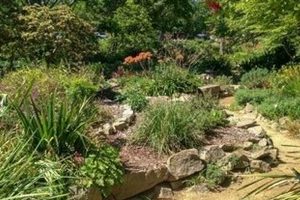
Practical applications of scenery integration principles are manifold. The strategic placement of plants, rocks, and water features can create a sense of depth and scale, enhancing the illusion of distance. Employing native plant species that are proportionally consistent with the railway scale contributes to a more authentic representation of the natural environment. Constructed elements, such as miniature buildings and bridges, should be designed to harmonize with the surrounding landscape, both in terms of architectural style and material selection. The incorporation of weathering and aging techniques on structures and rolling stock further enhances the realism, blurring the line between miniature and reality. For instance, a carefully crafted tunnel entrance seamlessly integrated into a rock outcropping can transform a simple track segment into a dramatic focal point.
In conclusion, skillful integration is indispensable for creating compelling scale railway layouts. This aspect involves an understanding of landscape design, horticulture, and model building techniques. The challenges associated with scenery integration, such as managing plant growth and adapting to changing environmental conditions, are offset by the significant enhancement in visual appeal and realism. Embracing scenery integration elevates the outdoor railway from a mere hobby to an art form, a testament to the creative vision and technical expertise of the model railway enthusiast.
6. Maintenance Schedule

Adherence to a rigorous maintenance schedule is inextricably linked to the operational longevity and aesthetic preservation of outdoor model railways. The exposure of these systems to environmental elements necessitates diligent upkeep to mitigate degradation and ensure continued functionality. A neglected railway rapidly deteriorates, resulting in operational failures, cosmetic damage, and a diminished overall experience. The consistent execution of preventative maintenance is not merely advisable; it is an essential requirement for sustaining a functional and visually appealing garden railway.
The scope of maintenance tasks encompasses a broad spectrum of activities, including track cleaning, lubrication, electrical inspection, scenery upkeep, and pest control. Track cleaning, performed regularly, removes debris and contaminants that impede locomotive performance. Lubrication of moving parts reduces friction and wear, extending the lifespan of mechanical components. Electrical inspections identify and rectify potential faults, preventing short circuits and operational disruptions. Scenery upkeep preserves the aesthetic integrity of the layout, preventing overgrowth and maintaining visual balance. Pest control mitigates damage from insects and rodents that can compromise both structural and electrical components. Each task contributes synergistically to the overall health and performance of the scale railway. Neglecting any aspect of the maintenance schedule has cascading effects, accelerating degradation and increasing the likelihood of operational failures. For instance, failure to control vegetation growth can obstruct track, damage wiring, and obscure scenery, necessitating extensive and costly repairs.
In summary, a well-defined and consistently executed maintenance schedule is an indispensable component of garden railway ownership. Such a schedule directly influences the operational reliability, aesthetic appeal, and long-term viability of the system. Embracing a proactive approach to maintenance mitigates the risk of unforeseen failures, minimizes repair costs, and sustains the enjoyment derived from this specialized hobby. Prioritizing upkeep, therefore, is not simply a matter of prudence, but a prerequisite for a fulfilling garden railway experience.
Frequently Asked Questions Regarding “garden scale trains”
The following addresses frequently encountered inquiries pertaining to the design, construction, and maintenance of outdoor, large-scale model railway systems.
Question 1: What is the minimum space requirement for a functional “garden scale trains” layout?
The spatial demands vary significantly depending on the complexity and features of the desired layout. However, a functional layout typically requires a minimum area of approximately 10 feet by 10 feet to accommodate basic track configurations and essential scenery elements. Larger layouts, incorporating more intricate track plans and extensive landscaping, necessitate correspondingly larger areas.
Question 2: What materials are best suited for constructing outdoor railway tracks?
The selection of appropriate materials is crucial for durability and weather resistance. Brass and stainless steel are frequently employed for track construction due to their corrosion resistance and electrical conductivity. UV-stabilized plastics are also suitable for ties and other track components, providing resistance to sunlight degradation.
Question 3: How can the risk of electrical shorts in outdoor railway systems be minimized?
Mitigating the risk of electrical shorts requires meticulous attention to wiring and connections. Employing weatherproof connectors, burying wiring in conduit, and regularly inspecting for damaged insulation are essential preventative measures. Ground fault circuit interrupters (GFCIs) offer an additional layer of protection against electrical hazards.
Question 4: What is the recommended method for cleaning outdoor railway tracks?
Regular track cleaning is essential for maintaining optimal locomotive performance. Abrasive cleaning pads or specialized track cleaning solutions can be used to remove debris and oxidation from the rails. Power outages can be prevented by keeping tracks clean.
Question 5: How can plant growth around “garden scale trains” be effectively managed?
Controlling vegetation growth is critical for preventing track obstruction and maintaining the aesthetic integrity of the layout. Regular pruning, the use of weed barriers, and the selection of slow-growing plant species are effective management techniques. It is also possible to create a plant bed to keep plants at bay.
Question 6: What are the typical costs associated with building a “garden scale trains” layout?
The financial investment required varies widely depending on the scope and complexity of the project. Costs can range from several hundred dollars for a basic starter set to several thousand dollars for a fully developed, elaborate layout. Factors influencing cost include the scale of locomotives and rolling stock, the complexity of the track plan, the extent of landscaping, and the use of automated control systems.
Adherence to the aforementioned guidelines and recommendations will significantly enhance the operational reliability and long-term enjoyment of these complex systems.
The succeeding section will address advanced techniques in scale model railway design and o
peration.
Garden Scale Trains
The preceding exploration has illuminated the diverse facets of garden scale trains, ranging from foundational principles of material selection and track stability to the more nuanced considerations of scale accuracy, scenery integration, and scheduled maintenance. The effective application of these concepts is paramount for the creation and sustained operation of visually compelling and functionally robust outdoor railway systems. Each element, when properly addressed, contributes to the overall realism and operational reliability of the miniature world.
As the hobby continues to evolve, ongoing advancements in materials science, digital control systems, and model manufacturing techniques promise to further enhance the possibilities for garden railway enthusiasts. Continued adherence to established best practices, coupled with an openness to innovation, will ensure the enduring appeal and technical sophistication of garden scale trains for generations to come. Individuals seeking to engage in this pursuit are encouraged to thoroughly research and apply the principles outlined herein, fostering a deeper appreciation for the intricate art of miniature railway modeling.