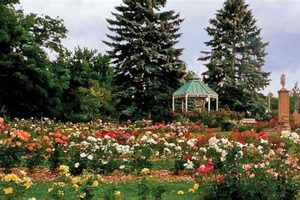
A cultivated space dedicated to floribunda, hybrid tea, or other rose varieties predominantly exhibiting yellow blooms. These spaces, whether expansive landscapes or contained plots, showcase a range of shades from pale lemon to deep gold, often incorporating various rose cultivars for visual diversity. A meticulously maintained example would feature regular pruning, appropriate fertilization, and diligent pest control to ensure the health and vibrancy of the flowering plants.
The aesthetic appeal of such a cultivated space lies in its ability to evoke feelings of warmth, joy, and optimism. Historically, yellow roses have symbolized friendship, caring, and remembrance. Therefore, these areas serve not only as horticultural displays but also as locations for reflection, celebration, or remembrance. They contribute to biodiversity by attracting pollinators, and can enhance property value.
Consequently, further discussion will address aspects of rose cultivation, including soil requirements, common diseases affecting these flowering plants, and optimal methods for promoting abundant bloom. Subsequent sections will also explore the symbolic significance of yellow roses in various cultural contexts, as well as design principles for creating visually harmonious spaces featuring these vibrant botanical specimens.
Cultivation Guidelines for Yellow Rosaceae Collections
The following recommendations are designed to optimize the health, vigor, and aesthetic value of horticultural displays featuring cultivars from the Rosa genus, specifically those exhibiting yellow pigmentation.
Tip 1: Soil Preparation: Prior to planting, amend the soil with organic matter such as composted manure or leaf mold. Roses require well-draining soil with a slightly acidic pH (6.0-6.5). Conduct a soil test to determine existing conditions and make necessary adjustments. In areas with heavy clay soil, consider incorporating raised beds to improve drainage.
Tip 2: Sunlight Exposure: Ensure a minimum of six hours of direct sunlight daily. Insufficient sunlight will result in reduced flowering and increased susceptibility to fungal diseases such as black spot and powdery mildew. Monitor sun exposure throughout the year to account for seasonal changes in solar angle.
Tip 3: Pruning Techniques: Implement regular pruning practices to promote air circulation, remove dead or diseased wood, and encourage new growth. The optimal time for pruning is late winter or early spring, before new growth begins. Remove crossing branches and inward-facing growth to prevent overcrowding.
Tip 4: Watering Strategies: Water deeply and infrequently, allowing the soil to dry slightly between waterings. Avoid overhead watering, as this can contribute to fungal disease development. Consider using a soaker hose or drip irrigation system to deliver water directly to the root zone.
Tip 5: Fertilization Regimen: Apply a balanced rose fertilizer in early spring, after the first flush of blooms, and again in mid-summer. Follow the manufacturer’s instructions carefully to avoid over-fertilization, which can damage the plants. Consider using slow-release fertilizers for a sustained nutrient supply.
Tip 6: Pest and Disease Management: Implement preventative measures to minimize the risk of pest infestations and disease outbreaks. Regularly inspect plants for signs of aphids, spider mites, or black spot. Treat infestations promptly with appropriate insecticides or fungicides, following label instructions. Encourage beneficial insects, such as ladybugs, to control pest populations naturally.
Tip 7: Mulching Application: Apply a layer of organic mulch, such as shredded bark or wood chips, around the base of the plants. Mulch helps to retain moisture, suppress weeds, and regulate soil temperature. Maintain a distance of several inches between the mulch and the rose canes to prevent rot.
Adherence to these cultivation practices will contribute significantly to the long-term health and visual appeal of plantings featuring yellow Rosa cultivars. Consistent monitoring and timely intervention are crucial for successful long-term maintenance.
Further discussion will address specific rose cultivars best suited to different climates and soil conditions. The concluding section will summarize key maintenance requirements and offer recommendations for ensuring the ongoing vibrancy of these plantings.
1. Cultivar Selection

Cultivar selection forms the foundational element in establishing a successful, aesthetically pleasing garden featuring Rosa specimens predominantly exhibiting yellow hues. The choice of specific rose varieties directly influences the overall visual impact, disease susceptibility, and maintenance requirements of the garden. For example, selecting disease-resistant cultivars like ‘Sunsprite’ minimizes the need for chemical interventions, promoting a healthier ecosystem within the garden. Conversely, opting for cultivars known for susceptibility to black spot necessitates a more rigorous preventative care regime. Therefore, informed cultivar selection is not merely an aesthetic preference but a pragmatic decision impacting the long-term health and sustainability of the botanical display.
The interplay between cultivar selection and garden design further amplifies its significance. Choosing a diverse range of yellow rose cultivars, encompassing varying bloom forms (e.g., hybrid tea, floribunda, climbing roses), heights, and shades (pale yellow to deep gold), creates visual interest and textural complexity. A garden featuring solely one cultivar, even if visually appealing, lacks the dynamism achieved through strategic varietal combinations. Consider, for instance, the juxtaposition of the compact ‘Julia Child’ floribunda rose with the taller ‘Graham Thomas’ English rose to create layered visual depth. Furthermore, some cultivars possess unique fragrance profiles, adding an olfactory dimension to the garden experience. Therefore, cultivar selection influences both visual and sensory elements within the horticultural space.
In summation, cultivar selection is a pivotal determinant in the success of a garden dedicated to yellow roses. By carefully considering disease resistance, bloom characteristics, growth habits, and fragrance, one can establish a visually stunning, sustainable, and low-maintenance garden. Failure to prioritize informed cultivar selection can result in increased maintenance burdens, disease outbreaks, and a diminished aesthetic impact. Therefore, understanding the implications of cultivar choice is paramount for cultivating a thriving and visually rewarding collection of yellow rose varieties.
2. Sunlight Optimization
Effective cultivation of Rosa cultivars exhibiting yellow pigmentation necessitates meticulous attention to sunlight optimization. Insufficient light exposure impairs photosynthetic processes, directly impacting bloom quantity, color saturation, and overall plant vigor. The following points detail key facets of this optimization process.
- Photosynthetic Efficiency and Pigment Development
Sunlight provides the energy required for photosynthesis, the process by which roses convert carbon dioxide and water into sugars for growth and development. Adequate sunlight directly correlates with the production of pigments responsible for the intensity of yellow hues in rose petals. Insufficient light leads to paler blooms and reduced vibrancy. The flavonoid compounds, particularly chalcones, are sunlight dependent, thereby influencing the visual presentation within such spaces.
- Disease Resistance and Structural Integrity
Adequate sunlight promotes stronger stems and improved overall plant health, increasing resistance to common rose diseases such as black spot and powdery mildew. Densely shaded environments foster fungal growth and weaken plant structure, rendering roses more susceptible to pathogens and physical damage. Structurally weak stems may exhibit reduced flower production or an inability to support fully developed blooms.
- Bloom Quantity and Frequency
Roses require a minimum of six hours of direct sunlight daily to maximize bloom production. Insufficient sunlight significantly reduces the number of blooms produced and may shorten the flowering season. Optimizing sunlight exposure encourages multiple flushes of blooms throughout the growing season, enhancing the aesthetic value. Moreover, bud formation is also correlated with sunlight reception.
- Microclimate Management and Reflective Strategies
Implementing strategies to maximize sunlight exposure within the growing area is crucial, especially in partially shaded locations. This includes pruning surrounding vegetation to reduce shading, orienting rose beds to capture maximum sunlight exposure, and utilizing reflective surfaces to redirect light onto plants. Creating a favorable microclimate through wind protection and humidity control further enhances the benefits of optimized sunlight.
Sunlight optimization is indispensable for cultivating vibrant and healthy collections of yellow Rosa specimens. Integrating these strategies promotes robust growth, abundant flowering, enhanced disease resistance, and intense coloration, ultimately maximizing the aesthetic and horticultural value of garden. Neglecting these considerations results in reduced performance and a diminished visual experience.
3. Disease Prevention

Disease prevention constitutes a critical component in maintaining the aesthetic value and longevity of collections of Rosa cultivars exhibiting yellow pigmentation. The susceptibility of these flowering plants to various fungal, bacterial, and viral pathogens necessitates proactive measures to mitigate disease outbreaks and ensure the health and vitality of the garden.
- Fungal Pathogen Management
Yellow roses are particularly vulnerable to fungal diseases such as black spot ( Diplocarpon rosae), powdery mildew ( Podosphaera pannosa), and rust ( Phragmidium mucronatum). Preventative strategies include selecting disease-resistant cultivars, ensuring adequate air circulation through proper spacing and pruning, and applying fungicides preventatively during periods of high humidity and rainfall. Failure to manage fungal pathogens results in defoliation, reduced bloom production, and eventual plant decline.
- Bacterial Disease Control
Crown gall ( Agrobacterium tumefaciens) and cane canker ( Leptosphaeria coniothyrium) are bacterial diseases that can affect roses. Preventative measures include sanitizing pruning tools between uses, avoiding wounding the plants during cultivation, and promptly removing and destroying any infected plant material. Crown gall causes tumor-like growths at the base of the plant, while cane canker results in sunken, discolored lesions on the canes, both of which can weaken or kill the plant.
- Viral Disease Mitigation
Rose mosaic virus (RMV) is a common viral disease that manifests as mottled or chlorotic patterns on the leaves. There is no cure for RMV, so prevention is paramount. This includes sourcing plants from reputable nurseries known for virus-free stock, controlling insect vectors that can transmit the virus, and removing and destroying any infected plants to prevent further spread. RMV reduces plant vigor and bloom quality.
- Environmental and Cultural Practices
Optimal growing conditions are crucial for disease prevention. This includes providing well-draining soil, ensuring adequate sunlight exposure (at least six hours per day), and avoiding overhead watering, which can create a favorable environment for fungal pathogens. Proper fertilization and soil pH management also contribute to plant health and disease resistance. A healthy plant is inherently more resilient to disease pressure.
The successful management of these pathogens is essential for the sustained beauty and health of a garden dedicated to yellow roses. Implementing a comprehensive disease prevention program, encompassing cultivar selection, cultural practices, and timely intervention with appropriate treatments, will minimize disease outbreaks and ensure a thriving and visually appealing collection of Rosa cultivars.
4. Pruning Methodology
Pruning methodology represents a cornerstone of successful cultivation within a garden primarily featuring Rosa cultivars exhibiting yellow pigmentation. Systematic intervention dictates plant architecture, influences flowering capacity, mitigates disease propagation, and sustains overall vigor. An informed pruning strategy is, therefore, indispensable for optimizing both aesthetic appeal and horticultural health within the space.
- Shaping and Structural Integrity
Selective removal of stems and branches allows for the establishment and maintenance of a desired plant form. Pruning promotes a balanced structure, preventing overcrowding and ensuring adequate light penetration throughout the plant. Example: Removing crossing or inward-growing branches improves air circulation, reducing the risk of fungal diseases. In the context of the garden, this ensures individual plants contribute to a cohesive and visually pleasing landscape.
- Flowering Promotion and Bloom Quality
Pruning stimulates new growth, which is often where the majority of flowers are produced. Removing spent blooms (deadheading) redirects the plant’s energy towards forming new buds. Example: Cutting back stems after the initial flush of blooms encourages a second, and potentially third, flowering period. In a garden setting, this ensures a prolonged display of vibrant yellow hues, enhancing the overall aesthetic impact.
- Disease Management and Sanitation
Pruning facilitates the removal of diseased or damaged plant material, preventing the spread of pathogens. Thorough sanitation of pruning tools between cuts minimizes the risk of transmitting diseases. Example: Removing canes infected with black spot and sterilizing pruning shears afterwards prevents further contamination. Within the garden, this proactive approach protects the broader plant population from infection, safeguarding the visual integrity of the cultivated space.
- Rejuvenation and Vigor Maintenance
Periodic hard pruning can rejuvenate older plants, stimulating vigorous new growth and improving overall plant health. Removing dead or weak wood promotes efficient resource allocation. Example: Cutting back older, less productive canes encourages the development of new, stronger canes capable of supporting abundant blooms. In a garden context, this ensures the long-term vitality of the plants, sustaining the visual impact of the yellow roses for years to come.
The aforementioned facets underscore the profound impact of pruning methodology on the performance and presentation of yellow rose cultivars. Through strategic intervention, gardeners can sculpt plant architecture, enhance flowering capacity, mitigate disease propagation, and sustain plant vigor, ultimately transforming the garden into a thriving and visually captivating botanical exhibit. Consistent application of these principles ensures a vibrant and long-lasting display of yellow rose varieties.
5. Fertilization Strategy
The implementation of a well-defined fertilization strategy is intrinsically linked to the health, vigor, and aesthetic appeal of a garden primarily composed of yellow Rosa cultivars. Plant nutrition directly affects bloom quantity, color intensity, disease resistance, and overall plant longevity. Nutrient deficiencies manifest as reduced flowering, chlorosis (yellowing of leaves), stunted growth, and increased susceptibility to pests and diseases. Conversely, an excess of certain nutrients can lead to imbalances, such as excessive vegetative growth at the expense of flowering. Therefore, a balanced and targeted fertilization approach is essential for optimizing the performance of these plants.
A practical example involves the application of a rose-specific fertilizer with an NPK ratio formulated to meet the specific needs of Rosa species. The “N” (nitrogen) component promotes leafy growth, the “P” (phosphorus) component supports root development and flower formation, and the “K” (potassium) component enhances overall plant health and disease resistance. The timing of fertilizer application is equally critical. Applying fertilizer in early spring, as new growth emerges, and again after the first flush of blooms provides the plants with the nutrients they need during periods of high demand. Soil testing is advisable to determine existing nutrient levels and adjust the fertilization strategy accordingly. A soil pH within the range of 6.0 to 6.5 is optimal for nutrient uptake.
In conclusion, a thoughtfully designed fertilization strategy is not merely an optional aspect of cultivating yellow roses; it is a fundamental requirement for achieving optimal growth, abundant flowering, and long-term plant health. Neglecting nutritional needs compromises the aesthetic potential of the garden, rendering the plants vulnerable to pests and diseases. Consistent monitoring of plant health, coupled with targeted fertilization practices, ensures a vibrant and sustainable collection of yellow Rosa cultivars.
6. Aesthetic Integration

Aesthetic integration, in the context of a garden predominantly featuring yellow Rosa cultivars, encompasses the deliberate arrangement and combination of elements to create a cohesive and visually harmonious horticultural display. It extends beyond the mere cultivation of plants to incorporate design principles that enhance the overall sensory experience.
- Color Palette Coordination
Color palette coordination involves selecting companion plants and hardscape materials that complement the yellow hues of the roses. Employing a limited color palette, such as incorporating plants with contrasting foliage colors (e.g., deep green or silver) or using neutral-toned paving stones, creates visual balance. Overly saturated or clashing colors detract from the prominence of the yellow roses and disrupt the overall aesthetic coherence. Example: Pairing yellow roses with lavender or salvia provides a contrasting color scheme that enhances the visual impact of both plants.
- Form and Texture Harmonization
Form and texture harmonization considers the shapes, sizes, and surface qualities of the plants and other garden elements. Contrasting plant forms, such as juxtaposing the upright growth habit of hybrid tea roses with the cascading habit of groundcover roses, adds visual interest. Combining plants with differing textures, such as the smooth petals of roses with the rough bark of trees, creates tactile appeal. Example: Integrating ornamental grasses with fine textures alongside the bolder forms of roses adds dynamism to the composition.
- Spatial Arrangement and Perspective
Spatial arrangement and perspective involve organizing the garden layout to create a sense of depth and visual flow. Incorporating pathways, focal points, and varying plant heights directs the viewer’s eye and creates a dynamic experience. Utilizing principles of perspective, such as placing taller plants in the background and shorter plants in the foreground, enhances the perception of depth. Example: Positioning a water feature or a sculpture as a focal point within the garden draws the viewer’s attention and creates a sense of visual hierarchy.
- Seasonal Considerations and Continuity
Seasonal considerations and continuity address the changing visual appearance of the garden throughout the year. Selecting plants that offer year-round interest, such as evergreens or plants with attractive winter bark, ensures that the garden remains visually appealing even when the roses are not in bloom. Incorporating bulbs or annuals that bloom at different times extends the flowering season and maintains visual interest. Example: Planting spring-blooming daffodils among the roses provides a burst of color before the roses begin to flower, ensuring that the garden remains visually engaging early in the season.
These facets, when thoughtfully integrated, contribute to a cohesive and visually engaging garden featuring yellow roses. The deliberate application of design principles elevates the horticultural display from a collection of individual plants to a unified and aesthetically pleasing landscape, maximizing its sensory impact and providing a more rewarding experience for the observer.
Frequently Asked Questions
The following questions address common inquiries regarding the establishment and maintenance of garden spaces predominantly featuring Rosa cultivars exhibiting yellow pigmentation. The information provided aims to offer clarity on best practices for optimal growth and aesthetic presentation.
Question 1: What are the primary factors influencing the intensity of yellow coloration in Rosa blooms?
Sunlight exposure, cultivar selection, and soil nutrient availability are the primary determinants. Insufficient sunlight results in paler blooms. Certain cultivars inherently exhibit more vibrant yellow hues. Deficiencies in essential nutrients, particularly nitrogen and potassium, negatively impact pigment production.
Question 2: How frequently should fertilization occur in a garden featuring yellow roses?
Application of a balanced rose fertilizer is recommended in early spring, coinciding with new growth emergence, and again following the initial flowering flush. Soil testing should guide specific nutrient adjustments. Over-fertilization, particularly with nitrogen, can inhibit flower production.
Question 3: What are the most prevalent diseases affecting yellow rose cultivars, and how can they be managed effectively?
Black spot, powdery mildew, and rust are common fungal diseases. Management strategies include selecting disease-resistant cultivars, ensuring adequate air circulation, avoiding overhead watering, and applying fungicides preventatively during periods of high humidity.
Question 4: What constitutes optimal soil composition for cultivating yellow roses?
Well-draining soil with a slightly acidic pH (6.0-6.5) is optimal. Amend heavy clay soils with organic matter to improve drainage. Incorporate composted manure or leaf mold to enhance nutrient content and soil structure. Soil testing will determine amendment needs.
Question 5: What pruning techniques are recommended for maintaining the health and aesthetic appeal of yellow rose bushes?
Pruning should occur in late winter or early spring, before new growth begins. Remove dead, diseased, or crossing branches. Thin out the center of the bush to improve air circulation. Deadheading spent blooms promotes continuous flowering.
Question 6: How can one integrate yellow rose cultivars into a broader landscape design effectively?
Consider color palette coordination, form and texture harmonization, spatial arrangement, and seasonal continuity. Combine yellow roses with complementary foliage colors and plant forms. Create visual depth by varying plant heights. Select plants that offer year-round interest to maintain aesthetic appeal throughout the seasons.
These questions address central concerns regarding the cultivation of yellow roses. Careful attention to these details will enhance garden health and beauty.
The subsequent section will explore advanced cultivation techniques for achieving show-quality blooms.
Conclusion
This exploration has illuminated critical facets surrounding the establishment and maintenance of a garden of yellow roses. From meticulous cultivar selection to precise fertilization strategies, the synthesis of horticultural knowledge and diligent practice yields a thriving botanical space. Disease prevention and strategic pruning further safeguard the plants, ensuring their health and longevity. Aesthetic integration, considering color palettes and spatial arrangement, transforms the garden into a visually compelling landscape.
The successful cultivation of a garden of yellow roses demands a commitment to best practices and a nuanced understanding of plant physiology. Continued research and adaptive management strategies are essential to counter evolving environmental challenges and maintain optimal plant health. The garden, when cultivated with precision, stands as a testament to botanical expertise and provides enduring aesthetic satisfaction.

![Find Rose Garden Funeral Home Obituaries: [Location] Tributes | The Ultimate Gardening Guide: Grow a Thriving Garden Year-Round](https://MyGardenPatch.com/wp-content/uploads/2025/07/th-1895-300x200.jpg "Find Rose Garden Funeral Home Obituaries: [Location] Tributes The Ultimate Gardening Guide: Grow a Thriving Garden Year-Round")