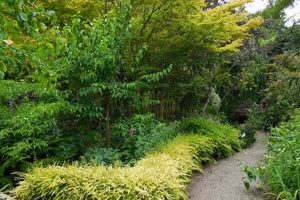
A designed outdoor space intended to promote a sense of calm, peace, and mental well-being. It often incorporates natural elements such as plants, water features, and rocks, carefully arranged to create a harmonious and soothing environment. The inclusion of seating areas encourages contemplation and relaxation.
Such spaces offer numerous psychological and physiological advantages. Studies suggest that immersion in nature reduces stress hormones, lowers blood pressure, and improves mood. Historically, similar retreats have been integral to various cultures, serving as places for meditation, reflection, and spiritual renewal. The deliberate arrangement of natural elements enhances the restorative effects, creating a sanctuary from the pressures of daily life.
Considerations for designing and maintaining these calming environments encompass plant selection, spatial layout, sound management, and sustainable practices. The following sections delve into the specifics of each aspect, providing guidance for creating and managing an outdoor space conducive to promoting a sense of calm and well-being.
Creating a Serene Outdoor Environment
The following recommendations offer practical guidance for establishing an environment that fosters a sense of calm and well-being. Implementing these suggestions can transform an ordinary outdoor area into a haven for relaxation and mental clarity.
Tip 1: Optimize Plant Selection. Choose plant species known for their calming properties, such as lavender, chamomile, or bamboo. Prioritize native plants to support local ecosystems and minimize maintenance requirements. Consider the mature size of plants to ensure a balanced and harmonious landscape.
Tip 2: Incorporate Water Features. The gentle sound of moving water can be profoundly soothing. A small fountain, a pond, or even a birdbath can introduce this element, enhancing the acoustic ambiance and attracting wildlife.
Tip 3: Designate Comfortable Seating Areas. Strategically placed benches, chairs, or hammocks invite visitors to pause and reflect. Select durable and weather-resistant materials. Consider shade and sun exposure when positioning seating.
Tip 4: Manage Noise Levels. Minimize external noise pollution by using hedges, fences, or berms as sound barriers. Introduce natural sounds, such as wind chimes or rustling leaves, to mask unwanted noises.
Tip 5: Emphasize Natural Materials. Use natural materials like wood, stone, and gravel for pathways, walls, and other structural elements. These materials blend harmoniously with the environment, creating a more authentic and restorative experience.
Tip 6: Focus on Sensory Details. Engage all five senses by incorporating fragrant flowers, textured plants, and visually appealing arrangements. The tactile experience of walking barefoot on grass or touching smooth stones can deepen the connection with nature.
Tip 7: Maintain Consistent Upkeep. Regular maintenance is essential to preserving the integrity. Prune plants, clear debris, and ensure water features are functioning properly. A well-maintained area contributes significantly to its overall sense of peace and tranquility.
By carefully considering these elements, individuals can cultivate a space that promotes relaxation, reduces stress, and fosters a deeper connection with the natural world. The intentional design of such a setting enhances mental and emotional well-being.
The subsequent sections will explore the long-term benefits of incorporating these strategies into landscape design, examining the implications for personal wellness and environmental stewardship.
1. Plant Selection Impact
Plant selection exerts a profound influence on the creation of an outdoor space intended to foster tranquility. The strategic choice of plant species contributes significantly to the aesthetic, sensory, and psychological attributes of such an environment.
- Aesthetic Harmony
Plant selection dictates the visual appeal of the space. Color palettes, textures, and forms contribute to a cohesive and harmonious design. Overly vibrant or discordant elements can detract from a sense of calm, while muted tones and complementary shapes promote a feeling of balance and serenity. Examples include the use of soft greens and blues with varying leaf textures to create a visually soothing landscape.
- Sensory Stimulation
Plants engage multiple senses, contributing to the overall experience. Fragrant species, such as lavender or jasmine, provide olfactory stimulation known to reduce stress. Tactile elements, like soft grasses or smooth bark, invite physical interaction. The sound of rustling leaves in the wind can also create a calming auditory environment. The interplay of these sensory inputs significantly enhances the restorative potential of the space.
- Psychological Effects
Certain plants are associated with specific psychological benefits. Green foliage has been shown to reduce stress and improve mood. The presence of flowering plants can evoke feelings of joy and optimism. The intentional incorporation of plants with known calming properties, such as chamomile or valerian, can further enhance the therapeutic effects of the environment. This intentional planting directly affects a persons experience in the space.
- Maintenance Considerations
Plant selection must align with maintenance capabilities to ensure the long-term viability and aesthetic integrity of the space. High-maintenance plants can create additional stress and detract from the intended sense of calm. Opting for native or drought-tolerant species reduces the need for intensive care, promoting sustainability and minimizing upkeep requirements. This is not only practical but also contributes to a sense of environmental responsibility and peace of mind.
The strategic selection of plant species, therefore, is a critical determinant in the success of an outdoor space designed for tranquility. Careful consideration of aesthetic harmony, sensory stimulation, psychological effects, and maintenance requirements ensures the creation of an environment that effectively promotes calm, reduces stress, and enhances overall well-being. Prioritizing these considerations fosters a space that acts as a true refuge.
2. Water Feature Acoustics

The acoustic properties of water features are intrinsically linked to the perceived tranquility of an outdoor space. The sounds produced by moving water have a demonstrable effect on the human auditory system, masking undesirable ambient noise and promoting a sense of relaxation. The absence of disruptive sounds, coupled with the presence of natural acoustic elements, is a fundamental characteristic of any environment designed to foster calmness and menta
l well-being.
The specific design of a water feature directly influences the acoustic profile it generates. For example, a gently cascading waterfall produces a broad spectrum of frequencies, effectively neutralizing sharper, more jarring sounds from the surrounding environment. Similarly, the steady trickling of water from a fountain creates a consistent, predictable soundscape that aids in cognitive disengagement from stressful stimuli. In contrast, poorly designed features producing erratic or excessively loud noises can negate the intended calming effect. The careful consideration of water flow, drop height, and surrounding materials is therefore paramount.
In summation, water feature acoustics constitute a critical element in achieving a tranquil outdoor environment. Understanding the interplay between design choices and auditory perception allows for the creation of spaces that demonstrably reduce stress and promote a sense of peace. While challenges remain in accurately modeling and predicting acoustic behavior, the empirical evidence supporting the benefits of carefully designed water feature acoustics is substantial, highlighting the importance of this component in any setting aiming to provide a refuge from the stresses of modern life.
3. Seating Area Placement

The strategic positioning of seating areas within a planned outdoor space is integral to achieving a “garden of tranquility.” Placement dictates accessibility, visual perspective, and the overall immersive quality of the experience. Inappropriate placement can negate the intended sense of calm, whereas thoughtful positioning enhances the restorative potential.
Consider a seating area situated near a busy thoroughfare. The intrusion of vehicular noise and pedestrian traffic undermines the ability to achieve a state of mental tranquility. Conversely, a bench nestled amongst fragrant flowers and sheltered by mature trees offers a respite from external stressors. This placement provides opportunities for contemplation and mindful engagement with the surrounding natural environment. Public gardens often incorporate strategically placed benches near water features or vantage points, maximizing the therapeutic benefits for visitors. The practical significance lies in recognizing that seating is not merely a functional element, but rather a key component in shaping the overall experience of serenity.
In conclusion, seating area placement represents a critical design consideration for any space seeking to cultivate tranquility. Effective placement leverages natural elements to create havens of peace, promoting relaxation and mental well-being. Challenges include balancing accessibility with privacy and adapting to site-specific constraints. The meticulous arrangement of seating is an essential aspect to creating an outdoor space for those seeking refuge and mental restoration.
4. Sensory detail enrichment

The augmentation of sensory experiences represents a fundamental strategy in the creation and maintenance of outdoor spaces specifically designed to foster a sense of tranquility. The carefully calibrated stimulation of the five senses sight, sound, smell, taste, and touch directly influences the perceived serenity of the environment. Sensory deprivation or, conversely, overwhelming sensory input, can undermine the intended effect, while thoughtfully curated sensory details contribute significantly to a heightened state of calm and relaxation. This enrichment is not merely decorative but serves as a core mechanism by which such spaces exert their therapeutic effects.
Consider, for example, the deliberate inclusion of fragrant plants like lavender or rosemary along pathways. The olfactory stimulation provided by these plants releases calming compounds, contributing to a reduction in stress and anxiety. Simultaneously, the tactile experience of walking barefoot on smooth stones or soft grass offers a direct connection with the natural world, grounding the individual in the present moment. Visual elements, such as strategically placed sculptures or water features, provide focal points that draw the eye and promote mindful observation. Edible elements, such as herb gardens or fruit-bearing trees, offer opportunities for taste-based sensory engagement, further enhancing the immersive quality of the experience. These instances emphasize the importance of a multi-sensory approach, as opposed to relying solely on visual aesthetics.
In conclusion, sensory detail enrichment functions as a critical determinant of the effectiveness of outdoor environments designed for tranquility. The intentional manipulation of sensory inputs, when implemented thoughtfully and strategically, creates a more compelling and restorative experience. This understanding has practical implications for landscape architects, urban planners, and individuals seeking to create personal havens of peace. While challenges remain in accurately quantifying the subjective experience of sensory stimulation, the overall benefit of an enriched sensory environment in promoting calmness and well-being is demonstrably significant.
5. Sustained maintenance effort

The realization of a “garden of tranquility” extends beyond initial design and implementation; sustained maintenance effort is a critical determinant of its long-term success. Without diligent upkeep, the intended sense of calm and restorative environment can erode, diminishing the benefits derived from such a space. Neglected areas, overgrown vegetation, and malfunctioning features introduce elements of disorder and stress, counteracting the original purpose. The connection, therefore, is causal: sustained maintenance effort directly influences the perpetuation of tranquility.
Consider a public park initially designed to provide respite from urban life. If maintenance is neglected, pathways become obstructed by weeds, water features stagnate, and litter accumulates. The space, once a refuge, transforms into a source of anxiety and discomfort. Conversely, a meticulously maintained Japanese garden, with its carefully pruned trees, clear water features, and raked gravel, exemplifies the positive impact of sustained effort. This consistent upkeep preserves the intended aesthetic and fosters a sense of peace and order. Similarly, a community garden, sustained through collective maintenance efforts, provides not only fresh produce but also a sense of shared purpose and tranquility among its participants. The practical significance lies in the recognition that a tranquil environment is not a static entity but rather a dynamic system requiring continuous attention.
In summary, sustained maintenance effort is not merely a logistical consideration but an essential component in the enduring creation of a “garden of tranquility.” The absence of upkeep leads to degradation and the loss of intended benefits, while consistent maintenance preserves the aesthetic, functional, and psychological value. Challenges include securing funding, organizing labor, and adapting to changing environmental conditions. Recognizing the ongoing nature of this commitment is crucial for ensuring that spaces designed to foster peace and well-being continue to serve their intended purpose over time.
Frequently Asked Questions
This section addresses common inquiries regarding the creation, maintenance, and benefits of environments specifically designed to foster a sense of calm and mental well-being. The following questions provide insights into key aspects of these spaces.
Question 1: What are the defining characteristics of a space intended for tranquility?
Such a space typically incorporates natural elements, such as plants, water features, and carefully selected hardscaping, arranged to promote a sense of peace and relaxation. The design often minimizes external disturbances and emphasizes sensory experiences conducive to calm.
Question 2: How does plant selection contribute to creating a calming environment?
The selection of plant species impacts aesthetics, sensory stimulation, and psychological responses. Species with calming scents, visually soothing foliage, and minimal maintenance requirements are generally preferred.
Question 3: What role do water features play in promoting tranquility?
The sound of moving water masks unwanted noise and creates a soothing auditory environment. The visual element of water can also contribute to a sense of peace and relaxation.
Question 4: Why is maintenance so crucial for sustaining a tranquil environment?
Consistent upkeep prevents the deterioration of the space and ensures that the intended aesthetic and functional characteristics are preserved. Neglect can introduce stress and detract from the overall sense of calm.
Question 5: Are there specific design principles that should be considered when creating such a space?
Design principles often include biophilic design, emphasizing a connection with nature, and Feng Shui, focusing on the harmonious arrangement of elements. Minimizing artificial light and noise pollution is also important.
Question 6: What are the documented benefits of spending time in a calming outdoor environment?
Studies have shown that exposure to nature can reduce stress hormones, lower blood pressure, improve mood, and enhance cognitive function. Such environments provide opportunities for relaxation, reflection, and mindful engagement.
The creation and maintenance of a serene outdoor space requires careful consideration of design principles, plant selection, water feature implementation, and consistent upkeep. Recognizing these factors enhances the likelihood of achieving a truly tranquil environment.
The subsequent sections will address the practical application of these principles in diverse settings, exploring specific design strategies and maintenance techniques.
In Conclusion
The preceding exploration has underscored the multifaceted nature of the “garden of tranquility” concept. From the critical role of plant selection and water feature acoustics to the importance of seating area placement, sensory enrichment, and sustained maintenance, each element contributes to the creation of a space conducive to mental well-being. Neglecting any of these aspects diminishes the overall effectiveness of the environment in fostering calmness and reducing stress.
The deliberate and informed application of these principles offers a pathway to enhancing the quality of life for individuals and communities alike. Further research and practical implementation are essential to fully realize the potential of these spaces as sanctuaries for mental and emotional restoration. The development and preservation of such environments represents a worthwhile investment in the well-being of society.