



Devices that allow for the division of water flow from a single source into multiple outlets are commonly employed in residential and commercial landscapes. These units attach to a standard spigot and provide two or more connection points for hoses or irrigation lines. For example, one outlet might supply water to a sprinkler, while another feeds a soaker hose in a garden bed.
The utility of these items lies in their ability to increase the efficiency of outdoor watering tasks. They eliminate the need to constantly disconnect and reconnect hoses for different uses, saving time and effort. Historically, simpler versions of these devices have been used for decades, with modern iterations incorporating features like individual shut-off valves and durable construction materials for extended lifespan.
The following sections will delve into the selection criteria, types available, installation guidelines, maintenance tips, and potential issues associated with these water distribution accessories, providing a comprehensive understanding for effective utilization.
Enhancing Water Distribution Efficiency
The following guidelines detail best practices for utilizing devices that divide water flow from a single source for optimal performance and longevity.
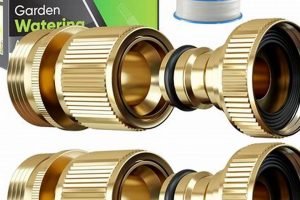
Tip 1: Material Selection: Opt for units constructed from brass or durable plastics. Brass offers resistance to corrosion, particularly in environments with hard water. Plastics, while more affordable, should be UV-resistant to prevent degradation from sunlight exposure.
Tip 2: Individual Valve Control: Choose models equipped with individual shut-off valves for each outlet. This allows for independent control of water flow to different areas, conserving water when certain outlets are not in use.
Tip 3: Washer Inspection: Regularly inspect the washers within the connection points. Worn or cracked washers contribute to leaks and reduced water pressure. Replace washers as needed to maintain a tight seal.
Tip 4: Pressure Considerations: Be mindful of the overall water pressure when using these devices. Excessive pressure can strain the connections and lead to leaks or damage. Consider installing a pressure regulator if needed.
Tip 5: Winterization: During freezing temperatures, disconnect and drain the devices completely. Storing them indoors during the winter months prevents cracking and damage from ice expansion.
Tip 6: Secure Connections: Ensure all connections are securely tightened. Hand-tightening is generally sufficient, but avoid over-tightening, which can damage the threads. Consider using pipe thread sealant tape for added leak prevention.
Tip 7: Placement Considerations: Position the device in an accessible location, free from obstructions. This facilitates easy access for connecting hoses and adjusting valves.
Implementing these strategies ensures efficient and reliable water distribution for various outdoor applications while minimizing water waste and extending the lifespan of the equipment.
The following sections will explore common issues, troubleshooting steps, and advanced applications related to these water management tools.
1. Material Durability

The longevity and functionality of devices designed to divide water flow from a single source are intrinsically linked to the materials used in their construction. Material selection directly influences the splitter’s ability to withstand environmental stressors, including prolonged exposure to sunlight, varying temperatures, and the corrosive effects of water, particularly in regions with high mineral content. The failure of a splitter due to material degradation can result in water wastage, property damage, and the need for frequent replacements, increasing operational costs.
Examples of this are evident in residential and commercial settings. Splitters made from low-grade plastics often become brittle and crack under the constant pressure of water flow and the degrading effects of ultraviolet radiation. Conversely, brass splitters, while typically more expensive, exhibit superior resistance to corrosion and physical stress, offering a longer service life. Furthermore, the selection of appropriate sealing materials, such as high-quality rubber washers, is critical for maintaining a watertight seal and preventing leaks, which are often exacerbated by material fatigue.
In conclusion, the investment in splitters constructed from durable materials represents a cost-effective strategy in the long term. While initial purchase prices may be higher, the reduced frequency of replacements, coupled with the prevention of water loss and associated damages, underscores the practical significance of prioritizing material durability when selecting these water distribution components. Neglecting this aspect can lead to avoidable expenses and operational inefficiencies.
2. Valve Independence
Valve independence, in the context of devices that divide water flow from a single source, refers to the capacity to control the water flow through each outlet independently of the others. This feature significantly enhances the versatility and efficiency of these devices, allowing for customized water management across diverse applications.
- Individual Outlet Control
Individual outlet control allows users to regulate or completely shut off water flow to specific hoses or irrigation lines without affecting the others. For instance, one outlet can supply a sprinkler system while another is temporarily closed for maintenance. This capability prevents water wastage and optimizes water pressure to the active outlets.
- Optimized Water Pressure
The ability to control flow to individual outlets contributes to optimized water pressure for specific tasks. If only one hose is in use, the full water pressure is directed to that outlet, enhancing its performance. Conversely, when multiple outlets are in use, adjusting the valves can ensure adequate pressure is maintained at each point, preventing diminished flow rates.
- Efficient Water Conservation
Valve independence promotes efficient water conservation. Users can selectively water specific areas of a garden or lawn, avoiding overwatering or irrigating areas that do not require it. This is particularly beneficial in drought-prone regions or where water usage is subject to restrictions.
- Adaptability to Diverse Watering Needs
This feature enhances adaptability to diverse watering needs. Different plants may require varying levels of hydration, and valve independence allows users to tailor water delivery to each plant’s specific requirements. This precision in water management contributes to healthier plant growth and reduces the risk of overwatering or underwatering.
The integrati
on of valve independence into devices that divide water flow from a single source offers tangible benefits in terms of water conservation, pressure optimization, and adaptability to diverse watering requirements. This feature contributes to efficient and effective water management in various outdoor settings, underscoring its importance in modern irrigation practices.
3. Connection Security

Connection security, concerning devices that divide water flow from a single source, is a critical element impacting efficiency, water conservation, and the prevention of potential property damage. A secure connection minimizes leaks, maintains optimal water pressure, and ensures the reliable operation of the entire watering system.
- Thread Integrity
Thread integrity refers to the condition of the screw threads on both the splitter and the connecting hoses or spigots. Damaged, worn, or cross-threaded connections create pathways for water leakage, reducing water pressure and potentially causing flooding or water damage. Regular inspection and proper installation techniques are essential to maintaining thread integrity and ensuring a watertight seal. For instance, the use of Teflon tape or pipe sealant can enhance the seal and prevent corrosion that degrades threads over time.
- Washer Condition and Sealing
Washers, typically made of rubber or similar pliable materials, provide a compression seal between the splitter and the connecting components. A compromised washerone that is cracked, flattened, or missingwill invariably result in leaks. The correct size and material of the washer must be chosen based on the specific splitter and hose being used. Regular inspection and replacement of worn washers are essential maintenance practices. In domestic scenarios, a common leak source is a deteriorated washer at the hose-to-splitter interface.
- Coupling Mechanisms and Clamping Force
The design and integrity of the coupling mechanisms, such as quick-connect systems or threaded collars, play a significant role in connection security. These mechanisms must provide adequate clamping force to maintain a tight seal under pressure. Corrosion or mechanical failure of these components can lead to sudden disconnections and substantial water loss. Industrial applications, for example, may employ reinforced couplings with higher clamping force to withstand increased water pressure and prolonged usage.
- Material Compatibility and Corrosion Resistance
The materials used in the construction of the splitter and connecting hoses must be compatible to prevent galvanic corrosion. This type of corrosion occurs when dissimilar metals are in contact in the presence of an electrolyte (water), leading to the accelerated degradation of one metal. Selecting splitters and hoses made from compatible materials, or using dielectric unions to isolate dissimilar metals, mitigates this risk. The choice of brass or stainless-steel components often reflects an emphasis on corrosion resistance in demanding environments.
These interconnected facets of connection security underscore the importance of careful selection, proper installation, and routine maintenance of devices designed to divide water flow from a single source. Neglecting these considerations can result in inefficient water usage, costly repairs, and potential damage to surrounding areas. Consistent attention to thread integrity, washer condition, coupling mechanisms, and material compatibility ensures the reliable and long-lasting performance of these essential water management tools.
4. Flow Regulation
Flow regulation, in the context of devices that divide water flow from a single source, denotes the capacity to modulate the volume and pressure of water delivered through each outlet. This control is paramount for adapting water distribution to the specific needs of various irrigation or cleaning tasks, ensuring both efficiency and conservation.
- Valve Adjustment Mechanisms
Valve adjustment mechanisms are integral components, typically involving rotary knobs or levers, that govern the aperture through which water passes. These mechanisms enable precise control over the flow rate to each outlet. For example, a partially closed valve may deliver a gentle stream for delicate plants, while a fully opened valve provides maximum flow for filling a container. The design and quality of these mechanisms directly impact the user’s ability to accurately regulate water output. Durable materials and smooth operation are essential for long-term functionality.
- Pressure Compensation Strategies
Pressure compensation strategies are employed to maintain consistent water flow despite variations in input pressure or the number of active outlets. Some advanced devices incorporate pressure regulators that automatically adjust the flow rate to compensate for these fluctuations. This ensures that each outlet receives the intended volume of water, regardless of external factors. In practical terms, this means that connecting multiple hoses will not necessarily diminish the flow rate at each individual outlet, provided the device is equipped with adequate pressure compensation features.
- Flow Rate Optimization
Flow rate optimization involves tailoring the water output to the specific requirements of each application. Different plants, for instance, may necessitate varying levels of hydration. Similarly, cleaning tasks may demand different water pressures. By adjusting the flow rate at each outlet, users can optimize water usage, preventing overwatering or inefficient cleaning. This is particularly relevant in environments where water conservation is a priority. Precise flow control contributes to both environmental sustainability and reduced water bills.
- Integration with Smart Watering Systems
Integration with smart watering systems represents an advanced approach to flow regulation. These systems utilize sensors and automated controls to adjust water output based on real-time environmental conditions and plant needs. For example, a moisture sensor embedded in the soil can trigger an increase or decrease in water flow, ensuring optimal hydration levels. This level of precision is not achievable with manual flow regulation alone. Smart systems often incorporate programmable schedules and remote control capabilities, further enhancing water management efficiency.
The incorporation of these facets directly influences the effectiveness of devices that divide water flow from a single source. Reliable valve adjustment mechanisms, pressure compensation strategies, and opportunities for flow rate optimization are essential for achieving efficient and sustainable water distribution. The integration of these devices with smart watering systems represents the future of precise water management.
5. Pressure Compatibility
Pressure compatibility, in the context of devices that divide water flow from a single source, refers to the capacity of these devices to operate safely and efficiently within a specified range of water pressure. It’s a cruc
ial consideration to ensure proper functioning, longevity, and prevention of damage to the device itself and connected plumbing systems. Operating outside the recommended pressure range can lead to leaks, bursts, or reduced performance.
- Material Strength and Burst Pressure
Material strength dictates the maximum pressure a device can withstand before catastrophic failure. Splitters constructed from robust materials like brass or reinforced polymers exhibit higher burst pressures compared to those made from standard plastics. For instance, a brass splitter may withstand pressures exceeding 150 PSI, while a plastic variant may fail at pressures above 60 PSI. Exceeding the burst pressure results in irreversible damage and potential water damage to the surrounding environment.
- Internal Valve and Seal Integrity
Internal valves and seals within the device are designed to maintain watertight connections under specific pressure conditions. Excessive pressure can deform or damage these components, leading to leaks and reduced flow control. A splitter with compromised seals may exhibit drips or streams of water, indicating a failure to maintain pressure integrity. Regular inspection and replacement of worn seals are necessary to prevent these issues.
- Downstream Pressure Effects
The pressure at which the splitter operates influences the downstream pressure delivered to connected hoses or irrigation systems. Operating above the recommended pressure can damage delicate irrigation components, such as drip emitters or spray nozzles. Conversely, insufficient pressure results in reduced performance of these systems. Matching the splitter’s pressure rating to the requirements of downstream equipment is crucial for optimal performance.
- Water Hammer and Surge Protection
Water hammer, a pressure surge caused by the sudden stoppage of water flow, can exert significant stress on plumbing systems, including splitters. Devices equipped with surge protection mechanisms help to mitigate these pressure spikes, preventing damage to the splitter and connected infrastructure. For example, some splitters incorporate internal pressure relief valves that automatically release excess pressure during a water hammer event, safeguarding the system from potential harm.
These facets of pressure compatibility underscore the importance of selecting devices designed to divide water flow from a single source with appropriate pressure ratings. Matching the device’s specifications to the expected water pressure conditions ensures safe, efficient, and reliable operation, minimizing the risk of damage and maximizing the lifespan of the entire watering system. Ignoring pressure compatibility can lead to costly repairs and inefficient water usage.
6. Leak Prevention
The integrity of devices that divide water flow from a single source is intrinsically linked to effective leak prevention. Leakage, even at seemingly minor rates, results in significant water wastage over time, contributing to increased water bills and potential environmental damage. The design and maintenance of these devices must prioritize leak prevention to ensure efficient and responsible water usage. The occurrence of leaks often stems from material degradation, improper installation, or inadequate maintenance of connection points.
Examples of leak-related problems are prevalent in both residential and commercial settings. A cracked plastic splitter, subjected to constant water pressure and environmental exposure, will inevitably develop leaks, resulting in a continuous loss of water. Similarly, the failure to properly seal threaded connections or replace worn washers creates pathways for water to escape, reducing overall water pressure and increasing consumption. These issues are further compounded in large-scale irrigation systems, where multiple splitters are employed, and even small leaks can collectively contribute to substantial water loss. Implementing preventative measures, such as regular inspection of components, proper installation techniques, and the use of high-quality materials, is essential for mitigating the risk of leaks. For example, using thread seal tape on all threaded connections when installing the splitter and checking it periodically to see if water starts to leak could prevent this problem.
In conclusion, leak prevention is not merely a desirable attribute of devices that divide water flow; it is a fundamental requirement for responsible water management. Prioritizing leak prevention through careful design, proper installation, and consistent maintenance minimizes water wastage, reduces operational costs, and promotes environmental sustainability. The long-term benefits of addressing leak prevention far outweigh the initial investment in quality components and conscientious maintenance practices. Failure to acknowledge this principle can lead to avoidable expenses and detrimental impacts on water resources.
7. Seasonal Storage

The longevity and reliable functionality of devices designed to divide water flow from a single source are directly impacted by seasonal storage practices, particularly in regions subject to freezing temperatures. Improper storage during winter months can lead to significant damage, rendering these devices unusable or significantly reducing their lifespan. The primary cause of this damage is water expansion upon freezing, which can exert extreme pressure on the internal components of the device, leading to cracks, deformation, and eventual failure. Without proper preparation for seasonal dormancy, these devices are highly vulnerable to irreparable harm.
Effective seasonal storage necessitates the complete removal of water from the device prior to the onset of freezing conditions. This typically involves disconnecting the splitter from the water source, opening all valves to allow drainage, and, in some cases, utilizing compressed air to ensure complete evacuation of residual water. Once drained, the device should be stored in a location protected from freezing temperatures, such as a garage, shed, or basement. Failure to perform these steps can result in ice formation within the device, causing expansion and subsequent structural damage. For instance, a brass splitter left connected to an outdoor spigot during a hard freeze may experience cracking in the valve body or at connection points, requiring costly repairs or replacement.
In summary, seasonal storage is not a mere optional step but a critical component of maintaining the operational integrity of water flow division devices. The challenges posed by freezing temperatures demand proactive measures to prevent water expansion damage. By adhering to recommended drainage and storage protocols, users can significantly extend the lifespan of these devices, ensuring their reliable performance for subsequent watering seasons and avoiding unnecessary expenses associated with repairs or replacements. This understanding links to the broader theme of responsible water management and sustainable use of resources.
Frequently Asked Questions About Devices That Divide Water Flow
The following addresses common inquiries and misconceptions surrounding the utilization of water distribution accessories designed to divide a single water source into multiple outlets.
Question 1: What is the optimal material for a device of this kind in a region with hard water?g>
Brass is generally recommended due to its superior resistance to corrosion caused by mineral deposits present in hard water. Plastic alternatives may degrade more rapidly under similar conditions.
Question 2: How frequently should washers be replaced on these water distribution units?
Washer replacement frequency depends on usage and water quality. However, it is advisable to inspect washers at least annually and replace them immediately upon detecting cracks, wear, or leakage.
Question 3: Is it necessary to disconnect the device during winter months in climates with freezing temperatures?
Yes, disconnection and complete drainage are crucial to prevent damage from water expansion within the device. Storing it indoors during freezing weather is highly recommended.
Question 4: Can these devices be used with high-pressure water systems?
The suitability depends on the device’s pressure rating. Ensure the device’s maximum pressure tolerance exceeds the water system’s pressure to prevent bursts or leaks. A pressure regulator may be necessary in high-pressure systems.
Question 5: What is the purpose of individual shut-off valves on each outlet?
Individual shut-off valves provide independent control over water flow to each connected hose or irrigation line. This allows for selective watering and prevents water wastage when certain outlets are not in use.
Question 6: How can thread damage be prevented during installation?
Avoid overtightening connections. Hand-tightening is typically sufficient. The application of Teflon tape or pipe sealant can also help create a watertight seal and protect threads from corrosion.
Key takeaways include the importance of material selection, regular maintenance, and understanding pressure compatibility to ensure the longevity and efficient operation of these water distribution accessories.
The next section will delve into troubleshooting common issues encountered with these devices and offer practical solutions.
Garden Hose Splitters
This exploration has underscored the multifaceted considerations involved in the effective utilization of garden hose splitters. From material selection and valve independence to connection security, flow regulation, pressure compatibility, leak prevention, and seasonal storage, each element contributes to the overall efficiency and lifespan of these water distribution devices. Attentive adherence to best practices mitigates water wastage, optimizes operational performance, and reduces the need for frequent replacements.
Ultimately, informed decision-making regarding garden hose splitters promotes responsible water management practices. Consistent maintenance and mindful application of the principles outlined herein will ensure that these devices serve as reliable tools in conserving precious resources and maximizing the utility of outdoor watering systems. Continued awareness and proactive engagement with these considerations are essential for sustainable landscape management.
![Best 2 Inch Garden Hose For [X] & Reviews | The Ultimate Gardening Guide: Grow a Thriving Garden Year-Round](https://MyGardenPatch.com/wp-content/uploads/2025/07/th-5631-300x200.jpg "Best 2 Inch Garden Hose For [X] & Reviews The Ultimate Gardening Guide: Grow a Thriving Garden Year-Round")