



Devices designed to increase water pressure utilizing a standard domestic water spigot and flexible tubing are the focus of this discourse. These units facilitate the transfer of liquids from one location to another, augmenting the natural flow achieved through gravity or municipal water systems. A common application involves draining standing water or irrigating areas beyond the reach of typical sprinkler systems.
The utility of these portable water-moving systems lies in their adaptability and ease of use. Historically, such tasks necessitated manual labor or more complex mechanical solutions. The advent of these compact, electrically-powered or manually-operated options provides a convenient alternative, particularly valuable for homeowners and gardeners seeking efficient water management solutions. Their portability also makes them suitable for use in locations lacking permanent plumbing infrastructure.
The subsequent sections will delve into the operational principles, different types available, selection criteria, and practical applications of these devices, providing a comprehensive overview for potential users.
Essential Considerations for Portable Water Transfer Systems
Effective utilization of these fluid-moving apparatuses requires careful consideration of several factors to ensure optimal performance and longevity. The following guidelines provide practical advice for maximizing the benefits and minimizing potential issues associated with their operation.
Tip 1: Priming the System: Prior to initiating operation, ensure the apparatus is adequately primed. This process involves filling the internal chamber and intake line with water to eliminate air pockets. Failure to prime can result in cavitation, reduced performance, and potential damage to the impeller.
Tip 2: Selecting the Appropriate Model: Evaluate the specific requirements of the task. Consider factors such as the required flow rate (gallons per minute), the maximum head (vertical distance the water needs to be lifted), and the presence of solids in the water. Selecting a model that is undersized will result in inadequate performance, while an oversized model may be inefficient.
Tip 3: Inspecting Connections: Regularly inspect all hose connections for leaks and ensure they are securely fastened. Loose connections can lead to pressure loss and reduced efficiency. Replace worn or damaged fittings promptly to prevent further complications.
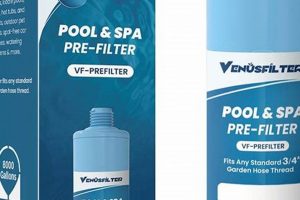
Tip 4: Avoiding Abrasive Materials: Refrain from using the apparatus to transfer fluids containing abrasive particles, such as sand or gravel. These materials can cause premature wear and damage to the internal components, particularly the impeller and seals. Utilize a pre-filter if the water source contains sediment.
Tip 5: Protecting from Freezing: In cold climates, protect the apparatus from freezing temperatures when not in use. Freezing water can expand and crack the casing or damage internal components. Drain all water from the system and store it in a temperature-controlled environment.
Tip 6: Adhering to Duty Cycle Limitations: Be mindful of the manufacturer’s recommended duty cycle. Continuous operation beyond the specified duration can lead to overheating and premature failure. Allow the apparatus to cool down periodically to prevent thermal stress.
These guidelines offer valuable insights into the proper use and maintenance of portable fluid transfer systems. Adherence to these recommendations will enhance their efficiency, extend their lifespan, and ensure reliable performance for a variety of applications.
The subsequent section will address common troubleshooting issues and maintenance procedures to further assist users in maximizing the longevity and effectiveness of these devices.
1. Flow Rate

Flow rate is a critical parameter in the performance of any device designed to transfer liquids. In the context of small-scale, portable water transfer systems, such as those utilizing standard flexible tubing, understanding and managing flow rate is essential for achieving desired outcomes.
- Definition and Units
Flow rate is defined as the volume of fluid that passes a specific point per unit of time. It is typically measured in gallons per minute (GPM) or liters per minute (LPM). A higher flow rate indicates a greater volume of water being moved within a given timeframe.
- Impact on Application Effectiveness
The flow rate directly impacts the effectiveness of various applications. For instance, irrigation systems require a certain flow rate to adequately water plants. Insufficient flow may lead to uneven distribution and under-watering, while excessive flow could result in water wastage and erosion.
- Factors Affecting Flow Rate
Several factors influence the achievable flow rate. These include the power of the pumping unit, the diameter and length of the hose, the vertical distance the water needs to be lifted (head pressure), and any obstructions or restrictions within the system. Smaller diameter hoses and greater head pressure will reduce the flow rate.
- Selection Considerations
When selecting a portable water transfer system, it is imperative to consider the required flow rate for the intended application. Determine the volume of water needed and the timeframe in which it must be delivered. Choose a model with a specified flow rate that meets or exceeds these requirements, taking into account potential losses due to hose length and elevation changes.
In summary, flow rate is a fundamental consideration when utilizing portable water transfer systems. Matching the flow rate to the application’s specific needs is crucial for ensuring efficient and effective water management. Understanding the factors that influence flow rate allows for informed decisions regarding model selection and system setup.
2. Head Pressure

Head pressure represents the total equivalent height a system can pump a fluid, acting as a key determinant in the suitability of portable water transfer devices for specific tasks. It quantifies the resistance the apparatus can overcome, factoring in both the vertical lift and friction losses within the system. An insufficient head pressure rating results in the inability to effectively move water to the desired elevation or distance. For example, a portable pump with a low head pressure may struggle to drain a pool if the discharge point is significantly higher than the water level.
The performance of devices relies heavily on matching the head pressure rating to the demands of the application. Consider a scenario where a homeowner needs to transfer water from a rain barrel to a garden located on a slightly elevated terrace. If the vertical distance from the rain barrel to the garden is 10 feet, the portable water transfer device must possess a head pressure
rating exceeding 10 feet to ensure adequate flow. Furthermore, friction losses within the flexible tubing must be factored into the equation; longer hoses and smaller diameters increase friction, thereby requiring a higher head pressure rating to compensate.
In summary, a comprehensive understanding of head pressure is essential for the effective application of portable water transfer devices. By carefully assessing the vertical lift and friction losses involved in a particular task, users can select a device with an appropriate head pressure rating, ensuring optimal performance and avoiding the disappointment of an underpowered system. The interplay between head pressure, flow rate, and hose characteristics dictates the overall efficacy of the portable water transfer process.
3. Water Source
The water source dictates the operational lifespan and suitability of portable water transfer systems. The quality and characteristics of the water directly influence the internal components, particularly the impeller and seals. Clear, potable water poses minimal threat, while sources containing sediment, debris, or corrosive chemicals can accelerate wear and degradation. For example, utilizing a portable pump to draw water from a murky pond without pre-filtration will likely result in premature failure due to abrasive particles damaging the impeller and compromising the seals.
Furthermore, the type of water source dictates specific design considerations for portable pumps. Devices intended for use with salt water require corrosion-resistant materials, such as stainless steel or specialized polymers, to prevent premature failure. Similarly, if the water source is known to contain chemical contaminants, the pump’s construction materials must be compatible to avoid degradation or leaching. Agricultural applications, involving the transfer of fertilizer-containing solutions, necessitate pumps engineered to withstand chemical exposure. Ignoring water source characteristics leads to diminished performance and potential pump malfunction.
In summary, the water source is a fundamental factor in selecting and deploying portable water transfer systems. The presence of sediment, chemicals, or corrosive elements necessitates the implementation of appropriate pre-filtration measures or the selection of pumps constructed from resistant materials. Neglecting this aspect results in reduced operational efficiency, increased maintenance requirements, and a shortened lifespan for the equipment. A proper understanding of the water source characteristics is critical for ensuring the long-term reliability and effectiveness of portable water transfer operations.
4. Power Source

The selection of a power source is a critical determinant in the operational capabilities and portability of a device designed to augment water flow via flexible tubing. The availability of power, desired runtime, and intended application heavily influence this decision.
- Electrical (AC) Power
Electrical operation, utilizing standard alternating current (AC) outlets, provides a consistent and reliable power source. However, it restricts portability to locations with readily available electrical connections. These electrically powered models are typically more powerful and capable of delivering higher flow rates and head pressures, making them suitable for demanding tasks such as draining large pools or irrigating expansive gardens.
- Electrical (DC) Power
Direct current (DC) options, often powered by rechargeable batteries, offer enhanced portability and independence from fixed electrical infrastructure. DC units are particularly useful in remote locations or areas lacking electrical access. However, runtime is limited by battery capacity, and performance may degrade as the battery discharges. These are often lower power options suitable for basic tasks.
- Manual Power
Manually operated models eliminate the need for electricity altogether, relying on human-powered mechanisms such as hand cranks or foot pedals. While offering unlimited runtime and complete portability, these units generally provide significantly lower flow rates and head pressures. They are suited for small-scale tasks where convenience and independence from power sources outweigh performance considerations. Their suitability for continuous operation is limited by the user’s physical endurance.
- Hybrid Power
Hybrid options combine multiple power sources, offering a balance between portability and performance. For example, some units can operate on both AC power when available and switch to battery power when portability is required. This provides increased flexibility and versatility, allowing the user to adapt to various operating conditions. They are often more complex and expensive than single-source options.
The choice of power source directly affects the usability and effectiveness of portable water transfer systems. Careful consideration of the operational requirements, environmental conditions, and available resources is essential for selecting the most appropriate device for a given task. The trade-offs between power, portability, and runtime must be carefully evaluated to ensure optimal performance and user satisfaction.
5. Portability
Portability is a paramount consideration in the design and application of water-moving systems utilizing standard flexible tubing. The ability to easily transport and deploy these devices directly influences their utility in diverse settings and for varied tasks. The inherent value lies in their adaptability to situations where fixed infrastructure is absent or inconvenient.
- Weight and Size
The physical dimensions and mass of the unit are primary determinants of its ease of transport. Smaller, lighter models are readily carried and maneuvered, facilitating use in confined spaces or by individuals with limited physical strength. Larger, heavier units, while potentially offering higher performance, may require multiple individuals or specialized equipment for relocation. A compact design minimizes storage requirements and simplifies transportation in vehicles.
- Power Source Dependence
The chosen power source significantly impacts the overall ease of relocation. Manually powered or battery-operated systems offer the greatest degree of independence from fixed power outlets, enabling operation in remote or inaccessible locations. Electrically powered units, requiring connection to an AC source, restrict portability to areas with available power infrastructure. The length and flexibility of the power cord can also affect the maneuverability of electrically powered models.
- Hose Management
The ease with which the connecting hose can be managed is crucial for practical portability. Designs incorporating integrated hose storage reels or compact coiling mechanisms streamline the process of packing and unpacking the system. The length and material of the hose also influence its manageability; longer hoses increase the effective range but can be cumbersome to handle, while more flexible materials simplify coiling and storage.
- R
obustness and DurabilityThe ability to withstand the rigors of transportation and field use contributes to overall usefulness. Rugged construction, protective housings, and resistance to environmental factors, such as impacts, dust, and moisture, ensure continued operation even under challenging conditions. A device prone to damage during transport or susceptible to malfunction in adverse weather offers limited practical value, regardless of its other features.
In summation, the portability of these systems is not solely defined by physical dimensions but is a multifaceted attribute encompassing weight, power dependence, hose management, and overall robustness. A truly portable device strikes a balance between these factors, providing a readily transportable and reliably operable solution for diverse water transfer needs. Optimizing portability expands the range of potential applications and enhances the overall value proposition.
6. Material Compatibility
Material compatibility stands as a cornerstone in the selection and reliable operation of fluid transfer apparatuses employing flexible tubing. The chemical and physical properties of the transferred fluid necessitate careful consideration of the materials used in the construction of the device. Failure to ensure appropriate compatibility results in compromised performance, premature degradation, and potential system failure.
- Pump Housing and Impeller Materials
The pump housing and impeller are in direct contact with the fluid being transferred. Commonly used materials include polymers, stainless steel, and cast iron. Polymer housings offer resistance to a broad range of chemicals, making them suitable for general-purpose applications. Stainless steel provides superior corrosion resistance, particularly in saline or acidic environments. Cast iron, while robust, is susceptible to rust and chemical attack, limiting its use to less aggressive fluids. For instance, pumping fertilizer solutions with a cast iron apparatus would lead to rapid corrosion and subsequent failure.
- Seal Materials
Seals prevent leakage and maintain pressure within the system. Elastomers, such as nitrile rubber (NBR), ethylene propylene diene monomer (EPDM), and Viton, are frequently employed as seal materials. NBR offers good resistance to oils and fuels, while EPDM excels in resisting ozone and weathering. Viton provides exceptional chemical resistance, making it suitable for harsh environments. Selection of an inappropriate seal material can lead to swelling, cracking, or degradation, resulting in leaks and reduced pump efficiency. A system used to transfer chlorine solutions, for example, requires seals constructed from a chlorine-resistant material to prevent rapid deterioration.
- Hose Materials
The flexible tubing itself must also exhibit compatibility with the fluid being transferred. Common hose materials include PVC, rubber, and reinforced polymers. PVC offers cost-effectiveness and flexibility but is susceptible to degradation by certain solvents and UV radiation. Rubber provides greater flexibility and resistance to abrasion but may be incompatible with certain oils and fuels. Reinforced polymers offer enhanced strength and chemical resistance, making them suitable for demanding applications. Using a PVC hose to transfer gasoline, for instance, would lead to swelling and eventual failure of the hose.
- Fittings and Connectors
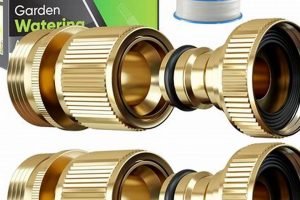
The fittings and connectors used to join the components must also be chemically compatible with the fluid being transferred. Brass, stainless steel, and polymer fittings are commonly used. Brass offers good machinability and corrosion resistance in many applications but is susceptible to dezincification in certain water conditions. Stainless steel provides superior corrosion resistance in harsh environments. Polymer fittings offer compatibility with a broad range of chemicals. Using brass fittings in a highly acidic environment would lead to corrosion and potential leakage.
In conclusion, careful attention to material compatibility is critical for ensuring the long-term reliability and performance of fluid transfer systems. The selection of appropriate materials for the pump housing, impeller, seals, hose, and fittings must be based on the chemical and physical properties of the fluid being transferred. Failure to consider material compatibility can lead to premature failure, reduced efficiency, and potential environmental contamination. Selecting the correct materials expands the range of applications and extends the lifespan of such fluid transfer systems, reducing maintenance costs and improving overall operational efficiency.
Frequently Asked Questions
The following questions address common inquiries and misconceptions regarding the selection, operation, and maintenance of these systems designed to augment water flow using standard flexible tubing.
Question 1: What distinguishes a device of this type from a traditional submersible water pump?
This system is engineered for surface operation, connecting directly to a standard water spigot via flexible tubing. Traditional submersible pumps are designed to be immersed within the water source itself. The former is generally less powerful but offers greater portability and ease of setup for tasks requiring a readily accessible water source. Submersible pumps typically provide higher flow rates and head pressures for demanding applications.
Question 2: Is it permissible to utilize a standard device designed for clear water to transfer fluids containing solids or debris?
No. Standard units designed for clear water are not engineered to handle solids. Doing so risks clogging the impeller, damaging internal components, and significantly reducing the lifespan of the equipment. For fluids containing solids, a specialized device equipped with a debris filter and impeller designed for handling solids is required.
Question 3: What precautions should be taken when operating the apparatus in freezing temperatures?
Water expands upon freezing, which can cause significant damage to the casing, impeller, and internal components. Prior to exposure to freezing temperatures, the system must be completely drained of all water. Storing the device in a temperature-controlled environment is highly recommended.
Question 4: Can the apparatus be employed to transfer flammable liquids, such as gasoline or kerosene?
No. Standard units are not designed for use with flammable liquids. The operation of such devices in the presence of flammable materials poses a significant fire and explosion hazard. Transferring flammable liquids requires specialized pumps designed with intrinsically safe components to prevent ignition.
Question 5: What is the typical operational lifespan of the device, and what factors influence its longevity?
The operational lifespan varies depending on the model, frequency of use, and the quality of water being transferred. Regular maintenance, including cleaning and inspection, can significantly extend the lifespan. Operating the device within its specified performance parameters, avoiding the transfer of abrasive or corrosive fluids, and protecting it from freezing temperatures are crucial for maximizing longevity.
Question 6: What are the common signs indicating that the device requires maintenance or repair?
Common indicators of impending maintenance or repair include reduced flow rate, unu
sual noise during operation, leakage, overheating, and failure to prime properly. Promptly addressing these issues can prevent more significant damage and extend the operational lifespan.
These answers provide essential guidance for the informed selection and responsible operation of systems designed to enhance water flow. Adherence to these recommendations will contribute to safe, efficient, and long-lasting performance.
The following section will provide a detailed guide to specific models available, focusing on their features, benefits, and ideal applications.
Conclusion
This discourse has examined the function, application, and critical considerations surrounding portable water transfer systems. Emphasis was placed on understanding flow rate, head pressure, water source compatibility, power options, portability factors, and material selection. Careful consideration of these elements is essential for optimizing performance and maximizing the operational lifespan of these devices. Neglecting these factors results in diminished efficiency, increased maintenance requirements, and potential equipment failure.
The informed selection and responsible operation of these water augmentation tools contribute significantly to efficient water management practices across diverse sectors. Continued adherence to established operational guidelines and a proactive approach to maintenance will ensure the reliable and effective utilization of such systems for years to come.

![Best 2 Inch Garden Hose For [X] & Reviews | The Ultimate Gardening Guide: Grow a Thriving Garden Year-Round](https://MyGardenPatch.com/wp-content/uploads/2025/07/th-5631-300x200.jpg "Best 2 Inch Garden Hose For [X] & Reviews The Ultimate Gardening Guide: Grow a Thriving Garden Year-Round")