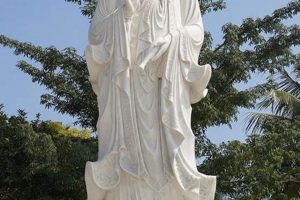
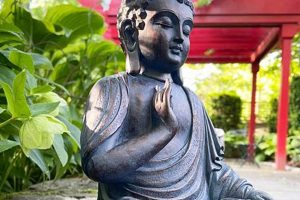
Ornamental figures designed for outdoor placement represent a common method of enhancing the aesthetic appeal of landscapes. These three-dimensional objects, often crafted from materials such as stone, resin, or metal, serve to personalize and visually enrich garden environments. Examples range from small figurines nestled among flowerbeds to imposing sculptures that act as focal points within the overall design.
The inclusion of these embellishments provides numerous advantages. They introduce visual interest, reflecting the owner’s individual taste and style. Historically, they have been used to signify wealth, status, and artistic appreciation, with examples dating back to ancient civilizations. Furthermore, such pieces can contribute to a sense of tranquility and wonder, transforming outdoor spaces into areas of respite and contemplation. They can also serve as subtle markers within a landscape, defining spaces or highlighting specific botanical features.
A deeper understanding of the selection process, the various material options available, and placement considerations is essential for effectively incorporating these elements into garden designs. The following sections will delve into these aspects, offering practical guidance on choosing and utilizing these artistic additions to enhance the beauty and character of outdoor living spaces.
Selection and Placement Strategies for Garden Decorative Statues
Careful consideration during the selection and placement process is essential for maximizing the aesthetic impact of ornamental figures in outdoor environments. The following tips provide guidance on integrating these pieces effectively.
Tip 1: Scale Appropriateness: Ensure that the dimensions of the ornamental figure are proportional to the surrounding landscape. A large statue may overwhelm a small garden, while a miniature figurine could be lost in a vast expanse. Assess the area where the piece will be situated and choose accordingly.
Tip 2: Material Compatibility: Select materials that complement the garden’s overall style and climate. Stone or concrete withstand harsh weather, while resin or metal may require more protection. Consider the long-term maintenance requirements of each material.
Tip 3: Style Harmony: Maintain consistency in style between the figure and the existing garden design. A classical sculpture may seem out of place in a modern minimalist setting. Strive for a cohesive aesthetic that enhances the overall visual appeal.
Tip 4: Focal Point Creation: Utilize ornamental figures to establish focal points within the garden. Position a statue at the end of a pathway or near a water feature to draw the eye and create visual interest. Consider the sightlines from various vantage points.
Tip 5: Thematic Consistency: If the garden follows a specific theme (e.g., Japanese, Mediterranean), choose figures that align with that theme. This creates a unified and immersive experience for visitors.
Tip 6: Seasonal Considerations: Anticipate how the figures will appear throughout the year. Consider the backdrop of seasonal foliage and ensure that the statue remains visually appealing regardless of the time of year. Some pieces might be better suited for specific seasons.
Tip 7: Secure Placement: Ensure the stability of the ornamental figures, especially in areas prone to strong winds or pedestrian traffic. Secure larger pieces to a solid base to prevent accidental toppling and potential damage or injury.
By carefully considering these factors, individuals can effectively integrate ornamental figures into their gardens, creating visually appealing and harmonious outdoor spaces.
Understanding these principles enables a more refined approach to incorporating these embellishments, ultimately contributing to a more impactful and satisfying garden aesthetic.
1. Material Durability

Material durability is a paramount consideration in the selection of ornamental figures for outdoor settings. The ability of a material to withstand environmental factors directly impacts the longevity and aesthetic appeal of these decorative elements.
- Weather Resistance and Degradation
Exposure to the elements, including sunlight, precipitation, and temperature fluctuations, leads to material degradation. Statues crafted from non-durable materials may crack, fade, or otherwise deteriorate over time, diminishing their visual impact and requiring frequent replacement. Durable materials resist these effects, preserving the statue’s integrity for an extended period.
- Resistance to Physical Damage
Garden ornamentation is susceptible to physical damage from various sources, such as accidental impacts, vandalism, or even the growth of vegetation. Materials with high tensile strength and impact resistance are less likely to suffer breakage or surface damage, ensuring that the statue remains intact and visually appealing.
- Maintenance Requirements
The durability of a material is inversely proportional to the level of maintenance required. Less durable materials may necessitate frequent cleaning, sealing, or repairs to mitigate the effects of weathering and prevent further degradation. Durable materials, on the other hand, often require minimal maintenance, reducing the overall cost and effort associated with their upkeep.
- Cost-Effectiveness over Time
While less durable materials may have a lower initial cost, their shorter lifespan and higher maintenance requirements can result in increased expenses over time. Investing in durable materials, despite their potentially higher upfront cost, often proves more cost-effective in the long run due to their extended lifespan and reduced maintenance needs.
The selection of durable materials is not merely an aesthetic consideration, but a practical investment that safeguards the visual appeal and structural integrity of garden ornamentation. By prioritizing durability, individuals can ensure that their outdoor spaces are enhanced by lasting and visually compelling decorative elements.
2. Scale Compatibility

Scale compatibility, concerning the use of ornamental figures in gardens, directly influences the visual harmony and overall aesthetic impact of the outdoor space. The relationship between the size of the structure and its surrounding environment determines whether it enhances or detracts from the garden’s intended design. Statues that are disproportionately large can overwhelm the space, creating a sense of imbalance and visual clutter. Conversely, pieces that are too small may become insignificant and fail to make a meaningful contribution to the garden’s aesthetic. An improper scaling can detract from a composition.
Consider, for example, a sprawling estate garden designed in the English landscape style. Here, a monumental sculpture may serve as a fitting focal point, drawing the eye and complementing the scale of the surrounding trees, lawns, and architectural features. In contrast, a small urban garden featuring a delicate Japanese maple would likely be overwhelmed by a large, imposing structure. Instead, smaller figurines or subtle accents would be more appropriate, enhancing the intimate character of the space without disrupting its sense of proportion. This would lead to an improper sense of scale and ruin any attempts at a harmonic composition. Similarly, a large gnome, even a high quality one, in a serious sculpture garden, detracts from the setting due to scale and design.
Ultimately, the successful integration of ornamental figures hinges on a keen understanding of scale compatibility. Accurate assessment of the surrounding environment, consideration of sightlines, and awareness of the piece’s visual weight are essential steps. By carefully evaluating these factors, designers and homeowners can ensure that ornamental figures enhance rather than detract from the beauty and tranquility of their outdoor spaces, creating visually pleasing environments. Prior planning leads to a more satisfying setting. The scale of the setting and the statues are critical.
3. Stylistic Harmony

Stylistic harmony is a critical determinant of aesthetic success in garden design, particularly when incorporating ornamental figures. It denotes the consistent application of design principles that create a unified and visually pleasing composition. When introducing garden decorative statues, the chosen style should resonate with the existing architectural elements, planting schemes, and overall garden character. A mismatch can result in visual discord, diminishing the intended impact of both the ornamentation and the garden itself. For instance, a minimalist garden characterized by clean lines, geometric shapes, and restrained color palettes would be undermined by the addition of a highly ornate, Victorian-style statue. The clashing styles would create a sense of visual conflict, disrupting the garden’s intended atmosphere of tranquility and order.
Conversely, a well-executed stylistic harmony enhances the garden’s overall appeal. A traditional English garden, with its abundance of roses, herbaceous borders, and meandering pathways, might benefit from the inclusion of classical stone figures or cherubic sculptures. These elements would complement the garden’s romantic and timeless aesthetic, reinforcing its inherent charm and elegance. Similarly, a Japanese garden, characterized by its emphasis on natural materials, asymmetry, and serene landscapes, might incorporate carefully placed stone lanterns or minimalist bronze sculptures. These elements would harmonize with the garden’s design principles, enhancing its sense of balance, contemplation, and connection to nature. Consider, for example, the effectiveness of placing a Buddha statue within the context of a tranquil, Asian inspired setting or even a modern garden where contemplation and peace are key. The statue, in that case, is not just decorative but part of the entire design and aesthetic.
In conclusion, achieving stylistic harmony is paramount to realizing the full potential of garden decorative statues. Through mindful consideration of existing garden elements and design principles, the selection and placement of ornamental figures can transform an outdoor space into a cohesive and visually captivating environment. Overlooking this aspect, on the other hand, can lead to a disjointed and unsatisfactory outcome. The connection, in short, is not merely about decoration, but about contributing harmoniously to a pre-existing or consciously developed aesthetic.
4. Placement Purpose

The intentionality behind the placement of garden decorative statues serves as a foundational element in their effectiveness as aesthetic enhancements. The selection and location of these objects should not be arbitrary; rather, they must be driven by a clear understanding of the desired effect and the relationship between the statue and its surrounding environment. Placement purpose dictates the statue’s role within the garden, influencing its visibility, impact, and overall contribution to the space. For example, a statue intended to serve as a focal point will require a location that maximizes its visibility from key vantage points, such as the entrance to the garden or a frequently used seating area. Its position must draw the eye and command attention, becoming a central element in the garden’s composition. Alternatively, a statue intended to create a sense of discovery might be partially concealed behind foliage, encouraging exploration and adding an element of surprise. An ill-considered placement undermines the value of even the most artistically significant piece.
Real-world examples illustrate the profound impact of placement purpose. The statues in the Tuileries Garden in Paris, for instance, are strategically positioned along axial pathways, reinforcing the garden’s formal design and guiding the viewer’s eye towards distant architectural landmarks. This deliberate placement reinforces the garden’s sense of order and grandeur. Conversely, in a more naturalistic garden, the statues may be nestled amidst the plantings, creating a sense of harmonious integration between art and nature. The practical significance of this understanding lies in its ability to transform a collection of disparate objects into a cohesive and meaningful landscape. Without a clear placement purpose, statues risk becoming mere decorations, failing to contribute to the garden’s overall narrative or aesthetic.
In summary, the placement purpose is the critical link between the object and its environment, transforming a simple decoration into a meaningful component of the garden design. The challenge lies in understanding the intended effect, assessing the existing landscape, and carefully positioning the statue to achieve the desired outcome. Recognizing this connection is essential for creating gardens that are not only visually appealing but also imbued with a sense of purpose and intention. Correct integration of these elements can lead to an elevated, aesthetic presentation, but only through careful analysis.
5. Thematic Relevance
Thematic relevance serves as a cornerstone in the effective integration of ornamental figures within garden design. The selection of such pieces, devoid of consideration for the overarching theme of the garden, can result in visual dissonance and undermine the coherence of the outdoor space. Cause and effect are readily apparent: the application of statues that align with a pre-established thematic framework enhances the narrative and sensory experience of the garden, while incongruous elements disrupt the intended atmosphere and dilute the overall impact. Thematic relevance, therefore, is not merely a decorative consideration but an integral component in crafting a cohesive and immersive landscape. Gardens that deliberately embrace a theme achieve a heightened level of sophistication and artistic integrity. For instance, the placement of classical Greek sculptures in a garden designed to evoke the spirit of ancient Greece enhances the experience, adding depth and reinforcing the intended historical and cultural references. Similarly, a Zen garden incorporating minimalist stone lanterns and symbolic rock arrangements adheres to a defined philosophical theme, fostering a sense of tranquility and introspection.
The practical significance of thematic relevance extends beyond mere aesthetics. It influences the overall emotional and intellectual engagement with the garden. When an individual encounters a garden where all elements, including statues, plantings, and hardscape, contribute to a unified theme, it creates a sense of harmony and intentionality. This coherence allows the viewer to fully immerse themselves in the garden’s intended atmosphere, whether it be romantic, contemplative, or whimsical. Conversely, a lack of thematic consideration can lead to a fragmented and unfulfilling experience. A garden featuring a mixture of unrelated styles and elements may leave the viewer feeling confused or disconnected, unable to fully appreciate the individual components or the garden as a whole. Therefore, the meticulous selection of elements that resonate with the overarching thematic vision is paramount in maximizing the garden’s emotional and aesthetic impact.
In summary, thematic relevance is not an optional embellishment but a crucial determinant of the success and impact of garden decorative statues. It is the guiding principle that transforms a collection of disparate elements into a cohesive and meaningful landscape. By adhering to a clearly defined theme, gardens can achieve a heightened level of artistic integrity, creating immersive and emotionally resonant experiences for visitors. Challenges in achieving thematic relevance often lie in identifying and articulating the garden’s intended theme with sufficient clarity and in the careful curation of elements that contribute to that theme without introducing discordant notes. However, the benefits of thematic coherence far outweigh the challenges, making it an indispensable consideration for garden designers and enthusiasts alike.
6. Weather Resistance
The capacity of a material to withstand degradation from environmental elements, commonly termed weather resistance, holds paramount importance in the context of ornamental figures intended for outdoor placement. The longevity and sustained aesthetic quality of “garden decorative statues” are intrinsically linked to their ability to resist the detrimental effects of prolonged exposure to climatic conditions.
- Material Composition and Degradation
The inherent properties of the material dictate its susceptibility to environmental stressors. Porous materials, for instance, are prone to water absorption, leading to freeze-thaw damage in colder climates. Metallic materials may corrode or rust when exposed to moisture and atmospheric pollutants. The selection of inherently weather-resistant materials, such as certain types of stone or treated polymers, is therefore crucial for ensuring the statue’s structural integrity over time. Untreated metal degrades quickly.
- Ultraviolet (UV) Radiation Exposure
Prolonged exposure to ultraviolet radiation from sunlight can cause discoloration, fading, and structural weakening in many materials, particularly plastics and painted surfaces. Statues lacking UV protection are susceptible to accelerated degradation, diminishing their visual appeal and potentially compromising their structural stability. Protective coatings or the use of UV-resistant materials mitigate these effects. Colors fade and detail is lost.
- Temperature Fluctuation and Thermal Stress
Extreme temperature variations induce thermal stress in materials, leading to expansion and contraction. Over time, these stresses can cause cracking, warping, or even complete structural failure. Materials with low coefficients of thermal expansion, such as certain types of stone, are less susceptible to these types of damage. However, even robust materials may require careful installation to accommodate thermal movement. Poor joining techniques can exacerbate these negative effects. Consider expansion joints and installation techniques.
- Moisture Infiltration and Biological Growth
Exposure to moisture, whether in the form of rain, snow, or humidity, can promote the growth of algae, mold, and other biological organisms on the surface of the statue. These organisms can stain the material, accelerate its degradation, and detract from its aesthetic appeal. Regular cleaning and the application of protective coatings can help to prevent biological growth. Proper runoff design is also critical. Poor drainage and surface porosity encourage biological growth.
The selection of materials exhibiting high weather resistance is a fundamental consideration in the design and procurement of “garden decorative statues.” This decision directly influences the long-term aesthetic and structural integrity of these ornamental features, ensuring their continued contribution to the visual appeal of outdoor spaces. Moreover, an understanding of the specific environmental challenges prevalent in a given region is essential for making informed decisions regarding material selection and protective measures.
7. Visual Impact

The deliberate placement of ornamental figures in outdoor spaces fundamentally alters the garden’s perceived aesthetics. The measure of success in integrating such pieces rests substantially on the visual impact they exert, influencing the observer’s perception, emotional response, and overall appreciation of the landscape’s design.
- Focal Point Establishment
Ornamental figures inherently possess the capacity to function as focal points, drawing the viewer’s attention and establishing a visual hierarchy within the garden. A strategically positioned statue can guide the eye, create a sense of depth, and provide a point of interest within an otherwise uniform landscape. For example, a prominently placed sculpture at the termination of a garden path serves to punctuate the vista and encourage exploration. Conversely, poorly positioned figures may distract from existing focal points or create visual clutter. The scale and detailing of the statue should be considered, to ensure the object commands attention in a desired direction.
- Enhancement of Aesthetic Qualities
Statues, when chosen and positioned appropriately, can enhance the garden’s existing aesthetic qualities. They contribute to the overall color palette, texture, and form of the landscape, creating a richer and more visually stimulating environment. A classical marble statue, for instance, can imbue a garden with a sense of elegance and timelessness, while a whimsical bronze figurine can add a touch of playfulness and charm. However, it is crucial to ensure that the statue’s style and materials complement the existing garden design, as a discordant element can detract from the overall visual harmony.
- Evocation of Emotional Response
Beyond their aesthetic qualities, ornamental figures can evoke specific emotional responses in viewers. Statues depicting serene figures or naturalistic motifs can foster a sense of tranquility and peace, while more dramatic or abstract forms can elicit feelings of awe, wonder, or even contemplation. In formal gardens, for example, heroic statues and formal fountains create a sense of scale and importance. When selecting statues, it is crucial to consider the intended emotional effect and choose pieces that align with the desired atmosphere of the garden. The goal is to select an emotive or narrative feature to create the desired emotional impact.
- Spatial Definition and Scale
Ornamental figures can also play a role in defining spatial relationships and establishing a sense of scale within the garden. Tall, vertical statues can accentuate the height of a space, while low-lying figures can create a sense of intimacy and enclosure. These elements may be used to suggest greater height or width in the garden. The strategic placement of figures can also help to divide a large garden into smaller, more manageable zones, each with its own distinct character and purpose. Consider how a statue’s height can create the perception of increased scale. This is most important for intimate garden settings.
In conclusion, the visual impact of garden decorative statues is a multifaceted phenomenon that encompasses focal point establishment, aesthetic enhancement, emotional evocation, and spatial definition. The successful integration of these ornamental figures depends on a careful consideration of these elements, ensuring that the chosen statues complement the existing garden design, evoke the desired emotional response, and contribute to the overall visual harmony and appeal of the outdoor space. Poor planning quickly creates an unpleasant effect.
Frequently Asked Questions
This section addresses common inquiries regarding the selection, placement, and maintenance of ornamental figures intended for outdoor use. The information provided aims to offer practical guidance for enhancing garden aesthetics through informed decision-making.
Question 1: What materials are best suited for outdoor statues in regions with harsh winters?
Durable materials such as stone, concrete, or high-density polyethylene (HDPE) are generally recommended. These materials exhibit superior resistance to freeze-thaw cycles, minimizing the risk of cracking or degradation caused by repeated freezing and thawing of absorbed moisture.
Question 2: How can one prevent the growth of algae or mold on stone or concrete statues?
Regular cleaning with a mild detergent and water is essential. Application of a sealant specifically designed for stone or concrete can create a protective barrier, inhibiting moisture absorption and reducing the likelihood of biological growth. Ensuring proper drainage around the base of the statue also aids in preventing moisture accumulation.
Question 3: Is it necessary to secure statues to prevent theft or damage from strong winds?
Securing statues is advisable, particularly for valuable or lightweight pieces. Anchoring systems employing concrete footings or metal stakes can provide added stability. The specific method used will depend on the size and weight of the statue, as well as the nature of the underlying soil.
Question 4: How does one determine the appropriate scale of a statue for a specific garden setting?
The scale of the statue should be proportional to the size of the garden and the surrounding landscape. A large statue may overwhelm a small garden, while a miniature figurine could be lost in a vast expanse. Careful consideration should be given to the sightlines from various vantage points within the garden to ensure that the statue complements, rather than dominates, the overall composition.
Question 5: What are the key considerations when positioning a statue to serve as a focal point?
Placement should maximize visibility from key vantage points. Consider the statue’s backdrop, ensuring that it contrasts sufficiently with the surrounding foliage or hardscape. The statue’s position should draw the eye and command attention, becoming a central element in the garden’s design. Avoid placing the statue directly in the path of pedestrian traffic to prevent accidental damage.
Question 6: How can one integrate statues into a garden design while maintaining stylistic harmony?
The style of the statue should be consistent with the overall aesthetic of the garden. A classical sculpture may seem out of place in a modern minimalist setting. Consider the garden’s architectural elements, planting schemes, and overall character when selecting statues to ensure a cohesive and visually pleasing composition.
In summary, thoughtful selection, careful placement, and consistent maintenance are essential for maximizing the aesthetic impact and longevity of garden decorative statues. A proactive approach to these factors ensures that these ornamental features continue to enhance the beauty and value of outdoor spaces for years to come.
The next section will explore the historical significance of garden ornamentation and its evolution across various cultures and time periods.
Conclusion
The preceding exploration of “garden decorative statues” has highlighted critical aspects, ranging from material durability and scale compatibility to stylistic harmony, placement purpose, thematic relevance, weather resistance, and visual impact. Each element contributes significantly to the overall aesthetic success and longevity of these ornamental features. The judicious application of these principles ensures that the selected pieces enhance, rather than detract from, the intended design and atmosphere of the outdoor space.
Therefore, the informed and deliberate integration of such features represents a valuable investment in the visual appeal and experiential quality of any garden landscape. Continued attention to these factors will ensure the enduring contribution of garden decorative statues to the enjoyment and appreciation of outdoor environments.