Protective frameworks employed in horticulture offer support and shielding for vulnerable vegetation. These structures, typically constructed from materials like metal, plastic, or netting, physically isolate specimens from external elements and potential harm. For instance, a wire enclosure placed around young tomato starts prevents grazing by animals and wind damage.
Utilizing these barriers provides several advantages. They safeguard against pests, extending a plant’s lifespan and enhancing crop yield. They also mitigate adverse weather effects, like heavy rain or intense sunlight, creating a more stable microclimate conducive to healthy growth. Historically, similar techniques have been used for centuries to protect valuable crops and ornamental species.
This article will examine different types, construction materials, selection criteria, and practical applications of these plant protection devices, providing guidance on how to optimize their use in various garden settings.
Optimizing the Use of Protective Plant Enclosures
Strategic implementation of protective plant enclosures can significantly improve horticultural outcomes. The following tips offer guidance on maximizing their effectiveness.
Tip 1: Material Selection is Critical: The material of construction should align with the primary threat. Metal provides robust defense against larger animals, while netting effectively excludes insects. Consider the local climate; UV-resistant materials are preferable in areas with intense sunlight.
Tip 2: Size Appropriateness: Ensure adequate space for the plant’s mature size within the enclosure. Cramped conditions can hinder growth and negate the benefits of protection. Regular monitoring and adjustments may be necessary.
Tip 3: Secure Anchoring: Proper anchoring prevents displacement by wind or animal activity. Stakes or ground anchors should be used to secure the enclosure firmly to the ground, particularly in exposed areas.
Tip 4: Pest Monitoring and Prevention: While enclosures offer protection, they do not guarantee immunity. Regularly inspect plants for signs of infestation and implement preventative measures such as companion planting or targeted treatments.
Tip 5: Ventilation Considerations: Adequate ventilation is essential to prevent fungal diseases and overheating. Choose designs that allow for airflow, or consider incorporating ventilation features into custom-built structures.
Tip 6: Seasonal Adjustments: Modify enclosure strategies based on seasonal needs. During winter, consider using insulated covers or cold frames within the larger enclosure to provide additional frost protection.
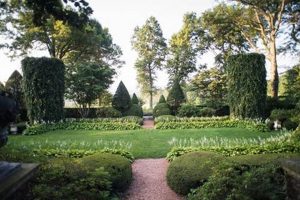
Tip 7: Camouflage for Aesthetics: While functionality is paramount, consider the visual impact. Integrate enclosures into the garden design by using natural materials or camouflaging them with climbing plants.
Effective utilization of protective plant enclosures hinges on careful planning and consistent maintenance. Selecting the appropriate materials, ensuring adequate size and security, and proactively monitoring for pests are all crucial for success.
The subsequent sections of this article will delve into specific applications and advanced techniques for maximizing the benefits of plant protection strategies.
1. Material Durability

Material durability is a foundational consideration in the selection and deployment of protective plant structures. The longevity and efficacy of these enclosures are directly proportional to the inherent resilience of the materials used in their construction.
- Corrosion Resistance
Exposure to environmental elements, including moisture, temperature fluctuations, and soil contact, subjects garden enclosures to corrosive forces. Materials such as galvanized steel, powder-coated metal, and certain plastics exhibit superior resistance to corrosion, extending the lifespan of the structure and reducing the need for frequent replacements. The selection of corrosion-resistant materials is particularly critical in regions with high humidity or saline environments.
- Impact Strength
Physical impacts from animals, weather events (hail, strong winds), or accidental contact can compromise the structural integrity of plant enclosures. Materials with high impact strength, such as reinforced polymers or heavy-gauge metal, are better equipped to withstand these forces, preventing damage and maintaining the protective barrier. The gauge of the metal or the density of the plastic directly correlates with its ability to absorb impact energy.
- UV Resistance
Prolonged exposure to ultraviolet (UV) radiation can degrade many common materials, causing them to become brittle, discolored, and structurally weakened. UV-resistant materials, such as UV-stabilized plastics or powder-coated metals, maintain their integrity over extended periods, preventing premature failure and ensuring consistent protection. The addition of UV inhibitors during the manufacturing process enhances a material’s resistance to degradation.
- Resistance to Degradation by Organic Matter
Contact with soil, decomposing organic matter, and fertilizers can expose materials to chemical and biological degradation. Choosing materials that are inert or resistant to these substances ensures that the structure remains stable and effective over time. For example, certain types of wood may be treated to resist rot, while some plastics are designed to withstand prolonged contact with soil microbes.
The long-term effectiveness of protective plant enclosures hinges on the careful selection of materials that exhibit appropriate levels of durability. Addressing these facets ensures that the structures can withstand environmental challenges and provide consistent protection throughout their intended lifespan, optimizing plant health and productivity.
2. Pest Exclusion

Pest exclusion is a primary function of protective plant enclosures, representing a critical element in safeguarding crops and ornamentals from herbivorous insects, animals, and other detrimental organisms. Effective pest exclusion enhances plant health, reduces reliance on chemical interventions, and optimizes yields.
- Mesh Size and Material
The dimensions of the mesh or openings in an enclosure directly dictate its effectiveness in excluding specific pests. Fine mesh netting can prevent access by small insects such as aphids and whiteflies, while larger gauge wire mesh is effective against rodents, birds, and larger mammals. The material’s durability, resistance to tearing, and ability to withstand environmental degradation are also crucial in maintaining a secure barrier over time. The selection of appropriate mesh size and material is con
tingent upon the prevalent pest pressures within a given region and the specific vulnerabilities of the protected plants. - Structural Integrity and Sealing
Even enclosures with appropriately sized mesh can be compromised if structural weaknesses or gaps are present. Damaged seams, loose connections, or improperly sealed edges provide entry points for pests, negating the intended protective effect. Robust construction, secure anchoring to the ground, and regular inspection for breaches are essential for maintaining a pest-proof barrier. Attention must be given to areas where the enclosure interfaces with the soil surface, as many pests access plants from below.
- Exclusion of Airborne Pests
Certain pests, such as flying insects and wind-borne pathogens, present unique challenges to exclusion. Tall enclosures with complete coverage, including a roof or lid, are necessary to prevent access from above. These structures often require careful ventilation to prevent overheating and maintain adequate air circulation, striking a balance between pest exclusion and plant health. The design should consider the prevailing wind direction and the potential for pests to be carried in on air currents.
- Lifecycle Considerations
The effectiveness of pest exclusion strategies must account for the lifecycles of targeted pests. For example, excluding adult insects may prevent egg-laying and subsequent larval damage. Similarly, preventing access by ground-dwelling pests during vulnerable stages, such as seedling establishment, can significantly reduce losses. Understanding pest behavior and seasonal activity patterns is crucial for timing and implementing appropriate exclusion measures.
These facets of pest exclusion highlight the complex interplay between enclosure design, material selection, and pest biology. When these considerations are integrated effectively, plant enclosures provide a robust and sustainable method for protecting valuable vegetation from a diverse range of threats.
3. Weather Protection

Protective plant structures serve as critical barriers against adverse weather conditions, offering mitigation from elements that can impede growth, damage tissues, or even cause plant mortality. The implementation of these enclosures establishes a controlled microclimate, buffering sensitive plants from the direct impact of environmental extremes. For example, wire cages draped with horticultural fleece provide insulation against frost, preventing cellular damage in vulnerable seedlings. Similarly, netting structures can diffuse intense sunlight, reducing the risk of leaf scorch and water stress during periods of high temperatures. The presence of these physical shields directly influences plant vigor and productivity, particularly in regions characterized by unpredictable or harsh climatic conditions.
The specific design and materials employed in plant enclosures directly affect their protective capabilities. Solid-sided structures offer robust wind protection, minimizing transpiration losses and preventing physical damage from wind-borne debris. However, they also require careful ventilation management to avoid overheating and fungal diseases. Conversely, open-weave structures permit greater air circulation but provide less protection from direct wind and rain. The selection of appropriate materials, such as UV-resistant plastics or water-permeable fabrics, allows for tailored weather protection, addressing specific vulnerabilities based on local climate and plant requirements. In agricultural settings, larger-scale structures, such as hoop houses or polytunnels, extend growing seasons and permit cultivation of crops outside their natural climate zones.
Weather protection provided by plant enclosures represents a fundamental aspect of successful cultivation, particularly in challenging environments. The effective deployment of these structures requires a thorough understanding of local climate patterns, plant-specific sensitivities, and the physical properties of enclosure materials. While these structures offer significant benefits, challenges remain in balancing protection with ventilation, light transmission, and cost-effectiveness. Continuous monitoring and adjustment of enclosure strategies are necessary to optimize plant health and ensure sustainable horticultural practices.
4. Plant Support
Plant support constitutes a critical function of enclosures utilized within horticultural practices. It directly impacts plant architecture, photosynthetic efficiency, and overall yield. Enclosures designed to offer structural assistance mitigate mechanical stress, prevent lodging, and optimize light interception.
- Vertical Growth Guidance
Enclosures facilitate the directed ascent of climbing or vining plant species. By providing a physical framework, structures guide stems and tendrils upwards, preventing sprawling growth patterns that can lead to overcrowding, disease susceptibility, and reduced fruit production. Examples include tomato cages and supports for climbing beans, ensuring maximized space utilization and streamlined harvesting processes.
- Load Bearing Capacity
Structures support the weight of developing fruits or dense foliage, preventing branch breakage and stem collapse. This is particularly relevant for heavy-yielding varieties or in regions prone to high winds. Examples include grape arbors and structures designed to support laden apple branches. The enclosure’s material and construction must be sufficient to withstand the anticipated load throughout the growing season.
- Microclimate Regulation
Enclosures can modify the microclimate surrounding plants, influencing temperature, humidity, and air circulation. By elevating plant canopies, structures promote airflow, reducing the risk of fungal diseases and improving pollination rates. Additionally, some enclosures may incorporate shade cloth or reflective materials to regulate light intensity, preventing heat stress and optimizing photosynthetic activity.
- Protection from Mechanical Damage
Enclosures shield plants from physical damage caused by wind, animals, or accidental contact. Structures prevent stem breakage, leaf laceration, and fruit bruising, maintaining plant health and aesthetic appeal. Examples include cages designed to protect young saplings from browsing deer or windbreaks constructed to mitigate the impact of strong gusts. The enclosure’s design should minimize the potential for mechanical injury while maximizing access for maintenance and harvesting.
The successful implementation of plant support strategies within enclosed environments depends on the careful consideration of plant species, growth habits, environmental conditions, and structural integrity. Integrated designs that combine support with pest exclusion and weather protection offer the most comprehensive approach to optimizing plant performance and maximizing horticultural outcomes.
5. Aesthetic Integration
Aesthetic integration refers to the incorporation of functional elements, such as protective structure
s, into the garden environment in a manner that enhances or complements the overall visual appeal. In the context of garden cages for plants, this involves selecting designs, materials, and placement strategies that harmonize with the existing landscape, rather than detracting from it.
- Material Selection and Color Palette
The choice of materials and their corresponding colors significantly impacts the visual harmony of plant enclosures. Natural materials like wood or bamboo blend seamlessly with organic surroundings, while powder-coated metal in muted tones can provide a subtle, unobtrusive aesthetic. Bright, contrasting colors may draw unwanted attention or clash with the garden’s established color scheme. Considerations should be given to the patina and aging process of materials, as they evolve over time and contribute to the overall aesthetic.
- Form and Structure Compatibility
The shape and structural design of plant enclosures should align with the existing garden layout and architectural features. Geometric forms, such as simple cubes or cylinders, offer a modern aesthetic, while more ornate or whimsical designs may suit cottage or Victorian-style gardens. The scale of the enclosure should be proportionate to the size of the plants and the surrounding space, avoiding an overwhelming or diminutive appearance.
- Integration with Existing Features
Effective aesthetic integration involves incorporating plant enclosures into existing garden elements, such as pathways, fences, or trellises. Structures can be strategically placed to define garden spaces, create focal points, or provide visual interest along established lines of sight. Climbing plants can be trained to grow on enclosures, softening their appearance and further integrating them into the landscape.
- Camouflage and Concealment Techniques
In some cases, the goal may be to minimize the visual impact of plant enclosures altogether. Camouflage techniques, such as using netting that matches the surrounding foliage or concealing structures behind taller plants, can effectively render them less conspicuous. Consideration should be given to the trade-off between concealment and accessibility for maintenance and harvesting.
Achieving successful aesthetic integration requires a careful balance between functionality and visual appeal. By thoughtfully selecting materials, forms, and placement strategies, plant enclosures can become integral components of a visually pleasing and harmonious garden environment, enhancing rather than detracting from the overall aesthetic experience.
6. Growth Enhancement
Growth enhancement, within the context of utilizing protective plant structures, involves optimizing environmental conditions and providing physical support to maximize plant vigor, productivity, and overall health. These structures can act as a catalyst for improved growth through various mechanisms.
- Optimized Microclimate Creation
Plant enclosures facilitate the creation of tailored microclimates. By regulating temperature, humidity, and light exposure, these structures mitigate environmental stress and promote ideal conditions for photosynthesis and nutrient uptake. Examples include using shade cloth to reduce heat stress in sensitive plants or employing cold frames to extend the growing season. The ability to manipulate these factors results in accelerated growth rates and improved plant resilience.
- Enhanced Nutrient Availability
Certain enclosure designs contribute to enhanced nutrient availability. By reducing water runoff and soil erosion, enclosures help retain valuable nutrients in the root zone. Furthermore, they can protect against nutrient leaching caused by heavy rainfall. Integrated systems that combine enclosures with composting or vermicomposting techniques further enhance soil fertility and provide a sustained supply of essential nutrients, leading to robust plant development.
- Reduced Pest and Disease Pressure
Protective plant structures minimize exposure to pests and diseases, allowing plants to allocate more resources towards growth rather than defense. By physically excluding herbivores and vectors of pathogens, enclosures reduce the incidence of damage and infection. This results in improved photosynthetic efficiency and reduced metabolic costs associated with defense responses, promoting vigorous growth and increased yields. Examples include using fine mesh netting to prevent insect infestations or employing copper barriers to deter slugs and snails.
- Physical Support and Structural Integrity
Enclosures provide physical support for developing plants, preventing lodging, stem breakage, and fruit drop. By supporting the plant’s architecture, enclosures optimize light interception and promote efficient resource allocation. Examples include tomato cages that support heavy fruit loads or trellises that guide vertical growth, maximizing space utilization and improving air circulation. This structural support contributes to enhanced growth and improved plant stability.
The strategic deployment of plant enclosures, with a focus on creating optimized microclimates, enhancing nutrient availability, reducing pest and disease pressure, and providing physical support, significantly contributes to growth enhancement. These integrated approaches allow for the cultivation of healthier, more productive plants in a variety of environmental conditions, maximizing horticultural outcomes.
Frequently Asked Questions
This section addresses common inquiries regarding the utilization of plant protection enclosures in horticultural practices. The information presented aims to provide clarity and guidance on the selection, implementation, and maintenance of these structures.
Question 1: What is the optimal material for an enclosure intended to deter deer?
Heavy-gauge, galvanized steel is generally recommended. The material’s robustness provides a physical barrier against deer browsing, and galvanization prevents corrosion. Height is also a critical factor; enclosures should extend at least eight feet above ground level to effectively deter deer.
Question 2: How does one prevent overheating within a fully enclosed plant cage during periods of intense sunlight?
Ventilation is paramount. Incorporating screened openings near the top and bottom of the enclosure promotes air circulation. Shading materials, such as horticultural shade cloth, can also reduce internal temperatures. The effectiveness of these measures depends on the size of the enclosure and the intensity of the sunlight.
Question 3: Is there a standardized mesh size recommended for excluding common garden pests like aphids?
A mesh size of 40-50 holes per inch (or approximately 0.5 mm) is generally sufficient to exclude aphids and other small insects. Finer mesh sizes may impede airflow and require more frequent cleaning to prevent clogging. Consider the trade-off between pest exclusion and ventilation when selecting mesh size.
Question 4: What is the best method for anchoring a plant enclosure to prevent displacement by wind?
The most effective method depends on soil type. In loose soils, long ground stakes or auger anchors are recommended. In firmer soils, shorter stakes or even burying the base of the enclosure can provide sufficient stability. The number of anchors required depends on the size and weight of t
he enclosure and the typical wind conditions in the region.
Question 5: How frequently should plant enclosures be inspected and maintained?
Regular inspections are essential, ideally on a weekly basis. Checks should focus on structural integrity, mesh integrity (tears or holes), and the presence of pests within the enclosure. Repairs should be made promptly to maintain the protective barrier. Accumulated debris should be removed to prevent disease and maintain proper ventilation.
Question 6: Can plant enclosures negatively impact pollination?
Yes, enclosures that completely exclude pollinators can hinder fruit set. For plants that require insect pollination, consider using enclosures with removable tops or sides during flowering periods. Alternatively, hand-pollination may be necessary to ensure fruit production. Self-pollinating varieties are less susceptible to this issue.
The answers above provide a fundamental understanding regarding the selection, utilization, and maintenance of plant protection enclosures. Consistent application of these principles will assist in optimizing plant health and productivity.
The subsequent section will explore advanced techniques for implementing protective plant enclosures in diverse horticultural contexts.
Conclusion
This article has explored the multifaceted nature of garden cages for plants, examining their function in pest exclusion, weather protection, structural support, aesthetic integration, and overall growth enhancement. Selection of appropriate materials, strategic design implementation, and consistent maintenance have been identified as critical determinants of their effectiveness.
The conscientious deployment of garden cages for plants represents a significant investment in the long-term health and productivity of horticultural endeavors. Continued research and refinement of enclosure technologies will further optimize their utility, ensuring sustainable and resilient plant cultivation in diverse environments.