Outdoor seating, tables, and decorative objects crafted in past eras constitute a unique category of furnishings. These items, often constructed from materials like wrought iron, teak, or stone, display characteristics indicative of specific design periods and manufacturing techniques. A Victorian-era cast iron bench, for example, embodies the craftsmanship and aesthetic sensibilities prevalent during that time.
Acquiring these pieces offers several advantages. They introduce a sense of history and character to outdoor spaces, transforming ordinary areas into inviting retreats. Furthermore, their inherent durability, stemming from the quality materials and construction methods employed by artisans of the past, ensures longevity. Their historical value also means they can appreciate over time, representing a tangible asset.
The following sections will delve into the identification, restoration, and incorporation of these time-honored pieces into contemporary landscapes, providing practical guidance for enthusiasts and collectors alike.
Acquiring and Maintaining Outdoor Historical Pieces
Selecting and preserving garden furniture from past eras requires careful consideration to ensure its longevity and aesthetic contribution to the landscape.
Tip 1: Assess Material Integrity. Prior to acquisition, thoroughly examine the materials for signs of deterioration. Wrought iron should be inspected for rust, wood for rot and insect damage, and stone for cracks or erosion. Addressing these issues early prevents further degradation.
Tip 2: Verify Authenticity. Research hallmarks, maker’s marks, and design characteristics associated with specific periods or manufacturers. Consult with antique specialists to confirm the provenance of a piece and avoid reproductions misrepresented as genuine articles.
Tip 3: Implement Protective Coatings. Apply appropriate sealants or paints designed for outdoor use to protect against environmental elements. Regular maintenance, including cleaning and reapplication of protective coatings, prolongs the life of the furniture.
Tip 4: Utilize Appropriate Cleaning Methods. Avoid harsh chemicals or abrasive cleaners that can damage delicate surfaces. Employ gentle cleaning solutions and soft brushes to remove dirt and debris without compromising the original finish.
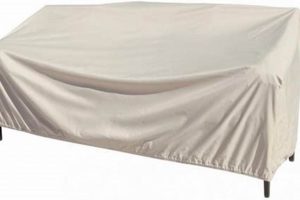
Tip 5: Provide Seasonal Storage. During periods of inclement weather, relocate valuable pieces to covered areas or utilize protective covers. This minimizes exposure to moisture, extreme temperatures, and potential damage from falling debris.
Tip 6: Consider Professional Restoration. For significant damage or complex repairs, consult with experienced restoration specialists. Preserving the original character and structural integrity of the furniture requires specialized knowledge and techniques.
Tip 7: Document the Piece’s History. Maintain records of the item’s origin, any restoration work performed, and its ongoing maintenance. This documentation enhances its historical value and provides valuable information for future care.
Adhering to these guidelines preserves the historical and aesthetic value of these items, ensuring their continued enjoyment for generations.
The subsequent sections will explore design integration strategies, showcasing how these pieces can be harmoniously incorporated into diverse outdoor settings.
1. Material Composition

The enduring quality and aesthetic character of garden antique furniture are inextricably linked to its material composition. The materials employed wrought iron, cast iron, teak, various hardwoods, and stone dictate not only the furniture’s visual presentation but also its resistance to weathering, susceptibility to decay, and the methods required for its preservation. The choice of material was often a deliberate reflection of the prevailing aesthetic and technological capabilities of the era in which the piece was crafted. Victorian cast iron benches, for instance, exemplify the period’s mastery of intricate metalwork and its penchant for elaborate ornamentation, made possible by advancements in foundry techniques. Similarly, the use of naturally weather-resistant teak in early 20th-century garden furniture reflects an understanding of material properties and a desire for durable, low-maintenance pieces.
Understanding material composition is crucial for effective restoration and maintenance. Improper cleaning agents or restoration techniques can irreparably damage the original materials. For example, the application of harsh abrasives on a delicate, aged stone surface could erode intricate detailing and diminish its historical value. Similarly, neglecting the rust prevention on wrought iron can lead to structural weakening and eventual collapse. The composition also influences the piece’s integration within a garden setting. The weight and mass of stone furniture, for example, require careful consideration of the site’s load-bearing capacity, while the natural color variations in different types of wood impact the overall aesthetic harmony of the outdoor space.
In summary, material composition is a primary determinant of garden antique furniture’s value, durability, and preservation requirements. Recognizing the specific materials used, their inherent properties, and potential vulnerabilities is paramount for collectors, restorers, and anyone seeking to incorporate these historical pieces into their outdoor spaces. Overlooking this aspect inevitably leads to accelerated deterioration and a loss of the furniture’s unique historical narrative.
2. Historical Provenance

The historical provenance of garden antique furniture is paramount in determining its value, authenticity, and cultural significance. Tracing a piece’s history provides insights into its creation, ownership, and role in shaping outdoor spaces of the past. This detailed record contributes substantially to its desirability and preservation efforts.
- Maker’s Mark and Attribution
Identifying the manufacturer or artisan responsible for creating the furniture is a critical aspect of establishing provenance. Maker’s marks, stamps, or signatures provide direct evidence of origin and craftsmanship. For example, a cast iron bench bearing the Coalbrookdale mark immediately signifies its origin in a renowned 19th-century British foundry, lending credibility and enhancing its value.
- Ownership History (Past and Present)
Documenting previous owners establishes a chain of custody, revealing the furniture’s journey through time and its connection to significant estates or historical figures. Furniture originating from notable gardens or properties may carry enhanced cultural and historical significance. Records of ownership, such as estate inventories or auction catalogs, contribute to a compelling narrative.
- Original Design and Period Styling
Understanding the design aesthetic prevalent during the furniture’s creation allows for accurate dating and contextualization. Identifying specific design movements, such as Victorian Gothic Revival or Art Nouveau, helps authenticate the piece and assess its stylistic integrity. Original design documentation, including catalogs or pattern books, provides valuable reference points.
- Material Composition and Manufacturing Techniques
Analyzing the materials used in the furniture’s construction and the techniques employed in its manufacture reveals insights into the technological capabilities and artistic preferences of the period. Identifying specific types of wood, metals, or finishes helps determine authenticity and assess the quality of craftsmanship. Examination of joinery techniques and construction methods provides further clues about the furniture’s origin and age.
In essence, historical provenance transforms garden antique furniture from mere objects into tangible links to the past. This detailed historical background not only enhances their monetary value but also enriches our appreciation for their cultural and aesthetic significance. Diligent research and documentation are essential for preserving these pieces and ensuring that their stories continue to resonate with future generations.
3. Design Period

Design period serves as a crucial lens through which garden antique furniture is understood and appreciated. The era in which a piece was crafted dictates its form, materials, and aesthetic characteristics, influencing its value, suitability for specific landscapes, and methods of preservation.
- Victorian Era (1837-1901)
This period favored ornate, romantic designs, often employing cast iron for benches, chairs, and fountains. Wrought iron was similarly popular. These pieces typically feature elaborate scrollwork, botanical motifs, and a dark, often black or dark green, painted finish. Consider a Coalbrookdale bench or a cast iron fountain as prime examples.
- Edwardian Era (1901-1910)
A transition from Victorian excess towards lighter, more elegant forms characterized this period. Teak became increasingly popular for garden furniture, valued for its durability and natural resistance to the elements. Designs often incorporated elements of the Arts and Crafts movement, emphasizing natural materials and simple craftsmanship. Think of a teak garden table or a set of matching chairs.
- Art Deco (1920s-1930s)
Characterized by geometric shapes, streamlined forms, and luxurious materials, Art Deco garden furniture presented a modern contrast to earlier styles. Chrome, steel, and painted wood were common. Designs frequently incorporated bold colors and stylized motifs. An example might be a painted metal sun chair or a geometrically-patterned stone bench.
- Mid-Century Modern (1945-1965)
This era embraced minimalist designs, functional forms, and innovative materials. Plastic, aluminum, and molded plywood were commonly used. Garden furniture from this period often featured clean lines and simple silhouettes, reflecting a focus on practicality and efficiency. Consider a molded plastic chair or an aluminum framed table.
The design period provides a framework for identifying, appreciating, and integrating garden antique furniture into contemporary settings. By understanding the aesthetic principles and material preferences of each era, collectors and enthusiasts can make informed choices and preserve these tangible links to the past.
4. Restoration Techniques

The preservation of garden antique furniture relies heavily on the application of appropriate restoration techniques. Environmental exposure, material degradation, and structural damage necessitate interventions that balance historical accuracy with functional integrity. The selection and execution of restoration methods directly influence the lifespan and aesthetic value of these historical artifacts. Inappropriate techniques can cause irreversible damage, diminishing both the object’s historical significance and monetary worth. For example, aggressive cleaning of a weathered cast iron bench could remove its protective patina, accelerating corrosion and altering its visual character.
Restoration processes typically involve several stages. Initial assessment determines the extent of damage and guides the selection of appropriate treatments. Surface cleaning removes dirt, grime, and biological growth. Structural repairs address fractures, weakened joints, and missing components. Material-specific treatments, such as rust removal from iron or wood consolidation, stabilize deteriorating elements. Reapplication of protective coatings, like paints or sealants, shields against future environmental damage. The practical application of these techniques requires specialized skills and knowledge of historical materials and construction methods. A professional conservator may employ non-invasive methods, such as microscopic analysis, to determine the original finish and guide the restoration process.
Effective restoration of garden antique furniture is not merely cosmetic; it is a responsible act of preservation. By utilizing carefully considered techniques and respecting the object’s historical context, restoration practitioners ensure that these tangible links to the past continue to enrich outdoor spaces for generations to come. The challenges associated with restoration demand ongoing research, ethical considerations, and a commitment to minimizing intervention while maximizing the object’s long-term stability.
5. Environmental Durability

Environmental durability is a critical factor in assessing and maintaining garden antique furniture. These pieces, intended for outdoor use, are continuously exposed to a range of environmental stressors that significantly impact their structural integrity and aesthetic appeal. Understanding these factors is essential for informed acquisition, preservation, and restoration efforts.
- Material Resistance to Weathering
The inherent resistance of the materials used in construction to weathering elements, such as rain, sunlight, and temperature fluctuations, directly influences the furniture’s lifespan. Teak, known for its natural oils, exhibits superior resistance to rot and insect infestation compared to less durable woods. Similarly, wrought iron, if properly coated, withstands corrosion better than uncoated steel. Material selection, therefore, plays a paramount role in environmental durability. Consider the longevity of a properly maintained teak bench compared to a neglected softwood chair exposed to the same conditions.
- Protective Coatings and Finishes
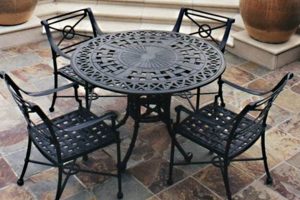
The application of protective coatings and finishes provides an additional layer of defense against environmental stressors. Paints, varnishes, and sealants shield surfaces from moisture penetration, ultraviolet radiation, and abrasive wear. Regular maintenance, including the reapplication of these coatings, is essential for preserving the furniture’s appearance and preventing underlying material degradation. A well-maintained painted finish on a cast iron table not only enhances its aesthetic appeal but also significantly extends its lifespan by preventing rust formation.
- Structural Design for Stability
The structural design of the furniture contributes significantly to its ability to withstand environmental forces. Designs that promote water drainage, minimize stress concentration, and provide adequate support enhance overall stability. Furniture with robust joinery and a well-balanced framework is less susceptible to damage from wind, snow, or uneven ground. A cantilevered design, while aesthetically pleasing, may be more vulnerable to breakage in outdoor settings compared to a more traditional, four-legged structure.
- Climate-Specific Considerations
Local climatic conditions exert a significant influence on the rate of deterioration. High humidity accelerates corrosion and fungal growth, while intense sunlight causes fading and embrittlement. Furniture placed in coastal environments is exposed to salt spray, which accelerates corrosion. Therefore, the choice of materials and maintenance strategies must be tailored to the specific climate. A wrought iron gate in a coastal region, for example, requires more frequent cleaning and protective coating applications than one in a drier, inland area.
The environmental durability of garden antique furniture is a composite of material properties, protective measures, structural design, and climatic influences. Evaluating these factors informs the selection of appropriate restoration techniques, maintenance schedules, and placement strategies, ensuring the prolonged enjoyment and preservation of these historically significant pieces.
Frequently Asked Questions
The following questions address common inquiries regarding the identification, acquisition, care, and preservation of garden antique furniture. These answers aim to provide clarity and guidance for collectors, enthusiasts, and anyone interested in incorporating these historically significant pieces into their outdoor spaces.
Question 1: How does one distinguish genuine antique pieces from reproductions?
Authenticating historical garden furniture requires careful examination of materials, construction techniques, and design details. Consult with antique specialists to verify hallmarks, maker’s marks, and period-specific characteristics. Documented provenance is also a critical indicator of authenticity.
Question 2: What are the most common materials used in the construction of garden antique furniture?
Common materials include wrought iron, cast iron, teak, various hardwoods, and stone. The specific materials employed often reflect the aesthetic preferences and technological capabilities of the era in which the furniture was crafted.
Question 3: What are the essential steps in restoring and preserving garden antique furniture?
Restoration typically involves assessment of damage, surface cleaning, structural repairs, material-specific treatments (e.g., rust removal), and reapplication of protective coatings. The chosen techniques must respect the furniture’s historical integrity.
Question 4: How does environmental exposure affect the longevity of garden antique furniture?
Prolonged exposure to weather, including rain, sunlight, and temperature fluctuations, can accelerate deterioration. Protective coatings, regular maintenance, and appropriate storage practices mitigate these effects.
Question 5: What is the significance of the design period in assessing garden antique furniture?
The design period provides a framework for understanding the furniture’s stylistic characteristics, material preferences, and intended function. Knowledge of design movements, such as Victorian Gothic Revival or Art Deco, aids in authentication and contextualization.
Question 6: How does one integrate garden antique furniture harmoniously into contemporary landscapes?
Successful integration requires careful consideration of scale, style, and material compatibility. Choosing pieces that complement the existing architectural and horticultural features of the outdoor space is crucial. Consider the overall aesthetic and historical context when making selections.
Proper identification, preservation, and integration are critical for realizing the full value and historical significance of these pieces.
The subsequent section will explore case studies of successful garden antique furniture integrations, demonstrating practical applications of the principles discussed.
Conclusion
The preceding exploration has illuminated the multifaceted nature of garden antique furniture, examining its historical provenance, material composition, design periods, restoration techniques, and environmental durability. Acquiring, preserving, and thoughtfully integrating these items demands diligent research and a commitment to upholding their historical integrity. The long-term value of these furnishings lies not only in their aesthetic appeal but also in their ability to connect us to the craftsmanship and design sensibilities of past eras.
Continued study and responsible stewardship are paramount to ensure the survival of garden antique furniture for future generations. By valuing these historical artifacts, stakeholders can preserve a tangible link to the past and enrich outdoor spaces with enduring beauty and cultural significance. Further investigation into regional variations and specialized restoration practices will undoubtedly deepen the understanding and appreciation of this unique category of historical objects.

![Protect & Extend: Garden Furniture Feet Protectors [Buy Now] | The Ultimate Gardening Guide: Grow a Thriving Garden Year-Round](https://MyGardenPatch.com/wp-content/uploads/2025/07/th-3169-300x200.jpg "Protect & Extend: Garden Furniture Feet Protectors [Buy Now] The Ultimate Gardening Guide: Grow a Thriving Garden Year-Round")