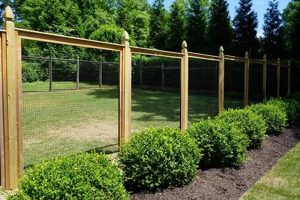
Support structures designed for placement within cultivated floral environments, these objects provide vertical assistance to plants. An example includes a metal rod inserted into the soil adjacent to a climbing rose, guiding its upward growth.
The employment of these supports offers several advantages. Plant stems, often fragile or prone to bending under the weight of blooms, receive essential reinforcement, mitigating damage and encouraging healthy development. Historically, materials like wood and bamboo were used; contemporary options include coated metals and durable plastics, demonstrating a progression in both longevity and aesthetics.
The subsequent discussion will delve into the various materials used in construction, the selection criteria based on plant type and garden design, and the correct installation techniques that maximize effectiveness.
Flower Garden Stake Usage Guidelines
Optimal implementation of these plant supports enhances both aesthetic appeal and horticultural health within cultivated areas. Adherence to established practices ensures maximum benefit.
Tip 1: Material Selection. Prioritize weather-resistant materials such as powder-coated steel or treated wood for outdoor application. This minimizes corrosion and prolongs the support’s lifespan.
Tip 2: Height Assessment. Accurately gauge the mature height of the plant being supported. The support should extend at least two-thirds of the expected height to provide adequate stabilization.
Tip 3: Staking Technique. Insert the support into the soil at a distance of approximately two to three inches from the plant stem. This minimizes root disturbance during installation.
Tip 4: Securing the Plant. Use soft plant ties made of fabric or rubber to affix the stem to the support. Avoid using wire or thin string, as these materials can cause girdling and stem damage.
Tip 5: Regular Inspection. Periodically inspect the supports and ties for signs of wear or loosening. Adjust as needed to maintain optimal plant stability and prevent damage.
Tip 6: Aesthetic Integration. Choose supports that complement the overall garden design. Consider color, material, and style to ensure visual harmony.
Tip 7: Consider Plant Type. Different plants require different support structures. Vining plants may benefit from trellises, while top-heavy flowers need strong, individual supports.
Properly implemented, these structures contribute significantly to the overall health, appearance, and longevity of plantings by providing essential stability and directing growth.
The following section will explore advanced techniques in utilizing plant support structures, including customized solutions for unique horticultural challenges.
1. Material Durability

Material durability constitutes a critical factor in determining the longevity and effectiveness of plant support structures within the cultivated floral environment. The selection of appropriate materials directly influences the structural integrity and resistance to degradation of these essential garden aids.
- Weather Resistance
Exposure to environmental elements such as moisture, ultraviolet radiation, and temperature fluctuations dictates the material’s ability to maintain its physical properties. Materials like powder-coated steel and treated wood exhibit enhanced resistance to corrosion and decay compared to untreated alternatives, leading to prolonged functional lifespan. Untreated wood deteriorates rapidly, while some plastics may become brittle under prolonged UV exposure.
- Structural Integrity
The material must possess adequate load-bearing capacity to support the weight of the plant, particularly during periods of heavy bloom or inclement weather. Steel and reinforced polymers offer superior strength compared to materials such as bamboo or thin-gauge wire, preventing buckling or breakage under stress. A weak support negates the effectiveness of it.
- Resistance to Biological Degradation
Materials susceptible to insect infestation or fungal decay compromise structural stability over time. Certain wood species may require chemical treatment to prevent rot and pest damage, while materials like metal and plastic inherently resist biological decomposition. Improper maintenance or material choice leads to a compromised structure.
- Chemical Inertness
Contact with soil, fertilizers, and pesticides can induce chemical reactions that weaken or degrade certain materials. Chemically inert materials such as certain plastics and coated metals minimize the risk of corrosion or leaching of harmful substances into the soil, preserving both the structural integrity of the support and the health of the surrounding plants. Reactivity will cause the stake structure to fail over time.
The correlation between material durability and the long-term performance of plant support structures is undeniable. Selecting materials optimized for resistance to environmental stressors, structural demands, biological degradation, and chemical interactions ensures sustained functionality and minimizes the need for frequent replacement, contributing to both cost-effectiveness and horticultural success.
2. Height Adequacy

Height adequacy directly influences the effectiveness of floral support structures. Insufficient stake height negates the intended stabilization, predisposing plants to stem breakage or lodging, particularly under the weight of blooms or adverse weather. Conversely, excessive height offers no incremental benefit and introduces unnecessary material cost, potentially detracting from aesthetic integration. For instance, a delphinium, known for its towering flower spikes, requires a stake that extends sufficiently high to support the entire inflorescence, preventing wind damage. A shorter stake would only provide partial support, leaving the upper portion vulnerable. Similarly, tomato plants, although not flowers, demonstrate the importance of staking to above the expected height of the fruit bearing portions.
The proper assessment of mature plant height constitutes a prerequisite for selecting appropriate stake dimensions. Consideration must be given to growth habits, including whether the plant exhibits determinate or indeterminate growth. Indeterminate varieties, characterized by continuous growth throughout the season, necessitate taller stakes or the implementation of progressive support systems. Stake height should facilitate secure attachment of the plant stem without restricting natural growth patterns. Incorrect measurements render the stakes useless, causing more damage than leaving plants to their own devices.
In summary, height adequacy represents a pivotal determinant of success in utilizing supports. Failure to accurate
ly gauge height requirements compromises plant stability, potentially leading to irreversible damage and diminished floral display. The judicious selection of appropriately sized supports, tailored to the specific growth characteristics of each plant species, promotes robust development, aesthetic harmony, and sustained horticultural vitality. A proper stake length means a longer lasting plant.
3. Staking Proximity

The spatial relationship between floral support structures and the plant stemreferred to as staking proximitydirectly influences the effectiveness and potential impact of the intervention. Inadequate distance compromises support, while excessive proximity can induce physical damage to the plant’s root system or stem. The objective is to establish a balance, maximizing stability while minimizing potential harm.
The immediate consequence of inappropriate placement manifests as reduced stability. If positioned too far from the stem, the stake fails to provide adequate resistance against wind or the weight of the blooms, thus negating its primary function. Conversely, driving the stake too close risks root injury. For instance, the delicate root systems of annuals, such as petunias, are particularly susceptible. Direct root damage impedes nutrient uptake, stunting growth and increasing vulnerability to disease. Improper proximity can also result in stem abrasion as the plant sways against the rigid support in high wind.
Achieving optimal staking proximity requires careful assessment of plant size, root structure, and stem fragility. A common recommendation places the stake approximately two to three inches from the stem base. However, this distance should be adjusted based on individual plant characteristics. Regularly inspecting the stake’s position ensures ongoing effectiveness and mitigates potential damage, facilitating healthy growth and maximizing the aesthetic display. The strategic placement balances the support, protection, and the overall health of the plant in the garden.
4. Tying Method
The method used to secure plant stems to supports significantly impacts the efficacy of supports and the overall health of the supported flora. The tying method, a crucial component of the support system, determines the distribution of stress along the stem, influencing the plant’s ability to withstand environmental forces. Improper tying can lead to stem abrasion, constriction, or even breakage, negating the benefits of the support structure itself. For instance, using thin wire to secure a tomato plant to a stake concentrates pressure on a small area, potentially girdling the stem and restricting nutrient flow. Conversely, a broad, soft tie distributes the load more evenly, minimizing the risk of injury.
The selection of appropriate tying materials and techniques must align with the specific needs of the plant species and the prevailing environmental conditions. Materials such as flexible cloth strips, rubberized plant tape, or specialized plant clips offer varying degrees of support and flexibility. The tying method itself should accommodate the plant’s natural growth patterns, allowing for vertical expansion without undue restriction. A loose figure-eight tie, for example, provides ample room for stem thickening while maintaining a secure connection to the support. Overly tight or restrictive ties can impede growth and increase susceptibility to disease.
In conclusion, the tying method represents a critical, often overlooked, aspect of using supports. The selection of appropriate materials and the implementation of effective tying techniques contribute directly to plant health, structural integrity, and the overall aesthetic appeal of the garden. A well-executed tying method maximizes the benefits of support, safeguarding plants from damage and promoting vigorous growth, while a poorly executed one can undermine the entire system, leading to adverse consequences. Prioritizing careful tying practices results in healthier plants.
5. Inspection Frequency

The regularity with which flower garden supports are examined directly correlates with their continued effectiveness and the overall health of the plants they support. This inspection frequency serves as a proactive measure against a range of potential issues that can compromise the support’s function. Without regular assessment, minor problems can escalate, leading to structural failure, plant damage, or both. For example, a garden with climbing roses supported by wooden stakes may experience stake rot due to prolonged moisture exposure. Early detection of this rot during a routine inspection allows for timely replacement of the stake, preventing the rose from collapsing and sustaining stem damage. Conversely, neglecting this inspection allows the rot to progress, eventually resulting in structural failure and potential loss of the plant. Consider also, cases where plant ties become loose or break due to weathering or plant growth. Regular inspection ensures that these ties are replaced or adjusted, preventing stems from rubbing against the stake or bending under their own weight.
Furthermore, inspection frequency facilitates the early identification of pest infestations or diseases that might target the supports themselves or the plants they are aiding. Wooden stakes can become breeding grounds for certain insects or fungi, which can then spread to the plants. Routine inspections allow for the application of appropriate treatments to prevent or mitigate such infestations. Also, visual examination of the connection points between the plant and the stake can reveal early signs of stem girdling, caused by overly tight ties. Addressing this issue promptly prevents strangulation of the stem and ensures continued nutrient flow. Inspection also allows for observation of whether the plant is growing appropriately along the stake, correcting any deviation from the desired growth pattern.
In summation, the diligent application of a systematic inspection schedule constitutes a critical component of effective flower garden stake management. It provides a means to identify and address potential problems before they escalate, ensuring the structural integrity of the supports and the health of the plants they are intended to aid. Overlooking this aspect increases the risk of damage, both to the support structures and the flora, underscoring the practical significance of routine inspections in maintaining a thriving flower garden. Prioritizing the consistent and thorough review of staking systems is a key determinant of horticultural success.
6. Aesthetic Integration

The harmonious blending of functional elements within a landscape contributes significantly to overall visual appeal. Floral support structures, while primarily serving a practical purpose, directly impact the aesthetic character of a flower garden. Incongruous or poorly chosen supports detract from the natural beauty of the plants they are intended to aid. Conversely, well-integrated supports enhance the visual composition, creating a
cohesive and aesthetically pleasing environment. An example includes the use of naturally weathered wooden stakes in a cottage garden, where their rustic appearance complements the informal style and blends seamlessly with the surrounding foliage.
The selection of appropriate materials, colors, and designs constitutes a crucial step in achieving aesthetic integration. Metal supports, often favored for their durability, can be visually softened through the application of muted colors or the incorporation of decorative elements. The height and placement of the stakes also influence their visual impact. Overly tall supports, even if structurally sound, can overwhelm delicate plants, disrupting the balance of the composition. Similarly, haphazard placement can create a cluttered and disorganized appearance. Employing supports that mimic natural forms, such as branches or vines, can further enhance the integration, making them appear as organic extensions of the plants themselves.
In conclusion, aesthetic integration represents a critical consideration in the utilization of flower garden stakes. While functionality remains paramount, the visual impact of these structures cannot be disregarded. The careful selection and placement of supports, informed by a sensitivity to color, form, and the overall design aesthetic, contribute significantly to the creation of a visually harmonious and captivating garden environment. Failure to consider aesthetic integration diminishes the overall horticultural experience and potentially detracts from the inherent beauty of the plants themselves.
Frequently Asked Questions
The following section addresses common inquiries regarding the selection, application, and maintenance of plant support structures within cultivated floral environments. Clarification of these points promotes optimal utilization and enhances horticultural outcomes.
Question 1: What constitutes the optimal material for a floral support?
Material selection hinges upon a synthesis of factors, including plant weight, environmental exposure, and aesthetic preferences. Durable options encompass treated wood, powder-coated steel, and certain polymeric compounds. The selection directly impacts the stake’s longevity and structural integrity.
Question 2: How does one determine the appropriate height for plant supports?
Height is determined by the projected mature height of the target plant species. The support structure should extend at least two-thirds of the plant’s anticipated height to furnish adequate stabilization throughout its lifecycle.
Question 3: What is the correct method for securing a plant stem to a support structure?
Utilize soft, flexible ties crafted from fabric or rubber. Avoid constricting materials such as wire, as these can induce stem girdling and impede nutrient transport. The ties should provide gentle support without restricting natural growth.
Question 4: How frequently should supports be inspected for damage or degradation?
A bi-weekly inspection schedule is recommended, particularly following periods of inclement weather. Check for structural weaknesses, corrosion, or loosened ties. Prompt repairs or replacements mitigate potential plant damage.
Question 5: Does the proximity of the stake to the plant stem influence root health?
Yes. Position the stake at a distance of approximately two to three inches from the stem base to minimize the risk of root disturbance during installation. Care should be taken not to damage the root system.
Question 6: What strategies can be employed to integrate support structures aesthetically within the garden?
Select materials and designs that complement the garden’s overall aesthetic. Consider color, texture, and form when choosing supports. Natural materials like bamboo can blend seamlessly into certain environments.
In summary, proper selection, installation, and maintenance of plant support structures are essential for promoting plant health and enhancing garden aesthetics. Diligent adherence to recommended practices ensures optimal results.
The subsequent section will explore advanced techniques in the creation and customization of floral support systems.
Flower Garden Stakes
This examination has highlighted the multifaceted role of these plant supports in both horticultural practice and garden design. From material selection to staking proximity and tying methods, each element contributes significantly to plant health, structural integrity, and visual harmony. The importance of regular inspections and informed decision-making in their application has been underscored.
The effective utilization of plant supports represents a commitment to horticultural excellence. As gardens evolve and new plant varieties emerge, a continued emphasis on informed selection and diligent maintenance will ensure the enduring beauty and vitality of cultivated floral environments. Further research into sustainable materials and innovative designs offers the potential to enhance both the functionality and aesthetic appeal of these essential garden aids.

![Discover Changs Garden: Your [City] Asian Food Oasis! | The Ultimate Gardening Guide: Grow a Thriving Garden Year-Round](https://MyGardenPatch.com/wp-content/uploads/2025/07/th-8875-300x200.jpg "Discover Changs Garden: Your [City] Asian Food Oasis! The Ultimate Gardening Guide: Grow a Thriving Garden Year-Round")