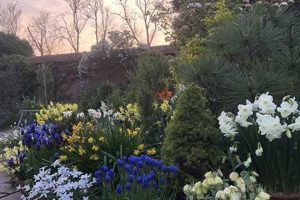
A whimsical miniature scene, often found outdoors, combines diminutive representations of mythical winged beings with natural or crafted landscapes. These arrangements frequently incorporate small plants, figurines, and decorative elements to create an enchanting visual display. For example, a collection of miniature toadstools clustered around a tiny house, accompanied by a delicate winged figure, evokes a sense of magic and wonder.
The appeal of such displays lies in their ability to foster creativity, promote relaxation, and connect individuals with nature. Historically, the concept draws inspiration from folklore and a fascination with the unseen world, offering an accessible way to bring a touch of fantasy into everyday life. The creation and maintenance of these scenes provide a tactile, artistic outlet, while their presence can enhance the aesthetic of any outdoor space.
The following sections will explore the various aspects of designing, constructing, and maintaining these miniature environments, including selecting appropriate plants and figurines, arranging the layout for optimal visual impact, and ensuring the longevity of the display through proper care and protection from the elements.
Design Considerations for Miniature Mythical Realms
The successful creation of diminutive outdoor displays requires careful planning and attention to detail. The following guidelines ensure an aesthetically pleasing and sustainable result.
Tip 1: Site Selection: Prioritize locations that offer partial shade and protection from strong winds. Direct sunlight can damage delicate figurines and dry out miniature plants, while wind can displace lightweight elements.
Tip 2: Scale Consistency: Maintain a uniform scale across all components, including structures, plants, and figurines. Inconsistent sizing disrupts the illusion of a miniature world and detracts from the overall aesthetic.
Tip 3: Plant Selection: Opt for slow-growing, dwarf varieties of plants that will remain appropriately sized over time. Creeping thyme, Irish moss, and miniature ferns are suitable choices.
Tip 4: Drainage: Ensure adequate drainage within the miniature landscape. Poor drainage leads to waterlogging, which can damage plants and cause fungal growth.
Tip 5: Weatherproofing: Select figurines and structures constructed from weather-resistant materials. Resin, treated wood, and sealed ceramic are durable options.
Tip 6: Storytelling Through Arrangement: Arrange elements to create a narrative or evoke a specific mood. Consider incorporating pathways, seating areas, and other details to enhance the sense of realism.
Tip 7: Seasonal Adaptation: Adjust the display seasonally to reflect changes in the natural environment. Adding miniature pumpkins in autumn or snow-covered accessories in winter maintains the scene’s relevance.
Adhering to these principles promotes the creation of captivating and long-lasting miniature landscapes, enhancing the aesthetic appeal of any outdoor setting.
The subsequent sections will delve into the specifics of maintaining these diminutive environments and addressing common challenges.
1. Miniature Scale
Miniature scale is fundamental to the successful depiction of the diminutive scenes. Without adherence to a consistent small-size ratio among the elements, the suspension of disbelief necessary for viewers to engage with the fantastical subject matter is compromised. The intended effect of these scenes is to create a convincing illusion of a real-world environment, albeit one populated by mythical beings. The degree to which this illusion is successful directly correlates with the accuracy and consistency of the reduction in size of all components.
Consider the example of a miniature garden where the central structure, a tiny house, is rendered at 1/24th scale. To maintain the illusion, any accompanying plants, figurines, or accessories must also adhere to this scale. A door that is proportionally too large or a flower that dwarfs the mythical inhabitant immediately shatters the effect. The practical significance of understanding this principle lies in its application to the selection of materials and components. Creators must actively seek out items pre-fabricated to appropriate scales or develop the skills to modify or create custom elements that meet the required size constraints. This extends beyond mere dimensions; texture and detail must also be proportionally accurate. For instance, the texture of bark on a miniature tree must be finer than that of a full-sized tree to maintain the illusion of scale.
In summary, miniature scale is not merely a decorative consideration but a critical element in establishing the believability of diminutive displays. It dictates the choices of materials, fabrication techniques, and overall design aesthetic. While achieving perfect scale accuracy can be challenging, the effort significantly enhances the impact and appeal of the finished display, inviting viewers to immerse themselves fully in the miniature world. Failure to prioritize scale leads to a disjointed and unconvincing scene, undermining the core purpose of the art form.
2. Plant Selection

Plant selection constitutes a critical determinant in establishing the atmosphere and realism within a miniature mythical landscape. The scale, growth habit, and aesthetic characteristics of chosen flora directly influence the overall visual impact. Ill-considered plant choices can disrupt the intended sense of proportion, rendering the diminutive scene unconvincing. For example, a rapidly growing, large-leaved plant quickly overwhelms a tiny house, negating the desired miniature effect and requiring constant pruning to maintain scale. Conversely, appropriately selected slow-growing, small-leaved species like creeping thyme or Irish moss reinforce the illusion of a scaled-down environment, seamlessly blending with miniature structures and figurines. The visual harmony achieved through careful plant selection enhances the immersive quality of the display.
The practical application of this understanding extends to the longevity and maintenance of the miniature world. Selecting plants that thrive in the specific microclimate of the display site minimizes the need for intervention and ensures the long-term health of the miniature garden. Drought-tolerant succulents, for instance, are well-suited to sunny locations with infrequent watering, reducing the risk of overwatering which can damage both plants and miniature structures. Furthermore, considering the plant’s potential mature size prevents the display from becoming overgrown, preserving the original design intent. The careful placement of plants can also serve functional purposes, such as providing shade for delicate figurines or creating natural pathways and boundaries within the miniature landscape.
In summary, plant selection is integral
to crafting believable miniature scenes. The choice of flora not only influences the visual aesthetic but also impacts the long-term viability and maintenance requirements of the display. By prioritizing scale-appropriate, slow-growing, and climate-suitable plants, creators can establish a harmonious and sustainable miniature environment that invites viewers to immerse themselves in a world of fantasy. The challenge lies in balancing aesthetic preferences with practical considerations to ensure the enduring charm of the miniature realm.
3. Figurine Detail
Figurine detail functions as a crucial catalyst in establishing the credibility and narrative richness within a miniature mythical environment. The precision and artistry invested in the figurines significantly influence the viewer’s engagement with the scene. Highly detailed figurines, exhibiting nuanced expressions, intricate clothing, and realistic textures, cultivate a sense of authenticity. This level of detail allows the viewer to suspend disbelief and immerse themselves in the miniature world. Conversely, crudely rendered or generic figurines can detract from the overall impact, undermining the intended atmosphere of wonder and enchantment. The correlation is direct: enhanced figurine detail directly correlates with increased viewer captivation and a stronger connection to the intended narrative. For instance, consider two similar miniature displays; one containing a fairy figurine with delicately crafted wings and intricately painted facial features, and another featuring a fairy figurine with simple, unrefined features. The former is far more likely to elicit a sense of magic and realism, drawing the viewer into the scene’s narrative.
The practical significance of understanding this connection lies in the selection and placement of figurines within the miniature landscape. Creators must prioritize figurines that align with the desired aesthetic and narrative. This might involve investing in handcrafted pieces or meticulously modifying commercially available figurines to enhance their detail. Furthermore, the arrangement of figurines within the scene can amplify their impact. Strategically positioning a detailed figurine to catch the light or creating interactions between figurines within the miniature environment can further enhance the storytelling potential of the display. The choice of materials also plays a critical role. Figurines crafted from high-quality, weather-resistant materials ensure their longevity and prevent degradation, preserving the integrity of the scene over time. For example, resin-based figurines, known for their durability and ability to hold intricate details, are often preferred over cheaper alternatives.
In summary, figurine detail is not merely a cosmetic element but an integral component in cultivating the illusion of a miniature mythical world. The investment in high-quality, meticulously crafted figurines significantly enhances the viewer’s engagement and strengthens the overall narrative impact. While sourcing or creating such detailed figurines can present a challenge, the resulting increase in realism and enchantment justifies the effort. This understanding connects directly to the broader theme of creating believable and captivating miniature displays, emphasizing the importance of every element contributing to the overall aesthetic and storytelling potential.
4. Landscape Design

Landscape design serves as the foundational framework upon which any successful miniature mythical environment, featuring diminutive representations of winged beings, is constructed. The arrangement of natural and artificial elements within the allotted space directly impacts the believability and aesthetic appeal of the scene. Without thoughtful landscape design, the individual components, such as figurines and plants, lack cohesion and fail to create a convincing miniature world. The cause-and-effect relationship is clear: poorly conceived landscape design results in a disjointed and unconvincing display, while well-executed design fosters a sense of immersion and wonder. For instance, a miniature cottage placed haphazardly on a flat surface, without surrounding vegetation or pathways, appears artificial and uninspired. Conversely, the same cottage nestled amongst carefully arranged moss, miniature ferns, and a winding gravel path evokes a sense of realism and invites imaginative exploration.
The practical significance of understanding landscape design principles extends beyond mere aesthetics. Effective design also addresses functional considerations, such as drainage, sunlight exposure, and accessibility for maintenance. Incorporating varying elevations, such as small hills or terraces, adds visual interest and creates microclimates suitable for different plant species. Strategic placement of rocks and other hardscape elements provides structural support and enhances the naturalistic appearance of the scene. The selection of materials also plays a crucial role. Using natural materials, such as wood, stone, and soil, reinforces the connection to the natural environment and contributes to the overall authenticity of the miniature landscape. Consider the example of a miniature pond. A pond constructed from a rigid plastic liner appears artificial, while a pond lined with natural clay and surrounded by strategically placed rocks and aquatic plants seamlessly integrates into the landscape. The former disrupts the scene, while the latter enhances the viewing experience and invites creative exploration.
In conclusion, landscape design is not merely a superficial element but an indispensable component in crafting believable and engaging miniature mythical displays. A strong design foundation provides the structure, context, and visual appeal necessary to transform individual components into a cohesive and captivating scene. While mastering the art of landscape design requires careful planning, attention to detail, and an understanding of natural principles, the resulting increase in realism and enchantment justifies the effort. Challenges may include limited space, uneven terrain, or the need to adapt to specific environmental conditions. However, by embracing creativity and drawing inspiration from the natural world, creators can overcome these challenges and transform ordinary spaces into extraordinary miniature realms.
5. Storytelling Element

The integration of narrative components within a diminutive garden setting significantly enhances the overall engagement and appeal. Storytelling elements transform a static display into a dynamic tableau, inviting viewers to construct their own interpretations and fostering a sense of wonder and discovery. The presence of these elements transforms the miniature scene from a mere collection of objects into a microcosm of imagined realities.
- Implied Character Interaction
The arrangement of diminutive figures, whether mythical winged entities or other denizens of the miniature world, to suggest an ongoing interaction introduces narrative possibilities. Two diminutive figures positioned facing each other, perhaps engaged in a task or seemingly in conversation, generate curiosity about their relationship and the circumstances surrounding their encounter. A small tool placed ne
ar a winged entity figure implies activity and adds to the overall narrative. - Symbolic Object Placement
The deliberate placement of specific objects to represent abstract concepts or symbolic meanings infuses the scene with deeper layers of interpretation. A miniature, weathered book placed near a diminutive character might symbolize knowledge or a quest for understanding. A miniature, broken bridge could signify challenges overcome or opportunities for new beginnings. The interpretation of these symbols is left to the viewer, enriching their experience of the diminutive display.
- Thematic Consistency
Maintaining a cohesive thematic focus across all elements of the miniature landscape reinforces the narrative and avoids jarring inconsistencies. If the story involves a hidden glen, the scene must visually represent a hidden part of the garden, using specific types of plant. Inconsistencies erode the believability of the scene and diminish the overall impact of the storytelling elements.
- Visual Clues to Backstory
Incorporating visual cues that hint at a larger narrative or a history of the miniature world encourages viewers to engage with the scene on a deeper level. A tiny, overturned cart suggests a recent accident or a disruption of the peaceful setting. A miniature, worn pathway hints at a well-traveled route and the presence of other inhabitants. These visual clues spark curiosity and invite viewers to imagine the events that have shaped the miniature landscape.
These narrative components, when thoughtfully integrated into the design, elevate the “fairy in garden” concept beyond a mere decorative display. They foster engagement, stimulate imagination, and transform the scene into a portal to other worlds. This connection highlights the symbiotic relationship between the visual and narrative elements, underscoring the power of storytelling in enhancing the appeal of diminutive mythical scenes.
6. Environmental Harmony
Environmental harmony, within the context of diminutive, mythically-themed gardens, denotes the cohesive integration of the display with its surrounding environment. This is not merely an aesthetic consideration; it encompasses a symbiotic relationship where the miniature scene complements and is supported by the larger ecosystem. The cause-and-effect is clear: when the display harmonizes with its surroundings, it appears more authentic and visually appealing. Conversely, a discordant display detracts from both the surrounding environment and the scene itself. The importance of environmental harmony lies in its capacity to enhance the believability and longevity of the miniature world. For instance, a miniature scene utilizing native plants and materials seamlessly blends into the existing landscape, creating a sense of natural integration. The use of non-native species, conversely, can disrupt the visual flow and potentially introduce invasive species into the surrounding ecosystem.
Practical applications of environmental harmony extend to various aspects of miniature garden creation and maintenance. Soil selection should match the existing soil conditions to promote plant health and minimize the need for amendments. Water usage should be mindful of local resources and conservation efforts. Placement of the display should consider sunlight exposure, drainage patterns, and potential impact on existing vegetation. For example, positioning a moisture-loving miniature scene in a dry, sunny area necessitates frequent watering and may negatively impact the surrounding plants. A more harmonious approach involves selecting a naturally damp, shaded area and utilizing moisture-retentive soil to minimize intervention. The long-term viability of the display hinges on its ability to function as a small component of a larger, healthy ecosystem.
In conclusion, environmental harmony is a critical factor in the success and sustainability of diminutive mythically-themed gardens. By prioritizing the integration of the display with its surrounding environment, creators can enhance the aesthetic appeal, promote ecological balance, and ensure the longevity of their miniature worlds. Challenges may arise in balancing creative vision with environmental considerations, but the benefits of prioritizing harmony far outweigh the difficulties. This principle aligns with the broader theme of responsible landscaping and the importance of considering the environmental impact of all creative endeavors.
7. Whimsical Appeal

Whimsical appeal constitutes a fundamental element in the enduring popularity and evocative power of displays integrating fairy representations within garden settings. This attribute transcends mere aesthetic pleasure, serving as a gateway to imaginative engagement and a connection to folklore.
- Miniature Scale Paradox
The juxtaposition of the familiar (garden elements) with the fantastical (diminutive mythical beings) creates a paradoxical scenario. This deliberate distortion of scale elicits a sense of wonder by presenting the ordinary in an extraordinary context. A tiny house, no larger than a hand, nestled among sprawling foliage amplifies the perceived size of the natural elements, blurring the lines between reality and imagination. This technique is crucial in constructing the whimsical narrative.
- Unconventional Material Usage
The incorporation of unexpected materials to create garden features heightens the sense of whimsy. Repurposing everyday objects, such as broken teacups as planters or discarded buttons as stepping stones, introduces an element of surprise and resourcefulness. This deviation from conventional landscaping practices signals a departure from the mundane, inviting viewers to appreciate the creativity and ingenuity behind the display.
- Asymmetrical Arrangement
Departing from symmetrical design principles contributes to the lighthearted and unconventional aesthetic. Intentional imbalance in the arrangement of plants, figurines, and decorative elements suggests a natural, organic growth pattern, mirroring the unpredictable nature of folklore. This deviation from rigid symmetry promotes a sense of freedom and spontaneity, reinforcing the whimsical atmosphere.
- Narrative Suggestion
Subtle cues within the garden setting hinting at a larger, untold story further enhance the whimsical appeal. A miniature, slightly ajar door on a fairy house implies an unseen world beyond, sparking curiosity and inviting viewers to imagine the lives and adventures of the mythical inhabitants. This subtle narrative suggestion transforms the display from a static composition into a dynamic invitation to imaginative exploration.
Collectively, these facets of whimsical appeal underscore the power of intentional artifice in cultivating a sense of enchantment. The integration of miniature scale paradoxes, unconventional material usage, asymmetrical arrangement, and narrative suggestions transforms the garden into a canvas for imaginative expression. The “fairy in garden” concept, therefore, is not merely a decorative trend but a manifestation of the human desire for wonder and connection to the fantastical.
Frequently Asked Questions
The following questions address common inquiries regarding the creation, maintenance, and conceptual understanding of miniature s
cenes incorporating fairy representations within garden settings.
Question 1: What constitutes an appropriate scale for miniatures intended for outdoor use?
Scale selection dictates the overall visual coherence of the display. A scale of 1:12 or 1:24 is commonly employed, indicating that one unit of measurement in the miniature world corresponds to twelve or twenty-four units in the real world, respectively. The consistent application of a single scale is paramount.
Question 2: Which plant species are best suited for sustained growth within miniature garden settings?
Slow-growing, dwarf varieties of plants are recommended. Species such as creeping thyme (Thymus serpyllum), Irish moss (Sagina subulata), and miniature ferns exhibit characteristics conducive to long-term maintenance within the confines of a diminutive environment.
Question 3: What materials offer the most durable protection against weathering for miniature figurines?
Resin-based composites, treated wood, and sealed ceramics demonstrate resistance to environmental degradation. These materials withstand exposure to moisture, sunlight, and temperature fluctuations, thereby extending the lifespan of miniature components.
Question 4: How can one ensure adequate drainage within a small-scale landscape?
The incorporation of a drainage layer comprised of gravel or coarse sand beneath the planting medium facilitates water percolation. Additionally, the selection of well-draining soil mixes prevents waterlogging and minimizes the risk of root rot.
Question 5: What design principles contribute to the creation of a visually compelling miniature scene?
The principles of visual balance, focal point establishment, and the implementation of a coherent color palette are essential. Employing these design elements enhances the aesthetic appeal and draws the viewer’s eye to key features within the miniature landscape.
Question 6: How does the inclusion of narrative elements enhance the impact of a miniature display?
Narrative elements, such as miniature pathways, implied character interactions, and symbolic object placements, invite viewer engagement and foster a sense of discovery. These components transform a static display into a dynamic and evocative microcosm.
In summary, the successful creation of diminutive mythical realms requires attention to detail, a commitment to scale consistency, and a thoughtful consideration of environmental factors. The integration of design principles and narrative elements further enhances the visual and emotional impact of these enchanting miniature worlds.
The following sections provide further exploration of advanced design techniques and maintenance strategies.
Fairy in Garden
This exploration has illuminated the multifaceted nature of the “fairy in garden” concept, moving beyond superficial aesthetics to examine the underlying principles of design, scale, storytelling, and environmental harmony. Key considerations, including plant selection, figurine detail, and landscape construction, contribute significantly to the overall impact and believability of these diminutive scenes. Furthermore, the integration of narrative elements transforms static displays into dynamic microcosms, inviting viewer engagement and fostering a sense of wonder.
The ongoing development and refinement of these miniature realms present opportunities for creative expression, horticultural exploration, and a heightened awareness of the interconnectedness between art and nature. Continued emphasis on sustainable practices and mindful design principles will ensure the enduring appeal and ecological integrity of the “fairy in garden” concept for future generations.