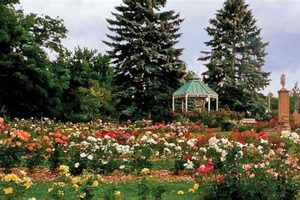
These floral cultivars, distinguished by their multi-petaled blooms and strong fragrances, represent a modern revival of old garden rose forms. Bred for disease resistance and repeat blooming, these plants offer a combination of classic aesthetics and contemporary practicality, appealing to both amateur and experienced horticulturists.
Their significance lies in their ability to bring the charm and perfume of antique rose varieties into modern gardens without the susceptibility to common rose ailments often associated with older types. The historical context involves selective breeding programs focused on improving the health and flowering habits of roses while preserving their desirable aesthetic qualities. The result is a robust and visually appealing garden addition.
The subsequent sections will delve into aspects of cultivation, popular varieties, and integration into landscape design, providing practical guidance for maximizing the beauty and longevity of these cultivated plants.
Cultivation Guidance
Optimizing the growth and flowering of these plants necessitates attention to specific environmental factors and horticultural practices. The following recommendations serve as a guide to successful cultivation.
Tip 1: Site Selection: Prioritize locations with a minimum of six hours of direct sunlight daily. Adequate sunlight promotes vigorous growth and abundant bloom production. Insufficient sunlight can result in weak stems and reduced flowering.
Tip 2: Soil Preparation: Amend the soil with organic matter, such as compost or well-rotted manure, to improve drainage and nutrient availability. A slightly acidic soil pH (6.0-6.5) is optimal for nutrient uptake. Conduct a soil test to determine existing pH levels and adjust accordingly.
Tip 3: Watering Practices: Provide consistent moisture, especially during periods of active growth and flowering. Water deeply at the base of the plant to encourage root development and minimize fungal diseases. Avoid overhead watering, which can promote leaf diseases.
Tip 4: Fertilization: Apply a balanced rose fertilizer in early spring, followed by a second application after the first flush of blooms. Choose a fertilizer specifically formulated for roses to ensure adequate nutrient provision. Avoid over-fertilization, which can lead to excessive foliage growth at the expense of flowers.
Tip 5: Pruning Techniques: Prune established plants in late winter or early spring to remove dead, damaged, or crossing canes. Pruning encourages new growth and improved air circulation, reducing the risk of disease. Make clean cuts at a 45-degree angle just above an outward-facing bud.
Tip 6: Disease and Pest Management: Implement preventative measures to minimize disease and pest infestations. Monitor plants regularly for signs of common rose problems, such as black spot, powdery mildew, and aphids. Employ appropriate control methods, such as fungicides or insecticidal soap, when necessary.
Tip 7: Mulching: Apply a layer of organic mulch around the base of the plants to conserve moisture, suppress weeds, and regulate soil temperature. Replenish the mulch annually to maintain its effectiveness.
Consistent application of these techniques will contribute to the health, vigor, and beauty of these cultivated plants, resulting in a thriving garden display.
The following sections will explore the diverse array of available cultivars and their utilization in landscape designs.
1. Fragrance
Fragrance constitutes a defining characteristic of these rose cultivars, often prioritized alongside visual appeal. The intensity and complexity of their scent significantly contribute to their desirability and perceived value within horticultural contexts.
- Chemical Composition
The fragrance of these roses arises from a complex blend of volatile organic compounds (VOCs), including terpenes, alcohols, esters, and aldehydes. The specific combination and concentration of these compounds determine the unique scent profile of each cultivar. Factors such as genetics, environmental conditions, and time of day influence VOC production, leading to variations in fragrance intensity and character.
- Sensory Perception
The human olfactory system interprets the complex mix of VOCs as a multi-layered scent experience. Descriptors commonly used to characterize the fragrance of these roses include “Old Rose,” “fruity,” “musk,” “myrrh,” and “tea.” The perception of these scents is subjective and influenced by individual sensory sensitivities and cultural associations. The presence of specific notes contributes to the overall appeal and marketability of individual cultivars.
- Pollinator Attraction
Fragrance serves as a crucial attractant for pollinators, such as bees and other insects, facilitating pollination and ensuring the propagation of the rose plants. Cultivars with stronger and more alluring scents typically attract a greater number of pollinators, contributing to increased fruit and seed production. This ecological role underscores the importance of fragrance in maintaining the health and biodiversity of garden ecosystems.
- Breeding Significance
Fragrance is a key consideration in the breeding and selection of new cultivars. Breeders actively seek to develop roses with enhanced fragrance profiles, combining desirable scent characteristics with other traits such as disease resistance and repeat blooming. The selection process often involves rigorous scent evaluations to identify individuals with superior fragrance qualities. The introduction of novel fragrance combinations remains a central goal in rose breeding programs.
The facets of chemical composition, sensory perception, pollinator attraction, and breeding significance underscore the multifaceted role of fragrance in the appeal and cultivation of these rose cultivars. The emphasis on fragrance distinguishes them from many modern hybrids and contributes to their lasting popularity among rose enthusiasts and gardeners.
2. Bloom Form
Bloom form is a defining characteristic contributing significantly to the aesthetic appeal of these roses. The term refers to the shape, structure, and arrangement of petals within the flower. Unlike the pointed, high-centered blooms of some modern hybrid teas, these roses are typically recognized for their fuller, more rounded, and often cupped or quartered blooms. This specific form is a direct result of selective breeding emphasizing the retention of heritage rose characteristics, resulting in blooms reminiscent of antique varieties.
The bloom form directly impacts the perceived beauty and romanticism associated with these roses. A classic example is the ‘Constance Spry’ variety, known for its large, deeply cupped blooms and abundance of petals, creating a visually opulent and fragrant display. The cause-and-effect relationship is clear: the deliberate selection for fuller, more complex blooms results in the distinctive, old-world charm that is highly valued. Another example, ‘Jude the Obscure’, displays a deeply cupped rosette form, contributing to its overall elegance and appeal in garden settings. The structure allows for a greater density of petals, increasing the surface area for fragrance emanation, further enhancing its desirability.
Understanding bloom form is practically significant for gardeners selecting cultivars. Certain forms, such as the globular shape of ‘The Pilgrim’, may be more prone to water retention and fungal diseases in humid climates, requiring specific care strategies. Conversely, more open forms may be less susceptible. In summary, bloom form is not merely an aesthetic consideration but an integral element impacting plant health, garden design, and overall appreciation of these rose cultivars. Careful consideration of bloom form alongside other factors like fragrance and disease resistance enables informed selection and cultivation practices.
3. Color Palette
The color palette inherent in these rose cultivars contributes significantly to their visual appeal and versatility within diverse garden settings. Unlike the often-limited spectrum of some modern rose hybrids, these varieties exhibit a nuanced range of colors, spanning from delicate pastels to rich, saturated hues. This diverse palette allows for the creation of harmonious and visually engaging landscapes, impacting the overall aesthetic experience. The cause-and-effect relationship is evident: selective breeding focusing on expanding the color range directly results in the availability of cultivars suited to various design preferences. The “Color Palette” is a crucial element that shapes the overall perception and value of these roses within the horticultural market.
Real-life examples illustrate the importance of color choice. For instance, planting a mass of ‘Sharifa Asma’ roses, known for their soft pink blooms, creates a sense of serenity and romance in a garden. Conversely, a grouping of ‘Munstead Wood’, with its deep crimson tones, adds drama and intensity. These examples demonstrate how the targeted selection of colors can dramatically alter the mood and atmosphere of a garden space. Furthermore, the practical significance lies in understanding color theory and how different hues interact. Combining complementary colors, such as yellow ‘Golden Celebration’ with purple companion plants, can create a visually dynamic contrast. Conversely, analogous color schemes, such as variations of pink and peach, evoke a more subtle and cohesive aesthetic.
In summary, the color palette of these roses is a defining attribute that impacts their aesthetic value and suitability for different garden designs. Informed selection, based on color theory and desired aesthetic effects, is essential for maximizing their impact. Challenges can arise in maintaining consistent color expression due to environmental factors, but careful cultivar selection and optimal growing conditions can mitigate these issues. The extensive color range offered by these cultivars reinforces their importance as a versatile and highly desirable addition to any garden.
4. Repeat Blooming

Repeat blooming is a highly valued characteristic within the context of these rose cultivars. It refers to the plant’s capacity to produce multiple flushes of blooms throughout the growing season, rather than a single, concentrated flowering period. This trait significantly enhances the ornamental value and extends the period of visual interest provided by these plants in garden settings.
- Genetic Basis
The capacity for repeat blooming is genetically determined, resulting from specific gene combinations related to flowering regulation. Selective breeding programs have focused on amplifying these genetic traits to produce cultivars exhibiting reliable and prolific repeat flowering. Understanding the genetic basis allows breeders to further refine this characteristic, enhancing bloom frequency and duration.
- Environmental Influences
While genetically predisposed to repeat blooming, the expression of this trait is influenced by environmental factors. Adequate sunlight, consistent watering, and appropriate fertilization regimes are crucial for supporting continuous bloom cycles. Conversely, stress factors such as drought, nutrient deficiencies, or pest infestations can inhibit repeat blooming. Environmental management therefore plays a critical role in realizing the plant’s full flowering potential.
- Pruning Techniques
Specific pruning techniques can stimulate and enhance repeat blooming. Deadheading, the removal of spent flowers, prevents the plant from allocating energy to seed production and redirects resources towards new bloom development. Strategic pruning throughout the growing season can encourage branching and promote the formation of flowering laterals, resulting in increased bloom frequency.
- Cultivar Variation
The degree of repeat blooming varies considerably among different cultivars. Some varieties are characterized by near-continuous flowering, while others exhibit distinct bloom flushes separated by periods of reduced flowering. Cultivar selection should consider the desired bloom frequency to align with specific garden design objectives. Thorough research into cultivar-specific blooming characteristics is essential for informed decision-making.
These interconnected facets of genetic basis, environmental influences, pruning techniques, and cultivar variation underscore the complexity of repeat blooming in these roses. The successful expression of this trait depends on a combination of inherent genetic potential and appropriate horticultural management. Recognizing the interplay of these factors enables gardeners to maximize the aesthetic value and extend the flowering season of these esteemed rose cultivars.
5. Disease Resistance

Disease resistance is a critical attribute in modern rose breeding, particularly relevant to these rose cultivars. The ability of a rose to withstand common diseases such as black spot, powdery mildew, and rust directly impacts its longevity, aesthetic appeal, and maintenance requirements. The integration of disease resistance into these cultivars represents a significant advancement, addressing a historical challenge associated with older rose varieties.
- Genetic Inheritance
Disease resistance is largely determined by genetic factors, with specific genes conferring varying degrees of immunity or tolerance to different pathogens. Breeders strategically utilize these genes to develop cultivars with enhanced disease resistance. For example, the ‘Graham Thomas’ rose demonstrates improved resistance to black spot compared to older cultivars, a trait deliberately selected during its breeding process. The practical implication is a reduced need for chemical interventions, promoting environmentally sustainable gardening practices.
- Environmental Influences
While genetics provide the foundation for disease resistance, environmental conditions can significantly influence disease susceptibility. Factors such as humidity, temperature, and air circulation play a crucial role in pathogen development and spread. Roses grown in locations with poor air circulation and high humidity are generally more prone to fungal diseases, regardless of their genetic predisposition. Consequently, proper site selection and cultural practices are essential for maximizing disease resistance. For instance, providing adequate spacing between plants promotes air circulation, reducing the risk of disease outbreaks.
- Breeding Strategies
Rose breeders employ various strategies to enhance disease resistance, including interspecific hybridization and marker-assisted selection. Interspecific hybridization involves crossing roses from different species to introduce new sources of resistance. Marker-assisted selection utilizes DNA markers to identify and select plants carrying desirable resistance genes, accelerating the breeding process. These techniques have led to the development of cultivars like ‘Lady Emma Hamilton,’ which exhibits improved resistance to multiple diseases compared to older, more susceptible varieties. The continuous refinement of breeding strategies remains pivotal for maintaining and enhancing disease resistance in new rose releases.
- Integrated Pest Management
Disease resistance is best viewed as one component of a comprehensive Integrated Pest Management (IPM) approach. IPM emphasizes preventative measures, cultural practices, and biological controls to minimize disease pressure. Strategies such as removing infected foliage, providing adequate watering and fertilization, and using beneficial insects to control pests can further reduce the need for chemical treatments. For example, regular monitoring for signs of disease and prompt removal of affected leaves can prevent the widespread dissemination of pathogens. Combining disease-resistant cultivars with sound IPM practices provides a sustainable and effective approach to rose cultivation.
In conclusion, the integration of disease resistance into these rose cultivars represents a significant improvement over older varieties, contributing to their overall desirability and ease of cultivation. While genetics provide the foundation for resistance, environmental factors and management practices play a crucial role in maximizing their health and longevity. The ongoing efforts of rose breeders to enhance disease resistance, coupled with the adoption of sound IPM strategies, ensure the continued availability of beautiful and resilient rose cultivars for gardens worldwide.
6. Growth Habit

The growth habit of these roses is a critical factor influencing their integration into landscape design and overall garden aesthetic. It dictates the plant’s mature size, form, and structural characteristics, directly impacting how it interacts with surrounding elements and fulfills its intended role within the garden.
- Bush Form and Size
Many cultivars exhibit a shrubby, upright growth habit, typically reaching heights of 3 to 6 feet. Size is significant, as it determines the plant’s suitability for various landscape applications, from borders and hedges to individual specimen plantings. Cultivars like ‘Boscobel’ possess a compact, bushy form, making them well-suited for smaller gardens or container cultivation. Conversely, varieties such as ‘The Generous Gardener’ can exhibit a more sprawling habit, requiring ample space for optimal development. The implications for garden design are considerable, as careful selection based on mature size is crucial for preventing overcrowding and ensuring a balanced aesthetic.
- Climbing Tendencies
Certain cultivars display climbing tendencies, enabling them to ascend structures such as trellises, fences, and walls. These climbing varieties can add vertical dimension and visual interest to the landscape, creating focal points and softening hardscapes. ‘Constance Spry,’ while often grown as a shrub, can also be trained as a climber, reaching considerable heights with proper support. The practical significance lies in the ability to utilize these roses to cover unsightly areas, create privacy screens, or enhance architectural features. Understanding a cultivar’s potential for climbing is essential for providing appropriate support structures and managing its growth effectively.
- Arching Canes
Some cultivars exhibit arching canes, creating a graceful, cascading effect. This growth habit is particularly desirable for informal garden settings, where the flowing lines of the plant contribute to a naturalistic aesthetic. ‘Lady of Shalott’ is a notable example, with its arching canes laden with apricot-colored blooms. The implications for garden design are that these roses can be strategically placed to soften edges, spill over retaining walls, or create a sense of movement within the landscape. Proper pruning techniques can enhance the arching habit, further accentuating its aesthetic appeal.
- Repeat Bloom Impact
The growth habit is intertwined with the repeat blooming characteristic. Consistent pruning and deadheading techniques, tailored to the specific growth habit of a cultivar, encourage repeat flowering and maintain a tidy appearance. For example, removing spent blooms from a shrubby cultivar like ‘Olivia Rose Austin’ promotes the development of new growth and subsequent flushes of flowers. In contrast, pruning a climbing variety like ‘The Pilgrim’ requires a different approach, focusing on maintaining the plant’s structure and encouraging lateral branching. Thus, understanding a rose’s growth habit is crucial for implementing effective pruning strategies that maximize its flowering potential and overall health.
In summary, the growth habit is a fundamental consideration when selecting and incorporating these rose cultivars into a garden. Its influence extends beyond mere aesthetics, impacting maintenance requirements, spatial planning, and overall garden functionality. Selecting cultivars with growth habits appropriate for the intended location and purpose ensures a harmonious and sustainable integration of these roses into the landscape.
7. Cultivar Diversity

Cultivar diversity is a defining characteristic within the realm of these rose cultivars, influencing selection, utilization, and overall horticultural value. The sheer number of available cultivars, each with unique attributes, caters to a broad spectrum of aesthetic preferences and functional requirements within garden design.
- Range of Bloom Forms
The diversity in bloom form among cultivars is considerable, ranging from the fully double, quartered blooms reminiscent of antique roses to more loosely structured, single-petaled forms. ‘Munstead Wood’ exhibits a classic cupped bloom, while ‘Wild Eve’ presents a simpler, more open structure. This range allows gardeners to select blooms that align with specific aesthetic visions, be it formal elegance or naturalistic charm. The implications extend to practical considerations, as certain bloom forms may be more susceptible to weather damage or disease in specific climates.
- Variation in Fragrance Profiles
Fragrance profiles vary significantly across cultivars, encompassing a wide array of scent notes, from the classic “Old Rose” fragrance to fruity, spicy, and myrrh-like aromas. ‘Gertrude Jekyll’ is renowned for its intense Old Rose fragrance, while ‘Lady Emma Hamilton’ offers a more complex blend of fruity and spicy notes. This diversity enables gardeners to curate fragrance experiences, creating gardens that appeal to olfactory as well as visual senses. The practical consequence is that fragrance profiles can influence pollinator attraction and overall garden ecology.
- Differences in Growth Habit
Cultivars exhibit diverse growth habits, ranging from compact, bushy shrubs to sprawling climbers. ‘Boscobel’ maintains a compact, upright form, making it suitable for smaller gardens, whereas ‘The Generous Gardener’ can be trained as a climber, adding vertical dimension to the landscape. This variation in growth habit directly impacts plant placement and utilization within the garden, allowing for diverse applications, from borders and hedges to trellises and wall coverings. The practical significance lies in selecting cultivars whose growth habits align with the available space and desired design effect.
- Differences in Disease Resistance
The level of disease resistance varies among cultivars, with some exhibiting greater tolerance to common rose diseases like black spot and powdery mildew than others. ‘The Lady Gardener’, known for strong resistance, is valuable in regions where black spot is pervasive, minimizing the need for chemical intervention. Cultivars with lower resistance may require more intensive management to prevent disease outbreaks. The implications for sustainability are substantial, as disease-resistant cultivars contribute to reduced pesticide use and promote environmentally sound gardening practices.
The facets of bloom form, fragrance profiles, growth habit, and disease resistance collectively contribute to the cultivar diversity observed in these rose varieties. This diversity caters to varied preferences and requirements, thus expanding the appeal and applicability of these roses across diverse garden settings. Understanding these factors ensures informed decision-making and optimized integration into landscape designs.
Frequently Asked Questions
The following questions address common inquiries regarding the cultivation, characteristics, and selection of these rose cultivars. This information is intended to provide clarity and enhance understanding.
Question 1: How does one distinguish a cultivar from other rose types?
These cultivars are typically characterized by their multi-petaled blooms, strong fragrances reminiscent of old garden roses, and relatively good disease resistance. These roses often exhibit a fuller, more rounded bloom form compared to modern hybrid teas.
Question 2: What are the primary soil requirements for optimal growth?
These roses thrive in well-drained soil enriched with organic matter. A slightly acidic soil pH, ideally between 6.0 and 6.5, is preferred to facilitate nutrient uptake.
Question 3: What pruning techniques are recommended to promote repeat blooming?
Regular deadheading, the removal of spent flowers, is essential. Pruning in late winter or early spring, removing dead or crossing canes, also encourages new growth and improved flowering.
Question 4: How can common diseases, such as black spot and powdery mildew, be effectively managed?
Preventative measures, including proper air circulation, adequate sunlight, and appropriate watering practices, are crucial. Fungicides may be necessary in severe cases, but should be used judiciously.
Question 5: What factors should be considered when selecting a cultivar for a specific garden location?
Consider the mature size and growth habit of the cultivar, as well as its disease resistance and fragrance profile. Match these attributes to the available space, environmental conditions, and desired aesthetic effect.
Question 6: How often should these roses be fertilized?
Apply a balanced rose fertilizer in early spring and again after the first flush of blooms. Avoid over-fertilization, which can lead to excessive foliage growth at the expense of flowers.
These answers provide a foundation for successful cultivation. Cultivar-specific requirements may vary, so detailed research is always recommended.
The next section will provide resources for further research and exploration.
Conclusion
The preceding exploration has illuminated the multifaceted characteristics of English garden roses, underscoring their unique blend of aesthetic appeal, fragrance, and relatively robust nature. Key points include the importance of cultivar selection based on growth habit, disease resistance, and bloom form, as well as the critical role of proper cultivation practices in maximizing their potential. The diversity within this category of roses allows for versatile application across varied garden designs.
Ultimately, understanding the nuances of these cultivars equips horticulturists and garden enthusiasts to make informed decisions, fostering successful cultivation and appreciation of these refined floral specimens. Further research and continued refinement of cultivation techniques will undoubtedly contribute to their enduring presence in gardens worldwide.

![Find Rose Garden Funeral Home Obituaries: [Location] Tributes | The Ultimate Gardening Guide: Grow a Thriving Garden Year-Round](https://MyGardenPatch.com/wp-content/uploads/2025/07/th-1895-300x200.jpg "Find Rose Garden Funeral Home Obituaries: [Location] Tributes The Ultimate Gardening Guide: Grow a Thriving Garden Year-Round")