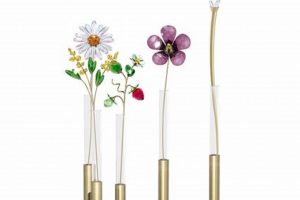
Appropriate attire for outdoor social gatherings often requires careful consideration. The elements, setting, and time of day all influence choices. For example, an afternoon event amongst floral displays typically calls for garments that are both elegant and practical, reflecting a balance between celebratory presentation and comfort in natural surroundings.
Adhering to guidance on apparel for such occasions presents numerous advantages. It demonstrates respect for the hosts and the event itself, contributes to the overall aesthetic ambiance, and ensures attendees feel confident and appropriately situated within the social context. Historically, formalized expectations for attire at outdoor events have existed across cultures, reflecting a desire for coordinated social experiences.
The subsequent sections will detail specific stylistic recommendations, fabric considerations, and accessory choices that effectively meet the requirements of outdoor celebrations. A focus will be given to achieving a polished and comfortable appearance while remaining mindful of the event’s specific atmosphere.
Guidance for Garden Party Attire
Selecting appropriate clothing for an outdoor gathering requires careful consideration of several factors. The following guidelines provide clarity on suitable choices to ensure a harmonious and respectful presence.
Tip 1: Prioritize Lightweight Fabrics: Opt for materials such as linen, cotton, or silk. These fabrics offer breathability and comfort in warmer outdoor environments.
Tip 2: Consider Color Palette: Lighter and brighter colors are generally preferred. Pastel shades, floral prints, or solid jewel tones are appropriate choices. Avoid dark or overly somber colors.
Tip 3: Dress Length and Style: Midi or maxi dresses are often ideal. Skirts should be a respectable length, and the overall silhouette should be elegant and flowing rather than overly revealing or restrictive.
Tip 4: Footwear Selection: Wedges, flats, or block heels are practical and stylish options. Avoid stilettos or any shoe that might sink into the grass. Consider the terrain when selecting footwear.
Tip 5: Accessorize Appropriately: Hats, sunglasses, and light shawls can add a touch of elegance and provide protection from the sun. Choose accessories that complement the outfit without overwhelming it.
Tip 6: Outerwear Considerations: Depending on the weather forecast, a light jacket, cardigan, or wrap might be necessary. Select an outer layer that coordinates with the overall ensemble.
Tip 7: Confirm Specific Requirements: Inquire with the host regarding any specific requests or themes for the gathering. Adhering to these requests demonstrates consideration.
Following these guidelines will help ensure one is appropriately and comfortably attired for an outdoor celebration, contributing to a positive and respectful social experience.
The subsequent section will address common misconceptions and potential errors in garment selection for such events.
1. Fabric Breathability

Fabric breathability plays a critical role in the selection of appropriate attire for outdoor social gatherings. The ability of a fabric to allow air to circulate and moisture to evaporate directly impacts comfort levels, particularly in warmer climates or during extended periods spent outdoors. Choosing suitable materials ensures attendees remain comfortable and presentable throughout the event.
- Comfort and Physiological Regulation
Breathable fabrics facilitate the evaporation of perspiration, which is a natural mechanism for body temperature regulation. Without adequate airflow, moisture can accumulate, leading to discomfort, potential skin irritation, and an overall feeling of unease. Garments constructed from materials like linen or cotton promote airflow, aiding in maintaining a stable and comfortable body temperature.
- Aesthetic Presentation
The appearance of clothing is directly affected by fabric breathability. Materials that do not breathe adequately can exhibit visible signs of moisture, such as dampness or clinging, detracting from the overall aesthetic. Selecting breathable options minimizes these visual distractions, ensuring a more polished and refined presentation throughout the duration of the event.
- Impact on Garment Style and Construction
The requirement for breathability influences garment design. Looser silhouettes and minimal layering are often preferred in conjunction with breathable fabrics. Tightly fitted or heavily layered clothing can negate the benefits of breathable materials, impeding airflow and reducing comfort. Designers consider these factors when creating suitable attire for outdoor events.
- Environmental Considerations
Certain natural fabrics, such as organic cotton or linen, offer both breathability and a reduced environmental impact compared to synthetic alternatives. Selecting these options aligns with principles of sustainability and responsible consumption, contributing to a more ecologically conscious approach to attire selection.
The connection between fabric breathability and appropriate apparel for outdoor social gatherings is therefore multifaceted. It encompasses physiological comfort, aesthetic considerations, garment design principles, and environmental responsibility. Prioritizing breathable materials contributes significantly to a positive and comfortable experience for attendees, ensuring they remain composed and appropriately attired throughout the event.
2. Color Palette

Color palette holds significant sway in determining the appropriateness of attire. Its impact extends beyond mere aesthetic appeal, influencing the perceived formality, tone, and suitability for the environment. The selection of colors for an outdoor social gathering, particularly one amongst flora, directly affects how individuals are perceived and their integration within the event’s overall ambiance. For instance, opting for somber, dark shades at a midday event might create a discordant visual element, disrupting the light and airy atmosphere typically associated with such occasions. Conversely, light pastel shades or vibrant floral patterns can complement the setting, enhancing the celebratory mood. A carefully chosen color scheme reflects an understanding of the event’s intended tone and demonstrates respect for established norms. A real-world example might involve a gathering explicitly themed around springtime; in this case, colors such as pale yellows, greens, and blues would be decidedly more appropriate than deeper autumnal hues. Therefore, a carefully considered color palette forms an integral component of fulfilling attire requirements, influencing visual harmony and contributing to the overal
l social experience.
The influence of color choice can also be observed in historical contexts. In many cultures, specific colors are associated with particular events or seasons. For instance, white is often linked to purity and celebration, while darker colors might be reserved for more solemn occasions. Understanding these cultural associations can inform color palette selection and prevent unintentional misinterpretations or perceived slights. Practical application of this understanding involves considering the time of day, the specific setting (e.g., a manicured garden versus a more rustic outdoor space), and any thematic elements specified by the event organizers. A morning gathering might favor softer, more muted tones, while an afternoon or early evening event could accommodate slightly bolder, more saturated colors. Moreover, individual skin tone and personal style preferences should be considered within the constraints of overall appropriateness.
In summary, selecting an appropriate color palette is an indispensable aspect. While personal preferences play a role, the broader context of the eventincluding time of day, location, theme, and cultural associationsmust also be considered. The challenge lies in striking a balance between individual expression and adherence to established norms. A thoughtfully chosen color palette not only enhances the attendee’s appearance but also contributes to the overall aesthetic cohesion of the event, reflecting a nuanced understanding of the required attire.
3. Dress Length

Dress length assumes a critical role in defining appropriate attire. The selected length must conform to standards of decorum and practicality, aligning with both the setting and the inherent formality of the event.
- Formality and Setting
The expected level of formality directly influences suitable hemline choices. Shorter lengths, such as mini-skirts, are generally inappropriate for such occasions, as they often project an informal or casual image inconsistent with the desired aesthetic. Midi or maxi lengths, conversely, tend to convey a sense of elegance and sophistication, better aligning with the event’s character. For instance, a tea-length dress (falling below the knee but above the ankle) can strike an ideal balance between formality and practicality for navigating outdoor spaces.
- Practicality and Mobility
Beyond aesthetics, practicality must be considered. Excessive length, while potentially elegant, can present challenges in outdoor environments. Dresses that drag on the ground may become soiled or pose a tripping hazard. Midi lengths offer greater ease of movement, allowing guests to navigate grassy or uneven terrain with greater confidence and safety. Furthermore, shorter lengths can be perceived as disrespectful or inappropriate, particularly if the event includes any religious or culturally sensitive elements.
- Weather Considerations
The prevailing weather conditions should also influence dress length selection. In cooler climates, longer lengths provide greater warmth and coverage. Conversely, in warmer temperatures, midi lengths constructed from breathable fabrics may offer a more comfortable option while still maintaining an appropriate level of modesty. The season and potential temperature fluctuations must be taken into account when determining suitable dress length.
- Personal Style and Body Type
While adherence to established norms is paramount, personal style and body type can also inform dress length selection. Certain lengths may be more flattering on specific body shapes. The key is to find a length that complements the wearer’s physique while still conforming to the overall requirements for decorum and formality. For example, an A-line midi dress can be universally flattering and suitable for a wide range of events.
The suitability of dress length is therefore multifaceted, encompassing formality, practicality, weather considerations, and personal style. Adherence to established length conventions ensures attendees present themselves respectfully and appropriately, contributing positively to the overall atmosphere. Failing to consider this important aspect can lead to discomfort, misinterpretation, or even unintentional offense.
4. Footwear Appropriateness

Footwear selection is a critical component of adhering to the standards for an outdoor social gathering. The specific environment presents unique challenges that render certain shoe styles inappropriate while elevating the suitability of others. In essence, footwear appropriateness bridges the gap between aesthetic presentation and practical functionality. The soft ground often associated with outdoor venues precludes the wearing of stiletto heels, as they sink easily into the earth, causing discomfort to the wearer and potentially damaging the surrounding landscape. Conversely, shoes with broader heels, such as wedges or block heels, distribute weight more evenly, providing stability and preventing such issues. Similarly, enclosed footwear may prove excessively warm and uncomfortable in sunlit conditions, leading to a preference for sandals or open-toed shoes. The surface also influences material choices; leather, while generally elegant, can be susceptible to damage from moisture or dirt, whereas synthetic materials often offer greater resilience. The formality of the event should also inform footwear decisions. While highly casual options, like flip-flops, might be comfortable, they are generally deemed unsuitable for occasions requiring a measure of sophistication. Therefore, informed decision-making on footwear choice is essential for successfully navigating the terrain and meeting expectations.
Practical application of these considerations is evident in numerous scenarios. Imagine a formal wedding reception held on a manicured lawn: Guests arriving in stilettos would not only experience discomfort but also disrupt the event’s visual coherence. Conversely, attendees wearing elegant wedges or flats would move with ease and contribute to the event’s polished atmosphere. The specific details of the invitation or any information provided by the host may offer further guidance. Phrases such as “garden attire” or “comfortable footwear recommended” often signal the need for more practical options. It is important to note that overlooking appropriate footwear can negatively impact one’s comfort and potentially detract from the experience. Ill-suited footwear can also lead to accidents or injuries, highlighting the practical significance of adhering to this aspect. Ultimately, proper footwear selection demonstrates respect for the event and the host.
In summary, footwear appropriateness is an indispensable element. The interplay between the event setting, the desired level of formality, and the need for comfort dictates footwear choices. Challenges often arise in balancing aesthetic desires with the practical realities of the outdoor environment. However, by carefully considering the terrain, weather conditions, and expectations, attendees can select footwear that complements their attire, enhances their experience, and reflects a thoughtful understanding of established standards. The understanding of this connection serves as a key element for successfully navigating and enjoying an outdoor event.
5. Accessorization

Accessorization forms an integral component of adherence to expected attire. The careful selection of complementary items directly impacts the overall aesthetic and functional suitability for an outdoor social gathering. Accessories, in this context, serve to enhance the core outfit while simultaneously addressing practical considerations related to weather, sun exposure, and mobility. For instance, a wide-brimmed hat not only adds a touch of elegance but also provides essential protection from the sun’s rays. Similarly, a lightweight shawl can offer warmth during cooler periods while complementing the color palette. The omission of appropriate accessories can detract from an otherwise suitable ensemble, rendering it incomplete or ill-prepared for the environment.
Practical applications of accessorization are diverse and context-dependent. A string of pearls or a delicate necklace can elevate the formality of a dress, making it more appropriate for a semi-formal event. Sunglasses are not merely a stylistic choice but a functional necessity, ensuring comfort and visibility in bright sunlight. A small clutch or handbag allows for the discreet carrying of essential items, such as sunscreen, identification, and personal effects. The key lies in striking a balance between aesthetic enhancement and practical utility. Over-accessorizing can create a cluttered or ostentatious appearance, while under-accessorizing can result in an incomplete or underprepared look. Real-world examples demonstrate the impact of effective accessorization: A simple sundress paired with a stylish hat, comfortable sandals, and a light scarf becomes a perfectly executed ensemble, while the same dress worn without these elements might appear too casual or incomplete.
In summary, accessorization plays a critical role in translating an acceptable outfit into a successful one. The selection should be driven by both aesthetic considerations and practical needs, ensuring that each item complements the overall ensemble and contributes to the attendee’s comfort and preparedness. The challenge lies in achieving a balance that enhances the event’s atmosphere without overwhelming or detracting from the core attire. Thoughtful accessorization demonstrates attention to detail and respect for the event, contributing significantly to the overall social experience.
Frequently Asked Questions on Attire for Outdoor Social Gatherings
The following section addresses common inquiries and clarifies uncertainties regarding appropriate clothing choices for such events. The information provided aims to guide individuals in selecting outfits that are both stylish and suitable.
Question 1: Is darker color clothing acceptable?
While lighter shades are often preferred, darker colors can be appropriate depending on the specific circumstances. A dark navy or deep jewel tone may be suitable for an evening event or one with a more formal tone. However, black should generally be avoided during daytime events.
Question 2: What is the standard of hat-wearing?
Hats can be a stylish and practical accessory, particularly for daytime events. Wide-brimmed hats provide sun protection, while smaller fascinators or decorative hats can add a touch of elegance. The size and style of the hat should be proportionate to the outfit and the event’s formality.
Question 3: How should weather variations be handled?
The potential for weather changes must be considered. A light jacket, cardigan, or shawl can provide warmth if the temperature drops. Consider a water-resistant option if there is a chance of rain. These items should complement the overall aesthetic.
Question 4: Are open-toed shoes appropriate?
Open-toed shoes, such as sandals or elegant flats, are generally acceptable, especially for warmer weather events. However, avoid excessively casual options like flip-flops. The chosen footwear should be clean, well-maintained, and appropriate for walking on grass or uneven surfaces.
Question 5: What level of jewelry is considered acceptable?
Jewelry should be chosen to complement, not overwhelm, the outfit. Delicate necklaces, earrings, or bracelets can add a touch of sophistication. Avoid overly large or flashy pieces that may detract from the overall look. Consider the event’s formality when selecting jewelry.
Question 6: Is it appropriate to ask the host about dress code specifics?
Inquiring with the host regarding any specific requirements or preferences is always appropriate. This demonstrates respect and ensures that one’s attire aligns with the event’s intended atmosphere. If a specific theme or color scheme is requested, adherence is expected.
In summary, navigating apparel requirements involves a careful balance of aesthetic considerations and practical needs. Adhering to these guidelines ensures attendees are appropriately and comfortably dressed, contributing to a positive social experience.
The subsequent section will provide a concluding overview.
Dress Code for a Garden Party
This exposition has delineated the essential elements of the attire expected at an outdoor social gathering. From fabric breathability to appropriate footwear, each facet contributes to a cohesive and respectful presentation. Emphasis has been placed on balancing aesthetic considerations with practical needs, ensuring comfort and appropriateness within the specific environment.
Understanding and adhering to established guidelines is not merely about fashion, but about demonstrating respect for the hosts and contributing positively to the event’s ambiance. Future gatherings will benefit from the thoughtful application of these principles, ensuring a refined and harmonious social experience for all participants.