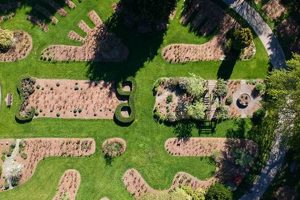
The transformation of arid land into fertile and productive areas represents a significant achievement in land management and environmental engineering. This process involves implementing various strategies to introduce water, improve soil quality, and cultivate plant life in regions that were previously characterized by extreme dryness and limited vegetation. Examples of this undertaking can be seen in agricultural projects in the Middle East and innovative urban planning in arid regions worldwide.
The importance of such land reclamation lies in its potential to enhance food security, combat desertification, and create sustainable ecosystems. Historically, these efforts have allowed civilizations to thrive in challenging environments and have served as a buffer against the impacts of climate change. Furthermore, the establishment of green spaces in arid zones offers significant benefits, including improved air quality, reduced urban heat island effects, and enhanced biodiversity.
Subsequent sections of this discussion will delve into specific methodologies employed in arid land conversion, examining water management techniques, soil enrichment processes, and the selection of appropriate plant species. Furthermore, this exploration will address the social, economic, and ecological considerations integral to ensuring the long-term success and sustainability of these transformative projects.
Strategies for Arid Land Reclamation
The following recommendations offer insights into transforming arid environments into productive landscapes. Successful implementation requires careful planning, resource management, and a thorough understanding of local ecological conditions.
Tip 1: Implement Efficient Water Management Systems: Maximize water utilization through techniques such as drip irrigation and rainwater harvesting. These approaches minimize water loss due to evaporation and runoff, ensuring that scarce resources are used effectively.
Tip 2: Enhance Soil Quality with Organic Amendments: Improve soil structure and nutrient content by incorporating compost, manure, and other organic materials. This enhances water retention and provides essential nutrients for plant growth, establishing a healthier soil ecosystem.
Tip 3: Select Drought-Tolerant Plant Species: Opt for plants adapted to arid conditions, such as succulents, native grasses, and drought-resistant trees. These species require less water and are better suited to survive in harsh environments, promoting long-term sustainability.
Tip 4: Utilize Mulching Techniques: Apply a layer of mulch around plants to reduce evaporation, suppress weed growth, and regulate soil temperature. Organic mulches, such as wood chips or straw, also contribute to soil improvement as they decompose.
Tip 5: Employ Windbreaks to Reduce Erosion: Plant rows of trees or shrubs to create windbreaks, which reduce wind speed and minimize soil erosion. This helps protect newly established vegetation and maintain soil integrity in exposed areas.
Tip 6: Implement Soil Conservation Practices: Utilize terracing, contour plowing, or other techniques to prevent soil erosion and runoff, particularly on sloping land. These methods help conserve water and soil nutrients, maximizing the productivity of the landscape.
The successful application of these strategies can lead to significant improvements in land productivity and environmental sustainability. Careful planning and ongoing monitoring are essential to ensure the long-term success of arid land reclamation efforts.
These concepts lay the groundwork for further exploration of practical applications and case studies in subsequent sections.
1. Water Availability Enhancement

The transition of arid environments to productive gardens fundamentally depends on augmented water resources. In regions characterized by low precipitation and high evaporation rates, the initial constraint on vegetation establishment and sustainable growth is the scarcity of water. Therefore, any effort to realize a “desert to garden” transformation necessitates strategies that increase the availability of this critical resource.
The correlation between water availability enhancement and successful land reclamation is causal. Increased water supply allows for the establishment of plant life, which, in turn, contributes to improved soil structure, increased organic matter, and enhanced biodiversity. Techniques such as rainwater harvesting, drip irrigation, and wastewater recycling directly address the challenge of water scarcity. For example, projects in arid regions of Israel demonstrate how advanced irrigation technologies can support agricultural production in areas with minimal rainfall. Similarly, the implementation of water-wise landscaping practices in desert communities can significantly reduce water consumption while maintaining aesthetically pleasing green spaces.
Sustained improvements in water management are crucial for ensuring the long-term viability of “desert to garden” initiatives. The selection of appropriate water sources and the implementation of efficient delivery systems are paramount to minimizing water waste and maximizing the benefits of available resources. Overcoming challenges such as saline water intrusion and groundwater depletion requires ongoing monitoring and adaptive management strategies. Ultimately, a holistic approach that integrates water availability enhancement with sustainable land management practices is essential for creating thriving and resilient ecosystems in arid environments.
2. Soil Amendment Strategies

The successful transformation of arid landscapes into productive gardens hinges significantly on effective soil amendment strategies. Desert soils are often characterized by poor structure, low organic matter content, and imbalanced nutrient profiles, rendering them inhospitable to plant life. Therefore, targeted interventions to improve soil quality are paramount in realizing the “desert to garden” vision.
- Organic Matter Incorporation
Desert soils typically lack the organic material necessary to support healthy plant growth. Incorporating compost, manure, or other organic matter improves soil structure, enhances water retention, and provides essential nutrients. For instance, using compost derived from local waste streams not only enriches the soil but also reduces the need for synthetic fertilizers. This leads to improved root development and overall plant vitality, vital components of a thriving garden ecosystem.
- Mineral Amendment
The mineral composition of desert soils is often deficient in key elements necessary for plant growth, such as nitrogen, phosphorus, and potassium. Strategic application of mineral amendments, like rock phosphate or potassium sulfate, can rectify these imbalanc
es. These amendments release nutrients slowly over time, providing a sustained supply for plant uptake and promoting long-term soil fertility. The precise selection of mineral amendments should be based on a thorough soil analysis to ensure targeted correction of deficiencies. - Physical Soil Improvement
The physical structure of desert soils, often characterized by compaction or excessive sand content, can impede root penetration and water infiltration. Amendments such as clay minerals (in sandy soils) or sand/gravel (in clay-rich soils) can improve soil aeration, drainage, and overall workability. For example, the addition of clay to sandy soils can increase water-holding capacity, making it more suitable for a wider range of plant species. These physical improvements create a more favorable environment for root growth and nutrient uptake.
- Water Retention Enhancement
Water scarcity is a defining characteristic of desert environments. Soil amendments that enhance water retention are crucial for maximizing the efficiency of irrigation and minimizing water loss through evaporation. Incorporating materials like hydrogels or zeolites into the soil can significantly increase its water-holding capacity. These amendments act as reservoirs, releasing water gradually to plant roots as needed, thereby reducing irrigation frequency and promoting water conservation.
The implementation of these soil amendment strategies, tailored to the specific characteristics of the desert environment, forms the foundation for successful land reclamation. By addressing the inherent limitations of desert soils, these interventions create a more conducive environment for plant establishment, growth, and long-term sustainability. When combined with efficient water management and appropriate plant selection, these strategies play a central role in achieving the “desert to garden” transformation.
3. Plant Selection Criteria

Appropriate plant selection is fundamental to the success of any attempt to transform a desert landscape into a sustainable garden environment. The inherent challenges of arid climates, including water scarcity, extreme temperatures, and nutrient-poor soils, necessitate a deliberate approach to selecting plant species that can thrive under these conditions.
- Drought Tolerance
Species selection must prioritize drought tolerance as a primary criterion. Plants with adaptations to conserve water, such as deep root systems, reduced leaf surface area, or the ability to tolerate prolonged periods of desiccation, are essential. Examples include native desert shrubs like creosote bush (Larrea tridentata) and succulents such as agave (Agave spp.), which can survive with minimal water input. The cultivation of non-drought-tolerant species in arid environments typically requires unsustainable levels of irrigation, negating the long-term goals of establishing a self-sustaining ecosystem.
- Soil Adaptability
Desert soils are often characterized by poor structure, low organic matter content, and high salinity. Therefore, the selection of plant species must consider their ability to tolerate these conditions. Plants with adaptations for nutrient uptake in poor soils or those capable of tolerating saline conditions are more likely to thrive. For example, certain halophytes, such as saltbush (Atriplex spp.), can grow in soils with high salt concentrations. Selecting species that can improve soil conditions through nitrogen fixation or organic matter accumulation can also contribute to the long-term health of the garden ecosystem.
- Climate Suitability
Plant species must be adapted to the specific climate conditions of the target area, including temperature extremes, wind patterns, and solar radiation levels. Native or naturalized species are often the best choice, as they have evolved to thrive in the local environment. However, careful selection of non-native species can also be successful, provided they are well-suited to the climate and do not pose a risk of becoming invasive. For instance, Mediterranean climate plants, such as olive trees (Olea europaea), can often thrive in arid regions with similar climate characteristics. Factors such as frost tolerance and heat resistance must be considered to ensure the long-term survival of selected species.
- Ecological Compatibility
Plant selection should consider the potential impact on the surrounding ecosystem. Invasive species can outcompete native plants, disrupt ecological processes, and reduce biodiversity. It is essential to select plants that are compatible with the local environment and do not pose a risk of becoming invasive. Native species are generally the most ecologically compatible choice, as they support local wildlife and contribute to the overall health of the ecosystem. Additionally, selecting a diversity of plant species can create a more resilient and stable garden ecosystem, providing a range of habitats and food sources for wildlife.
The careful consideration of these plant selection criteria is crucial for establishing thriving and sustainable gardens in arid environments. By selecting species that are drought-tolerant, soil-adaptable, climate-suitable, and ecologically compatible, it is possible to transform even the most challenging desert landscapes into productive and aesthetically pleasing gardens.
4. Microclimate Creation

Microclimate creation forms an integral component of successful “desert to garden” transformations. The harsh environmental conditions prevalent in arid regions, including intense solar radiation, extreme temperature fluctuations, and desiccating winds, present significant challenges for plant establishment and survival. Modifying these localized climatic conditions through strategic interventions is essential to creating more favorable growing environments.
The creation of microclimates in desert environments directly impacts plant physiology and water usage. For instance, shade structures reduce solar radiation, lowering leaf temperatures and minimizing evapotranspiration. Windbreaks, such as strategically planted rows of trees or shrubs, decrease wind velocity, reducing water loss from plants and protecting them from physical damage. Similarly, mulching practices moderate soil temperatures, conserve moisture, and suppress weed growth. In the United Arab Emirates, shade netting and specialized irrigation systems are routinely employed to cultivate a variety of crops in otherwise inhospitable desert landscapes. Understanding these principles allows for the manipulation of local weather conditions to benefit specific plant species and enhance overall garden productivity.
Effective microclimate management necessitates a comprehensive approach, integrating various strategies to address specific environmental challenges. Consideration must be given to factors such as site orientation, plant spacing, and material selection to maximize the effectiveness of microclimate modifications. Despite inherent challenges, the creation of favorable microclimates is pivotal for sustainable “desert to garden” initiatives. This approach ensures greater plant survival rates, reduced water consumption, and enhanced long-term resilience of cultivated landscapes.
5. Erosion Control Methods

Erosion control methods are fundamentally important in any effort to transition desert environments into sustainable gardens. Arid and semi-arid regions are inherently susceptible to soil erosion due to limited vegetation cover, intense precipitation events (when they occur), and strong prevailing winds. Successful establishment and maintenance of a garden landscape in such areas require proactive measures to mitigate soil loss and preserve the integrity of the growing medium.
- Windbreaks and Shelterbelts
Windbreaks, typically rows of trees or shrubs strategically planted perpendicular to prevailing winds, reduce wind velocity at ground level, thereby minimizing wind erosion. Shelterbelts, similar in function, can also provide shade and habitat for beneficial organisms. In the context of “desert to garden,” windbreaks protect newly established plants from desiccation and physical damage, allowing them to develop root systems that further stabilize the soil. An example can be seen in many agricultural projects in arid regions of the Middle East and Central Asia, where tree rows are essential for protecting crops from sandstorms and high winds.
- Contour Terracing and Bunding
On sloping land, contour terracing involves creating level platforms or steps along the contour lines of the terrain. Bunding, the construction of low earthen walls along contours, serves a similar purpose. These techniques intercept surface runoff, reducing its erosive force and allowing water to infiltrate the soil. In “desert to garden” scenarios, terracing and bunding are particularly effective in preventing soil loss during infrequent but intense rainfall events. Mountainous or hilly areas in arid southwestern United States regions, terraced for agriculture centuries ago, demonstrate the long-term benefits of these methods.
- Mulching and Ground Cover
Applying a layer of organic or inorganic mulch to the soil surface provides a protective barrier against both wind and water erosion. Mulch reduces the impact of raindrops, minimizes soil surface evaporation, and suppresses weed growth. Ground cover plants, low-growing vegetation that spreads across the soil surface, serve a similar function by binding soil particles together with their root systems. Within “desert to garden” settings, mulching and ground cover are critical for conserving soil moisture and preventing erosion during periods of drought. Using gravel mulch in desert gardens exemplifies this strategy, as it helps retain moisture and stabilize the soil surface.
- Soil Stabilization with Biopolymers
Emerging technologies involve the application of biopolymers, natural or synthetic substances that bind soil particles together, increasing their resistance to erosion. Biopolymers can be sprayed onto the soil surface, forming a crust that protects against wind and water erosion. These materials are often biodegradable and environmentally friendly. In the “desert to garden” context, biopolymers can be used to stabilize slopes or bare soil areas during the initial stages of vegetation establishment. Research in arid land management is increasingly focusing on these innovative techniques as a sustainable alternative to traditional erosion control measures.
The effective implementation of erosion control methods is crucial for the long-term success of “desert to garden” initiatives. By minimizing soil loss and preserving soil quality, these techniques create a more stable and productive environment for plant growth, contributing to the sustainability of the transformed landscape.
6. Ecosystem diversification

Ecosystem diversification within the context of desert-to-garden initiatives represents a critical transition from simplified, resource-limited environments to complex, resilient systems. The introduction of a variety of plant and animal species into a formerly homogenous landscape initiates a cascade of ecological interactions, enhancing overall stability and sustainability. This diversification process is not merely aesthetic; it directly impacts soil health, water retention, and the long-term viability of the transformed area. For instance, planting a mix of native shrubs, trees, and groundcovers not only provides a range of habitats but also contributes to soil structure improvement through diverse root systems and varying decomposition rates of leaf litter. The presence of pollinators, such as bees and butterflies, attracted by a variety of flowering plants, further enhances reproductive success and genetic diversity within the plant community. This intricate web of interactions is a key differentiator between a simple, managed garden and a self-sustaining ecosystem.
The practical application of ecosystem diversification principles involves careful consideration of species selection, spatial arrangement, and management practices. Monoculture planting, common in traditional agriculture, is antithetical to this approach. Instead, intercropping, companion planting, and the integration of livestock (where appropriate) can create mutually beneficial relationships between different species. For example, nitrogen-fixing legumes planted alongside non-leguminous crops can improve soil fertility, reducing the need for synthetic fertilizers. The introduction of predatory insects or birds can control pest populations naturally, minimizing the reliance on chemical pesticides. These practices, often inspired by permaculture principles, aim to mimic natural ecological processes, fostering a system that is more resistant to disturbances and requires less external input. Documented examples in arid regions of Australia have showcased how the reintroduction of native plant communities has supported the return of indigenous animal species and enhanced overall ecosystem function.
Ecosystem diversification presents inherent challenges, including the need for careful species selection to avoid invasive species and the potential for unforeseen ecological consequences. Ongoing monitoring and adaptive management are essential to ensure that the introduced species integrate harmoniously into the existing environment and contribute to the overall goals of sustainability. The success of desert-to-garden transformations is inextricably linked to the degree to which they promote biodiversity and establish self-regulating ecosystems. This approach ensures that these landscapes are not only aesthetically pleasing but also ecologically functional and resilient in the face of environmental change. This understanding moves beyond the simple act of gardening and towards a more comprehensive approach to landscape restoration and environmental stewardship.
7. Community engagement

Community engagement is a vital element in the successful transformation of desert environments into sustainable gardens. These initiatives often require collective action, shared knowledge, and a sense of ownership among local residents to ensure long-term viability and social impact.
- Knowledge Transfer and Skill Building
Community engagement facilitates the dissemination of knowledge related to sustainable gardening practices, water conservation techniques
, and appropriate plant selection for arid climates. Workshops, training programs, and mentorship opportunities empower community members with the skills needed to actively participate in and maintain the transformed landscapes. For example, local experts can share traditional ecological knowledge about native plants and their uses, fostering a deeper connection to the environment. This knowledge transfer ensures that the skills and expertise needed to sustain the garden remain within the community. - Resource Mobilization and Collaboration
Effective community engagement involves mobilizing local resources, including labor, materials, and financial support. Collaborative partnerships between community organizations, government agencies, and private sector entities can provide access to funding, technical expertise, and other essential resources. Community members can contribute their time and skills to construction, planting, and maintenance activities, fostering a sense of collective ownership and responsibility. An example would be community fundraising events to purchase irrigation equipment or secure land for garden development.
- Social Cohesion and Empowerment
Desert-to-garden initiatives can serve as catalysts for social cohesion and community empowerment. Shared participation in planning, implementation, and management activities fosters a sense of belonging and strengthens social bonds. These initiatives can also provide opportunities for marginalized groups to participate in meaningful activities and gain access to resources and economic opportunities. Community gardens can be spaces where individuals from diverse backgrounds come together to share knowledge, build relationships, and create a shared vision for the future. These collaborative efforts contribute to a stronger sense of community identity and collective efficacy.
- Long-Term Sustainability and Ownership
Community engagement is essential for ensuring the long-term sustainability of desert-to-garden projects. When community members are actively involved in the planning and management of these initiatives, they are more likely to take ownership and ensure their continued success. Community-based governance structures, such as garden committees or community land trusts, can empower local residents to make decisions about the management and use of the transformed landscapes. This sense of ownership promotes stewardship and ensures that the garden remains a valuable asset for future generations. The involvement of schools and youth organizations can further promote environmental awareness and foster a sense of responsibility among young people.
These facets of community engagement, when integrated effectively, can transform desert-to-garden projects from externally driven interventions into community-owned and sustainable initiatives. The success of these efforts is inextricably linked to the degree to which they empower local residents, build social capital, and foster a shared vision for a greener, more resilient future.
Frequently Asked Questions
This section addresses common inquiries regarding the conversion of arid landscapes into productive garden environments, providing insights into practical considerations and potential challenges.
Question 1: Is the transformation of a desert into a garden a feasible endeavor on a large scale?
Feasibility depends on several factors, including water availability, soil quality, investment capital, and community involvement. While localized transformations are demonstrable, scaling up requires careful resource management and sustainable practices to avoid ecological imbalances.
Question 2: What are the primary challenges encountered during a “desert to garden” project?
Challenges include water scarcity, poor soil fertility, extreme temperatures, wind erosion, and the potential for invasive species to disrupt established ecosystems. Mitigation strategies require integrated approaches tailored to specific environmental conditions.
Question 3: How can water be efficiently utilized in arid environments to support garden ecosystems?
Efficient water utilization involves implementing drip irrigation systems, rainwater harvesting techniques, and utilizing drought-tolerant plant species. Water recycling and conservation practices are essential for minimizing water waste and maximizing its availability for plant growth.
Question 4: What types of soil amendments are most effective for improving desert soils?
The most effective soil amendments include organic matter (compost, manure), mineral supplements (nitrogen, phosphorus, potassium), and materials that improve soil structure (clay, sand). The selection of amendments should be based on soil analysis to address specific nutrient deficiencies and structural limitations.
Question 5: Are there ecological risks associated with introducing non-native plant species into desert environments?
Introducing non-native species can pose significant ecological risks, including the potential for invasiveness, displacement of native plants, and disruption of local ecosystems. Careful consideration should be given to the selection of plant species to minimize ecological impacts.
Question 6: What role does community engagement play in the success of “desert to garden” projects?
Community engagement is crucial for ensuring the long-term sustainability and social impact of these projects. Local participation promotes a sense of ownership, facilitates knowledge transfer, and mobilizes resources for ongoing maintenance and management.
Successful “desert to garden” transformations require a comprehensive understanding of environmental constraints, the implementation of sustainable practices, and active community involvement. Careful planning and adaptive management are essential for achieving long-term ecological and social benefits.
This FAQ section lays the groundwork for the concluding thoughts on the profound importance of transforming arid landscapes, as discussed in the subsequent section.
Conclusion
The preceding exploration has detailed the multifaceted approach required to transform arid landscapes into productive environments. Key elements, including water management, soil amendment, plant selection, microclimate creation, erosion control, ecosystem diversification, and community engagement, emerge as critical determinants of success. These strategies, when implemented comprehensively, represent a shift from resource depletion to sustainable land stewardship.
The conversion of barren terrain to verdant spaces offers a tangible pathway toward mitigating environmental degradation and enhancing human well-being in arid regions. The sustained commitment to innovative techniques and collaborative efforts will determine the extent to which these transformations contribute to a more resilient and ecologically balanced future. The long-term viability of these initiatives rests upon the dedication to responsible resource management and the ongoing pursuit of knowledge in arid land ecology.