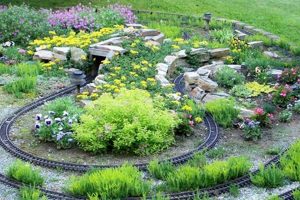
A curated outdoor space serves as an educational tool, showcasing various horticultural techniques, plant varieties, and landscape design principles. This type of garden allows individuals to observe best practices in action, offering tangible examples of successful cultivation methods. For instance, it might feature different composting systems, irrigation strategies, or companion planting arrangements, all clearly labeled and accessible for public viewing.
Such spaces provide numerous benefits to communities. They foster environmental awareness, promote sustainable gardening habits, and enhance local food production. Historically, these gardens have been integral to agricultural extension programs, disseminating knowledge to farmers and home gardeners alike. Their accessible design and informative displays facilitate learning and encourage replication of effective techniques in other settings.
Understanding the core principles exemplified within these instructive landscapes is crucial for appreciating the subsequent discussion of practical applications and advanced methodologies in the main article. The following sections will delve into specific examples of how these spaces can be designed and utilized to maximize their educational impact and contribute to a more sustainable future.
Demonstration Garden
Optimizing a demonstration garden requires careful planning and execution. The following tips offer guidance on creating and maintaining an effective educational space.
Tip 1: Site Selection and Preparation: Choose a location with adequate sunlight, water access, and appropriate soil conditions. Conduct a soil test and amend as necessary to ensure optimal plant growth. Prioritize accessibility for all visitors, including those with mobility challenges.
Tip 2: Clear Labeling and Signage: Each plant variety, technique, and system should be clearly labeled with concise and informative signage. Include both scientific and common names, as well as relevant details about the plant’s characteristics and care requirements. QR codes linking to further resources can enhance the educational experience.
Tip 3: Diverse Planting Strategies: Showcase a variety of planting methods, such as raised beds, container gardening, and vertical gardening. Demonstrate the benefits of companion planting and crop rotation to illustrate sustainable agricultural practices.
Tip 4: Water Conservation Techniques: Implement water-wise irrigation systems, such as drip irrigation or soaker hoses. Demonstrate rainwater harvesting and greywater recycling methods. Select drought-tolerant plant species to reduce water consumption.
Tip 5: Composting and Soil Enrichment: Establish a composting system to recycle organic waste and create nutrient-rich soil amendments. Demonstrate various composting methods, such as vermicomposting and traditional composting piles. Explain the benefits of mulching for soil moisture retention and weed suppression.
Tip 6: Pest and Disease Management: Utilize integrated pest management (IPM) strategies to minimize the use of chemical pesticides. Demonstrate natural pest control methods, such as beneficial insects and trap crops. Select disease-resistant plant varieties.
Tip 7: Seasonal Demonstrations: Plan for year-round interest by showcasing seasonal plantings and techniques. Demonstrate cold-weather gardening practices, such as using row covers and greenhouses, to extend the growing season.
Effective implementation of these tips will enhance the educational value and practical applicability of the garden, enabling visitors to learn and apply sustainable gardening practices in their own environments.
These practical applications serve as a foundation for the concluding discussion on the long-term impact and future potential of these vital educational resources.
1. Educational resource

The designation of a demonstration garden as an educational resource stems directly from its purpose: to actively impart knowledge and skills related to horticulture, sustainable agriculture, and environmental stewardship. The design and maintenance of such a garden prioritize informative displays and practical demonstrations, transforming it from a mere collection of plants into a living laboratory. The effectiveness of a demonstration garden hinges on its ability to educate visitors about various aspects of gardening, from soil preparation and plant selection to pest management and water conservation. Without this educational focus, the garden loses its primary function and becomes simply an ornamental display.
Examples of this connection are evident in gardens that host workshops, guided tours, and signage detailing specific techniques or plant characteristics. A garden showcasing different composting methods alongside explanations of the process and benefits serves as a direct educational tool. Similarly, a display highlighting water-wise gardening practices, such as drip irrigation and drought-tolerant plants, teaches visitors practical strategies for conserving water resources. These interactive components are crucial for reinforcing learning and promoting the adoption of sustainable practices beyond the garden walls. The practical significance lies in empowering individuals with the knowledge and skills to create their own gardens, thereby contributing to increased food security and environmental sustainability at a local level.
In summary, the designation of a demonstration garden as an educational resource is not merely a descriptive label but a defining characteristic that dictates its design, maintenance, and intended impact. The challenges associated with maximizing the educational potential of these gardens include ensuring accessibility, maintaining accurate and up-to-date information, and actively engaging the community through outreach programs. Overcoming these challenges is essential for realizing the full potential of demonstration gardens as catalysts for horticultural knowledge and sustainable living.
2. Sustainable practices

Sustainable practices are an intrinsic component of a demonstration garden. These gardens serve as tangible examples of environmentally responsible techniques, showcasing their efficacy and promoting their adoption. The implementation of such practices within these spaces is not merely an aesthetic choice but a deliberate strategy to illustrate the feasibility and benefits of sustainable horticulture. For instance, a garden employing composting, rainwater harvesting, and integrated pest management demonstrates the interconnectedness of resource conservation and ecological balance. Without the demonstrable application of sustainability principles, these gardens would fail to fulfill their core educational mission.
The selection of plant varieties in a demonstration garden is often guided by sustainability considerations. Native plants, which requi
re less water and fertilizer, are frequently featured to highlight their adaptability and environmental benefits. The demonstration of efficient irrigation techniques, such as drip irrigation, illustrates water conservation strategies. Similarly, the use of cover crops and green manures demonstrates sustainable soil management practices. These techniques collectively reduce reliance on external inputs, minimize environmental impact, and promote long-term ecological health. The practical significance of these demonstrations lies in equipping visitors with the knowledge and skills to implement similar practices in their own gardens and landscapes, fostering a wider adoption of sustainable gardening methods.
The inherent link between sustainable practices and demonstration gardens underscores the potential of these spaces to catalyze positive environmental change. Challenges in implementing and maintaining these practices include ensuring consistent adherence to sustainable principles, effectively communicating the rationale behind these techniques, and adapting to changing environmental conditions. Overcoming these challenges is paramount to realizing the full potential of demonstration gardens as educational resources and promoting sustainable horticulture practices across the broader community, contributing to both environmental and social well-being.
3. Community engagement

Community engagement is an instrumental element in the success and sustained impact of demonstration gardens. The connection between these two stems from the garden’s role as a community asset and an educational resource. A demonstration garden, without active community involvement, risks becoming an underutilized space, failing to disseminate knowledge effectively or foster local stewardship. The presence of robust community engagement translates to increased awareness, participation in workshops, volunteer opportunities, and ultimately, the widespread adoption of sustainable gardening practices beyond the garden’s confines. Community involvement transforms the garden from a passive display into a dynamic hub for learning and collaboration. For instance, community gardens where residents participate in planting, maintaining, and harvesting crops witness a greater sense of ownership and a higher rate of knowledge transfer compared to gardens managed solely by external entities.
Practical applications of community engagement in demonstration gardens are diverse and impactful. Workshops and educational programs tailored to local needs and interests draw larger audiences. Volunteer opportunities, such as weeding, planting, and constructing garden structures, foster a sense of shared responsibility and provide hands-on learning experiences. Community events, like harvest festivals and garden tours, raise awareness and attract new participants. Collaborations with local schools, universities, and community organizations expand the reach of the garden’s educational programs. Moreover, engaging community members in the planning and design of the garden ensures that it reflects local cultural practices and addresses community-specific needs, further solidifying its relevance and value. A successful example includes demonstration gardens that partner with local chefs to showcase recipes using produce grown in the garden, demonstrating the direct link between gardening and healthy eating.
In summary, community engagement is not merely an ancillary activity but an indispensable component of a thriving demonstration garden. It facilitates knowledge dissemination, fosters a sense of ownership, and promotes the adoption of sustainable practices within the community. Challenges in fostering community engagement include overcoming barriers to participation, such as lack of time, transportation, or language differences. Addressing these challenges through targeted outreach, flexible scheduling, and culturally sensitive programming is essential for maximizing the garden’s impact and ensuring its long-term sustainability as a valuable community asset and educational resource.
4. Horticultural techniques
Horticultural techniques form the backbone of a successful demonstration garden. The garden’s primary purposeto educate and inspireis directly enabled by the skillful application and display of various horticultural practices. Without demonstrating proper techniques, the garden ceases to be an effective educational tool, becoming merely a collection of plants. Cause and effect are clearly linked: the correct application of these techniques results in healthy plants, efficient resource utilization, and a visually appealing display, all of which contribute to a compelling learning experience for visitors. These techniques, when properly demonstrated, highlight the relationship between human intervention and plant growth, reinforcing the importance of informed gardening practices.
The selection of specific horticultural techniques to showcase within a demonstration garden is crucial. Techniques such as proper pruning methods, soil preparation, composting, water conservation strategies (e.g., drip irrigation), and pest management are essential. For example, a demonstration area showcasing different pruning techniques on various plant species allows visitors to compare and contrast the outcomes, directly linking method to result. Another common example involves side-by-side comparisons of different soil amendment strategies, clearly illustrating the effects of organic matter on plant growth and soil health. Showcasing both traditional and modern techniques can also provide a comprehensive overview of horticultural practices.
In summary, the integration of horticultural techniques into a demonstration garden is not optional but foundational. The thoughtful selection and clear demonstration of these practices enable the garden to achieve its educational objectives. The challenge lies in presenting complex techniques in an accessible and engaging manner, ensuring that visitors can readily understand and apply the information in their own gardening endeavors. By prioritizing horticultural techniques, a demonstration garden becomes a valuable resource for promoting sustainable gardening practices and fostering a deeper appreciation for the art and science of horticulture.
5. Plant diversity

Plant diversity within a demonstration garden is not merely an aesthetic consideration but a crucial element that significantly enhances its educational value and ecological function. A well-curated collection of plant species and varieties serves as a living textbook, showcasing the vast range of adaptations, uses, and ecological roles within the plant kingdom.
- Educational Showcase
Plant diversity enables a demonstration garden to illustrate a wide array of botanical characteristics, cultivation requirements, and potential uses. For instance, a garden showcasing a variety of fruit trees, from apples to citrus, can demonstrate different pruning techniques, pest management strategies, and fruit production cycles. This diverse selection allows visitors to compare and contrast the characteristics of different species and cultivars, fostering a deeper understanding of plant biology and horticulture.
- Ecological
ResilienceA diverse plant community enhances the resilience of the garden ecosystem. By incorporating a variety of species, the garden becomes less susceptible to pests, diseases, and environmental stresses. For example, interplanting nitrogen-fixing legumes with other crops can improve soil fertility and reduce the need for synthetic fertilizers. Similarly, incorporating native plants supports local pollinators and other beneficial insects, creating a more balanced and self-sustaining ecosystem. Demonstrating these ecological interactions provides valuable insights into sustainable gardening practices.
- Genetic Conservation
Demonstration gardens can play a role in conserving rare and endangered plant species. By cultivating and showcasing these plants, gardens contribute to their preservation and raise awareness about the importance of biodiversity conservation. For example, a garden might feature heritage varieties of vegetables or fruits, preserving genetic resources that are threatened by modern agricultural practices. This function is particularly important in regions where local plant diversity is under threat from habitat loss or climate change.
- Adaptation to Climate Change
Plant diversity allows demonstration gardens to showcase plants suited to changing climatic conditions. By featuring drought-tolerant species, heat-resistant varieties, and plants adapted to increased precipitation or extreme weather events, gardens can demonstrate strategies for adapting to climate change. This is especially crucial in educating the public about selecting plants that are resilient and sustainable in a future characterized by environmental uncertainty. Showcasing plants from different regions with similar climate profiles can also illustrate potential options for adapting to changing conditions.
The incorporation of plant diversity into a demonstration garden transforms it from a simple collection of plants into a dynamic and informative learning environment. It enables the demonstration of sustainable practices, promotes ecological resilience, contributes to genetic conservation, and provides valuable insights into adapting to climate change. By carefully selecting and showcasing a wide range of plant species and varieties, demonstration gardens can effectively educate the public about the importance of biodiversity and inspire them to adopt more sustainable gardening practices.
6. Adaptive strategies

The efficacy of a demonstration garden hinges upon the integration of adaptive strategies. These strategies, encompassing both design and management practices, enable the garden to respond effectively to evolving environmental conditions, community needs, and educational objectives. A static, inflexible garden design quickly loses its relevance and educational value. Consequently, adaptive strategies are not merely beneficial but essential for maintaining a demonstration garden’s long-term viability and impact.
Adaptive strategies manifest in various forms within a demonstration garden. The selection of plant varieties, for example, should be responsive to changing climate patterns and local environmental conditions. Drought-tolerant species and those resistant to prevalent pests and diseases exemplify this adaptation. Furthermore, irrigation systems may need adjustments based on water availability and seasonal variations. Educational programs should also evolve to reflect current issues, such as the increasing need for sustainable food production and the challenges posed by urbanization. For instance, a demonstration garden initially focused on traditional vegetable gardening might adapt its offerings to include information on vertical farming techniques or strategies for growing food in small spaces, reflecting the changing needs of urban residents.
In summary, the success of a demonstration garden is inextricably linked to its ability to adapt. Constant monitoring of environmental conditions, community feedback, and educational outcomes allows for ongoing adjustments, ensuring the garden remains a valuable and relevant resource. Challenges may include securing funding for necessary modifications or navigating community disagreements regarding design or management decisions. Nevertheless, prioritizing adaptive strategies is paramount for maximizing the educational impact and ensuring the sustainability of the demonstration garden in a dynamic world.
Frequently Asked Questions
This section addresses common inquiries regarding the purpose, design, and functionality of demonstration gardens. The information provided aims to clarify misconceptions and offer practical insights for those interested in establishing or utilizing these educational spaces.
Question 1: What distinguishes a demonstration garden from a typical botanical garden or community garden?
A demonstration garden prioritizes education and the showcasing of specific techniques. Unlike botanical gardens, which emphasize plant collections and aesthetics, or community gardens, which focus on shared food production, the primary function of a demonstration garden is to illustrate effective gardening practices and sustainable methodologies. Its design and maintenance are geared towards instructional displays and practical examples.
Question 2: What are the key components typically included in a well-designed demonstration garden?
Essential components include clearly labeled plant varieties, diverse planting methods (e.g., raised beds, vertical gardens), water conservation systems (e.g., drip irrigation), composting demonstrations, and integrated pest management strategies. Signage should provide detailed information about each element, including scientific names, cultural requirements, and ecological benefits. Accessibility for all visitors is also a critical design consideration.
Question 3: How can a demonstration garden contribute to environmental sustainability?
By showcasing sustainable practices such as water conservation, composting, and the use of native plants, demonstration gardens promote environmentally responsible gardening habits. They illustrate how to reduce reliance on synthetic fertilizers and pesticides, minimize water consumption, and enhance biodiversity. These practices collectively contribute to a more sustainable and resilient ecosystem.
Question 4: What role does community engagement play in the success of a demonstration garden?
Community engagement is vital. Workshops, volunteer opportunities, and educational programs foster a sense of ownership and promote knowledge sharing. Involving community members in the planning and maintenance of the garden ensures its relevance and enhances its impact. Active participation increases the likelihood that sustainable practices will be adopted beyond the garden’s boundaries.
Question 5: How is the effectiveness of a demonstration garden measured?
Effectiveness can be assessed through various metrics, including visitor attendance, participation rates in workshops, surveys gauging knowledge gained, and observed adoption of sustainable practices in the community. Tracking the number of individuals who implement demonstrated techniques in their own gardens or landscapes provides tangible evidence of the garden’s impact.
Question 6: What are the primary challenges associated with maintaining a demonstration garden?
Common challenges include securing consistent funding, managing volunteer labor, adapting to changing environ
mental conditions, and keeping educational materials up-to-date. Maintaining visitor interest and ensuring the garden remains relevant to community needs also require ongoing effort and adaptive management strategies.
These frequently asked questions highlight the core principles and practical considerations associated with demonstration gardens. Understanding these aspects is crucial for maximizing their educational value and promoting sustainable gardening practices.
The subsequent section will explore real-world examples of successful demonstration gardens and analyze the factors contributing to their effectiveness.
Demonstration Garden
This exposition has explored the multifaceted nature of the demonstration garden, underscoring its pivotal role as an educational resource, a platform for sustainable practices, and a catalyst for community engagement. From its fundamental design principles to its potential for fostering environmental stewardship, the analysis reveals the inherent value of these carefully curated spaces in disseminating horticultural knowledge and promoting responsible land management.
The effectiveness of a demonstration garden lies not only in its visual appeal but also in its ability to empower individuals with the knowledge and skills necessary to cultivate a more sustainable future. Continued investment in these vital resources is crucial for advancing horticultural literacy, promoting environmental awareness, and fostering a deeper connection between communities and the natural world. Their impact extends beyond the confines of the garden, influencing individual actions and shaping a more environmentally conscious society.