Outdoor furnishings designed with exceptionally deep cushions and ample seating space offer enhanced comfort and relaxation. These pieces often feature wider frames and plush padding, promoting a more immersive and supportive seating experience in outdoor settings. An example includes a patio set with oversized armchairs and a matching sofa, all equipped with thick, resilient cushions designed for prolonged lounging.
The significance of comfortable outdoor lounging options lies in their ability to extend the living space beyond the confines of the home, encouraging individuals to spend more time enjoying their gardens and patios. These items contribute to a greater sense of well-being by providing a relaxing and inviting environment for socializing, reading, or simply unwinding. Historically, outdoor furniture prioritized functionality over comfort; however, modern designs increasingly emphasize both aspects, acknowledging the importance of creating inviting and enjoyable outdoor spaces.
The following discussion will delve into various aspects relevant to selecting appropriate pieces for one’s outdoor area. Factors to consider include material durability, weather resistance, style considerations, and maintenance requirements. Furthermore, the impact of these choices on the overall aesthetic and functionality of the outdoor living space will be examined.
Selecting Comfortable Outdoor Seating
Optimizing an outdoor living space requires careful consideration of seating options. Prioritizing comfort and longevity are paramount when selecting outdoor furnishings.
Tip 1: Prioritize Weather-Resistant Materials: Opt for materials like teak, powder-coated aluminum, or synthetic wicker, which are known for their ability to withstand the elements. Teak, for instance, naturally resists moisture and decay, making it ideal for humid climates. Powder-coated aluminum offers a lightweight and rust-resistant alternative.
Tip 2: Evaluate Cushion Construction: Invest in cushions filled with high-density foam and wrapped in water-resistant fabric. These cushions should retain their shape and provide adequate support over extended periods. Solution-dyed acrylic fabrics offer superior fade resistance compared to standard polyester options.
Tip 3: Assess Frame Strength and Stability: Examine the frame’s construction for solid joints and robust materials. Avoid flimsy frames that may warp or break under stress. Welded joints are generally stronger than bolted or screwed connections.
Tip 4: Consider Ergonomic Design: Look for pieces with angled backrests, adequate seat depth, and armrests positioned for optimal comfort. Ergonomic design minimizes strain and promotes proper posture during extended use.
Tip 5: Account for Maintenance Requirements: Select materials that are easy to clean and maintain. Regularly wiping down surfaces and storing cushions during inclement weather can significantly extend the lifespan of outdoor furnishings.
Tip 6: Test Before Purchase: Whenever possible, physically test seating options before committing to a purchase. This allows one to assess comfort levels and identify any potential issues with the design or construction.
Tip 7: Measure Available Space: Accurately measure the intended placement area to ensure chosen pieces fit comfortably without overcrowding the outdoor living space.
By carefully considering these factors, individuals can select outdoor seating that provides both comfort and durability, enhancing the overall enjoyment of their outdoor environment.
The subsequent sections will address various styles and design considerations for integrating the chosen seating into a cohesive outdoor aesthetic.
1. Comfort

Comfort is a primary consideration when selecting furnishings for outdoor living spaces. The degree to which seating promotes relaxation and well-being directly impacts the frequency and duration of its use. Deep seated garden furniture, by its design, aims to maximize this comfort.
- Cushion Density and Support
Cushion density dictates the level of support provided. High-density foam cushions maintain their shape and offer consistent support over time, preventing sagging and discomfort. Low-density cushions, while initially softer, tend to compress and lose their supportive qualities, leading to a less comfortable experience. The internal structure of the cushion, such as the use of springs or webbing, also contributes to overall support.
- Seat Depth and Angle
Seat depth influences leg support and posture. Deeper seats allow for a more reclined posture, which some find more relaxing. However, excessive seat depth can make it difficult for shorter individuals to sit comfortably. The angle of the backrest also plays a crucial role, with a slight recline generally considered more ergonomic and conducive to relaxation. A poorly angled backrest can lead to back strain and discomfort.
- Material Texture and Breathability
The texture of the fabric covering the cushions and frame affects tactile comfort. Rough or scratchy materials can be irritating to the skin, while smooth and soft fabrics enhance the seating experience. Breathability is also important, particularly in warm climates. Fabrics that allow air to circulate prevent overheating and stickiness, contributing to a more pleasant experience. Materials like solution-dyed acrylic offer both softness and breathability.
- Armrest Height and Position
Armrest height and position significantly impact upper body comfort. Armrests that are too low or too high can cause shoulder and neck strain. Armrests should be positioned to allow the user to rest their arms comfortably without hunching or reaching. The width of the armrest also contributes to comfort, with wider armrests providing more support.
These elementscushion density, seat dimensions, material properties, and armrest designinteract to determine the overall comfort of deep seated garden furniture. Careful attention to each of these factors is essential to creating an inviting and relaxing outdoor living space. Investing in high-quality pieces designed with comfort in mind can significantly enhance the enjoyment of outdoor areas.
2. Materials

The longevity and comfort of deep seated garden furniture are fundamentally linked to the materials employed in its construction. The selection of materials dictates the furniture’s resistance to environmental factors, structural integrity, and tactile experience. Inappropriate material choices can lead to premature degradation, compromising both the aesthetic appeal and the functional lifespan of the furniture. For example, untreated steel frames are susceptible to rust, particularly in humid climates, while low-grade fabrics may fade or deteriorate under prolonged exposure to sunlight. Therefore, the materials serve as a critical determinant of the furniture’s long-term value and usability. Understanding the properties of different materials is essential for selecting suitable deep seated garden furniture.
Specific examples illustrate the impact of material choices. Teak wood, known for its natural oils, exhibits exceptional resistance to water damage, making it a popular choice for frames. Synthetic wicker, crafted from durable polymers, provides a similar aesthetic to natural wicker but offers enhanced weather resistance and longevity. Cushions filled with quick-drying foam and covered in solution-dyed acrylic fabric resist mildew and fading, maintaining their appearance and comfort over extended periods. Conversely, using less durable materials, like untreated pine or standard polyester, necessitates more frequent maintenance and replacement, ultimately increasing the overall cost of ownership.
In conclusion, material selection represents a foundational element in the design and performance of deep seated garden furniture. The choice of materials directly influences the furniture’s durability, comfort, and maintenance requirements. Careful consideration of material properties, informed by an understanding of the intended environment, enables a more informed purchasing decision, leading to greater satisfaction and a longer lifespan for the furniture. The challenge lies in balancing cost considerations with the long-term benefits of higher-quality, more durable materials.
3. Durability

The relationship between durability and deep seated garden furniture is paramount, dictating the longevity and overall value of the investment. Exposure to environmental elements such as sunlight, rain, and temperature fluctuations directly impacts the furniture’s structural integrity and aesthetic appeal. Inferior materials and construction techniques lead to premature wear and tear, requiring frequent repairs or replacements. For instance, a poorly constructed wooden frame may warp or crack under stress, while cushions made with low-grade fabric are prone to fading and mildew growth. Therefore, the initial cost savings associated with less durable options are often offset by higher long-term maintenance and replacement expenses.
The selection of weather-resistant materials and robust construction methods significantly enhances the durability of outdoor seating. Teak wood, known for its natural oils and dense grain, resists moisture damage and insect infestations. Powder-coated aluminum frames provide a lightweight yet sturdy base that resists corrosion. High-density polyethylene (HDPE) wicker offers a durable and weather-resistant alternative to natural wicker. Cushions filled with mildew-resistant foam and covered in solution-dyed acrylic fabric maintain their appearance and comfort for extended periods. Proper joinery techniques, such as mortise-and-tenon joints or welded seams, enhance the structural stability of the furniture. The implementation of protective coatings, such as UV inhibitors, further safeguards against sun damage and color fading. These specific examples highlight the direct correlation between material and construction quality and the long-term durability of deep seated garden furniture.
In summary, durability is an indispensable attribute of deep seated garden furniture. Selecting materials and construction methods that withstand environmental stressors ensures a prolonged lifespan and maximizes the return on investment. While initial cost may be a factor, prioritizing durability mitigates the need for frequent repairs and replacements, ultimately proving more economical in the long run. Understanding the principles of durability enables informed purchasing decisions, contributing to a more sustainable and enjoyable outdoor living experience. The market offers options tailored to diverse climates and usage patterns, but a focus on long-term resilience remains the key to selecting appropriate outdoor furniture.
4. Ergonomics

Ergonomics plays a crucial role in the design and functionality of deep seated garden furniture, directly influencing user comfort and physical well-being. Furniture lacking ergonomic considerations can lead to discomfort, muscle strain, and even long-term musculoskeletal issues. The design of deep seated options inherently promotes relaxation; however, without proper ergonomic support, this potential benefit diminishes. A chair with an excessively deep seat but inadequate lumbar support, for instance, encourages slouching, placing undue stress on the lower back. Consequently, the furniture’s primary function, which is to provide a comfortable and relaxing outdoor experience, is compromised.
Effective ergonomic design in deep seated garden furniture involves several key factors. Seat height must allow for comfortable foot placement, promoting proper circulation and reducing pressure on the thighs. Backrest angles should provide adequate lumbar support, maintaining the natural curvature of the spine. Armrests should be positioned at a height that allows for relaxed shoulder posture. Cushion density also contributes to ergonomic comfort; overly soft cushions offer inadequate support, while overly firm cushions can create pressure points. Real-world examples include chairs with adjustable lumbar support or reclining features that allow users to customize the furniture to their individual needs and preferences. The practical significance of these ergonomic considerations is evident in the increased usability and enjoyment of the furniture.
In conclusion, ergonomics is an indispensable component of well-designed deep seated garden furniture. By prioritizing ergonomic principles, manufacturers can create furniture that not only looks inviting but also promotes physical comfort and well-being. Challenges remain in balancing ergonomic requirements with aesthetic considerations and cost constraints. However, a greater understanding of the relationship between ergonomics and furniture design, coupled with advancements in materials and manufacturing techniques, will likely lead to the development of even more comfortable and supportive outdoor seating options. Ultimately, prioritizing ergonomics enhances the value and appeal of deep seated garden furniture, encouraging individuals to spend more time enjoying their outdoor spaces.
5. Maintenance

The correlation between maintenance and the longevity of deep seated garden furniture is direct and undeniable. Neglecting routine upkeep precipitates deterioration, reducing both the aesthetic appeal and functional lifespan of the furnishings. Environmental exposure, including prolonged sunlight, moisture, and temperature fluctuations, accelerates material degradation if left unaddressed. For instance, cushions left exposed to rain can develop mildew, while wooden frames without protective sealant are susceptible to rot. Therefore, consistent maintenance represents a critical factor in preserving the initial investment and maximizing the value derived from deep seated garden furniture. Without a proactive maintenance strategy, even high-quality materials succumb to the elements over time.
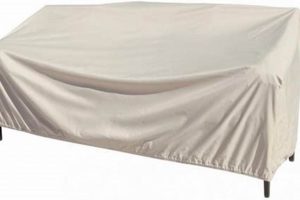
Effective maintenance strategies vary depending on the materials used in the furniture’s construction. Wooden frames require periodic cleaning and application of protective sealants to prevent moisture absorption and UV damage. Metal frames benefit from rust-resistant coatings and regular cleaning to remove dirt and grime. Cushions should be cleaned regularly to prevent the buildup of dirt and stains; some fabrics may require professional cleaning. Protective covers, used when the furniture is not in use, shield it from the elements, reducing the frequency of required cleaning. For example, teak furniture can be cleaned annually with a specialized teak cleaner to restore its natural color and prevent the formation of a gray patina. Cushion covers made of solution-dyed acrylic fabrics can be easily cleaned with mild soap and water. Consistent implementation of these material-specific maintenance procedures significantly extends the lifespan of the furniture.
In conclusion, proactive maintenance is essential for preserving the condition and extending the lifespan of deep seated garden furniture. The effort invested in routine cleaning, protection, and material-specific care yields substantial returns in terms of long-term durability and aesthetic appeal. Neglecting maintenance leads to accelerated deterioration and diminished value. While the time commitment associated with maintenance may be perceived as a drawback, the alternative premature replacement of expensive furnishings represents a far greater cost. Prioritizing maintenance ensures that deep seated garden furniture remains a comfortable and attractive feature of the outdoor living space for years to come. The ongoing challenge lies in educating consumers about the importance of maintenance and providing accessible resources for proper care techniques.
6. Style

Style, in the context of deep seated garden furniture, is not merely an aesthetic consideration but a critical component influencing the overall ambiance and coherence of the outdoor living space. The style of the furniture should complement the architectural style of the home and the design of the garden, creating a unified and harmonious environment. Mismatched styles can result in a jarring and uninviting atmosphere, detracting from the potential enjoyment of the outdoor area. For example, placing ultra-modern, minimalist furniture in a traditional, cottage-style garden can create visual disharmony. Conversely, well-chosen styles enhance the aesthetic appeal and create a sense of tranquility and cohesion. Style choices reflect personal preferences but should also consider the existing environment to achieve a balanced and pleasing result.
The practical application of understanding style in selecting deep seated garden furniture extends to creating specific desired effects. Coastal styles, characterized by light colors, natural materials, and relaxed silhouettes, evoke a sense of seaside serenity. Rustic styles, incorporating rough-hewn wood and earthy tones, create a warm and inviting atmosphere. Contemporary styles, emphasizing clean lines and minimalist designs, project a sense of sophistication and modernity. Furthermore, style considerations influence the choice of accessories, such as cushions, throws, and outdoor lighting, which contribute to the overall aesthetic. Selecting furniture and accessories that align with a specific style theme allows for the creation of a cohesive and visually appealing outdoor space that enhances the user’s enjoyment and the property’s value.
In summary, style is an integral aspect of deep seated garden furniture, directly affecting the aesthetic appeal and overall ambiance of the outdoor living space. While personal preference plays a role, the selection process should prioritize coherence with the surrounding environment to create a unified and harmonious design. Understanding the stylistic characteristics and practical applications associated with different furniture styles empowers individuals to create outdoor spaces that reflect their personal taste and enhance their quality of life. The challenge lies in navigating the myriad of style options and making informed choices that align with both personal preferences and the existing environment.
Frequently Asked Questions
This section addresses common inquiries regarding deep seated garden furniture, providing detailed information to assist in making informed purchasing and maintenance decisions.
Question 1: What distinguishes deep seated garden furniture from standard outdoor furniture?
The primary distinction lies in seat depth and cushion thickness. Deep seated options feature significantly deeper seats and thicker cushions, providing enhanced comfort and a more relaxed seating posture compared to standard outdoor furniture.
Question 2: What materials are most suitable for deep seated garden furniture in humid climates?
Materials resistant to moisture and mildew are paramount. Teak wood, powder-coated aluminum, and synthetic wicker offer superior performance in humid environments. Cushions should be filled with quick-drying foam and covered in water-resistant, breathable fabrics.
Question 3: How can the lifespan of deep seated garden furniture cushions be extended?
Regular cleaning, proper storage during inclement weather, and the use of protective covers are essential. Avoid harsh chemicals and abrasive cleaners. Consider professional cleaning for stubborn stains. Ensure cushions are completely dry before storing to prevent mildew growth.
Question 4: What ergonomic factors should be considered when selecting deep seated garden furniture?
Seat height, backrest angle, and armrest placement are crucial ergonomic considerations. The furniture should provide adequate lumbar support and allow for comfortable foot placement. Adjustable features can enhance ergonomic comfort.
Question 5: How frequently should deep seated garden furniture be cleaned and maintained?
Cleaning frequency depends on environmental factors and usage. Generally, wiping down surfaces weekly and performing a thorough cleaning monthly is advisable. Inspect furniture regularly for signs of damage or wear. Address minor repairs promptly to prevent further deterioration.
Question 6: Can deep seated garden furniture be used in all types of outdoor spaces?
While versatile, deep seated furniture is best suited for larger patios, decks, and gardens where ample space is available. Consider the dimensions of the furniture and the overall layout of the outdoor space to ensure comfortable and functional integration.
Proper selection and consistent maintenance are key to maximizing the enjoyment and lifespan of deep seated garden furniture. Understanding these fundamentals contributes to a more satisfying outdoor living experience.
The following section will explore design considerations for integrating deep seated garden furniture into various outdoor settings.
Conclusion
This exploration of deep seated garden furniture has underscored the importance of selecting pieces that prioritize comfort, durability, and style. The preceding analysis emphasized material selection, ergonomic design, and maintenance practices as crucial determinants of long-term value and user satisfaction. Moreover, the integration of furniture style with the surrounding environment was highlighted as essential for creating a cohesive and aesthetically pleasing outdoor space.
The informed application of these principles will enable individuals to curate outdoor living spaces that enhance their quality of life and appreciate the enduring benefits of well-chosen furnishings. Careful consideration of these factors ensures that deep seated garden furniture serves not only as a functional element but also as a meaningful investment in personal well-being and enjoyment of the outdoor environment.

![Protect & Extend: Garden Furniture Feet Protectors [Buy Now] | The Ultimate Gardening Guide: Grow a Thriving Garden Year-Round](https://MyGardenPatch.com/wp-content/uploads/2025/07/th-3169-300x200.jpg "Protect & Extend: Garden Furniture Feet Protectors [Buy Now] The Ultimate Gardening Guide: Grow a Thriving Garden Year-Round")