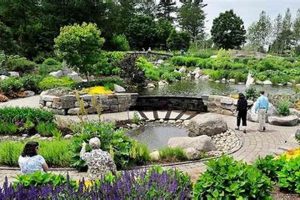
Arrangements for cultivating informal, densely planted outdoor spaces are the subject of considerable planning. These blueprints frequently incorporate a mix of ornamental and edible plants, emphasizing a relaxed, naturalistic aesthetic. As an illustration, a blueprint might specify the inclusion of climbing roses on an arbor alongside self-seeding annuals like cosmos and strategically placed vegetable patches.
The significance of well-considered layouts lies in their ability to maximize visual appeal and functionality within limited areas. Historically, these horticultural approaches provided sustenance and beauty. Modern iterations offer biodiversity benefits, attracting pollinators and creating visually engaging areas with minimal upkeep, promoting sustainability and homeowner satisfaction.
This analysis will further examine key elements, plant selection considerations, implementation strategies, and maintenance techniques crucial for crafting successful and thriving outdoor environments of this nature.
Essential Considerations for Developing Effective Horticultural Layouts
Optimizing the creation of visually appealing and functional outdoor spaces requires meticulous attention to several key principles. Adherence to these guidelines can enhance the overall success of the project.
Tip 1: Prioritize Soil Preparation: Soil quality is paramount. Conduct a soil test to determine pH levels and nutrient deficiencies. Amend the soil with organic matter, such as compost, to improve drainage and fertility. This step ensures a healthy foundation for plant growth.
Tip 2: Emphasize Plant Layering: Create visual depth by planting in layers. Use taller plants at the back of borders, medium-sized plants in the middle, and shorter, ground-covering plants in the front. This technique maximizes visual interest and space utilization.
Tip 3: Incorporate Self-Seeding Varieties: Select plants known for self-seeding, such as Calendula or Foxglove. These species will naturally propagate, contributing to the informal, abundant aesthetic and reducing the need for constant replanting.
Tip 4: Integrate Hardscaping Elements: Introduce pathways, stone walls, or water features to define spaces and create focal points. These elements provide structure and visual contrast, complementing the soft textures of the plantings.
Tip 5: Design for Continuous Bloom: Choose a variety of plants that bloom at different times throughout the growing season. This ensures a continuous display of color and interest from spring through fall.
Tip 6: Control Invasive Species: Implement measures to prevent the spread of aggressive plants. Utilize physical barriers or regular monitoring to manage species that may outcompete desirable plants.
Tip 7: Implement a Watering Strategy: Establish a consistent watering routine, considering the specific needs of the chosen plants. Group plants with similar water requirements to simplify irrigation and prevent over or under-watering.
By integrating these elements, a more sustainable, visually appealing, and easily maintained outdoor space can be achieved, reflecting the core principles of this horticultural style.
The subsequent sections will delve into the practical application of these considerations, offering guidance on specific plant choices and ongoing maintenance strategies.
1. Soil Preparation

Soil preparation constitutes a foundational element within successful horticultural layouts. Its significance lies in directly influencing plant health, vigor, and overall aesthetic appeal, acting as the primary determinant of a flourishing, densely planted outdoor space.
- Nutrient Availability
Soil composition dictates the availability of essential nutrients. Deficiencies in key elements, such as nitrogen, phosphorus, and potassium, limit plant growth and flowering. Soil amendments, including compost and well-rotted manure, augment nutrient levels, supporting robust development. For example, incorporating bone meal provides phosphorus, crucial for root establishment and blossom formation.
- Drainage Capacity
Effective drainage prevents waterlogging, which can lead to root rot and fungal diseases. Soil texture, particularly the proportion of sand, silt, and clay, influences drainage rates. Amending heavy clay soils with organic matter improves aeration and water permeability, creating an environment conducive to healthy root systems. Conversely, sandy soils benefit from organic amendments that enhance water retention.
- pH Regulation
Soil pH influences nutrient uptake. Most plants thrive in a slightly acidic to neutral pH range (6.0-7.0). Conducting a soil test identifies pH imbalances, which can be corrected through the application of lime (to raise pH) or sulfur (to lower pH). Maintaining optimal pH levels ensures plants can efficiently absorb essential nutrients, promoting vigorous growth and vibrant flowering.
- Organic Matter Content
Organic matter enhances soil structure, water retention, and nutrient availability. Compost, leaf mold, and other organic amendments contribute to a healthy soil ecosystem, supporting beneficial microbial activity. A high organic matter content improves soil fertility, reducing the need for synthetic fertilizers and promoting sustainable growth.
Consequently, meticulous soil preparation, encompassing nutrient augmentation, drainage optimization, pH regulation, and organic matter enrichment, directly facilitates the creation of resilient, visually appealing, and ecologically balanced outdoor environments. Neglecting this foundational step compromises plant health and aesthetic qualities, undermining the overall success of the designed space.
2. Plant Selection

Plant selection is an instrumental determinant of the success of any horticultural layout, directly influencing its aesthetic coherence, ecological balance, and overall maintenance requirements. Within the context of dense, informal cultivated spaces, species choice dictates the visual character, the degree of biodiversity supported, and the extent to which the design can thrive with minimal intervention. The careful consideration of species is not merely ornamental but functional; a poorly chosen plant can disrupt the intended visual harmony, outcompete neighboring plants, or demand unsustainable levels of care. For example, the inclusion of aggressive spreaders such as mint without proper containment can lead to their dominance over other, more delicate species, thus compromising the intended aesthetic and ecological balance of the space.
Conversely, thoughtful choices yield harmonious and self-sustaining ecosystems. Selecting a diverse array of plants with varying bloom times ensures a continuous displa
y of color and interest throughout the growing season. The inclusion of native plants supports local pollinators and contributes to biodiversity, reducing the need for artificial inputs such as pesticides and fertilizers. The integration of herbs and vegetables alongside ornamental plants reflects the historical roots of this horticultural style, emphasizing practicality and resourcefulness. Consider the selection of disease-resistant rose varieties to minimize the need for chemical treatments or the use of drought-tolerant perennials in arid climates to reduce water consumption, illustrating practical applications of informed species choices.
In summary, plant selection is not merely a catalog of desired species but a strategic undertaking. It is fundamentally linked to the realization of a visually appealing, ecologically sound, and manageable cultivated space. Navigating this selection process effectively requires an understanding of plant characteristics, environmental conditions, and the intended design aesthetic. The challenges inherent in this process are mitigated through careful research, local expertise, and an iterative approach, allowing for adjustments and refinements based on observed performance. This careful approach ensures alignment with broader horticultural goals.
3. Spatial Arrangement

Spatial arrangement, in the context of cultivation layouts, dictates the visual appeal and functional utility of the space. Within the framework of informal, densely planted outdoor areas, spatial arrangement assumes heightened importance. The deliberately haphazard appearance characteristic of this style is, paradoxically, a product of careful consideration. Incorrect spacing can result in overcrowding, inhibiting plant growth, increasing the risk of disease, and obscuring the intended visual impact. Conversely, insufficient density can undermine the characteristic abundance, leaving the space appearing sparse and disjointed. An effective spatial scheme takes into account the mature size and growth habits of each selected species, ensuring adequate sunlight penetration and air circulation. A balanced arrangement, for example, may position taller plants at the rear of borders, stepping down to medium-sized and groundcover species in the foreground, thereby creating depth and visual interest.
The practical application of spatial arrangement principles involves the strategic placement of plants to create a dynamic and evolving ecosystem. The integration of vertical elements, such as climbing roses on trellises or strategically placed obelisks, introduces height and breaks up horizontal lines. Incorporating meandering pathways encourages exploration and allows for closer interaction with the plantings. Consider the layout of a vegetable plot interspersed with flowering herbs; the arrangement should facilitate accessibility for harvesting and maintenance while also maximizing sunlight exposure for each species. The choice of plant groupings also influences the overall effect. Massing plants of similar color or texture can create a cohesive visual impact, while juxtaposing contrasting forms and foliage can add dynamism and complexity. Practical application extends to considering plant compatibility, with careful placement to avoid competition for resources or allelopathic effects where one plant inhibits the growth of another.
In conclusion, spatial arrangement is not merely an aesthetic concern but a fundamental element of the successful implementation of these layouts. Thoughtful planning that considers plant characteristics, environmental conditions, and functional requirements results in a visually engaging, ecologically balanced, and easily managed space. Addressing the challenge of creating a harmonious and thriving arrangement requires a blend of horticultural knowledge, design sensibility, and ongoing observation. The outcome is a cultivation space that fulfills both aesthetic and practical objectives.
4. Color Palette

The color palette serves as a pivotal element within the framework of horticultural blueprints aimed at creating informal, densely planted outdoor spaces. The selection and arrangement of hues significantly influence the aesthetic appeal and emotional impact of the environment. A deliberate color scheme, characterized by either analogous or complementary combinations, contributes to the overall sense of harmony and visual coherence. Without a carefully considered color strategy, the intended effect of abundance and relaxed charm can be easily undermined, resulting in a disorganized and visually jarring outcome. Consider, for instance, a plan incorporating a predominantly pastel palette of pinks, blues, and whites to evoke a sense of tranquility, contrasting with a vibrant scheme utilizing reds, oranges, and yellows to generate energy and excitement.
The application of color principles extends beyond mere aesthetics to influence the perception of space and scale. Cool colors, such as blues and purples, tend to recede visually, creating an illusion of greater depth. Conversely, warm colors, like reds and yellows, appear to advance, drawing the eye and making spaces feel more intimate. In small spaces, a predominantly cool color palette can enhance the feeling of spaciousness, while in larger spaces, warm colors can create focal points and visual anchors. Real-world examples, such as Monet’s garden at Giverny, showcase the masterful use of color to create a sense of immersive beauty, employing gradual transitions and strategic contrasts to guide the viewer’s eye and evoke specific moods. The selection process also encompasses foliage color; silver, gray, or variegated leaves contribute textural and visual interest, serving as neutral elements that bridge contrasting blooms.
In conclusion, the color palette constitutes a foundational aspect of effective outdoor space blueprints. A thoughtful approach to hue selection not only enhances aesthetic appeal but also influences the perception of space and reinforces the intended emotional atmosphere. The challenges associated with creating a balanced and harmonious color scheme are addressed through an understanding of color theory, careful consideration of environmental factors, and ongoing observation of plant performance. Ultimately, a well-conceived color palette elevates the design from a mere collection of plants to a cohesive and visually compelling environment, contributing significantly to the overall success of the project.
5. Pathways Integration

Effective integration of pathways is critical in realizing a successful cultivated outdoor space. Pathways provide functional access, define spatial relationships, and contribute significantly to the overall aesthetic appeal. Within the context of informal, densely planted arrangements, pathway design must harmonize with the naturalistic character of the surroundings, facilitating exploration and maintenance without disrupting the intended visual effect.
- Material Selection and Aesthetic Harmony
Pathway materials should complement the chosen plant palette and overall design aesthetic. Gravel, flagstone, or mulch paths contribute to the informal character, while more formal materials like brick or pavers introduce a contrasting element. The selected material
directly influences the visual texture and color of the space, impacting the perceived level of formality and contributing to the overall sense of cohesion. For example, a winding gravel path edged with flowering plants evokes a classic, relaxed character. - Functional Accessibility and Circulation
Pathways must provide practical access for maintenance activities, such as weeding, pruning, and harvesting. The width and placement of pathways should accommodate the movement of tools and equipment without damaging plants. A well-designed pathway system ensures efficient circulation throughout the space, allowing users to fully experience and appreciate the plantings. This might involve wider paths in high-traffic areas and narrower, less defined paths for more secluded sections.
- Spatial Definition and Visual Guidance
Pathways serve to define distinct areas within the cultivated space, creating a sense of structure within the seemingly unstructured design. Pathways can direct the eye, leading visitors through the landscape and highlighting focal points. Curving pathways introduce an element of mystery and encourage exploration, while straight paths create a more direct and purposeful flow. For example, a path leading to a hidden bench or water feature creates a sense of discovery.
- Integration with Planting Beds
The transition between pathways and planting beds should be seamless and natural. Overhanging plants softening the edges of the pathway contribute to the informal aesthetic. Stepping stones interspersed within groundcover plants create a more immersive and less defined pathway experience. The integration of pathways with planting beds allows for a dynamic interaction between hardscape and softscape elements, enhancing the overall visual appeal and ecological function of the cultivated area. Careful consideration of edging materials and plant selection is crucial for achieving this integration.
In summary, the successful integration of pathways requires a holistic approach that considers both functional and aesthetic requirements. The selection of appropriate materials, careful attention to accessibility and circulation, the deliberate definition of spatial relationships, and the seamless integration with planting beds are all essential for creating a visually appealing and functionally efficient space, embodying the essence of planned outdoor areas.
6. Maintenance Strategy

Maintenance strategies are intrinsically linked to the long-term viability and aesthetic consistency of arrangements for informal, densely planted outdoor spaces. The initial layout, plant selections, and spatial arrangements directly influence the ongoing maintenance demands. A meticulously crafted blueprint that overlooks future upkeep requirements will inevitably result in a diminished or unsustainable horticultural display. For instance, a planting scheme heavily reliant on species requiring frequent deadheading or division, without factoring in available time and resources for these tasks, may lead to overgrowth, reduced flowering, and a general decline in visual appeal. Consider also the strategic use of ground cover plants to suppress weed growth, thereby reducing the need for labor-intensive weeding activities; this decision, made at the layout stage, directly impacts subsequent maintenance needs.
Effective maintenance strategies encompass several critical components, including regular weeding, appropriate irrigation, fertilization, pest and disease control, pruning, and deadheading. The frequency and intensity of these tasks vary depending on plant selection and environmental conditions. For example, xeriscaping principles, incorporated during planning, can substantially reduce irrigation demands in arid climates. Similarly, the selection of disease-resistant varieties minimizes the need for chemical interventions. Seasonal adjustments to maintenance schedules are also essential; spring may necessitate aggressive pruning to encourage new growth, while autumn focuses on removing dead foliage and preparing plants for winter dormancy. Integrating integrated pest management techniques, which prioritize preventative measures and biological controls over broad-spectrum pesticides, minimizes environmental impact and promotes a healthier ecosystem.
In summation, a well-defined maintenance strategy is not an afterthought but an integral element of any blueprints for dense, informal outdoor arrangements. Neglecting this aspect can compromise the long-term success of the layout, resulting in increased workload, diminished aesthetic appeal, and potential ecological imbalances. Understanding the interplay between the initial layout and subsequent maintenance requirements is crucial for creating sustainable, visually appealing, and manageable outdoor environments. The proactive integration of maintenance considerations into the planning phase is an investment that yields long-term dividends in both beauty and functionality.
7. Wildlife Attraction

The incorporation of elements to attract wildlife is an increasingly recognized aspect of informed cultivation blueprints. These layouts, traditionally characterized by their informal aesthetics and dense plantings, offer a unique opportunity to foster biodiversity and ecological balance within cultivated environments.
- Plant Selection for Pollinators
Choosing plant species that provide nectar and pollen resources for insects is fundamental. Native plants, in particular, support local pollinator populations. Examples include bee balm (Monarda spp.) for bees, butterfly bush (Buddleja davidii) for butterflies, and hummingbird sage (Salvia spathacea) for hummingbirds. Integrating a diverse range of flowering plants with staggered bloom times ensures a continuous food supply throughout the growing season, enhancing the overall attractiveness to pollinators.
- Habitat Provision through Structural Diversity
Creating diverse habitat structures within the layout supports a wider range of wildlife species. This includes incorporating elements such as brush piles for shelter, rock gardens for reptiles, and water features for amphibians and insects. Layering plants of varying heights and densities provides nesting and foraging opportunities for birds and small mammals. These structural elements contribute to a more complex and resilient ecosystem within the cultivated space.
- Water Source Integration
Access to a reliable water source is essential for attracting wildlife. Bird baths, small ponds, or even shallow dishes of water provide hydration for birds, insects, and other animals. The inclusion of aquatic plants in ponds enhances the habitat value for amphibians and aquatic invertebrates. Maintaining clean water sources is crucial for preventing the spread of diseases and ensuring the health of visiting wildlife populations.
- Pesticide-Free Practices
Avoiding the use of chemical pesticides is paramount for protecting beneficial insects and other wildlife. Broad-spectrum pesticides can indiscriminately kill pollinators and other non-target organisms, disrupting the ecological balance of the space. Implementing integrated pest management strategies, which prioritize preventative measures and biological controls, minimizes the need for chemical interventions and promotes a healthier environment for
wildlife.
The integration of these facets into a dense, informal planting plan transforms the cultivated space from a purely ornamental display into a functional ecosystem. The result is a visually appealing and ecologically beneficial environment that supports biodiversity and enhances the overall sustainability of the landscape.
Frequently Asked Questions
This section addresses common inquiries regarding the creation and implementation of plans for cultivating outdoor spaces with a densely planted, informal aesthetic.
Question 1: How does one determine the appropriate plant density for a setting?
Plant density is contingent on several factors, including plant species, mature size, and desired aesthetic. Generally, plants are spaced closer together than in formal designs, but adequate spacing for air circulation and sunlight penetration remains essential to prevent disease and promote healthy growth. Researching individual plant requirements is advisable.
Question 2: What constitutes a suitable soil amendment for enhancing soil fertility?
Compost, well-rotted manure, and leaf mold are suitable soil amendments. The specific amendment selection should align with the soil type and the nutritional needs of the chosen plants. Soil testing provides insights into existing nutrient levels and guides amendment selection.
Question 3: How is effective weed management achieved within densely planted outdoor areas?
Mulching, hand-pulling, and the use of appropriate ground cover plants are viable weed management strategies. Chemical herbicides are discouraged due to their potential impact on beneficial insects and non-target plants. Consistent monitoring and timely intervention are crucial.
Question 4: What considerations govern the selection of pathway materials?
Pathway material selection depends on aesthetic preferences, budget constraints, and functional requirements. Gravel, flagstone, and mulch offer informal, naturalistic appeal. Durability, permeability, and ease of maintenance are factors to consider.
Question 5: How is continuous bloom achieved throughout the growing season?
Selecting plant species with staggered bloom times ensures continuous color and interest. Planning a bloom sequence spanning spring, summer, and fall is essential. Plant catalogs and horticultural resources provide information on bloom times.
Question 6: What strategies are employed to attract beneficial insects and pollinators?
Planting nectar-rich and pollen-rich flowers attracts beneficial insects and pollinators. Avoiding the use of chemical pesticides and providing water sources further enhances the habitat value. Native plant species are particularly effective in supporting local wildlife.
In summary, the successful execution of a blueprint for an informal, densely planted outdoor space hinges on informed decision-making regarding plant selection, soil management, weed control, pathway design, and wildlife attraction. A proactive and adaptive approach to maintenance ensures long-term vitality and aesthetic appeal.
The subsequent section will explore specific plant recommendations for various climate zones.
Cottage Garden Design Plans
This exploration has illuminated the multifaceted considerations inherent in “cottage garden design plans”. Elements such as meticulous soil preparation, strategic plant selection, deliberate spatial arrangement, harmonious color palettes, functional pathway integration, proactive maintenance strategies, and wildlife attraction initiatives are not isolated components, but rather interconnected facets of a holistic approach. A successful blueprint necessitates careful consideration of each aspect, acknowledging their interdependence in achieving a visually compelling and ecologically sustainable outdoor environment.
Effective implementation of “cottage garden design plans” necessitates a commitment to ongoing observation and adaptation. By embracing a dynamic and informed methodology, practitioners can cultivate outdoor spaces that transcend mere aesthetic appeal, evolving into havens of biodiversity and sustainable beauty. The continued pursuit of horticultural knowledge and environmentally conscious practices ensures the enduring success and significance of these carefully considered arrangements.