Outdoor furnishings crafted from a composite material consisting of cement, water, and aggregates offer durable and often aesthetically bold options for landscaping and patio design. These items, ranging from benches and tables to planters and sculptures, provide a robust alternative to traditional wood or plastic pieces.
The inherent strength and weather resistance of the material result in long-lasting pieces, capable of withstanding harsh environmental conditions. This longevity translates to a reduced need for replacement, offering long-term value and minimal maintenance requirements. Furthermore, its substantial weight ensures stability, mitigating concerns about movement or theft. Historically, the material has been utilized in architectural applications for centuries, with its application to outdoor dcor reflecting a modern adaptation of established techniques.
The subsequent discussion will elaborate on the design possibilities, maintenance considerations, and environmental impact associated with selecting these robust additions to outdoor spaces.
Guidance for Acquisition and Upkeep
Considerations for selecting and maintaining exterior decor constructed from a cementitious composite are presented below. These guidelines aim to maximize longevity and aesthetic appeal.
Tip 1: Site Assessment. Evaluate the intended placement location. The substantial mass of these furnishings necessitates careful planning, as relocation can be challenging and may require specialized equipment.
Tip 2: Structural Integrity Inspection. Prior to purchase, thoroughly examine the piece for any signs of cracking, chipping, or surface imperfections. These flaws can compromise structural stability and accelerate weathering.
Tip 3: Sealing Application. Apply a quality sealant designed for porous materials. This preventative measure will protect against water absorption, staining, and the damaging effects of freeze-thaw cycles.
Tip 4: Regular Cleaning Protocol. Implement a routine cleaning schedule using mild soap and water. Avoid abrasive cleaners or harsh chemicals, as these can erode the surface and alter the finish.
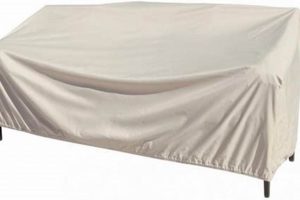
Tip 5: Winterization Practices. In regions with prolonged periods of freezing temperatures, consider covering the furnishings or storing them in a sheltered location to minimize exposure to ice and snow accumulation. This will prevent cracking.
Tip 6: Reinforcement Evaluation. Inspect the internal reinforcing components (e.g., metal rebar) periodically for corrosion. Address any signs of rust promptly to prevent structural weakening.
Tip 7: Professional Repair Consultation. For significant damage, such as large cracks or structural failures, consult with a qualified professional experienced in concrete repair. Attempting DIY repairs may exacerbate the problem.
Adhering to these preventative maintenance strategies will ensure the long-term preservation and aesthetic value of these exterior elements.
The subsequent section will address common design styles and aesthetic considerations.
1. Material durability

The inherent material durability of concrete is a primary factor in its suitability for garden furniture. The composition of concretea mixture of cement, aggregates, and waterresults in a dense, strong, and relatively inert material capable of withstanding environmental stresses. This durability manifests in several ways: resistance to physical impacts, minimal degradation from exposure to ultraviolet (UV) radiation, and resilience against extreme temperature fluctuations. For instance, a concrete bench placed in a high-traffic area of a public park will exhibit greater resistance to wear and tear compared to a wooden or plastic alternative. The extended lifespan directly translates to reduced replacement costs and decreased environmental impact associated with manufacturing and disposal.
Moreover, the durability of the material facilitates low maintenance requirements. Unlike wood, it does not require periodic painting, staining, or sealing to prevent rot or insect infestation. While sealing is often recommended to prevent staining and water absorption, the underlying structural integrity remains largely unaffected by typical outdoor conditions. A practical example is a concrete planter left outdoors year-round; it will not warp, crack, or decompose in the same manner as planters made from less durable materials. The strength and stability ensures that they stay in the place even in extremely weather.
In summary, the material durability is not merely a desirable feature of concrete garden furniture; it is a fundamental characteristic that defines its value proposition. The longevity and low maintenance contribute to long-term cost savings and environmental benefits, outweighing the initial investment. However, challenges remain in mitigating the potential for cracking due to freeze-thaw cycles, which requires proper formulation and sealing practices. Understanding and addressing these factors ensures the continued relevance and utility of such outdoor elements.
2. Weight and stability

The inherent mass of elements crafted from cementitious compounds directly contributes to their stability, a critical factor in the context of outdoor furnishings. This characteristic provides both practical advantages and design considerations that warrant detailed examination.
- Resistance to Displacement
The substantial weight inherent in these pieces renders them resistant to unintentional movement due to wind, vandalism, or accidental contact. A concrete bench in a public space is less likely to be overturned or displaced compared to lighter alternatives, ensuring continuous availability and minimizing maintenance interventions. The stability also mitigates safety hazards associated with tipping or shifting of the furniture.
- Enhanced Security
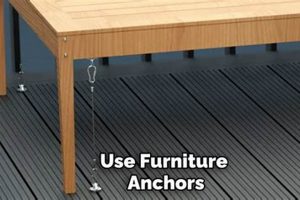
The significant mass of these objects acts as a deterrent against theft. Moving a concrete table or sculpture requires considerable effort and resources, making it an unattractive target for opportunistic thieves. This security feature is particularly relevant in public parks or unsupervised areas where the risk of theft is elevated. The inherent weight of the piece often eliminates the need for additional anchoring or security measures.
- Design Implications
The weight dictates limitations on portability and installation. Moving a concrete bench, for instance, typically necessitates the use of specialized equipment and careful planning. This can increase installation costs and restrict placement options, particularly in areas with limited access or weight-bearing constraints. Designs must account for the static nature of these pieces and their relative immobility post-installation.
- Ground Settlement Considerations
The considerable weight of concrete furnishings can exacerbate ground settlement issues, particularly on unstable soil. Over time, the concentrated weight can cause the furniture to sink or tilt, potentially damaging the surrounding landscape or compromising the stability of the piece itself. Prior to installation, a thorough assessment of soil conditions and load-bearing capacity is crucial to mitigate these risks. Ground preparation, such as compaction or reinforcement, may be necessary.
In summary, the significant weight of concrete garden furniture provides advantages in terms of stability and security, but also presents challenges related to installation, portability, and ground settlement. These factors must be carefully considered during the selection, design, and placement phases to ensure the long-term functionality and aesthetic appeal of these outdoor elements. The interplay between weight and stability ultimately defines the practical and design parameters within which these furnishings operate.
3. Design versatility

The inherent moldability of concrete allows for significant design versatility in garden furniture. This characteristic stems from the material’s fluidity during the manufacturing process, enabling the creation of complex shapes, textures, and forms that would be challenging or impossible to achieve with other materials such as wood or metal. This adaptability manifests in diverse styles, from minimalist, geometric designs to ornate, classical reproductions. For instance, concrete can be cast to mimic the appearance of natural stone, wood grain, or even intricate metalwork. This flexibility extends to color integration; pigments can be added during the mixing phase to create a range of hues, allowing for customization to complement existing landscape aesthetics. As a result, concrete facilitates both replication of traditional designs and innovative explorations of contemporary forms. The significance of this adaptability lies in its ability to meet the diverse stylistic preferences of consumers and the specific design requirements of varied outdoor spaces.
Furthermore, the design freedom afforded by concrete construction extends beyond purely aesthetic considerations. It enables the creation of functional features integrated directly into the furniture. Benches can incorporate built-in planters, tables can be designed with integrated lighting or water features, and retaining walls can be seamlessly integrated with seating areas. This holistic approach to design optimizes space utilization and enhances the overall functionality of the outdoor environment. The practical application of this versatility is evident in commercial settings such as public parks and plazas, where durable and aesthetically pleasing furniture must serve multiple purposes. For example, a concrete bench with an integrated planter can simultaneously provide seating and add greenery to the space, maximizing visual appeal and user comfort.
In conclusion, design versatility is a critical attribute of concrete garden furniture, enabling a broad spectrum of aesthetic and functional possibilities. The material’s moldability allows for replication of diverse styles, integration of functional features, and customization to specific landscape contexts. Challenges remain in controlling the consistency of the finish and mitigating the potential for cracking during the curing process. However, the design potential of concrete solidifies its position as a versatile and adaptable material for creating enduring and aesthetically pleasing outdoor spaces.
4. Maintenance needs

The long-term preservation of outdoor elements constructed from cementitious materials necessitates consistent and informed maintenance. While the inherent durability of concrete reduces the frequency of intensive interventions, proactive measures are crucial to mitigate the effects of environmental exposure and prevent degradation.
- Sealing Application and Reapplication
The porous nature of concrete renders it susceptible to water absorption, leading to staining, cracking, and efflorescence. The application of a quality sealant creates a protective barrier against moisture penetration. Sealants, typically composed of acrylic, silicone, or epoxy polymers, fill the microscopic pores in the concrete surface, preventing water from entering. Reapplication is necessary every one to three years, depending on the sealant type and environmental conditions. Without regular sealing, a concrete bench in a damp climate may develop unsightly stains from algae or mineral deposits, necessitating more intensive cleaning or repair.
- Routine Cleaning Protocols
Regular cleaning removes surface dirt, debris, and organic matter that can contribute to staining and accelerate the deterioration process. A simple cleaning routine involving mild soap and water is generally sufficient for maintaining the aesthetic appearance of concrete furniture. Pressure washing may be employed for more stubborn stains, but caution is advised to avoid damaging the surface. For instance, spilled food or drinks on a concrete table should be cleaned promptly to prevent permanent discoloration.
- Protection Against Freeze-Thaw Cycles
In regions experiencing freezing temperatures, the expansion and contraction of water within the pores of concrete can cause cracking and structural damage. Protective measures, such as covering the furniture with tarps or storing it indoors during winter months, can mitigate the risk of freeze-thaw damage. Additionally, the use of de-icing salts should be avoided, as these can exacerbate the problem. A concrete planter exposed to repeated freeze-thaw cycles without protection may develop surface cracks, ultimately compromising its structural integrity.
- Crack Repair Strategies
Despite preventative measures, cracks may develop in concrete furniture due to stress, settlement, or environmental factors. Minor cracks can often be repaired using cement-based patching compounds or epoxy resins. However, larger or structurally significant cracks may require professional repair services. Prompt crack repair prevents further water infiltration and structural weakening. For example, a hairline crack in a concrete bench should be addressed immediately to prevent it from widening and compromising the bench’s stability.
Effective maintenance of concrete elements requires a multi-faceted approach that combines preventative sealing, routine cleaning, protection from freeze-thaw cycles, and timely crack repair. Failure to address these needs can result in accelerated degradation, reduced lifespan, and compromised aesthetic appeal. Consistent adherence to proper maintenance protocols will ensure the long-term functionality and value of these outdoor furnishings.These proactive efforts minimize long-term costs and reduce the frequency of more extensive and costly repairs.
5. Weather resistance
The inherent ability of concrete to withstand diverse weather conditions is a primary determinant of its suitability for exterior furnishings. The composite nature of the material, comprising cement, aggregates, and water, yields a dense and impermeable structure that resists degradation from exposure to environmental elements. This resistance manifests in several key areas: tolerance to temperature fluctuations, minimal degradation from ultraviolet (UV) radiation, and impermeability to moisture penetration. For instance, in regions experiencing significant temperature variations, concrete benches and tables exhibit negligible expansion and contraction compared to materials like wood or plastic. This dimensional stability prevents warping, cracking, and other forms of structural compromise. Similarly, prolonged exposure to sunlight does not cause significant fading or embrittlement, ensuring the longevity and aesthetic appeal of the furniture. The resistance to moisture penetration is equally critical, as it prevents water absorption, which can lead to staining, efflorescence, and freeze-thaw damage. As an example, concrete planters in regions with heavy rainfall will not rot or decompose in the same manner as wooden planters.
The practical significance of weather resistance translates directly into reduced maintenance requirements and extended product lifespan. Concrete furnishings do not require periodic painting, staining, or sealing to protect them from the elements, unlike wood or metal alternatives. This reduces the long-term cost of ownership and minimizes the environmental impact associated with the production and application of protective coatings. Furthermore, the robust nature of the material ensures that concrete furniture can withstand the rigors of daily use in outdoor settings, resisting damage from abrasion, impact, and other forms of physical stress. A practical application of this understanding is evident in the selection of concrete benches for public parks and plazas, where durability and low maintenance are paramount. The ability of these furnishings to withstand harsh weather conditions ensures their continuous availability and minimizes the need for costly repairs or replacements. The selection of concrete furnishings ensures minimal upkeep and continued function despite weather factors.
In summary, weather resistance is not merely a desirable attribute of concrete garden furniture; it is a fundamental characteristic that defines its practicality and value proposition. The ability to withstand temperature fluctuations, UV radiation, and moisture penetration contributes to reduced maintenance, extended lifespan, and enhanced performance in outdoor environments. Challenges remain in mitigating the potential for cracking due to extreme freeze-thaw cycles, which necessitates proper formulation and sealing practices. Understanding and addressing these factors ensures the continued relevance and utility of concrete outdoor elements. The overall benefit is prolonged service and cost-effectiveness in demanding exterior use cases.
6. Cost Implications

The economic considerations associated with the acquisition and maintenance of garden furniture constructed from cementitious composites encompass initial purchase price, transportation expenses, installation costs, and long-term maintenance expenditures. The initial investment for these items typically exceeds that of comparable furnishings made from plastic or wood, primarily due to the material costs and the labor-intensive manufacturing processes involved. Transportation expenses are also a significant factor, owing to the considerable weight of the material. For instance, delivering a concrete bench to a residential property can require specialized equipment and labor, incurring additional charges. Installation costs further contribute to the overall expense, particularly if site preparation, such as leveling the ground or reinforcing the foundation, is necessary. Over time, maintenance expenditures, including sealant application and crack repair, also contribute to the total cost of ownership.
Despite the higher upfront costs, long-term economic benefits can accrue from the durability and longevity of material-based garden furniture. The extended lifespan of material furnishings reduces the frequency of replacement, thereby minimizing long-term expenditures. This is particularly relevant in high-traffic areas or environments subject to harsh weather conditions, where alternative materials may degrade rapidly. Furthermore, the low maintenance requirements of material, such as minimal painting or staining, contribute to cost savings over time. A practical example is the selection of material tables for outdoor dining areas in commercial establishments. While the initial investment is higher, the durability and resistance to wear and tear result in reduced replacement costs and lower maintenance expenses, making them a cost-effective option in the long run.
In summary, the cost implications of concrete garden furniture are multifaceted, encompassing initial purchase price, transportation, installation, and maintenance. Although the upfront investment is typically higher than that of alternative materials, the long-term durability and reduced maintenance requirements can result in economic benefits over the lifespan of the furniture. Challenges remain in accurately assessing the total cost of ownership, as maintenance expenditures and potential repair costs can vary significantly depending on environmental conditions and usage patterns. However, the longevity and resilience of concrete garden furniture solidify its position as a potentially cost-effective option for those seeking durable and long-lasting outdoor furnishings.
7. Environmental impact
The environmental consequences associated with outdoor furnishings constructed from cementitious composites are multifaceted, encompassing resource depletion, energy consumption, carbon dioxide emissions, and potential ecological disruptions. Understanding these impacts is crucial for informed decision-making regarding material selection and sustainable landscaping practices.
- Cement Production and Carbon Emissions
The production of cement, a primary component of composite materials, is a significant contributor to greenhouse gas emissions. The calcination process, which converts limestone into calcium oxide, releases substantial quantities of carbon dioxide into the atmosphere. This factor elevates the carbon footprint of composite materials compared to alternative materials like wood or recycled plastic. Mitigation strategies include the use of supplementary cementitious materials, such as fly ash or slag, which can partially replace cement and reduce carbon emissions. Furthermore, advancements in cement manufacturing technologies, such as carbon capture and storage, offer potential pathways for decarbonizing the industry. A concrete bench made with traditional cement will have a larger carbon footprint than one utilizing supplementary cementitious materials.
- Resource Depletion and Aggregate Extraction
The extraction of aggregates, such as sand and gravel, for inclusion in composite mixtures can lead to habitat destruction, soil erosion, and water pollution. Quarrying operations often disrupt ecosystems and alter natural landscapes. Sustainable sourcing practices, such as utilizing recycled aggregates or exploring alternative aggregate sources, can minimize these environmental impacts. Moreover, implementing responsible mining practices, including land reclamation and water management, is essential for mitigating the ecological consequences of aggregate extraction. The environmental impact of a composite planter will depend on the source of aggregates, with recycled aggregates posing a lower environmental burden.
- Transportation and Energy Consumption
The transportation of composite materials and finished products consumes significant amounts of energy, contributing to air pollution and greenhouse gas emissions. The considerable weight of composite items necessitates the use of heavy-duty vehicles, increasing fuel consumption. Local sourcing of materials and production can minimize transportation distances and reduce the associated environmental impacts. Furthermore, optimizing transportation logistics and utilizing fuel-efficient vehicles can contribute to further reductions in energy consumption. Transporting a composite table over long distances will result in a higher carbon footprint compared to sourcing materials locally.
- Life Cycle Assessment and Disposal Considerations
A comprehensive life cycle assessment (LCA) is essential for evaluating the overall environmental impact of composite garden furniture. The LCA should consider all stages of the product’s life cycle, from raw material extraction to manufacturing, transportation, use, and disposal. While composite materials are durable and long-lasting, their disposal can pose challenges. Recycling options are limited, and landfilling can contribute to soil and water contamination. Exploring alternative disposal methods, such as crushing and reusing composite materials as construction fill, can minimize their environmental footprint. A comprehensive LCA will provide a more accurate assessment of the environmental impact of a composite sculpture compared to relying solely on material characteristics.
In conclusion, the environmental impact of composite garden furniture is a complex issue involving multiple factors. While the durability and longevity of these furnishings offer certain advantages, the carbon emissions associated with cement production, the resource depletion from aggregate extraction, and the transportation energy consumption must be carefully considered. Implementing sustainable sourcing practices, utilizing supplementary cementitious materials, and conducting thorough life cycle assessments can contribute to minimizing the environmental footprint of concrete outdoor elements.
Frequently Asked Questions
The following addresses commonly encountered queries and concerns regarding the selection, utilization, and maintenance of outdoor furnishings crafted from cementitious materials.
Question 1: Does concrete garden furniture require sealing?
Sealing is highly recommended. Concrete is porous, allowing water absorption, which can lead to staining, cracking, and efflorescence. A quality sealant provides a protective barrier against moisture penetration.
Question 2: How does the weight of concrete garden furniture impact installation?
The substantial weight necessitates careful planning and may require specialized equipment for transportation and placement. Site assessment is crucial to ensure ground stability and accessibility.
Question 3: What cleaning methods are appropriate for concrete garden furniture?
Routine cleaning with mild soap and water is generally sufficient. Abrasive cleaners or harsh chemicals should be avoided, as they can damage the surface. Pressure washing should be used with caution.
Question 4: How can cracking be prevented in regions with freezing temperatures?
Protect furniture by covering it with tarps or storing it indoors during winter months. Proper sealing and avoidance of de-icing salts can also mitigate the risk of freeze-thaw damage.
Question 5: Is concrete garden furniture susceptible to staining?
Yes, concrete is susceptible to staining from various sources, including organic matter, spills, and mineral deposits. Prompt cleaning and regular sealing are essential to prevent permanent discoloration.
Question 6: What are the environmental considerations associated with concrete garden furniture?
The production of cement contributes to carbon dioxide emissions, and the extraction of aggregates can disrupt ecosystems. Sustainable sourcing practices and the use of supplementary cementitious materials can minimize these impacts.
These frequently asked questions provide a foundation for understanding the practical aspects of incorporating concrete garden furniture into outdoor spaces. Addressing these concerns proactively ensures long-term satisfaction and sustainable utilization.
The subsequent section will explore case studies and real-world applications of concrete garden furniture in diverse settings.
Concrete Garden Furniture
This exposition has investigated the multifaceted nature of outdoor furnishings constructed from cementitious composites. The analysis encompassed durability, weight considerations, design flexibility, maintenance protocols, weather resistance, cost implications, and environmental consequences. These elements collectively determine the suitability and long-term value of utilizing these materials in exterior environments.
The information presented provides a framework for informed decision-making regarding the selection, utilization, and stewardship of concrete garden furniture. Continued innovation in material science and sustainable manufacturing practices will further refine the environmental profile and expand the design possibilities of this enduring landscape element. The onus remains on consumers and specifiers to prioritize responsible sourcing and diligent maintenance to maximize both the aesthetic and functional lifespan of these outdoor assets.

![Protect & Extend: Garden Furniture Feet Protectors [Buy Now] | The Ultimate Gardening Guide: Grow a Thriving Garden Year-Round](https://MyGardenPatch.com/wp-content/uploads/2025/07/th-3169-300x200.jpg "Protect & Extend: Garden Furniture Feet Protectors [Buy Now] The Ultimate Gardening Guide: Grow a Thriving Garden Year-Round")