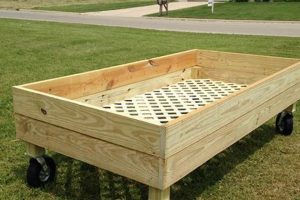
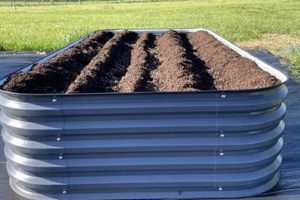
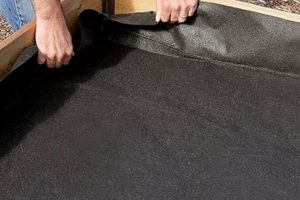
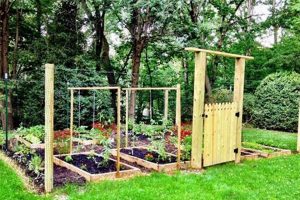
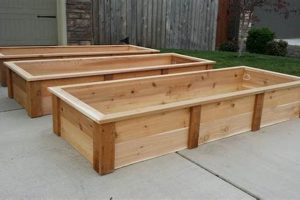
Structures designed to extend the growing season in cultivated plots, often constructed from transparent or translucent materials, create a microclimate suitable for plant growth during cooler months. These enclosures, typically built to fit atop existing garden structures, provide protection from frost, wind, and other adverse weather conditions. An example includes a hinged, transparent box placed over a planting area to trap solar heat.
The use of such protective structures provides numerous advantages. They facilitate earlier planting in the spring and later harvests in the fall, increasing overall yield. Furthermore, these enclosures offer a level of control over environmental factors, reducing the need for chemical interventions. Historically, similar methods have been employed for centuries to cultivate plants in regions with challenging climates, demonstrating a long-standing understanding of the principles of protected cultivation.
The subsequent sections will delve into the specifics of selecting appropriate materials, designing functional structures, and managing environmental conditions within such enclosures to optimize plant growth. Considerations will also be given to plant selection and maintenance practices that are particularly well-suited to this controlled environment.
Tips for Effective Enclosure Utilization
The following are practical guidelines to maximize the effectiveness of protective structures integrated with elevated planting areas.
Tip 1: Orientation is Critical. Position the structure with a southern exposure (in the Northern Hemisphere) to capture maximum sunlight during the day. This orientation optimizes solar heat gain, particularly during the shorter days of fall and winter.
Tip 2: Ventilation Management is Essential. Overheating can be detrimental to plants. Implement a ventilation system, such as hinged lids or adjustable side panels, to regulate temperature and prevent excessive heat buildup, especially on sunny days.
Tip 3: Soil Management is Paramount. Utilize a well-draining soil mix specifically formulated for container gardening. This ensures proper aeration and prevents waterlogging, which can lead to root rot in the enclosed environment.
Tip 4: Water Strategically. Monitor soil moisture levels regularly. Watering should be performed in the morning to allow foliage to dry before nightfall, minimizing the risk of fungal diseases within the humid environment.
Tip 5: Select Compatible Plants. Choose plant varieties known to thrive in cooler temperatures and confined spaces. Leafy greens, root vegetables, and certain herbs are often well-suited for this type of cultivation.
Tip 6: Pest and Disease Monitoring is Necessary. Regularly inspect plants for signs of pests or diseases. Early detection and intervention are crucial to preventing widespread problems within the enclosed space.
Tip 7: Structural Integrity Matters. Ensure the structure is securely attached to the raised planting area to withstand wind and other environmental stressors. A stable structure prevents damage to plants and prolongs the lifespan of the enclosure.
Strategic implementation of these guidelines can significantly enhance plant growth and extend the growing season in cooler climates, leading to increased yields and improved plant health.
The subsequent section will explore considerations for extending the utilization of these protective structures beyond the typical growing season.
1. Season Extension

Season extension, in the context of elevated cultivation using protective enclosures, refers to the practice of prolonging the growing period beyond the limitations imposed by natural climatic conditions. This capability is a primary benefit derived from integrating these structures, enabling growers to cultivate crops earlier in the spring and later into the autumn months.
- Frost Protection Mechanisms
Protective enclosures provide a physical barrier against frost, a critical factor in extending the growing season. By trapping solar heat during the day and mitigating heat loss overnight, these structures maintain a microclimate that protects tender plants from damaging low temperatures. This allows for earlier planting of seedlings and continued production of cold-tolerant crops even as temperatures drop.
- Accelerated Growth Rates
The warmer environment within a protective enclosure fosters accelerated growth rates compared to open-air conditions. Increased soil and air temperatures stimulate metabolic processes in plants, leading to faster germination, more rapid vegetative growth, and earlier flowering. This accelerated growth translates to earlier harvests and increased yields over the course of the growing season.
- Shelter from Adverse Weather
Beyond frost protection, these enclosures shield plants from a variety of adverse weather conditions, including high winds, heavy rainfall, and hail. Wind can desiccate plants and damage delicate foliage, while excessive rain can lead to waterlogging and fungal diseases. By providing a sheltered environment, these structures minimize plant stress and promote consistent growth, further contributing to season extension.
- Microclimate Modification
Protective enclosures enable modification of the immediate plant environment, creating a microclimate better suited to optimal growth. This includes increasing humidity levels, reducing temperature fluctuations, and enhancing light availability. These modifications allow for the successful cultivation of plant varieties that might not otherwise thrive in a particular geographic region or during specific times of the year.
The combined effect of frost protection, accelerated growth, shelter from adverse weather, and microclimate modification positions protective structures atop elevated planting areas as valuable tools for extending the growing season and maximizing crop productivity. The ability to manipulate the plant’s immediate environment offers significant advantages to growers seeking to overcome the limitations imposed by traditional growing seasons.
2. Temperature Regulation

Temperature regulation within structures designed to protect cultivated plots is a critical determinant of plant health and productivity. These enclosures create an artificial microclimate where temperature fluctuations can be more pronounced than in open-air conditions. Effective management of these temperature variations is essential for optimizing plant growth and preventing potential damage.
- Solar Heat Gain Management
Transparent materials used in enclosure construction allow solar radiation to enter and warm the internal environment. While beneficial for promoting growth, excessive solar heat gain can lead to overheating, especially during sunny days. Strategies such as shading, reflective surfaces, and orientation optimization are employed to manage solar input and prevent temperatures from reaching detrimental levels. For instance, whitewashing the exterior of a structure can reduce solar heat absorption.
- Ventilation Systems
Ventilation provides a mechanism for releasing excess heat and humidity, preventing the development of unfavorable conditions such as fungal diseases. Vents can be manually operated or automated, responding to temperature sensors. The size and placement of vents are carefully considered to ensure adequate air circulation without causing excessive temperature drops. An example is the use of hinged lids or side panels that can be opened or closed based on prevailing conditions.
- Thermal Mass Utilization
Materials with high thermal mass, such as water containers or dark-colored stones, can be incorporated into the enclosure to absorb and store heat during the day, releasing it gradually during cooler nighttime hours. This reduces temperature fluctuations, creating a more stable environment for plants. The strategic placement of water-filled barrels within the enclosure exemplifies this technique.
- Insulation Techniques
Insulation minimizes heat loss during cold periods, maintaining a warmer internal environment. Materials such as bubble wrap, straw bales, or insulated blankets can be used to insulate the structure, particularly during nighttime or periods of extreme cold. Proper insulation is crucial for protecting plants from frost damage and maintaining active growth during colder months.
The interplay of solar heat gain management, ventilation systems, thermal mass utilization, and insulation techniques is fundamental to effective temperature regulation within protective enclosures integrated with elevated planting areas. Successful implementation of these strategies ensures a stable and optimal growing environment, maximizing plant health and productivity throughout the extended growing season.
3. Pest Protection

Protective enclosures situated atop elevated planting areas offer a significant advantage in pest management by creating a physical barrier against many common garden pests. This physical exclusion minimizes or eliminates the need for chemical pesticides, promoting a healthier growing environment for both plants and consumers. The enclosure’s structure inherently limits access for larger pests such as rabbits, squirrels, and birds, reducing their potential for damage to foliage, fruits, and vegetables. Furthermore, the enclosed environment can disrupt the life cycles of certain insect pests by altering temperature and humidity, thus reducing their populations. A tightly sealed enclosure can prevent entry by flying insects like aphids and whiteflies, common vectors of plant diseases.
The effectiveness of pest protection is contingent upon the design and maintenance of the protective structure. Gaps or openings in the structure can compromise its integrity, allowing pests to enter. Regularly inspecting the enclosure for damage and promptly repairing any breaches is crucial. Additionally, preventative measures such as using pest-free soil and inspecting plants for pests before introducing them into the enclosure are essential. Utilizing netting or mesh within the enclosure can provide an additional layer of protection against smaller insects. Practical application includes regularly checking under leaves and within plant crevices for any signs of infestation.
In summary, protective enclosures afford a valuable method of pest control in elevated planting areas, decreasing reliance on chemical interventions and fostering a healthier ecosystem. However, consistent monitoring, maintenance, and preventative strategies are indispensable to preserving the enclosure’s integrity and maximizing its pest-excluding capabilities. The challenges related to pest infiltration underscore the importance of comprehensive management practices for sustained success in utilizing these structures.
4. Moisture Control

Moisture control within protective enclosures designed for elevated cultivation is paramount for maintaining optimal plant health and preventing the proliferation of diseases. The enclosed environment intensifies the effects of both excessive and insufficient moisture levels, making careful management essential for successful plant growth.
- Humidity Regulation
The enclosed nature of these structures can lead to increased humidity levels due to reduced air circulation and transpiration. High humidity promotes fungal diseases, such as powdery mildew and botrytis. Ventilation, through the use of vents or adjustable panels, is critical for reducing humidity and preventing disease outbreaks. Proper spacing of plants also enhances air circulation, minimizing humidity buildup. An example of effective humidity regulation is opening vents during the warmest part of the day to allow excess moisture to escape.
- Watering Strategies
Consistent watering is crucial, but overwatering can quickly lead to waterlogged soil and root rot in the confined space of elevated beds. Drip irrigation or soaker hoses deliver water directly to the root zone, minimizing water loss through evaporation and reducing the risk of foliar diseases. Careful monitoring of soil moisture levels is necessary to prevent both overwatering and underwatering. For example, feeling the soil at a depth of several inches can indicate whether watering is required.
- Soil Drainage
Proper soil drainage is essential for preventing waterlogged conditions. The soil mix should be well-draining, incorporating materials such as perlite or vermiculite to improve aeration. Inadequate drainage can lead to anaerobic conditions in the soil, hindering root growth and increasing the risk of root rot. Ensuring that drainage holes are not blocked in the raised bed is also crucial. The selection of a suitable soil mix specifically designed for container gardening is vital for effective drainage.
- Condensation Management
Condensation can form on the interior surfaces of the enclosure, particularly during periods of fluctuating temperatures. This condensation can drip onto plants, creating a favorable environment for fungal diseases. Regularly wiping down the interior surfaces or utilizing absorbent materials can help to minimize condensation. Adequate ventilation also reduces condensation by promoting air circulation. The presence of condensation serves as an indicator of elevated humidity levels and the need for increased ventilation.
The integration of these moisture control strategies is essential for maintaining a healthy and productive environment within protective enclosures used with elevated planting areas. Careful management of humidity, watering, soil drainage, and condensation prevents disease and supports robust plant growth. Consistent attention to these factors maximizes the benefits of season extension and environmental control offered by these structures.
5. Material Selection

The selection of appropriate materials for construction significantly influences the performance and longevity of protective enclosures integrated with elevated planting areas. Material properties dictate thermal characteristics, light transmission, structural integrity, and resistance to environmental degradation. Careful consideration of these factors is essential for optimizing plant growth and maximizing the lifespan of the structure.
- Glazing Materials
Glazing materials, such as glass, polycarbonate, or polyethylene film, determine the amount of light transmitted to plants and the degree of heat retention within the enclosure. Glass offers excellent light transmission but is susceptible to breakage. Polycarbonate is a durable and impact-resistant alternative with good light transmission. Polyethylene film is a cost-effective option but has a shorter lifespan and lower light transmission compared to glass or polycarbonate. The choice of glazing material depends on factors such as budget, desired light levels, and durability requirements. For example, a greenhouse employing double-paned glass maximizes heat retention in colder climates.
- Framing Materials
Framing materials provide structural support for the enclosure and must be durable enough to withstand wind, snow, and other environmental stresses. Wood, metal, and PVC are common framing materials. Wood offers a natural aesthetic but is susceptible to rot and insect damage unless properly treated. Metal, such as aluminum or steel, is strong and durable but can be more expensive. PVC is lightweight, corrosion-resistant, and relatively inexpensive, but may not be as strong as metal. The selection of framing material depends on factors such as structural requirements, budget, and aesthetic preferences. A structure utilizing a steel frame provides superior strength and durability in regions prone to high winds.
- Insulation Materials
Insulation materials enhance the thermal performance of the enclosure by reducing heat loss during cold periods. Bubble wrap, insulated blankets, or straw bales can be used to insulate the walls and roof of the structure. The choice of insulation material depends on factors such as cost, effectiveness, and ease of installation. Proper insulation minimizes temperature fluctuations and protects plants from frost damage. Using insulated blankets on a structure during freezing nights significantly reduces heat loss, maintaining a warmer internal environment.
- Fastening Materials
The selection of appropriate fasteners, such as screws, nails, or clips, is crucial for ensuring the structural integrity of the enclosure. Fasteners must be resistant to corrosion and strong enough to withstand the stresses imposed by wind and weather. Stainless steel fasteners are often preferred for their corrosion resistance and durability. The use of high-quality fasteners prevents structural failures and extends the lifespan of the enclosure. Securely fastening the glazing material to the frame with appropriate clips prevents wind damage.
The careful selection of glazing, framing, insulation, and fastening materials is essential for constructing effective and durable protective enclosures for elevated planting areas. By considering the properties of each material and their suitability for the intended application, growers can create structures that optimize plant growth and withstand the rigors of the environment. The integrated performance of these materials determines the overall success of season extension and environmental control strategies.
6. Structural Design

Structural design is a critical determinant of the functionality and longevity of protective enclosures integrated with elevated planting areas. The design governs factors such as stability, light penetration, ventilation, and ease of access, directly impacting plant health and overall productivity.
- Frame Geometry and Load Bearing Capacity
Frame geometry dictates the structural integrity of the enclosure, influencing its ability to withstand wind, snow, and other environmental loads. A well-designed frame distributes weight evenly, preventing stress points that could lead to structural failure. For instance, a geodesic dome design offers exceptional strength and stability compared to a simple rectangular frame. The selection of appropriate frame geometry is crucial for ensuring the longevity of the enclosure and protecting plants from damage.
- Ventilation Integration
Effective ventilation is essential for regulating temperature and humidity within the enclosure. Structural design must incorporate strategically placed vents or adjustable panels to facilitate airflow. The size, location, and operability of vents impact the efficiency of ventilation. For example, incorporating roof vents allows for the release of hot air that rises to the top of the enclosure. The integration of ventilation into the structural design is critical for preventing overheating and disease outbreaks.
- Access and Ergonomics
The structural design should facilitate easy access for planting, watering, weeding, and harvesting. Features such as hinged lids, sliding panels, or removable sections enhance accessibility. Ergonomic considerations, such as the height of the enclosure and the width of access points, minimize strain and discomfort for the user. For example, a design incorporating a wide, hinged lid allows for convenient access to the entire planting area. Prioritizing accessibility in the structural design promotes ease of use and encourages regular maintenance.
- Material Compatibility and Integration
The structural design must account for the properties of the materials used in construction, ensuring compatibility and proper integration. For example, the design must accommodate the expansion and contraction of materials due to temperature changes. The use of appropriate fasteners and joining techniques prevents structural weaknesses and ensures long-term stability. A design employing a combination of wood and polycarbonate must incorporate methods for securely attaching the glazing material to the frame while allowing for thermal expansion. Careful attention to material compatibility is crucial for maintaining the structural integrity of the enclosure over time.
In conclusion, the structural design of protective enclosures for elevated planting areas is a multifaceted consideration that encompasses frame geometry, ventilation integration, access and ergonomics, and material compatibility. A well-executed design optimizes plant growth, enhances ease of use, and ensures the long-term durability of the structure, maximizing the benefits of season extension and environmental control.
Frequently Asked Questions
The following questions address common inquiries regarding the utilization and maintenance of structures designed to protect elevated planting areas.
Question 1: What is the typical lifespan of a structure designed to protect an elevated planting area?
The lifespan varies considerably depending on the materials used and the environmental conditions to which the structure is exposed. Structures constructed with durable materials such as treated lumber, metal framing, and polycarbonate glazing can last for a decade or more with proper maintenance. Conversely, structures using less durable materials such as untreated wood and polyethylene film may only last a few seasons. Regular inspection and repair of any damage is essential for maximizing the lifespan of the structure.
Question 2: How much does it cost to build or purchase a structure to protect an elevated planting area?
Costs vary widely depending on the size, materials, and complexity of the design. Simple, DIY structures using readily available materials can cost as little as $50 to $100. More elaborate, commercially manufactured structures can cost several hundred dollars or more. Building a structure from scratch is generally less expensive than purchasing a pre-made kit, but requires more time and effort.
Question 3: What are the optimal dimensions for a structure designed to protect an elevated planting area?
The optimal dimensions depend on the size of the elevated planting area and the types of plants being grown. The structure should be tall enough to accommodate the mature height of the plants and wide enough to allow for easy access for planting, watering, and harvesting. A general guideline is to provide at least 12 to 18 inches of headroom above the plants and ensure that the structure is no more than 3 to 4 feet wide to allow for easy reach from either side.
Question 4: How often should the enclosure be ventilated?
Ventilation frequency depends on the weather conditions and the type of plants being grown. On sunny days, the enclosure should be ventilated frequently to prevent overheating. During cooler or cloudy days, less ventilation may be required. As a general rule, the temperature inside the enclosure should not exceed 80F (27C). Observing plants for signs of heat stress, such as wilting or leaf discoloration, can help determine the need for increased ventilation.
Question 5: Can any type of plant be grown inside a structure designed to protect an elevated planting area?
While many types of plants can be grown within these structures, certain plants are better suited than others. Plants that thrive in cooler temperatures, such as leafy greens, root vegetables, and certain herbs, are particularly well-suited. Plants that require full sun or have large growth habits may not be suitable for the confined space. Selecting plant varieties appropriate for the enclosed environment is crucial for success.
Question 6: How can the structure be protected from strong winds?
Securing the structure to the elevated planting area is essential for preventing wind damage. This can be accomplished by using sturdy fasteners such as screws or bolts. In areas prone to high winds, additional measures such as anchoring the structure to the ground or using windbreaks may be necessary. Regularly inspecting the structure for any signs of damage and making repairs promptly is crucial for maintaining its stability.
Effective implementation of structures designed to protect elevated planting areas necessitates a thorough understanding of their construction, maintenance, and operational requirements.
The subsequent section will address advanced techniques for maximizing the benefits of these protective structures.
Protective Enclosures
The preceding exploration of cold frames for raised garden beds has illuminated their multifaceted benefits. From extending growing seasons and regulating temperature to providing pest protection and controlling moisture levels, these structures offer significant advantages for cultivators seeking to optimize plant health and productivity. The careful selection of materials and meticulous attention to structural design are critical factors in maximizing the effectiveness and longevity of these protective systems.
Ultimately, the successful integration of cold frames for raised garden beds requires a commitment to ongoing observation, proactive management, and a thorough understanding of plant needs within the controlled environment. Continued innovation in materials and design promises further advancements in this area, potentially expanding the possibilities for sustainable and efficient elevated cultivation practices.