The maintenance procedure focusing on removing dirt, grime, and other accumulated substances from outdoor furniture constructed from a specific type of hardwood. This process commonly involves the use of specialized cleaning solutions, brushes, and rinsing techniques to restore the wood’s natural appearance. For instance, regular application of a suitable cleaner and protectant can prevent the buildup of mildew and maintain the aesthetic appeal of these outdoor furnishings.
Proper upkeep of these wooden fixtures extends their lifespan, preserves their inherent beauty, and enhances the overall outdoor living experience. Historically, methods for preserving this type of wood have been developed to combat the effects of weathering and environmental exposure. Consistent care helps prevent the wood from graying, cracking, and becoming susceptible to damage from moisture and insects, ultimately representing a worthwhile investment.
The following sections will detail appropriate cleaning solutions, step-by-step cleaning procedures, and preventative maintenance strategies. Discussion will include specific techniques applicable to various conditions and levels of soiling, ensuring a comprehensive understanding of optimal care practices. Different protection methods will also be discussed for future maintenance.
Essential Maintenance Guidelines
These guidelines offer practical advice for maintaining outdoor hardwood furniture, ensuring its longevity and aesthetic appeal. Proper execution of these tips contributes significantly to preserving the furniture’s value and appearance.
Tip 1: Regular Cleaning is Paramount: Establish a routine for removing surface dirt and debris. Frequency depends on environmental conditions, but generally, a monthly cleaning schedule is advisable. Failure to remove these build-ups leads to more labor-intensive cleaning requirements.
Tip 2: Mild Soap and Water Are Sufficient: Avoid harsh chemicals or abrasive cleaners. A solution of mild dish soap and water, applied with a soft brush, effectively removes most dirt without damaging the wood. Consider using a dedicated wood soap to avoid discoloration.
Tip 3: Rinse Thoroughly: Ensure all soap residue is removed after cleaning. Residual soap can attract dirt and potentially damage the wood’s finish. A clean water rinse, followed by air drying, is recommended.
Tip 4: Utilize a Teak Cleaner for Graying: When the wood exhibits a silver-gray patina due to weathering, employ a specialized hardwood cleaner. Follow the manufacturer’s instructions carefully, and always test the cleaner in an inconspicuous area first.
Tip 5: Apply a Teak Protector or Sealer: After cleaning and drying, consider applying a hardwood protector or sealer. This helps repel water, prevent staining, and maintain the wood’s color. Reapply as needed, following product guidelines.
Tip 6: Address Mold and Mildew Promptly: If mold or mildew appears, tackle it immediately. A solution of water and bleach (in a diluted ratio) can be used, but exercise caution to avoid discoloration or damage to surrounding areas. Rinse thoroughly and allow to dry completely.
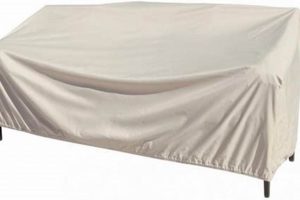
Tip 7: Store Furniture Properly During Off-Season: When not in use, store the furniture in a covered area or use protective covers. This minimizes exposure to harsh weather conditions and reduces the need for frequent maintenance.
Adhering to these maintenance guidelines will preserve your hardwood furniture’s beauty and integrity. Regular upkeep ensures prolonged enjoyment and minimizes the need for costly repairs or replacements.
The subsequent sections will delve into specific product recommendations and address common concerns related to preserving outdoor hardwood furnishings.
1. Regularity

The frequency with which teak garden furniture is cleaned directly influences its lifespan and aesthetic appeal. A consistent maintenance schedule mitigates the accumulation of dirt, mildew, and other environmental contaminants that degrade the wood over time. Infrequent cleaning allows these substances to penetrate the wood’s surface, leading to staining, discoloration, and structural weakening. For example, furniture left uncleaned during the autumn months may experience accelerated mildew growth due to increased moisture and decaying leaf matter, necessitating more intensive cleaning efforts in the spring.
Regularity in cleaning extends beyond simple aesthetic maintenance. It also impacts the wood’s resistance to weathering and insect infestation. Accumulated dirt and organic matter can retain moisture, creating an environment conducive to fungal growth and attracting wood-boring insects. Routine cleaning disrupts these processes, preventing long-term damage and preserving the wood’s integrity. Businesses with outdoor seating areas, such as cafes or restaurants, often adhere to a weekly cleaning schedule to maintain a presentable and hygienic environment, thereby extending the usable life of their furniture.
In summation, the principle of regularity is a cornerstone of effective teak garden furniture upkeep. Proactive maintenance prevents the accumulation of detrimental substances, thereby preserving the wood’s appearance, structural integrity, and resistance to environmental factors. Neglecting a consistent cleaning regimen necessitates more intensive and potentially damaging cleaning procedures in the future, ultimately diminishing the value and longevity of the furniture. Prioritizing a schedule of regular maintenance is therefore essential for maximizing the investment in teak garden furnishings.
2. Gentle Solutions

The selection of cleaning agents significantly influences the long-term condition of teak garden furniture. Abrasive or chemically aggressive solutions can erode the wood’s natural oils, leading to premature graying, cracking, and increased susceptibility to moisture damage. The inherent oil content of teak provides natural protection against the elements; therefore, maintaining this oil is paramount. For instance, using harsh alkaline cleaners can strip these oils, rendering the wood brittle and porous. Gentle solutions, conversely, are formulated to cleanse the surface without compromising the wood’s natural protective properties.
The application of mild detergents, such as pH-neutral dish soap diluted in water, provides an effective cleaning action while minimizing the risk of damage. This approach removes surface dirt, grime, and mildew without stripping the essential oils. Consider a scenario where teak furniture, cleaned solely with harsh chemicals, displays signs of deteriorationnoticeable cracking and fadingwithin a shorter period compared to furniture cleaned with gentler methods. This illustrates the practical consequences of inappropriate cleaning agent selection. Specific wood-cleaning products designed for teak offer another effective option; these formulations are specifically engineered to balance cleaning power with wood preservation.
In summary, the use of gentle solutions in teak garden furniture cleaning is not merely a matter of preference but a necessity for preserving the wood’s integrity. Choosing cleaning agents that prioritize the wood’s natural oil content ensures long-term durability, aesthetic appeal, and resistance to environmental stressors. Prioritizing gentle methods is a critical aspect of responsible teak furniture ownership, contributing to its longevity and reducing the need for costly repairs or replacements. The principle of “gentle solutions” therefore forms an integral component of a comprehensive maintenance strategy.
3. Thorough Rinsing

Complete removal of cleaning solutions from teak garden furniture is critical for long-term preservation. Residual cleaning agents, regardless of their mildness, can negatively impact the wood’s surface, leading to discoloration, accelerated weathering, and a diminished aesthetic appeal. Thorough rinsing is therefore an indispensable step in any comprehensive cleaning procedure.
- Prevention of Residue Buildup
Inadequate rinsing leaves a film of cleaning solution on the teak surface. This residue attracts dirt, dust, and pollutants, leading to a sticky, unsightly buildup. Over time, this accumulated grime becomes difficult to remove, potentially requiring more aggressive cleaning methods that can damage the wood.
- Mitigation of Discoloration
Certain cleaning agents, even those specifically designed for teak, can cause discoloration if left to dry on the wood’s surface. Sunlight and humidity exacerbate this effect, leading to uneven fading or staining. Thorough rinsing eliminates this risk by ensuring complete removal of potentially discoloring substances.
- Preservation of Wood’s Natural Oils
While gentle cleaning solutions are recommended, any remaining residue can interfere with the wood’s natural oil production and distribution. This interference diminishes the teak’s inherent resistance to moisture and weathering, making it more susceptible to cracking and decay. Complete rinsing promotes optimal oil absorption and distribution.
- Optimization of Protective Treatment Adhesion
Application of teak oil or sealant is often the final step in a cleaning and maintenance routine. Residual cleaning agents can prevent proper adhesion of these protective treatments, compromising their effectiveness. Thorough rinsing creates a clean, receptive surface, maximizing the benefits of subsequent oiling or sealing.
The multifaceted benefits of thorough rinsing underscore its importance in teak garden furniture maintenance. By preventing residue buildup, mitigating discoloration, preserving natural oils, and optimizing protective treatment adhesion, this step contributes significantly to the furniture’s longevity, aesthetic appeal, and overall value. Neglecting thorough rinsing undermines the efficacy of the entire cleaning process and increases the likelihood of premature deterioration.
4. Appropriate Cleaners

The selection of appropriate cleaners is a fundamental determinant of the success and longevity of teak garden furniture maintenance. Incorrect cleaning agents can lead to irreversible damage, while suitable choices promote preservation and aesthetic appeal. This analysis examines crucial facets regarding the selection and use of cleaners tailored for teak wood.
- pH Neutrality
Cleaners with a pH level close to 7, generally considered neutral, are preferable for teak. Highly acidic or alkaline solutions can erode the wood’s natural oils, leading to dryness and cracking. Examples include specialized teak cleaners marketed as pH-balanced and mild dish soap solutions. The implications of using inappropriate, highly alkaline cleaners can be seen in the accelerated graying and weathering of the teak surface.
- Absence of Abrasives
Abrasive cleaning agents, such as scouring powders or those containing harsh scrubbing particles, can scratch the teak surface, creating microscopic grooves that trap dirt and promote moisture retention. This results in a dull, uneven finish. Opting for liquid cleaners and soft-bristled brushes mitigates the risk of abrasion. The visible effect of abrasive cleaners is a loss of the wood’s natural luster and an increased susceptibility to staining.
- Biodegradability
Environmentally conscious cleaners are recommended to minimize the impact on surrounding ecosystems. Biodegradable solutions break down naturally, reducing pollution and promoting sustainable maintenance practices. Many commercially available teak cleaners emphasize their biodegradable composition. Utilizing eco-friendly options reflects a commitment to environmental responsibility alongside furniture care.
- Compatibility with Protective Treatments
The selected cleaner must be compatible with any subsequent protective treatments, such as teak oil or sealant. Certain cleaning agents can leave residues that interfere with the adhesion or effectiveness of these treatments. Testing the cleaner in an inconspicuous area prior to full application ensures compatibility and prevents adverse reactions. Failure to consider this aspect can result in a compromised protective barrier and reduced furniture lifespan.
These facets of cleaner appropriateness directly influence the outcome of teak garden furniture maintenance. Employing pH-neutral, non-abrasive, biodegradable cleaners that are compatible with protective treatments ensures the long-term preservation of teak’s natural beauty and structural integrity. Neglecting these considerations can lead to irreversible damage and diminished furniture value.
5. Protective Sealants

The application of protective sealants constitutes a critical phase in teak garden furniture maintenance, occurring subsequent to the cleaning process. These sealants serve to safeguard the cleaned teak from environmental stressors and enhance its longevity.
- Water Repellency
Sealants create a hydrophobic barrier on the teak surface, preventing water absorption. This minimizes swelling, cracking, and warping that result from moisture exposure. For instance, a teak table treated with a sealant will resist water stains and maintain its structural integrity compared to an untreated table left exposed to rain. Water repellency is a primary function, mitigating water-related damage.
- UV Protection
Sealants often incorporate ultraviolet (UV) inhibitors, which shield the teak from the sun’s harmful rays. UV exposure causes fading, discoloration, and degradation of the wood’s surface. Sealants help preserve the wood’s natural color and prevent premature graying. Untreated furniture will fade over time, compared to sealed wood that retains its color much longer.
- Mold and Mildew Resistance
Certain sealants contain anti-microbial agents that inhibit the growth of mold and mildew on the teak surface. This is particularly important in humid environments where these organisms thrive. Regular sealant application reduces the frequency of cleaning required to remove mold and mildew. Furniture exposed to moisture is highly susceptible.
- Ease of Future Cleaning
A sealed teak surface is smoother and less porous than an unsealed one, making it easier to clean. Dirt and grime do not penetrate the wood as readily, simplifying subsequent cleaning efforts. Maintaining sealed furniture is far easier than with furniture that has not been properly sealed, extending the longevity of the furniture.
The integration of protective sealants within the teak cleaning routine extends the benefits of the cleaning process itself. By providing water repellency, UV protection, mold resistance, and enhanced cleanability, these sealants contribute significantly to the sustained aesthetic appeal and structural integrity of teak garden furniture. Regular application, following cleaning, is essential for optimal results.
6. Mold Prevention

Mold prevention is an integral component of teak garden furniture maintenance, directly influencing the wood’s longevity and aesthetic appeal. The inherent properties of teak, while resistant to decay, do not render it immune to mold and mildew growth, particularly in humid or shaded environments. Therefore, proactive mold prevention strategies are essential to maintain the integrity of the furniture.
- Regular Cleaning with Appropriate Solutions
Consistent removal of organic matter, such as fallen leaves and dirt, prevents mold spores from finding a suitable substrate for growth. Employing cleaning solutions specifically formulated for teak, often containing mild anti-microbial agents, further inhibits mold development. Infrequent cleaning, conversely, allows organic matter to accumulate, creating a breeding ground for mold. For instance, neglecting to clean teak furniture beneath trees exposes it to constant leaf litter, dramatically increasing the risk of mold infestation.
- Ensuring Proper Ventilation
Teak furniture placed in areas with limited air circulation is more susceptible to mold growth due to increased moisture retention. Positioning furniture to allow adequate airflow promotes drying and inhibits mold development. Furniture stored in tightly covered spaces during the off-season is particularly vulnerable. Proper ventilation minimizes moisture buildup, reducing the risk of mold and mildew.
- Application of Mold-Inhibiting Sealants
Applying sealants containing mold inhibitors provides an additional layer of protection. These sealants create a barrier that prevents mold spores from penetrating the wood’s surface, even in high-humidity conditions. Its a crucial step in a routine cleaning process. These products reduce the likelihood of mold infestation, even in challenging environments.
- Prompt Removal of Mold When Detected
Early detection and removal of mold are crucial to prevent widespread infestation. Addressing small patches of mold promptly, using a solution of diluted bleach or specialized mold remover, minimizes the damage and prevents spores from spreading. Delaying treatment allows mold to penetrate deeper into the wood, potentially requiring more aggressive and damaging cleaning methods.
The interplay between consistent cleaning practices, ensuring adequate ventilation, utilizing mold-inhibiting sealants, and addressing mold promptly when detected, forms a comprehensive mold prevention strategy for teak garden furniture. These proactive measures safeguard the furniture’s aesthetic appeal, prolong its lifespan, and minimize the need for intensive restoration efforts. The emphasis on preventative care, rather than reactive treatment, represents a cost-effective and environmentally responsible approach to teak furniture maintenance.
7. Proper Storage

Proper storage significantly influences the cleaning requirements and overall condition of teak garden furniture. Suboptimal storage practices directly contribute to increased soiling, accelerated weathering, and the potential for mold or mildew growth, thereby increasing the frequency and intensity of necessary cleaning interventions. For example, leaving teak furniture uncovered and exposed to the elements during winter months subjects it to constant moisture, freezing temperatures, and accumulating debris, necessitating a more rigorous cleaning process in the spring compared to furniture stored under protective covers. Therefore, proper storage must be considered an integral component of long-term teak maintenance.
The relationship between storage and cleaning extends beyond the frequency of maintenance. Effective storage mitigates the types of contaminants and damage that teak furniture sustains. Indoor storage, or the use of waterproof covers, reduces exposure to UV radiation, precipitation, and temperature fluctuations, minimizing the graying and cracking often associated with prolonged outdoor exposure. Similarly, storing furniture in a dry, well-ventilated space inhibits mold and mildew growth, reducing the need for harsh cleaning agents that can strip the wood’s natural oils. Failure to properly store teak furniture often leads to the need for specialized cleaning products or techniques. For instance, furniture severely infested with mold may require cleaning solutions containing bleach, which, while effective, can also lighten the wood and necessitate subsequent oiling or sealing to restore its natural color.
In conclusion, proper storage serves as a crucial preventative measure, minimizing the need for intensive cleaning procedures and extending the lifespan of teak garden furniture. By reducing exposure to environmental stressors and inhibiting contaminant accumulation, effective storage optimizes the efficacy of routine cleaning efforts. The integration of appropriate storage strategies is thus an essential element of a comprehensive teak maintenance program, contributing to long-term preservation and aesthetic appeal. The understanding of this interplay is critical for those seeking to maximize the value and longevity of their investment in teak furnishings.
Frequently Asked Questions Regarding Cleaning Teak Garden Furniture
This section addresses common inquiries concerning the appropriate methods and materials used in maintaining teak garden furniture. These questions aim to provide clarity and guidance on ensuring the longevity and aesthetic appeal of teak furnishings.
Question 1: How frequently should teak garden furniture be cleaned?
The optimal cleaning frequency depends on environmental conditions and usage patterns. Generally, cleaning every 2-3 months is advisable. However, furniture exposed to heavy soiling or humid climates may require more frequent attention.
Question 2: What types of cleaning solutions are recommended for teak?
Mild, pH-neutral cleaning solutions are most suitable for teak. Avoid abrasive cleaners or those containing harsh chemicals, as they can damage the wood’s surface. Specialized teak cleaners and solutions of mild dish soap and water are effective alternatives.
Question 3: Is pressure washing an acceptable method for cleaning teak furniture?
Pressure washing is generally discouraged due to the potential for damaging the wood fibers. The high pressure can erode the surface, leading to splintering and uneven coloration. Gentle scrubbing with a soft brush is a preferred method.
Question 4: How can the silver-gray patina that develops on teak be removed?
The silver-gray patina is a natural oxidation process and does not harm the wood. If removal is desired, a specialized teak cleaner designed to restore the wood’s original color can be used. Follow the manufacturer’s instructions carefully.
Question 5: Should teak garden furniture be oiled or sealed after cleaning?
Oiling or sealing is optional, depending on the desired aesthetic. Teak oil can enhance the wood’s color and provide some protection against moisture. Sealants offer a more durable barrier against the elements. Both should be applied after thorough cleaning and drying.
Question 6: How can mold and mildew be effectively removed from teak furniture?
A solution of diluted bleach and water (typically a 1:10 ratio) can be used to remove mold and mildew. Apply the solution to the affected areas, scrub gently, and rinse thoroughly. Exercise caution to avoid prolonged contact and potential discoloration.
These frequently asked questions offer essential guidance on preserving teak garden furniture. Proper cleaning techniques and appropriate product selection are crucial for maintaining the wood’s integrity and appearance.
The following section will explore advanced restoration techniques for severely weathered or damaged teak furniture.
Conclusion
The preceding analysis has explored crucial aspects of maintaining outdoor teak furnishings, from routine cleaning to preventative measures and problem resolution. Effective cleaning practices, involving appropriate solutions, thorough rinsing, and preventative actions, are essential for preserving the aesthetic qualities, structural integrity, and long-term value of teak pieces. Proper understanding of appropriate cleaning techniques will provide greater customer satisfaction.
Consistent and informed maintenance represents a worthwhile investment, safeguarding the inherent beauty and durability of teak against the challenges of the outdoor environment. A commitment to informed maintenance will ensure that these furnishings continue to provide outdoor comfort and aesthetic enjoyment for years to come.


![Protect & Extend: Garden Furniture Feet Protectors [Buy Now] | The Ultimate Gardening Guide: Grow a Thriving Garden Year-Round](https://MyGardenPatch.com/wp-content/uploads/2025/07/th-3169-300x200.jpg "Protect & Extend: Garden Furniture Feet Protectors [Buy Now] The Ultimate Gardening Guide: Grow a Thriving Garden Year-Round")