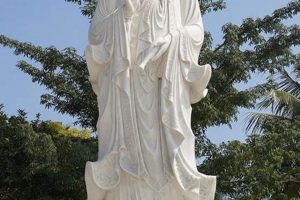
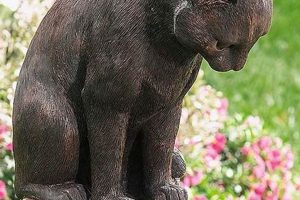
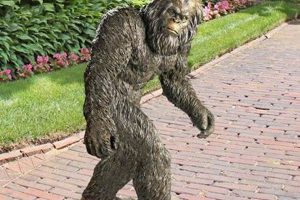
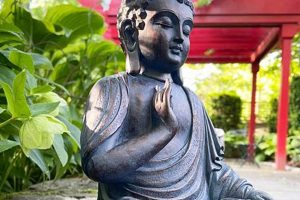
Durable outdoor ornamentation crafted from a mixture of powdered lime, silica, alumina, and iron oxide combined with water. These decorative objects, frequently found adorning lawns, patios, and flowerbeds, provide aesthetic enhancements to outdoor spaces. Examples include figures of animals, mythical creatures, and abstract forms placed amidst greenery.
Such embellishments offer enduring visual appeal due to the inherent resilience of the construction material against weathering and temperature fluctuations. Their robust nature ensures longevity, minimizing the need for frequent replacement. Historically, similar sculptural pieces have been used to signify status and cultivate a particular ambiance within landscape design, contributing to the overall character of a property.
The following discussion will delve into the selection considerations, maintenance practices, and diverse styles associated with these popular outdoor accents, providing a comprehensive overview for those seeking to incorporate them into their landscape architecture.
Guidance on Cement Garden Statuary
Selecting and maintaining exterior ornamentation requires careful consideration to ensure lasting beauty and structural integrity. The following guidance provides key points for optimizing the integration of these items into outdoor spaces.
Tip 1: Foundation Preparation: Prior to placement, ensure a stable and level foundation. Uneven ground can cause stress fractures over time. A compacted gravel bed or concrete paver provides a suitable base.
Tip 2: Material Sealing: Apply a concrete sealant to protect against water penetration and freeze-thaw damage. This preventative measure extends the lifespan and preserves surface detail.
Tip 3: Winter Protection: In regions with harsh winters, consider covering or storing smaller items indoors to mitigate potential damage from ice expansion within the material’s pores.
Tip 4: Placement Considerations: Position objects away from areas prone to significant water accumulation or direct impact from lawnmowers and other equipment.
Tip 5: Cleaning Protocols: Regularly clean the surfaces with a mild detergent and water to remove dirt, moss, and algae. Avoid harsh chemicals that can degrade the material.
Tip 6: Inspect Regularly: Periodically inspect each item for cracks or damage. Small cracks are easily repaired with cement patching compound, but ignoring them will lead to extensive damage over time.
Tip 7: Secure Against Theft or Damage: Depending on the statue size and location, consider securing it with an appropriate adhesive or fastening system to protect against theft or accidental tipping.
Adhering to these guidelines promotes the longevity and continued aesthetic appeal of these durable outdoor accents, ensuring years of enjoyment.
The concluding section will summarize key aspects and offer final recommendations for optimizing the integration of these items into diverse landscape designs.
1. Durability

The inherent capacity to withstand environmental stressors and physical impact is paramount to the functionality of exterior cement figurines. Their exposure to rain, sunlight, temperature fluctuations, and occasional physical contact necessitates a robust composition capable of resisting degradation. Substandard materials or inadequate curing processes compromise structural integrity, leading to cracking, crumbling, and ultimately, a diminished lifespan. For example, figurines constructed from poorly mixed or inadequately reinforced cement are susceptible to spalling during freeze-thaw cycles, resulting in surface damage and eventual disintegration.
The employment of high-quality cement, proper aggregate ratios, and reinforcement techniques such as wire mesh or fiber additives significantly enhance the longevity of these decorative objects. A well-formulated and expertly crafted piece, fortified with these measures, can endure decades of outdoor exposure with minimal deterioration. The practical implication of durability extends beyond mere aesthetic preservation; it represents a cost-effective investment, minimizing replacement expenses and ensuring long-term visual appeal. This resilience is particularly pertinent in regions experiencing harsh climates or locations prone to accidental impact.
In summary, durability is not merely a desirable attribute but an essential component governing the economic and aesthetic value of exterior cement figurines. The conscientious selection of durable, well-constructed items, coupled with appropriate protective measures, translates to sustained beauty and reduced maintenance expenditures over the product’s lifespan. A lack of attention to this crucial factor inevitably results in premature degradation and financial loss.
2. Weather Resistance
The longevity and aesthetic appeal of cement garden statuary are intrinsically linked to its capacity to withstand diverse weather conditions. Constant exposure to rain, solar radiation, fluctuating temperatures, and, in some regions, snow and ice, pose significant challenges to the structural integrity of these decorative objects. The material’s resistance to these elements directly determines its lifespan and the maintenance requirements necessary to preserve its appearance. Without adequate protection, cement can absorb moisture, leading to expansion and contraction that causes cracking and surface deterioration over time. Ultraviolet radiation can also contribute to fading and discoloration of painted or stained surfaces.
One practical example of the importance of weather resistance can be observed in regions with significant freeze-thaw cycles. When water permeates the cement’s porous structure and subsequently freezes, the expansion of ice exerts considerable pressure on the surrounding material, resulting in spalling and cracking. Similarly, constant exposure to rain can lead to the growth of algae and moss, which not only detracts from the statue’s appearance but can also accelerate the weathering process. To counteract these effects, protective coatings, such as sealants and waterproof paints, are commonly applied to mitigate moisture absorption and shield against ultraviolet radiation. Furthermore, selecting a cement mixture with a low water-to-cement ratio can improve density and reduce porosity, enhancing overall weather resistance.
In summary, weather resistance is a critical attribute dictating the suitability of cement garden statuary for outdoor use. The application of appropriate protective measures, coupled with careful material selection, is essential for ensuring the long-term preservation of these decorative elements. Understanding the interplay between environmental factors and material properties allows for informed decisions regarding purchase, placement, and maintenance, ultimately maximizing the investment in these landscape adornments.
3. Design Variety

The breadth of stylistic options available in cement garden statuary constitutes a significant factor in their widespread appeal and adaptability to diverse landscape aesthetics. This design variance allows for seamless integration into various garden styles and personal preferences, fostering a personalized outdoor environment.
- Figurative Representations
Cement statuary encompasses a wide array of figurative forms, including human likenesses, animals, and mythical creatures. These representations range from classical sculptures reminiscent of ancient Greece and Rome to whimsical depictions of woodland creatures. The selection of a particular figurative form dictates the overall ambiance of the garden, imbuing it with a sense of grandeur, playfulness, or serenity.
- Abstract Forms
Beyond representational imagery, abstract cement sculptures offer a contemporary alternative, characterized by geometric shapes and non-representational designs. These pieces can serve as focal points within a garden, adding a touch of modern artistry and sophistication. The deliberate absence of identifiable forms invites interpretation and complements minimalist or contemporary landscape designs.
- Architectural Elements
Cement’s versatility extends beyond purely decorative objects to encompass functional architectural elements such as planters, fountains, and birdbaths. These items not only enhance the aesthetic appeal of a garden but also serve practical purposes. The integration of architectural elements crafted from cement creates a cohesive and harmonious outdoor living space.
- Textural Finishes
The surface finish of cement statuary further contributes to design variety, ranging from smooth, polished surfaces to rough, textured finishes that mimic natural stone. These textural variations add depth and visual interest, complementing the surrounding vegetation and landscape materials. The choice of finish can significantly alter the perceived character of a statue, influencing its integration into the overall garden design.
The interplay of figurative representation, abstract form, architectural integration, and textural finish collectively underscores the extensive design variety available in cement garden statuary. This diversity empowers individuals to curate outdoor spaces that reflect their unique aesthetic sensibilities, fostering a harmonious blend of nature and artistic expression. The careful consideration of these design elements ensures that the selected statuary complements and enhances the overall landscape design, creating a visually compelling and personally enriching outdoor environment.
4. Placement Strategy

Effective deployment of cement garden statues is paramount to maximizing their aesthetic impact and ensuring their longevity. The intentional arrangement of these items within a landscape dictates their visibility, influences the surrounding environment, and mitigates potential damage from environmental factors or accidental contact. Careful consideration must be given to sightlines, spatial relationships, and potential hazards to optimize the integration of these objects into the overall design scheme. For example, placing a large, ornate statue in a location obscured by dense foliage negates its intended visual impact, while situating it near a high-traffic area increases the risk of accidental damage. The orientation of a statue relative to sunlight exposure can also impact its appearance, influencing the play of light and shadow throughout the day. Consequently, a comprehensive placement strategy represents a critical component of successful landscape design involving cement statuary.
Practical applications of a well-defined placement strategy extend beyond mere aesthetics. Proper siting can minimize exposure to harsh weather conditions, reducing the likelihood of weathering and prolonging the lifespan of the statue. For instance, placing a statue under the canopy of a mature tree provides protection from direct sunlight and heavy rainfall, mitigating potential damage from ultraviolet radiation and freeze-thaw cycles. Similarly, elevating a statue on a plinth or pedestal prevents water accumulation around its base, reducing the risk of algae growth and structural deterioration. Furthermore, securing a statue to a stable foundation prevents it from tipping over during strong winds or accidental contact, minimizing the potential for damage or injury. These practical considerations underscore the importance of a deliberate and informed approach to the placement of cement garden statues.
In summary, placement strategy significantly impacts the visual appeal, longevity, and safety of cement garden statues. Addressing potential hazards, environmental factors, and aesthetic considerations are essential for successful deployment. Effective placement not only enhances the beauty of the landscape but also minimizes maintenance requirements and extends the lifespan of these decorative objects. Neglecting this crucial aspect of design can lead to diminished visual impact, increased risk of damage, and reduced return on investment. Thus, a thoughtful and deliberate approach to placement is crucial for maximizing the value and enjoyment derived from cement garden statuary.
5. Surface Protection

Surface protection constitutes a critical element in preserving the integrity and aesthetic value of cement garden statues. Direct exposure to environmental elements necessitates proactive measures to mitigate degradation and extend the lifespan of these decorative objects. Protective strategies act as barriers against moisture penetration, ultraviolet radiation, and the growth of biological organisms, ensuring the enduring beauty of the statues.
- Sealant Application
The application of a concrete sealant forms a primary defense against water absorption, a major cause of deterioration in cement-based materials. Sealants penetrate the porous surface, creating a hydrophobic layer that repels water and prevents freeze-thaw damage in colder climates. Various sealant types exist, including penetrating sealants and film-forming sealants, each offering distinct levels of protection and aesthetic effects. The selection of an appropriate sealant depends on the statue’s composition, intended location, and desired appearance. Reapplication is typically required every few years to maintain effectiveness.
- Protective Coatings
Protective coatings, such as paints and specialized concrete coatings, offer both aesthetic enhancement and a durable barrier against environmental stressors. These coatings can be pigmented to alter the statue’s color or designed to provide a clear, protective layer. The choice of coating should consider its UV resistance, flexibility to accommodate thermal expansion and contraction, and breathability to allow moisture vapor to escape from within the cement. Regular inspection and maintenance of the coating are essential to prevent cracking and peeling, which can compromise its protective function.
- Anti-Microbial Treatments
The growth of algae, moss, and lichen on cement surfaces can contribute to discoloration and surface erosion. Anti-microbial treatments, often incorporated into sealants or coatings, inhibit the proliferation of these organisms. These treatments typically contain biocides that disrupt the metabolic processes of the organisms, preventing their attachment and growth on the statue’s surface. Periodic cleaning with a mild detergent and water further aids in preventing the accumulation of organic matter and maintaining a clean surface.
- Physical Barriers
While not always practical, physical barriers can provide an additional layer of surface protection. Positioning statues under the canopy of trees or utilizing protective covers during inclement weather can reduce direct exposure to rain, snow, and sunlight. Although these measures may not completely eliminate environmental impact, they can significantly prolong the lifespan of the statue’s surface finish and reduce the frequency of required maintenance.
The implementation of comprehensive surface protection strategies is crucial for ensuring the long-term preservation of cement garden statues. By mitigating the effects of water, UV radiation, and biological organisms, these measures maintain the statue’s aesthetic appeal and structural integrity, safeguarding the investment in these decorative elements.
6. Weight Considerations
The weight of cement garden statues is a critical factor influencing their placement, stability, and logistical handling. The inherent density of cement, coupled with the size and complexity of the statue’s design, dictates its overall mass, requiring careful planning and execution during installation and subsequent relocation.
- Stability and Security
The substantial weight of cement statuary contributes to its stability, reducing the likelihood of accidental tipping due to wind or contact. This inherent stability also provides a degree of security against theft, as moving heavy objects requires significant effort and resources. However, excessive weight can pose challenges during initial placement, necessitating the use of specialized equipment or multiple personnel to safely maneuver the statue into its desired location.
- Foundation Requirements
The weight of the statue directly impacts the foundation requirements needed to support it adequately. Smaller, lighter statues can often be placed directly on compacted soil or gravel beds, while larger, heavier pieces may necessitate a concrete pad or reinforced foundation to prevent sinking or shifting over time. Insufficient foundation support can lead to structural instability and eventual damage to the statue or surrounding landscape elements.
- Transportation Logistics
The weight of cement garden statues significantly influences transportation logistics. Heavy objects require specialized vehicles and handling equipment, increasing transportation costs and potentially limiting accessibility to certain locations. Consideration must be given to weight restrictions on roadways and the load-bearing capacity of vehicles used for transport. Furthermore, the weight impacts the complexity of unloading and positioning the statue at its final destination.
- Handling and Maintenance
The weight of these items impacts handling and maintenance procedures. Routine cleaning or seasonal storage of smaller statues can typically be performed without specialized equipment, but larger pieces necessitate the use of lifting devices or multiple individuals to prevent injury or damage. Maintenance tasks, such as sealant application or crack repair, may also require logistical planning to accommodate the statue’s weight and dimensions.
In conclusion, the weight of cement garden statues is an intrinsic characteristic with far-reaching implications for their installation, maintenance, and long-term stability. Careful consideration of these weight-related factors is essential for ensuring the successful integration of these decorative objects into landscape designs and minimizing potential risks associated with their handling and placement.
7. Maintenance Regimen

A structured maintenance regimen is inextricably linked to the preservation and longevity of exterior cement statuary. Without systematic upkeep, these decorative objects are susceptible to degradation from environmental factors and biological growth, ultimately diminishing their aesthetic appeal and structural integrity. The absence of a maintenance protocol creates a direct causal relationship leading to accelerated weathering, surface discoloration, and potential structural compromise. As such, a well-defined maintenance plan is not merely an ancillary consideration but an integral component of ensuring the continued value and visual impact of these items. For example, neglecting to seal the surface of a cement statue in a region with freeze-thaw cycles permits water infiltration, resulting in expansion and contraction that causes cracking and spalling. Similarly, failure to remove organic growth such as moss and lichen provides a medium for moisture retention, exacerbating the weathering process and disfiguring the statue’s surface.
Implementing a regular maintenance regimen requires a multi-faceted approach. This includes periodic cleaning with a mild detergent and water to remove accumulated dirt and organic matter. The application of appropriate sealants and protective coatings, designed to mitigate moisture absorption and ultraviolet radiation damage, should be conducted at recommended intervals. Furthermore, consistent inspection for cracks, chips, or other signs of deterioration allows for prompt repair, preventing minor issues from escalating into significant structural problems. An example of practical application involves the use of a soft-bristled brush and a low-pressure water spray to remove surface debris without damaging the statue’s finish. Following cleaning, the application of a concrete sealant, chosen based on the statue’s specific composition and environmental exposure, provides a protective barrier against future degradation.
In summary, a consistent and comprehensive maintenance regimen represents a crucial investment in the long-term preservation of cement garden statues. While the initial cost and effort may seem substantial, the alternativeaccelerated deterioration and eventual replacementproves significantly more expensive in the long run. By proactively addressing potential threats and implementing preventive measures, owners can ensure that their cement statuary retains its beauty and structural integrity for many years to come. The challenge lies in educating consumers about the importance of maintenance and providing clear, accessible guidelines for implementing effective preservation strategies.
Frequently Asked Questions
The following addresses common inquiries regarding the selection, care, and longevity of cement garden statues, providing clarity on important considerations for prospective and current owners.
Question 1: What factors determine the durability of cement garden statues?
Durability is contingent upon the cement mixture’s composition, curing process, and presence of reinforcing materials. High-quality cement, proper aggregate ratios, adequate curing time, and reinforcement with wire mesh or fibers contribute to superior resistance against weathering and physical impact.
Question 2: How can one effectively protect cement garden statues from freeze-thaw damage?
The application of a penetrating concrete sealant is crucial for mitigating freeze-thaw damage. Sealants create a hydrophobic barrier, preventing water absorption, the primary cause of expansion and contraction within the cement matrix during freezing and thawing cycles.
Question 3: What are the optimal cleaning methods for cement garden statues?
Regular cleaning with a mild detergent and soft-bristled brush is recommended to remove dirt, algae, and moss. Harsh chemicals or abrasive scrubbers should be avoided as they can damage the surface finish. Power washing, if employed, should be conducted at low pressure to prevent erosion of the cement.
Question 4: How does the weight of a cement garden statue impact its placement and foundation requirements?
The weight dictates the stability of the statue and the necessary foundation support. Lighter statues can be placed on compacted soil, while heavier pieces necessitate a concrete pad or reinforced foundation to prevent sinking or shifting over time. Weight also influences transportation and handling logistics.
Question 5: What is the recommended frequency for sealant reapplication on cement garden statues?
The frequency of sealant reapplication depends on the specific sealant used and the environmental conditions. Generally, reapplication is recommended every one to three years to maintain optimal protection against moisture penetration and weathering.
Question 6: Are there specific design styles or aesthetics best suited for cement garden statues?
Cement garden statues exhibit diverse design styles, ranging from classical and figurative representations to abstract and architectural forms. The optimal aesthetic depends on the overall landscape design and personal preference. Careful consideration should be given to scale, proportion, and the surrounding environment to ensure harmonious integration.
Understanding these key considerations ensures informed decision-making regarding the acquisition, care, and preservation of cement garden statues, maximizing their long-term aesthetic and structural value.
The concluding section will provide a comprehensive summary of best practices and final recommendations for optimizing the use of cement garden statues in diverse landscape settings.
Cement Garden Statues
This examination of cement garden statues has underscored several critical factors influencing their successful integration into outdoor spaces. Durability, weather resistance, design variety, strategic placement, and consistent maintenance are all paramount to maximizing both aesthetic appeal and structural longevity. A thorough understanding of these elements empowers individuals to make informed decisions regarding selection, installation, and ongoing care, ensuring that these decorative objects enhance their environments for years to come.
Cement garden statues, when thoughtfully chosen and properly maintained, serve as enduring testaments to the enduring appeal of integrating art and nature. The application of the principles outlined herein will ensure that these valuable additions to landscapes retain their beauty and contribute to the overall character of outdoor environments for generations.