Representations of the Enlightened One, placed within outdoor environments, serve as visual focal points and contemplative aids. These sculpted figures, often crafted from materials such as stone, resin, or metal, depict various poses and expressions associated with Buddhist teachings. Common depictions include the meditating Buddha, the reclining Buddha signifying parinirvana, and the standing Buddha offering blessings.
The inclusion of such figures in outdoor spaces offers numerous advantages, promoting tranquility, mindfulness, and aesthetic enhancement. Historically, these figures have been incorporated into gardens and landscapes across various cultures, reflecting the spread of Buddhist philosophy and artistic traditions. Their presence provides a sense of serenity and invites reflection, fostering a connection with spiritual principles. Furthermore, they contribute to the overall design and visual appeal of the surrounding environment.
The following sections will delve into the selection criteria, placement considerations, and maintenance techniques associated with these decorative and spiritually significant elements, providing guidance for individuals seeking to integrate them into their own outdoor spaces.
Selection and Placement Guidance
Careful consideration must be given to the selection and placement of outdoor representations of the Enlightened One to maximize their impact and ensure long-term enjoyment.
Tip 1: Material Selection: Opt for materials that withstand the elements. Stone, bronze, or high-quality resin are generally more durable than less expensive alternatives, ensuring longevity and resistance to weathering.
Tip 2: Size and Scale: The size of the figure should be proportional to the surrounding area. A large figure in a small garden can overwhelm the space, while a small figure in a vast landscape may be easily overlooked.
Tip 3: Pose and Meaning: Understand the significance of different poses. The meditating Buddha promotes inner peace, while the earth-touching Buddha represents enlightenment. Choose a pose that resonates with the desired atmosphere and personal intention.
Tip 4: Placement Considerations: Position the figure in a location that promotes contemplation and tranquility. Consider incorporating it into a meditation garden or placing it near water features to enhance the sense of serenity.
Tip 5: Environmental Harmony: Ensure the figure complements the existing landscape design. Coordinate the style and color of the figure with the surrounding plants, rocks, and other garden elements to create a cohesive and visually appealing environment.
Tip 6: Respectful Positioning: Avoid placing the figure in a location that is considered disrespectful, such as directly on the ground or near areas of high traffic. A raised platform or dedicated space is recommended.
Tip 7: Climate Suitability: Consider the local climate when selecting a figure. In regions with harsh winters, choose materials that are resistant to freezing and thawing to prevent damage.
Following these guidelines ensures the selected figure will not only enhance the aesthetic appeal of the outdoor space but also contribute to a more tranquil and contemplative atmosphere.
The subsequent discussion will address maintenance practices and long-term care to preserve the figure’s beauty and integrity.
1. Material Durability

The longevity and aesthetic integrity of representations of the Enlightened One intended for outdoor placement are intrinsically linked to the inherent durability of the materials employed in their creation. Material selection directly influences resistance to weathering, physical damage, and long-term degradation, dictating the statue’s ability to withstand environmental stressors.
- Weather Resistance
Specific materials exhibit varying degrees of resistance to environmental elements such as rain, sunlight, and temperature fluctuations. Bronze, for example, develops a protective patina over time, mitigating corrosion, while certain types of stone are less susceptible to erosion. The choice of material should align with the prevalent climatic conditions of the intended location to prevent premature deterioration.
- Structural Integrity
Materials must possess sufficient structural strength to resist physical damage from impacts, wind loads, or accidental disturbances. Dense stone, reinforced concrete, or durable metals offer superior resistance compared to less robust materials like resin or fragile ceramics. Selecting materials with high structural integrity ensures the statue maintains its form and stability over time.
- Resistance to Degradation
Certain materials are prone to degradation from biological agents, such as mold, algae, or insects. Untreated wood, for example, is susceptible to decay, while some porous stones can harbor microbial growth. Choosing materials that are naturally resistant to biological degradation or applying protective coatings can prolong the statue’s lifespan and preserve its aesthetic qualities.
- Maintenance Requirements
The type of material impacts the level of maintenance required to preserve the figure’s condition. Some materials necessitate periodic cleaning, sealing, or refinishing to prevent deterioration, while others require minimal upkeep. Selecting a material with low maintenance requirements can reduce the long-term burden of care and ensure the statue remains visually appealing.
The selection of durable materials is paramount to ensuring the enduring presence of these outdoor figures, serving as enduring symbols of peace and contemplation within the garden environment. Neglecting this aspect can lead to premature degradation, undermining both the aesthetic and spiritual significance of the statue.
2. Pose Significance

The posture depicted in representations of the Enlightened One carries profound symbolic weight, influencing the atmosphere and message conveyed by the sculpture within a garden setting. Understanding the significance of various poses is crucial for selecting a statue that aligns with the desired spiritual and aesthetic intention.
- Meditating Buddha (Dhyana Mudra)
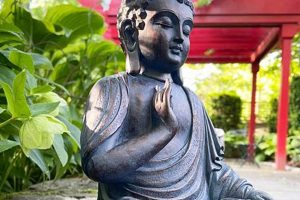
This pose, characterized by hands resting in the lap, signifies deep meditation and the attainment of enlightenment. In a garden, it fosters an atmosphere of tranquility and introspection, encouraging visitors to engage in mindful contemplation. The image promotes inner peace and can serve as a visual reminder of the path to enlightenment.
- Earth-Touching Buddha (Bhumisparsha Mudra)
Depicting the moment of enlightenment, this pose shows the Buddha calling upon the earth to witness his triumph over temptation. Placement of this representation in a garden acknowledges the struggle and ultimate victory over worldly desires. It provides a powerful message of resilience and the potential for overcoming challenges.
- Reclining Buddha (Parinirvana)
This pose portrays the Buddha’s final moments before entering parinirvana, the state beyond death and suffering. While less common in gardens, it symbolizes the impermanence of life and the acceptance of death as a natural part of the cycle. Its presence can encourage reflection on mortality and the importance of living a meaningful life.
- Standing Buddha (Abhaya Mudra)
Often depicted with a raised hand signifying reassurance and protection, this pose provides a sense of security and blessings. Its placement in a garden can create a welcoming and comforting environment, conveying a message of hope and well-being. The standing Buddha offers a visual symbol of guidance and support to those who seek it.
The careful selection of a particular pose ensures that the garden representation serves not only as an aesthetic enhancement but also as a powerful symbol that resonates with the individual’s spiritual journey. The deliberate incorporation of these representations transforms a simple garden into a sanctuary of reflection and enlightenment.
3. Scale Proportionality

The aesthetic and spiritual impact of representations of the Enlightened One within a garden environment hinges critically on scale proportionality. This principle dictates the relationship between the statue’s dimensions and the surrounding space, ensuring that the figure neither overwhelms the area nor appears insignificant within it. A lack of proportionality can detract from the intended meditative or aesthetic effect, diminishing the overall harmony of the garden.
For instance, a monumental statue placed in a small, enclosed garden can create a sense of claustrophobia and visual imbalance, negating any potential for tranquility. Conversely, a diminutive figure positioned within a sprawling landscape may be easily overlooked, losing its visual presence and spiritual significance. Successful integration requires careful assessment of the garden’s dimensions, topography, and existing features. A smaller garden may benefit from a subtly sized representation nestled among foliage, fostering intimacy and quiet contemplation. Larger gardens can accommodate more substantial figures, strategically positioned to draw the eye and establish focal points within the broader landscape design. Consider, for example, the placement of a life-sized depiction within a Zen garden, complementing the minimalist aesthetic and reinforcing the sense of peace.
Ultimately, adherence to scale proportionality ensures that the statue functions harmoniously within its environment, enhancing both the visual appeal and the spiritual resonance of the space. Overcoming challenges in achieving perfect proportionality often involves iterative adjustments to statue placement and the surrounding landscape design. By acknowledging the importance of this principle, individuals can effectively integrate such figures into their gardens, creating spaces that inspire contemplation and promote well-being.
4. Placement Serenity

The intrinsic connection between the placement of representations of the Enlightened One in outdoor environments and the resulting sense of serenity is a cornerstone of effective garden design. Careful positioning directly influences the tranquility and contemplative atmosphere fostered within the space. The statue’s location serves as a visual anchor, guiding the observer’s gaze and subtly shaping their experience of the garden. Ineffective placement, conversely, can disrupt the flow of energy and diminish the intended calming effect.
Examples of successful placement strategies include positioning figures near water features, such as ponds or streams, to amplify the sense of peace through the gentle sounds and reflections. Integrating them into secluded areas surrounded by lush greenery provides a sense of sanctuary and privacy, encouraging introspection. In Japanese Zen gardens, the strategic placement of a single, carefully chosen figure among raked gravel and rocks embodies the principles of simplicity and mindfulness. Conversely, placing such figures in high-traffic areas or cluttered environments can detract from their spiritual significance and create visual distractions. The practical significance of understanding this relationship lies in the ability to consciously cultivate a tranquil outdoor space through deliberate design choices.
Ultimately, the deliberate consideration of placement as it relates to serenity transforms an ordinary garden into a space for meditation and reflection. This approach requires an understanding of spatial dynamics, aesthetic principles, and the symbolic weight of the statue itself. While challenges may arise in achieving the desired effect due to site constraints or personal preferences, the pursuit of placement serenity remains central to harnessing the full potential of representations of the Enlightened One in garden design.
5. Weather Resistance

The durability and longevity of representations of the Enlightened One placed outdoors are intrinsically linked to the statues’ capacity to withstand prevailing weather conditions. Weather resistance is therefore a critical consideration in the selection and maintenance of these objects, directly impacting their long-term aesthetic and structural integrity.
- Material Degradation
Exposure to rain, sunlight, and temperature fluctuations causes material degradation. Stone erodes, metals corrode, and some resins become brittle under prolonged UV exposure. Selecting materials inherently resistant to these factors is crucial. For example, bronze develops a protective patina, while certain types of granite exhibit superior resistance to erosion compared to softer stones.
- Freeze-Thaw Cycles
In regions experiencing freezing temperatures, water absorbed into porous materials expands upon freezing, causing internal stress and cracking. Statues crafted from materials like porous sandstone are particularly susceptible to this damage. The use of non-porous materials or protective sealants mitigates the risk of freeze-thaw damage.
- Wind Load and Stability
High winds can exert considerable force on outdoor statues, potentially causing them to topple or break. The design and placement of the statue must account for local wind conditions. A wide, stable base or secure anchoring prevents wind-related damage. Additionally, selecting heavier materials or opting for designs with a low center of gravity increases stability.
- Chemical Exposure
Acid rain and airborne pollutants can accelerate the corrosion of metallic statues and the erosion of stone. Protective coatings and regular cleaning help minimize the impact of chemical exposure. For instance, applying a sealant to a stone statue creates a barrier against acid rain, while periodic washing removes accumulated pollutants.
The proactive consideration of weather resistance during the selection and maintenance processes ensures that outdoor representations of the Enlightened One endure as enduring symbols of peace and contemplation. Understanding the specific environmental challenges of a given location allows for informed choices that preserve both the aesthetic beauty and the spiritual significance of these figures.
6. Spiritual Resonance

The selection and placement of representations of the Enlightened One within a garden extend beyond mere aesthetic considerations; they necessitate an understanding of spiritual resonance. This resonance refers to the deep, personal connection individuals experience with these figures, stemming from their symbolic representation of Buddhist principles such as peace, mindfulness, and enlightenment. When a figure resonates spiritually with an individual, its presence in the garden transcends its physical form, becoming a catalyst for contemplation and inner reflection.
The importance of spiritual resonance is evident in the mindful selection of poses and materials. For example, an individual seeking tranquility may choose a meditating figure (Dhyana Mudra) crafted from natural stone, enhancing the sense of groundedness and inner peace. Conversely, someone seeking resilience might opt for an Earth-Touching representation (Bhumisparsha Mudra) made of durable bronze, symbolizing strength and overcoming adversity. A disconnect between the chosen statue and the individual’s spiritual aspirations can diminish the figure’s positive impact, reducing it to a mere decorative element. Instances of successful integration, such as in Zen gardens where minimalist design and carefully selected figures promote meditative states, underscore the practical significance of this understanding.
In conclusion, spiritual resonance is a critical component of effectively integrating representations of the Enlightened One into outdoor spaces. While achieving this resonance may require introspection and thoughtful consideration of individual beliefs and values, the resulting connection transforms a simple garden into a personal sanctuary, promoting well-being and spiritual growth. The challenge lies in balancing aesthetic preferences with the deeper symbolic meaning embodied by these figures, ensuring that the garden reflects both visual beauty and profound spiritual depth.
7. Artistic Style
The artistic style of representations of the Enlightened One significantly influences the aesthetic and spiritual impact within garden settings. Style encompasses a broad range of elements, from traditional interpretations rooted in specific cultural lineages to contemporary adaptations that blend Buddhist iconography with modern artistic sensibilities. The selected style shapes the visual language through which the statue communicates, thereby affecting the overall atmosphere of the garden.
- Traditional Styles
Traditional styles, such as those derived from Gandharan, Thai, or Japanese Buddhist art, adhere to established iconographic conventions regarding pose, facial features, and attire. These styles often carry deep cultural and religious significance. For example, a traditional Japanese representation in a Zen garden would emphasize simplicity and serenity, reflecting the core tenets of Zen Buddhism. Its use reinforces the garden’s contemplative purpose.
- Material and Technique
The choice of material and the techniques employed in its manipulation contribute significantly to the artistic style. Bronze casting allows for intricate detail and a sense of permanence, while carved stone emphasizes natural textures and organic forms. The selection impacts both the visual and tactile qualities of the piece. A modern statue crafted from polished stainless steel conveys a vastly different aesthetic compared to one carved from rough-hewn granite.
- Abstraction and Modern Interpretations
Contemporary artists may employ abstract or non-traditional interpretations of the Enlightened One, moving away from strict adherence to canonical forms. These modern styles often prioritize emotional expression and conceptual exploration over representational accuracy. A highly stylized sculpture might evoke a sense of spiritual awakening through unconventional shapes and textures, challenging traditional notions of reverence.
- Integration with Garden Design
The artistic style must harmonize with the overall design of the garden. A minimalist garden may benefit from a sleek, contemporary statue, while a more ornate garden might call for a traditionally styled piece. Coherence between the statue’s style and the garden’s design enhances the visual unity and strengthens the intended atmosphere. Incongruous combinations can create jarring visual dissonance, undermining the garden’s serenity.
The deliberate selection of an artistic style, therefore, plays a crucial role in shaping the overall experience of encountering representations of the Enlightened One in a garden setting. The chosen style serves as a lens through which the viewer perceives and interprets the symbolic meaning of the statue, influencing their emotional and spiritual response. Careful consideration of style ensures that the figure functions harmoniously within the garden, enhancing its aesthetic appeal and fostering a deeper connection with Buddhist principles.
Frequently Asked Questions
The following addresses common inquiries regarding the selection, placement, and maintenance of depictions of the Enlightened One intended for outdoor display.
Question 1: What materials are most suitable for outdoor representations to ensure longevity?
Durable materials such as bronze, high-quality stone (granite, marble), and certain weather-resistant resins are optimal. These materials exhibit superior resistance to environmental factors such as rain, sunlight, and temperature fluctuations, extending the lifespan of the representation.
Question 2: How does statue placement influence the overall ambiance of a garden?
Strategic placement enhances the intended atmosphere. Positioning near water features promotes tranquility, while placement within secluded greenery encourages introspection. Careful consideration of the surrounding environment is crucial for achieving a harmonious balance.
Question 3: What is the significance of different poses depicted in representations?
Various poses carry specific symbolic meanings. The Dhyana Mudra (meditation pose) signifies inner peace, the Bhumisparsha Mudra (earth-touching pose) represents enlightenment, and the Abhaya Mudra (gesture of reassurance) offers blessings. Selecting a pose that aligns with individual spiritual intentions is recommended.
Question 4: How does one ensure that the size of the figure is proportional to the surrounding garden space?
The dimensions of the figure should be commensurate with the scale of the garden. A large figure in a small space overwhelms the environment, while a small figure in a vast landscape may be overlooked. Careful measurement and visual assessment are essential for achieving harmonious proportions.
Question 5: What maintenance practices are necessary to preserve the integrity of outdoor figures?
Regular cleaning with appropriate cleaning agents is essential to remove dirt and debris. Protective sealants can be applied to prevent weathering and corrosion. Periodic inspection for damage, such as cracks or chips, allows for timely repairs to prevent further deterioration.
Question 6: Are there cultural considerations to bear in mind when selecting a representation of the Enlightened One?
Understanding the cultural and religious context associated with various artistic styles and poses is essential. Respectful placement and avoidance of culturally insensitive displays are paramount. Consulting with experts on Buddhist art and traditions is advisable.
Appropriate material selection, strategic placement, pose consideration, scale proportionality, consistent maintenance, and reverence for cultural contexts are central to effectively integrating these figures into any outdoor space.
The subsequent discussion will transition to addressing the topic of design considerations when styling with statues of this type.
Buddha Garden Statues
The preceding exploration has illuminated the multifaceted considerations inherent in the selection, placement, and maintenance of representations of the Enlightened One intended for outdoor environments. From material durability and pose significance to scale proportionality and weather resistance, each aspect contributes to the overall aesthetic and spiritual impact of these figures. The successful integration of buddha garden statues requires a deliberate and informed approach, balancing artistic preferences with cultural sensitivity and a deep understanding of Buddhist principles.
As individuals and institutions continue to incorporate buddha garden statues into diverse landscapes, a commitment to thoughtful design and respectful engagement will ensure that these representations serve as enduring sources of tranquility, contemplation, and inspiration. The ongoing study and appreciation of these figures promise to enrich outdoor spaces for generations to come, fostering a deeper connection to Buddhist philosophy and its timeless message of peace and enlightenment.
![Serene Garden Mary Statue: [Add Detail] for Your Yard | The Ultimate Gardening Guide: Grow a Thriving Garden Year-Round](https://MyGardenPatch.com/wp-content/uploads/2025/07/th-3727-300x200.jpg "Serene Garden Mary Statue: [Add Detail] for Your Yard The Ultimate Gardening Guide: Grow a Thriving Garden Year-Round")