Outdoor seating and complementary pieces crafted from synthetic resin woven to mimic the appearance of traditional wicker are increasingly common in residential and commercial settings. These furnishings are designed for exterior use and are often paired with cushions and covers to enhance comfort and longevity.
The appeal of these outdoor furnishings lies in their resilience to environmental factors. Unlike natural wicker, the synthetic construction resists moisture damage, fading from sunlight exposure, and degradation caused by temperature fluctuations. This durability translates to reduced maintenance requirements and an extended lifespan, offering a practical and aesthetically pleasing solution for outdoor living spaces.
The following sections will delve into the specific materials used in crafting these outdoor furniture sets, explore the various styles and design considerations available, and provide guidance on selecting and maintaining them to ensure lasting enjoyment.
Guidance for Optimal Utilization
The following recommendations are intended to maximize the lifespan and aesthetic appeal of synthetic, outdoor-rated wicker furniture. Careful consideration of these points will contribute to long-term satisfaction.
Tip 1: Material Evaluation: Prior to purchase, scrutinize the type of synthetic material used. Polyethylene-based resins generally offer superior UV resistance compared to PVC-based alternatives. Consult manufacturer specifications for detailed composition information.
Tip 2: Frame Integrity: Assess the furniture’s frame construction. Powder-coated aluminum or rust-proof steel frames provide the best protection against corrosion and structural failure in outdoor environments. Examine welds and joints for robustness.
Tip 3: Cushion Selection: Opt for cushions fabricated from solution-dyed acrylic fabrics or comparable water-repellent materials. These fabrics resist fading, mold growth, and water damage, contributing to prolonged cushion life. Verify seam construction and filling material quality.
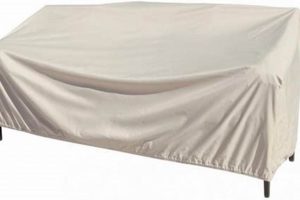
Tip 4: Protection from Elements: Even with weather-resistant materials, prolonged exposure to harsh sunlight, heavy rain, or snow can accelerate wear. Employ furniture covers during periods of non-use or inclement weather to mitigate environmental impact.
Tip 5: Regular Cleaning: Establish a routine cleaning schedule. Use a mild soap solution and soft brush to remove dirt, debris, and mildew. Avoid harsh chemicals or abrasive cleaners that may damage the synthetic wicker or frame finish. Rinse thoroughly with clean water.
Tip 6: Strategic Placement: Position furniture away from direct sources of heat, such as fire pits or grills, to prevent warping or melting of the synthetic wicker. Consider the prevailing wind direction when placing cushions to minimize exposure to blowing debris.
Tip 7: Storage Considerations: During extended periods of disuse, such as winter months, store furniture indoors or in a covered, well-ventilated area. This will protect it from extreme temperature fluctuations and moisture accumulation.
Implementing these proactive measures will significantly extend the useful life of this outdoor furnishing, preserving its visual appeal and functionality for years to come.
The concluding section will summarize the key attributes of this durable outdoor furnishing option and reinforce the importance of informed purchasing decisions.
1. Material Durability

Material durability constitutes a fundamental consideration in the selection and performance of outdoor furnishings. In the context of synthetic wicker outdoor furniture, this factor dictates the product’s resistance to environmental degradation and its ability to withstand prolonged use.
- UV Radiation Resistance
Prolonged exposure to ultraviolet (UV) radiation can cause significant damage to synthetic materials, leading to fading, cracking, and eventual structural failure. High-quality resin formulations incorporate UV inhibitors that mitigate these effects, thereby extending the furniture’s lifespan and preserving its aesthetic appeal. Examples include polyethylene resins containing UV stabilizers, which provide enhanced protection compared to less advanced PVC alternatives. The implications for outdoor use are considerable, as furniture lacking adequate UV protection will require more frequent replacement.
- Moisture and Water Resistance
Outdoor furniture is inherently susceptible to moisture exposure, whether from rainfall, humidity, or condensation. Durable materials exhibit minimal water absorption, preventing the growth of mold, mildew, and other forms of biological degradation. Synthetic wickers made from hydrophobic polymers, such as high-density polyethylene (HDPE), effectively repel water and resist its detrimental effects. This characteristic is crucial in preventing structural weakening and maintaining the furniture’s hygienic condition.
- Temperature Fluctuation Stability
Outdoor environments are characterized by significant temperature variations, which can induce expansion and contraction in materials, potentially leading to warping, cracking, or joint failure. Materials with high thermal stability are less susceptible to these changes. The ability to withstand extreme temperatures without compromising structural integrity is a key indicator of long-term durability. Polypropylene-based resins, for example, offer a balance of strength and flexibility, allowing them to adapt to temperature fluctuations without significant deformation.
- Resistance to Physical Stress
Outdoor furniture is subject to a range of physical stresses, including impacts, abrasion, and heavy loads. Durable materials possess sufficient strength and resilience to withstand these stresses without fracturing or deforming. High-density polyethylene (HDPE) is frequently employed due to its impact resistance and ability to support substantial weight. Reinforcements, such as internal metal frames, further enhance the furniture’s load-bearing capacity and overall structural integrity.
These interrelated aspects of material durability directly influence the longevity and performance of synthetic outdoor wicker furnishings. Careful evaluation of these characteristics is essential for ensuring a long-lasting and aesthetically pleasing outdoor living space.
2. Frame Construction
The structural framework underpinning outdoor wicker furniture is paramount in determining its overall durability, stability, and resistance to environmental stressors. Selection of appropriate frame materials and construction methods directly impacts the furniture’s longevity and suitability for outdoor use.
- Aluminum Frames
Aluminum frames are prevalent in high-quality outdoor wicker furniture due to their inherent corrosion resistance and lightweight properties. Powder coating further enhances their protection against oxidation and weathering. The use of aluminum allows for the creation of complex frame designs while minimizing overall weight, facilitating ease of movement and arrangement. Welding techniques employed in aluminum frame construction must be robust to ensure structural integrity under prolonged use.
- Steel Frames
Steel frames offer substantial strength and load-bearing capacity, making them suitable for larger or more heavily used furniture pieces. However, steel is susceptible to corrosion, necessitating protective coatings such as galvanization or powder coating to mitigate rust formation. The gauge of the steel used directly correlates with the frame’s ability to withstand weight and stress. Careful attention to joint construction and welding is critical in preventing structural failure in steel-framed outdoor furniture.
- Joint Integrity
The points at which frame components connect are critical areas of potential weakness. Welding, bolting, and riveting are common methods for joining frame elements. Welded joints, when properly executed, offer superior strength and rigidity compared to mechanical fasteners. However, the quality of the weld is paramount; incomplete or improperly applied welds can compromise the frame’s structural integrity. Mechanical fasteners must be corrosion-resistant and adequately tightened to maintain joint stability over time.
- Frame Geometry and Support
The overall shape and design of the frame significantly influence its load-bearing capacity and stability. Bracing and cross-members strategically positioned within the frame distribute weight and prevent warping or sagging. The geometry of the frame should be optimized to withstand anticipated loads and stresses. Consideration must be given to the furniture’s intended use and the potential for uneven weight distribution.
In summary, the selection of frame materials, construction techniques, and design considerations are crucial in ensuring the durability and longevity of outdoor wicker furniture. A robust and well-engineered frame provides the foundation for a long-lasting and aesthetically pleasing outdoor living space. Failure to address these aspects can result in premature failure and diminished enjoyment of the furniture.
3. Weather Resistance
Weather resistance is a defining characteristic of outdoor wicker furniture, directly impacting its longevity, aesthetic appeal, and overall value. Furniture designed for exterior use must withstand a range of environmental stressors to provide lasting utility. This section explores key facets of weather resistance in the context of synthetic wicker furnishings.
- UV Radiation Protection
Ultraviolet (UV) radiation from sunlight degrades many materials over time, causing fading, cracking, and embrittlement. Weather-resistant synthetic wicker incorporates UV inhibitors, typically added during the manufacturing process, to mitigate these effects. These inhibitors absorb or reflect UV radiation, preventing it from damaging the polymer structure of the wicker. The effectiveness of UV protection is often measured by the material’s ability to retain its color and tensile strength after prolonged exposure to simulated sunlight in laboratory tests. The absence of adequate UV protection results in premature degradation, requiring frequent replacement of the furniture.
- Moisture and Humidity Resistance
Exposure to moisture, whether from rainfall, humidity, or condensation, can lead to water absorption, swelling, and the growth of mold or mildew in susceptible materials. Weather-resistant synthetic wicker is typically constructed from hydrophobic polymers, such as polyethylene or polypropylene, which repel water and resist its penetration. Closed-cell foam padding used in cushions further minimizes water absorption. The ability to shed water and dry quickly is crucial in preventing fungal growth and maintaining the furniture’s structural integrity and hygienic condition. Untreated materials can experience significant damage and require extensive cleaning or replacement.
- Temperature Fluctuation Tolerance
Outdoor furniture is subjected to wide temperature swings, which can cause expansion and contraction of materials, potentially leading to warping, cracking, or joint failure. Weather-resistant materials exhibit minimal thermal expansion and contraction, maintaining their dimensional stability across a range of temperatures. The ability to withstand extreme cold without becoming brittle or extreme heat without softening or deforming is essential for long-term performance. The coefficient of thermal expansion is a key material property that determines its susceptibility to temperature-induced stress.
- Resistance to Chemical Degradation
Outdoor furniture can be exposed to various chemicals, including pollutants, cleaning agents, and fertilizers. Weather-resistant materials are inert to many of these chemicals, preventing discoloration, etching, or structural damage. The chemical resistance of a material is determined by its molecular structure and the presence of protective coatings. For example, powder-coated metal frames provide a barrier against corrosion caused by acidic rainfall or salt spray. Understanding the potential chemical exposures in a given environment is important in selecting appropriate materials and finishes.
These interconnected aspects of weather resistance are critical determinants of the long-term performance and aesthetic appeal of outdoor wicker furniture. Selecting furnishings with superior weather resistance translates to reduced maintenance requirements, extended product lifespan, and sustained enjoyment of outdoor living spaces. Furthermore, responsible manufacturing practices and the use of recyclable materials contribute to the environmental sustainability of these products.
4. Design Versatility
Design versatility, in the context of synthetic wicker outdoor furnishings, stems from the inherent adaptability of the materials and manufacturing processes employed. The capacity to mold and shape synthetic resins allows for the creation of furniture pieces ranging from traditional to contemporary styles. This attribute is significant because it broadens the appeal and applicability of this furniture type across diverse outdoor settings. For instance, a classic, high-backed wicker chair with ornate detailing can complement a formal garden, while a modular sectional sofa with clean lines and neutral tones is suitable for modern patios and poolside areas. The availability of various colors, weaves, and textures further contributes to design flexibility, enabling seamless integration with existing architectural and landscaping elements.
The impact of design versatility extends to the functional aspects of the furniture. Modular designs, a common feature, allow for customization of seating arrangements to accommodate varying space constraints and social gatherings. Reconfigurable components enable users to create different seating configurations as needed. Furthermore, the lightweight nature of synthetic wicker, combined with durable framing materials, facilitates ease of movement and arrangement, enhancing the usability of outdoor spaces. Manufacturers leverage design versatility to offer coordinated collections encompassing seating, dining, and accent pieces, ensuring a cohesive aesthetic throughout the outdoor environment. This adaptability is a key driver of consumer demand and contributes to the widespread adoption of synthetic wicker furniture.
In summary, design versatility represents a crucial component of synthetic wicker outdoor furniture. It allows for aesthetic integration across diverse architectural styles and facilitates functional adaptability to meet varying user needs. The inherent properties of synthetic materials, combined with innovative manufacturing techniques, empower designers to create a wide range of styles and configurations, broadening the appeal and practicality of this furniture type. While challenges remain in achieving perfect replication of natural wicker’s texture and warmth, the ongoing advancements in synthetic materials and manufacturing processes continue to expand the design possibilities and strengthen the position of synthetic wicker in the outdoor furniture market.
5. Maintenance Simplicity
Maintenance simplicity is a critical factor driving the adoption of synthetic wicker outdoor furniture. Unlike traditional materials, these furnishings require minimal upkeep, translating to reduced time and effort for owners. This characteristic is particularly appealing in residential and commercial settings where ease of care is prioritized.
- Cleaning Procedures
Routine cleaning of synthetic wicker typically involves a mild soap solution and water. This simple process removes dirt, dust, and debris that accumulate over time. The smooth, non-porous surface of the synthetic material prevents the absorption of spills and stains, facilitating easy removal. Traditional wicker, by contrast, often requires specialized cleaning agents and techniques to prevent damage or discoloration.
- Resistance to Environmental Damage
Synthetic wicker is engineered to resist moisture, UV radiation, and temperature fluctuations, which can degrade natural materials. This inherent resistance minimizes the need for protective treatments or seasonal storage. Traditional wicker, without proper care, is susceptible to cracking, fading, and mold growth, necessitating regular maintenance and protection from the elements.
- Durability of Materials
The durability of synthetic materials used in outdoor wicker furniture contributes to its maintenance simplicity. These materials are resistant to abrasion, impact, and chemical exposure, reducing the risk of damage that would require repair or replacement. Natural wicker, being more delicate, is prone to damage from everyday use and environmental factors, necessitating more frequent repairs and upkeep.
- Storage Requirements
Synthetic wicker furniture generally does not require specialized storage during off-seasons or periods of inclement weather. Its inherent resistance to moisture and temperature extremes allows it to remain outdoors without significant risk of damage. Traditional wicker, on the other hand, typically requires covered storage to prevent deterioration from exposure to the elements.
The aforementioned aspects of maintenance simplicity are pivotal in the context of synthetic wicker outdoor furniture. The reduced time and effort required for upkeep, coupled with the furniture’s inherent durability, make it an attractive choice for individuals and businesses seeking low-maintenance outdoor furnishing solutions. While natural materials may offer aesthetic qualities, the practical benefits of maintenance simplicity often outweigh these considerations, driving the continued adoption of synthetic wicker in various outdoor settings.
Frequently Asked Questions
The following questions and answers address common inquiries and misconceptions regarding all weather wicker garden furniture. This information is provided to clarify the features, benefits, and appropriate use of this type of outdoor furnishing.
Question 1: What constitutes “all weather” resistance in wicker garden furniture?
The term “all weather” typically refers to the synthetic materials used in the wicker construction, designed to withstand prolonged exposure to sunlight, rain, and temperature fluctuations without significant degradation. These materials are often UV-resistant, moisture-resistant, and temperature-stable.
Question 2: How does all weather wicker differ from traditional wicker?
Traditional wicker is made from natural plant fibers, which are susceptible to moisture damage, insect infestation, and fading. All weather wicker utilizes synthetic resins, such as polyethylene or polypropylene, offering greater durability and resistance to the elements compared to natural fibers.
Question 3: What is the expected lifespan of all weather wicker garden furniture?
The lifespan of all weather wicker garden furniture varies depending on the quality of materials, construction methods, and level of maintenance. High-quality sets, properly maintained, can last for 10 years or more. However, factors such as extreme weather conditions and neglect can shorten the lifespan.
Question 4: Is all weather wicker truly maintenance-free?
While all weather wicker requires less maintenance than traditional materials, it is not entirely maintenance-free. Periodic cleaning with mild soap and water is recommended to remove dirt, debris, and mildew. Protective covers can also extend the furniture’s lifespan.
Question 5: Can all weather wicker furniture be left outdoors year-round in all climates?
While designed for outdoor use, it is generally advisable to store all weather wicker furniture indoors or under a protective cover during periods of extreme weather, such as heavy snow or prolonged freezing temperatures. This practice can help prevent potential damage and extend the furniture’s lifespan.
Question 6: How can the quality of all weather wicker garden furniture be assessed prior to purchase?
The quality can be assessed by examining the material composition, frame construction, weave density, and warranty offered by the manufacturer. Higher-quality sets typically utilize thicker resins, robust frames, and tighter weaves. Reviewing customer testimonials and professional reviews can provide additional insights.
In summary, all weather wicker garden furniture provides a durable and low-maintenance option for outdoor spaces. However, informed purchasing decisions and appropriate maintenance practices are essential to maximize its lifespan and enjoyment.
The following sections will address specific styles and design considerations for all weather wicker garden furniture, offering guidance for creating aesthetically pleasing and functional outdoor living areas.
Conclusion
This exposition has elucidated the characteristics, benefits, and maintenance considerations pertinent to all weather wicker garden furniture. The analysis underscores its resilience to environmental stressors, the versatility of its design applications, and the relative simplicity of its upkeep. The selection of appropriate materials and construction techniques directly influences its longevity and overall performance, rendering informed purchasing decisions essential.
The enduring appeal of all weather wicker garden furniture lies in its capacity to provide durable and aesthetically pleasing outdoor furnishings, thus enhancing the functionality and enjoyment of exterior spaces. Continued innovation in material science and manufacturing processes will likely further refine its capabilities and broaden its applications, solidifying its position as a viable option for discerning consumers.

![Protect & Extend: Garden Furniture Feet Protectors [Buy Now] | The Ultimate Gardening Guide: Grow a Thriving Garden Year-Round](https://MyGardenPatch.com/wp-content/uploads/2025/07/th-3169-300x200.jpg "Protect & Extend: Garden Furniture Feet Protectors [Buy Now] The Ultimate Gardening Guide: Grow a Thriving Garden Year-Round")