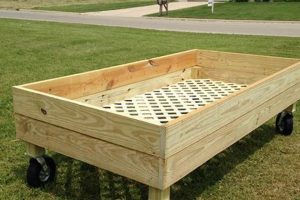
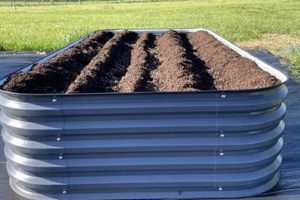
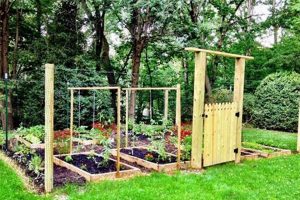
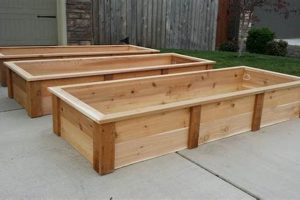
A square gardening structure with dimensions of four feet by four feet, elevated above ground level, provides a contained area for planting. This construction method offers a defined space for cultivating various plants, separating them from the surrounding native soil. As an example, herbs, vegetables, or flowers can be grown within this designated area.
The advantages of this structure include improved soil control, enhanced drainage, and reduced back strain due to the raised height. Historically, such structures have been utilized to optimize growing conditions in areas with poor soil quality or limited space. The contained environment minimizes weed intrusion and provides a barrier against certain soil-borne pests.
The subsequent sections will delve into the construction process, optimal plant selection, soil composition considerations, and ongoing maintenance techniques relevant to maximizing the productivity of this type of gardening setup.
Cultivation Techniques for a 4×4 Raised Garden
The following recommendations are designed to optimize plant growth and overall yield within the defined space of a standard elevated garden bed.
Tip 1: Soil Composition. Employ a mixture of equal parts topsoil, compost, and peat moss or coconut coir. This blend provides adequate drainage, nutrient retention, and aeration essential for healthy root development.
Tip 2: Plant Spacing. Adhere to recommended spacing guidelines for chosen plant varieties to prevent overcrowding. Overcrowding reduces airflow, leading to increased susceptibility to fungal diseases and reduced fruit or vegetable production.
Tip 3: Vertical Gardening. Incorporate vertical gardening techniques, such as trellises or cages, to maximize space utilization. Vining plants like tomatoes, cucumbers, or beans benefit from vertical support, improving air circulation and ease of harvest.
Tip 4: Crop Rotation. Practice crop rotation annually to prevent soil depletion and reduce the risk of pest infestations. Rotate plant families to disrupt pest cycles and improve nutrient balance in the soil.
Tip 5: Watering Practices. Water deeply and infrequently, allowing the soil to dry slightly between waterings. This encourages deep root growth and minimizes the risk of root rot. Consider a soaker hose or drip irrigation system for efficient water delivery.
Tip 6: Pest Management. Implement integrated pest management (IPM) strategies to control pests without relying solely on chemical pesticides. Encourage beneficial insects, such as ladybugs and lacewings, and hand-pick pests when possible.
Tip 7: Mulching. Apply a layer of organic mulch, such as straw or wood chips, to retain soil moisture, suppress weed growth, and regulate soil temperature. Mulch also decomposes over time, adding nutrients to the soil.
Optimizing the limited space through careful planning, appropriate soil selection, and diligent maintenance contributes to a flourishing and productive garden, demonstrating the potential of compact cultivation methods.
The subsequent section will provide a step-by-step guide to constructing a durable and aesthetically pleasing structure, ensuring longevity and maximizing the benefits of this gardening approach.
1. Dimensions

The dimensions of a 4×4 raised garden are fundamental, directly influencing its capacity, layout, and suitability for various plants and gardening practices. Precise dimensions are essential for planning and optimizing the growing environment within the structure.
- Surface Area and Planting Capacity
The 4-foot by 4-foot dimensions establish a defined surface area of 16 square feet. This fixed area dictates the number and arrangement of plants that can be accommodated. Gardeners must consider the mature size of plants to avoid overcrowding, which can lead to reduced yields and increased disease susceptibility. Careful planning ensures each plant receives adequate sunlight, nutrients, and airflow.
- Depth and Soil Volume
While the length and width are fixed, the depth of the structure is a variable dimension impacting soil volume. A deeper bed allows for more extensive root systems, benefiting larger plants like tomatoes or peppers. Conversely, shallower beds are suitable for plants with less extensive root systems, such as lettuce or herbs. Adequate depth is critical for water retention and nutrient availability, directly affecting plant health and productivity.
- Accessibility and Ergonomics
The 4-foot width is generally considered manageable, allowing gardeners to reach the center of the bed from all sides for planting, weeding, and harvesting. However, the height of the structure, another crucial dimension, affects accessibility and ergonomics. A raised bed of an appropriate height minimizes bending and strain, making gardening more comfortable, particularly for individuals with mobility limitations. The height must be balanced with stability to prevent tipping or collapse.
- Material Selection and Construction
The dimensions of the structure directly influence the selection of materials and the construction methods employed. The 4-foot length of each side dictates the length of lumber required, affecting cost and availability. The chosen materials must be durable and weather-resistant to withstand the weight of the soil and the elements. Precise measurements and accurate construction are essential for structural integrity and longevity of the structure.
In conclusion, the seemingly simple dimensions of a 4×4 raised garden have profound implications for its functionality and success. Careful consideration of surface area, depth, accessibility, and material selection ensures a well-designed and productive gardening space. Deviations from these dimensions can impact plant growth, accessibility, and the overall lifespan of the structure.
2. Soil Composition

Soil composition is a critical determinant of success within a 4×4 raised garden. Confined within the structure, plants are entirely reliant on the provided medium for nutrients, water retention, and structural support. Consequently, selecting and maintaining an appropriate soil mix is paramount.
- Nutrient Availability
A well-balanced soil composition ensures adequate provision of essential macronutrients (nitrogen, phosphorus, potassium) and micronutrients (iron, manganese, zinc). For instance, a blend incorporating compost introduces organic matter, fostering slow-release nutrient availability. Conversely, nutrient-deficient soil leads to stunted growth and reduced yields, necessitating amendment strategies specific to the confined environment.
- Water Retention and Drainage
Effective soil composition balances water retention and drainage to prevent waterlogging or excessive drying. Components like peat moss or coconut coir enhance water retention, while perlite or coarse sand promote drainage. Inadequate drainage predisposes plants to root rot, a common issue in raised beds. Conversely, rapid drainage necessitates more frequent irrigation, potentially leaching nutrients.
- Soil Structure and Aeration
Soil structure influences root penetration and aeration. A loamy texture, characterized by a balanced ratio of sand, silt, and clay, promotes optimal root development. Compacted soil restricts root growth and limits oxygen availability. Amendment with organic matter, such as compost or aged manure, improves soil structure, facilitating aeration and drainage within the confined space.
- pH Level
Soil pH affects nutrient availability; most plants thrive in a slightly acidic to neutral range (pH 6.0-7.0). Deviations from this range can hinder nutrient uptake, even if nutrients are present. For instance, alkaline soil can render iron unavailable, leading to chlorosis (yellowing leaves). Soil testing and pH adjustment are crucial for optimizing nutrient absorption within the 4×4 raised garden.
The interplay of these factors demonstrates that a tailored soil composition is indispensable for maximizing the productivity and health of plants within a 4×4 raised garden. Regular monitoring and amendment of the soil are essential to address nutrient deficiencies, drainage issues, and pH imbalances, ensuring a thriving and sustainable gardening environment.
3. Drainage capacity

Drainage capacity is a critical factor within a 4×4 raised garden environment due to the contained nature of the structure. The raised bed, by definition, limits the natural drainage processes that would occur in open ground. Consequently, inadequate drainage leads to waterlogged soil, creating anaerobic conditions detrimental to root health. Conversely, excessive drainage results in nutrient leaching and requires more frequent irrigation. The soil composition, depth, and construction materials all interact to influence the drainage dynamics within the confined space. For example, using a heavy clay soil in a bed without proper drainage holes can lead to root rot, while a sandy soil mix in a shallow bed may dry out too quickly, stressing plants. The appropriate selection and management of these elements directly impact the garden’s overall productivity and sustainability.
Practical application of drainage principles involves several key considerations. First, the inclusion of drainage holes at the base of the structure is essential to allow excess water to escape. The size and spacing of these holes depend on the soil type and the local climate; areas with high rainfall necessitate more extensive drainage. Second, incorporating a layer of gravel or other coarse material at the bottom of the bed can enhance drainage and prevent soil from clogging the drainage holes. Third, the soil composition should be carefully chosen to balance water retention and drainage, often through a mixture of organic matter, sand, and loam. Finally, monitoring the soil moisture levels is crucial to ensure that the bed is neither too wet nor too dry. Adjustments to watering practices and soil amendments may be necessary to maintain optimal drainage conditions.
In summary, drainage capacity is a pivotal aspect of 4×4 raised garden management, directly influencing plant health and yield. Addressing drainage challenges requires a holistic approach that considers soil composition, structural design, and environmental factors. Understanding the interplay of these elements allows gardeners to create a thriving and sustainable growing environment within the confined space of the raised bed. Failure to adequately manage drainage can lead to significant plant losses and reduced productivity, highlighting the practical significance of this understanding.
4. Material Durability

Material durability is a fundamental consideration in the construction and longevity of a 4×4 raised garden. The selected materials directly influence the structure’s ability to withstand environmental stressors and maintain its integrity over extended periods, impacting both its aesthetic appeal and functionality.
- Resistance to Environmental Degradation
The choice of material determines the structure’s resilience to moisture, temperature fluctuations, and ultraviolet (UV) radiation. Untreated wood, for example, is susceptible to rot and decay, particularly in contact with soil. Conversely, materials such as cedar or redwood possess natural oils that enhance their resistance to degradation. Using pressure-treated lumber can also extend lifespan. However, concerns about chemical leaching into the soil should be addressed.
- Structural Integrity and Load-Bearing Capacity
The material must possess sufficient strength to support the weight of the soil, water, and plants contained within the 4×4 raised garden. Thinner materials may buckle or warp under pressure, compromising the structural integrity of the bed. Utilizing thicker lumber or reinforced materials, such as concrete blocks or metal framing, can enhance the load-bearing capacity and prevent deformation over time.
- Pest and Insect Resistance
Certain materials are more susceptible to damage from pests and insects, such as termites or carpenter ants. Wood-based structures, if not properly treated, can become attractive nesting sites. Alternatives like composite lumber or metal offer increased resistance to pest infestation, minimizing the risk of structural damage and extending the lifespan of the raised garden.
- Maintenance Requirements and Long-Term Costs
The durability of the chosen material directly impacts the level of maintenance required and the associated long-term costs. Materials prone to decay or damage necessitate frequent repairs or replacements, increasing the overall expense of the raised garden. Investing in more durable materials upfront can reduce maintenance requirements and extend the lifespan of the structure, resulting in cost savings over time.
In summary, the selection of durable materials is crucial for ensuring the long-term functionality and cost-effectiveness of a 4×4 raised garden. Careful consideration of environmental factors, structural requirements, pest resistance, and maintenance needs is essential for creating a sustainable and productive gardening environment.
5. Pest Resistance

The inherent isolation of a 4×4 raised garden from native soil offers a degree of pest control not readily available in traditional in-ground gardening. This segregation reduces the potential for soil-borne pests, such as nematodes and certain fungal pathogens, to access and damage cultivated plants. Constructing the bed with pest-resistant materials, such as cedar or treated lumber, further mitigates the risk of infestation by wood-boring insects. The raised nature of the bed also presents a physical barrier against crawling pests like slugs and snails, reducing their access to vulnerable foliage. However, aerial pests, such as aphids and cabbage moths, remain a threat and require alternative control measures.
Despite the inherent advantages, a contained environment also poses unique pest management challenges. The concentration of plants within a limited area can create favorable conditions for rapid pest proliferation should an infestation occur. For instance, a small aphid colony can quickly spread throughout the entire 4×4 space, causing significant damage. Furthermore, the use of specific soil mixes, while beneficial for plant growth, may inadvertently introduce pests or create an environment conducive to their survival. Therefore, proactive pest monitoring and preventative strategies are crucial. Examples include the introduction of beneficial insects, the use of row covers, and the application of organic pesticides. Consistent observation allows for early detection and targeted intervention, minimizing the need for broad-spectrum treatments.
In summary, while the 4×4 raised garden provides an initial advantage in pest management by isolating plants from native soil, vigilant monitoring and preventative measures are essential to maintain a healthy and productive garden. Understanding the potential pest threats specific to this controlled environment and implementing appropriate strategies are critical components of successful cultivation.
6. Plant Selection

Plant selection, in the context of a 4×4 raised garden, constitutes a critical factor influencing the overall success and yield of the cultivated space. The limited dimensions necessitate a strategic approach to maximize productivity and ensure plant health.
- Space Optimization
The 16-square-foot area mandates the selection of plants with compact growth habits. Varieties that tend to sprawl excessively are generally unsuitable. For example, bush bean varieties are preferable to pole beans, and determinate tomato varieties are more manageable than indeterminate ones. Careful consideration of mature plant size is crucial to prevent overcrowding, which can reduce air circulation and increase disease susceptibility.
- Sunlight Requirements
Plants should be selected based on the amount of sunlight the location receives. If the raised garden is situated in a partially shaded area, shade-tolerant crops like lettuce, spinach, and kale are more appropriate. Full-sun locations are better suited for plants such as tomatoes, peppers, and herbs. Mixing plants with varying sunlight needs can lead to competition for resources and reduced growth rates for less-suited species.
- Companion Planting
Implementing companion planting principles within the 4×4 space can enhance plant health and deter pests. For instance, planting basil alongside tomatoes can repel certain insects and improve tomato flavor. Marigolds are often used as companion plants to deter nematodes and other soil pests. Strategic pairing of plants can create a symbiotic relationship, maximizing the benefits within the limited area.
- Succession Planting
To maximize yield throughout the growing season, succession planting should be considered. This involves planting crops with varying maturity times or planting multiple crops in succession. For example, early spring crops like radishes and spinach can be followed by summer crops like beans or cucumbers. This approach allows for continuous harvesting and efficient utilization of the available space.
These considerations illustrate the importance of aligning plant selection with the specific constraints and opportunities presented by a 4×4 raised garden. Successful cultivation relies on careful planning, a thorough understanding of plant characteristics, and strategic utilization of the available space to create a productive and sustainable gardening environment.
7. Watering efficiency

Watering efficiency is a crucial aspect of managing a 4×4 raised garden due to the limited soil volume and the controlled environment. Maximizing water utilization not only conserves resources but also directly impacts plant health, yield, and overall sustainability of the garden.
- Water Delivery Methods
Efficient water delivery methods are essential to minimize water loss through evaporation and runoff. Drip irrigation, for example, delivers water directly to the root zone, reducing surface evaporation and ensuring that plants receive the necessary moisture. Soaker hoses offer a similar benefit by slowly releasing water along the length of the hose. In contrast, overhead watering methods, such as sprinklers, tend to lose a significant portion of water to evaporation and can contribute to the spread of fungal diseases by wetting foliage.
- Soil Moisture Monitoring
Regular monitoring of soil moisture levels is vital for optimizing watering practices. Overwatering can lead to root rot and nutrient leaching, while underwatering can stress plants and reduce growth. Soil moisture meters provide an objective assessment of soil moisture, allowing gardeners to make informed decisions about when and how much to water. Manual methods, such as the “squeeze test,” can also provide a general indication of soil moisture content.
- Mulch Application
The application of mulch around plants helps to retain soil moisture by reducing evaporation from the soil surface. Organic mulches, such as straw, wood chips, or shredded leaves, also decompose over time, adding nutrients to the soil and improving its water-holding capacity. Inorganic mulches, such as plastic sheeting, can also be used to retain moisture but do not provide the same soil-enriching benefits.
- Plant Grouping and Water Needs
Grouping plants with similar water requirements can improve watering efficiency. Placing drought-tolerant plants together and grouping plants with higher water needs in another area allows for targeted watering, ensuring that each plant receives the appropriate amount of moisture without overwatering or underwatering others. This practice is particularly important in the confined space of a 4×4 raised garden, where resource competition can be more pronounced.
Implementing efficient watering practices within a 4×4 raised garden promotes plant health, conserves water, and enhances the overall sustainability of the gardening endeavor. By carefully considering water delivery methods, monitoring soil moisture, applying mulch, and grouping plants based on water needs, gardeners can maximize the benefits of this controlled environment and achieve optimal results.
Frequently Asked Questions
The following addresses common inquiries regarding the utilization, construction, and maintenance of a 4×4 raised garden.
Question 1: What is the optimal soil depth for a 4×4 raised garden?
A depth of at least 12 inches is recommended for most vegetables and herbs. This depth allows for adequate root development and water retention. Shallower depths may be suitable for certain shallow-rooted crops like lettuce or spinach.
Question 2: Which materials are most suitable for constructing the frame of a 4×4 raised garden?
Cedar, redwood, and pressure-treated lumber are commonly used due to their resistance to rot and decay. Untreated lumber can be used but will have a shorter lifespan. Metal frames offer durability and pest resistance, while composite materials provide a low-maintenance alternative.
Question 3: How many plants can be effectively grown in a 4×4 raised garden?
The number of plants depends on the species and their mature size. Careful consideration of plant spacing is crucial to prevent overcrowding. Using square foot gardening principles can assist in determining appropriate plant densities.
Question 4: What are the key benefits of using a 4×4 raised garden compared to traditional in-ground gardening?
Benefits include improved soil control, enhanced drainage, reduced weed pressure, minimized soil compaction, and increased accessibility for individuals with mobility limitations. It also allows gardening in areas with poor native soil.
Question 5: How frequently should a 4×4 raised garden be watered?
Watering frequency depends on the climate, soil type, and plant species. Regular monitoring of soil moisture levels is essential. A general guideline is to water deeply when the top inch of soil feels dry to the touch.
Question 6: What are some common pest control strategies for a 4×4 raised garden?
Strategies include hand-picking pests, using row covers, introducing beneficial insects, applying organic pesticides, and maintaining good sanitation practices. Regular inspection of plants is crucial for early detection and intervention.
These FAQs provide a foundational understanding of key considerations for establishing and maintaining a productive 4×4 raised garden. Careful planning and diligent management are essential for optimizing results.
The subsequent section will explore advanced techniques for enhancing productivity and addressing specific challenges associated with raised garden cultivation.
Conclusion
This exploration has detailed the various facets of the 4×4 raised garden, from initial construction considerations to ongoing maintenance practices. Key elements, including soil composition, drainage capacity, material durability, pest resistance, plant selection, and watering efficiency, directly influence the success and sustainability of this gardening method. Understanding these factors enables a cultivator to maximize yield and mitigate potential challenges within a confined space.
The 4×4 raised garden represents a valuable tool for efficient and controlled cultivation, particularly in environments with limited space or poor soil quality. Continued adherence to established best practices, coupled with ongoing experimentation and adaptation, remains essential for optimizing productivity and ensuring the long-term viability of this approach to gardening.