Outdoor furnishings from the nineteen sixties reflect a period of significant social and design evolution. Characterized by bold colors, innovative materials like molded plastic and tubular steel, and a distinct emphasis on leisure and casual living, these pieces represent a departure from the more formal styles of previous decades. A typical example might include a brightly colored plastic chair with a geometric pattern or a wrought iron table paired with vinyl-covered seating.
The popularity of these items stemmed from several factors. Post-war prosperity allowed for increased spending on leisure activities and home improvements. New manufacturing techniques made durable and affordable materials readily available, leading to mass production and wider accessibility. These design choices mirrored a cultural shift towards informality and a focus on enjoying outdoor spaces as extensions of the home. The historical context is vital for appreciating the functionality and aesthetic values of the product.
Subsequent sections will delve deeper into specific design trends, common materials, notable manufacturers, and the lasting impact of this era on contemporary outdoor design.
Tips for Appreciating and Maintaining 1960s Garden Furniture
Acquiring and preserving outdoor furnishings from the 1960s requires careful consideration. The following tips offer guidance on identification, restoration, and long-term care.
Tip 1: Identify Authentic Pieces: Look for hallmarks of the era, such as molded plastic construction, vibrant color palettes (e.g., avocado green, orange, yellow), and geometric patterns. Original manufacturer markings or labels can further authenticate a piece.
Tip 2: Assess Structural Integrity: Carefully examine the furniture for signs of rust, cracking, or structural weakness, particularly in metal frames and plastic components. Address any issues promptly to prevent further degradation.
Tip 3: Clean with Appropriate Products: Avoid abrasive cleaners that can damage vintage finishes. Use mild soap and water, or specialized cleaning products designed for plastic, metal, or wood, depending on the material.
Tip 4: Repair Vinyl and Upholstery: Tears or cracks in vinyl cushions or upholstery should be repaired by a professional upholsterer to maintain the original aesthetic and prevent further damage. Seek out vintage-appropriate replacement fabrics if necessary.
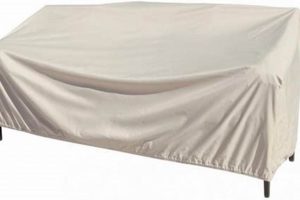
Tip 5: Protect from the Elements: Prolonged exposure to sunlight, rain, and extreme temperatures can cause fading, cracking, and rust. Use furniture covers or store the furniture indoors during inclement weather.
Tip 6: Consider Professional Restoration: For valuable or heavily damaged pieces, consult with a professional furniture restorer specializing in vintage items. This ensures proper repairs and preservation of the original design.
Tip 7: Research Original Designs: Before undertaking any restoration work, research the original design of the furniture. This will guide the restoration process and ensure that repairs are historically accurate.
Adhering to these guidelines helps ensure the longevity and aesthetic appeal of these iconic pieces. Properly maintained furnishings from the era can provide years of enjoyment and serve as a tangible connection to a significant period in design history.
The subsequent discussion will explore specific examples of collectible pieces and their current market value.
1. Bold Color Palettes

The prevalence of bold color palettes is a defining characteristic of outdoor furnishings from the 1960s. This design choice reflected a broader cultural shift towards optimism, informality, and a rejection of the more subdued tones of previous decades. These vibrant hues were not merely aesthetic choices; they were integral to the overall design philosophy of the era.
- Psychological Impact of Color
The selection of colors such as orange, yellow, and avocado green was intended to evoke feelings of energy, happiness, and connection with nature. These hues were thought to stimulate social interaction and create a welcoming atmosphere in outdoor spaces. For example, bright orange chairs around a poolside were meant to create a lively and cheerful ambiance. The utilization of these colors suggests a considered approach to influencing mood and behavior through design.
- Technological Advancements in Dye Production
The development of new synthetic dyes during this period enabled manufacturers to produce plastics and fabrics in a wider range of colors than ever before. This technological capability directly influenced design trends, making vibrant and durable materials readily available. A notable example is the widespread use of brightly colored, molded plastic chairs, which were both affordable and visually striking. These advancements facilitated the creation of the era’s signature aesthetic.
- Influence of Pop Art and Psychedelic Culture
The Pop Art movement, with its emphasis on bold colors and mass-produced imagery, had a significant impact on design trends in the 1960s. Similarly, the psychedelic culture, characterized by vibrant colors and swirling patterns, influenced the selection of hues for outdoor furnishings. A practical manifestation of this cultural convergence can be seen in furniture designs that featured bold, geometric patterns in contrasting colors. This created a direct link between artistic expression and everyday objects.
- Contrast with Previous Decades
The use of bold palettes represented a stark departure from the more muted and pastel colors that were common in outdoor furniture during the 1950s. This shift reflected a desire to break away from traditional aesthetics and embrace a more modern and forward-looking design sensibility. For instance, where wrought iron furniture of the 50s was often painted white or pastel green, 1960s pieces might be bright yellow or electric blue. This contrast highlights the defining difference in style between the two decades.
In conclusion, the incorporation of bold color palettes into outdoor furniture of the 1960s was not simply a matter of taste. It was a deliberate design choice that reflected cultural shifts, technological advancements, and a desire to create vibrant and engaging outdoor spaces. These color choices remain a key identifier of this period’s design aesthetic.
2. Molded Plastic Materials

The utilization of molded plastic represents a pivotal development in the history of nineteen-sixties outdoor furnishings. This manufacturing technique enabled the mass production of durable, weather-resistant, and aesthetically diverse designs, fundamentally altering the landscape of garden furniture.
- Cost-Effectiveness and Mass Production
Molded plastic offered a significantly more cost-effective alternative to traditional materials such as wood or metal, enabling manufacturers to produce furniture on a large scale. This affordability contributed to the democratization of design, making stylish outdoor furnishings accessible to a wider range of consumers. An illustrative example is the mass production of plastic chairs, which became ubiquitous in suburban gardens and patios. This affordability facilitated the wider adoption of this style.
- Design Flexibility and Innovation
The molding process allowed for the creation of complex and organic shapes that were difficult or impossible to achieve with other materials. This design flexibility fostered innovation and experimentation, leading to the development of iconic furniture pieces with distinctive silhouettes and sculptural forms. For instance, the “Ball Chair,” although more commonly seen indoors, exemplifies the design possibilities unlocked by molded plastic and its potential for use in outdoor variations.
- Durability and Weather Resistance
Plastic materials, particularly polypropylene and polyethylene, exhibited superior resistance to moisture, UV radiation, and temperature fluctuations compared to traditional materials. This durability extended the lifespan of outdoor furniture and reduced the need for frequent maintenance, making it an attractive option for consumers. A common example is the stacking chair, often found in outdoor cafes and residential settings, which could withstand exposure to the elements for extended periods with minimal degradation.
- Color Versatility and Aesthetic Impact
Molded plastic offered a wide range of color possibilities, allowing manufacturers to incorporate vibrant and eye-catching hues into their designs. This color versatility contributed to the overall aesthetic impact of nineteen-sixties outdoor furniture, aligning with the era’s emphasis on boldness and visual appeal. An example includes outdoor tables and chairs produced in bright primary colors, which contributed to the cheerful and optimistic atmosphere associated with this design era.
The adoption of molded plastic materials in the manufacture of outdoor furnishings during the nineteen-sixties had a transformative effect on the industry. Its cost-effectiveness, design flexibility, durability, and color versatility not only enabled mass production and wider accessibility but also fostered innovation and experimentation, shaping the distinctive aesthetic of the period. The legacy of molded plastic continues to influence contemporary outdoor furniture design, highlighting its enduring impact.
3. Space Age Design Influence

The “Space Age design influence” on nineteen-sixties outdoor furnishings is demonstrably significant, representing a period where advancements in space exploration directly impacted consumer aesthetics. The launch of Sputnik in 1957 and the subsequent space race fueled a cultural fascination with futuristic forms, materials, and concepts, which designers translated into functional, everyday objects. This infusion of futurism into furniture design was not merely superficial; it represented a broader cultural optimism and a desire to embrace the possibilities of technological progress.
One practical manifestation of this influence can be observed in the adoption of sleek, aerodynamic shapes in outdoor furniture. Designs incorporated curves, rounded edges, and streamlined silhouettes reminiscent of rockets and spacecraft. Materials like molded plastic, fiberglass, and tubular steel, which were associated with aerospace technology, became increasingly prevalent. The utilization of these materials allowed for the creation of lightweight, durable, and visually striking pieces that departed significantly from the more traditional, ornate styles of previous decades. For instance, the use of pod-like forms in chairs and tables reflected a conscious effort to emulate the aesthetics of space capsules and lunar landing modules. Furthermore, the incorporation of bright, reflective surfaces and unconventional color combinations contributed to the overall futuristic appeal.
In summary, the impact of Space Age design on outdoor furnishings in the nineteen-sixties was profound, shaping both the form and the materials employed. The result was a distinctive aesthetic that symbolized technological progress and cultural optimism. Understanding this influence allows for a deeper appreciation of the design choices made during this era and provides valuable insight into the cultural context that shaped consumer preferences and design trends. The legacy of this period continues to inform contemporary design, demonstrating the enduring power of cultural and technological influences on the evolution of furniture design.
4. Casual Living Emphasis
The “Casual Living Emphasis” of the 1960s profoundly influenced the design and functionality of garden furniture. This era marked a distinct shift from the more formal and structured lifestyles of previous decades, prioritizing comfort, relaxation, and informal social gatherings in outdoor spaces. This cultural change directly impacted the types of furniture produced and the ways in which outdoor spaces were utilized.
- Decline of Formal Outdoor Spaces
The emphasis on casual living led to a decline in the popularity of highly structured and formal outdoor spaces, such as meticulously manicured gardens with strictly ornamental furniture. Instead, the focus shifted towards creating more relaxed and inviting environments suitable for informal gatherings and leisure activities. This manifested in the design of furniture that prioritized comfort and ease of use over elaborate aesthetics.
- Adaptation of Furniture Styles
Furniture styles adapted to suit the casual living ethos. Heavy, ornate pieces were replaced by lightweight, easily movable furniture made from materials such as molded plastic and tubular steel. These materials facilitated designs that were both comfortable and practical for outdoor use. The focus shifted from imposing structures to adaptable and inviting seating arrangements.
- Integration of Leisure Activities
Outdoor furniture became increasingly integrated with leisure activities. Barbecue grills, picnic tables, and lounge chairs became essential components of the outdoor space, reflecting the growing popularity of outdoor cooking and relaxation. Furniture designs incorporated features that supported these activities, such as built-in drink holders and comfortable cushioning. This integration emphasized the use of outdoor spaces for social interaction and recreation.
- Increased Accessibility and Affordability
The casual living emphasis also contributed to increased accessibility and affordability of outdoor furniture. Mass production techniques, particularly the use of molded plastic, allowed manufacturers to produce furniture at lower costs, making it available to a wider range of consumers. This affordability democratized access to comfortable and functional outdoor spaces, further promoting the casual living lifestyle.
In summary, the “Casual Living Emphasis” of the 1960s had a transformative effect on the design and utilization of outdoor furniture. The shift towards comfort, informality, and affordability directly influenced the materials, styles, and functions of garden furniture during this period. This era’s emphasis on casual outdoor living continues to resonate in contemporary furniture designs and outdoor space planning, highlighting its enduring legacy.
5. Affordable Mass Production
Affordable mass production played a pivotal role in shaping the landscape of nineteen-sixties outdoor furnishings. The confluence of technological advancements, economic factors, and evolving consumer preferences facilitated the widespread availability of garden furniture, transforming outdoor spaces into accessible extensions of the home for a broad segment of the population.
- Technological Advancements in Material Manufacturing
The development and refinement of plastic molding techniques, coupled with advancements in metal fabrication, enabled the efficient production of durable and weather-resistant furniture components. These advancements significantly reduced manufacturing costs, allowing for the production of large quantities of furniture at affordable price points. Examples include the widespread use of injection-molded plastic chairs and stamped metal tables, which could be produced rapidly and inexpensively.
- Economies of Scale and Distribution Networks
Large-scale manufacturing operations benefited from economies of scale, further reducing per-unit production costs. Simultaneously, the expansion of retail distribution networks, including department stores and discount retailers, facilitated the widespread distribution of affordable garden furniture to consumers across the country. This combination of efficient production and expansive distribution ensured that these items were readily accessible to the average household.
- Standardization of Design and Components
Affordable mass production encouraged the standardization of design and components, streamlining the manufacturing process and reducing complexity. This standardization allowed for the production of furniture in large volumes, further driving down costs. A clear example is the modular design of many outdoor furniture sets, which utilized interchangeable components to create a variety of configurations, simplifying both production and consumer assembly.
- Influence of Consumer Culture and Marketing
The rise of consumer culture and the proliferation of marketing strategies played a significant role in driving demand for affordable garden furniture. Advertising campaigns emphasized the benefits of outdoor living and showcased the affordability and convenience of these items, further fueling consumer desire. The appeal of creating an inviting and stylish outdoor space became increasingly attainable for a broad range of consumers, due in large part to the affordability and accessibility of mass-produced furniture.
In conclusion, affordable mass production fundamentally altered the nature of nineteen-sixties garden furniture, making stylish and functional outdoor furnishings accessible to a wider consumer base. The combination of technological advancements, economic factors, and marketing strategies resulted in a significant transformation of outdoor spaces, reflecting the era’s emphasis on leisure, informality, and accessible design.
Frequently Asked Questions
This section addresses common inquiries regarding garden furniture from the 1960s, providing factual information to aid in understanding its characteristics, value, and preservation.
Question 1: What materials are most commonly found in authentic 1960s garden furniture?
Authentic pieces frequently incorporate molded plastic (polypropylene, polyethylene), tubular steel, wrought iron, and vinyl. These materials were chosen for their durability, affordability, and suitability for mass production.
Question 2: How can one identify a genuine piece of garden furniture from the 1960s?
Key identifiers include bold color palettes (avocado green, orange, yellow), geometric patterns, Space Age design influences (streamlined shapes), and the presence of manufacturer’s marks or labels. Construction materials and manufacturing techniques consistent with the era are also indicators.
Question 3: What factors influence the value of 1960s garden furniture?
Rarity, condition, design provenance (designer or manufacturer), and originality significantly impact value. Well-preserved pieces from renowned designers or manufacturers command higher prices.
Question 4: How should 1960s garden furniture be properly maintained to preserve its condition?
Regular cleaning with mild soap and water is essential. Abrasive cleaners should be avoided. Vinyl should be treated with appropriate protectants. Metal components should be inspected for rust and treated accordingly. Covering furniture during inclement weather or storing indoors during the off-season is recommended.
Question 5: Is it advisable to restore or repaint 1960s garden furniture?
Restoration or repainting may be considered if the furniture is structurally sound but aesthetically compromised. However, preserving the original finish is generally preferred, as it contributes to the piece’s historical value. Any restoration work should be undertaken with care to maintain the integrity of the original design.
Question 6: Where can authentic pieces of 1960s garden furniture be sourced?
Authentic pieces can be found at antique stores, vintage furniture dealers, online auction sites, and estate sales. Thorough research and careful inspection are essential to verify authenticity and assess condition.
This FAQ has provided essential information regarding the identification, valuation, and preservation of garden furniture from the 1960s.
The subsequent section will provide a conclusion, summarizing the significance of this design era.
Conclusion
The exploration of 1960s garden furniture reveals a distinctive period in design history. Characterized by bold colors, innovative use of molded plastics, and the influence of Space Age aesthetics, these furnishings reflected a broader cultural shift towards casual living and technological optimism. Mass production techniques made these designs accessible to a wide range of consumers, transforming outdoor spaces into extensions of the home.
The legacy of this era continues to resonate in contemporary design. Appreciation for the unique characteristics of 1960s garden furniture underscores the importance of understanding the historical and cultural context that shapes design trends. Continued research and preservation efforts are essential to ensure that these iconic pieces remain a tangible link to a pivotal period in design evolution.

![Protect & Extend: Garden Furniture Feet Protectors [Buy Now] | The Ultimate Gardening Guide: Grow a Thriving Garden Year-Round](https://MyGardenPatch.com/wp-content/uploads/2025/07/th-3169-300x200.jpg "Protect & Extend: Garden Furniture Feet Protectors [Buy Now] The Ultimate Gardening Guide: Grow a Thriving Garden Year-Round")