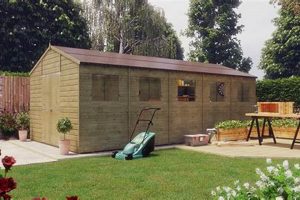
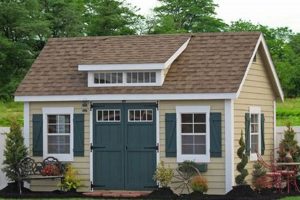
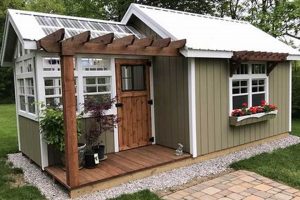
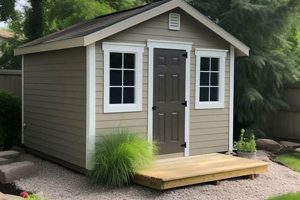
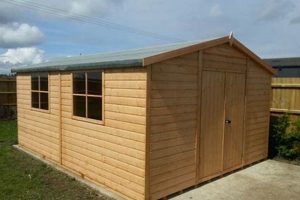
A structure measuring twelve feet by twelve feet, primarily designed for outdoor storage, represents a functional addition to residential properties. This size allows for the accommodation of various gardening tools, equipment, and supplies, contributing to the organization and accessibility of items used in landscaping and outdoor maintenance.
The utility of such a structure lies in its capacity to protect stored items from the elements, extending their lifespan and preventing weather-related damage. Furthermore, it provides a dedicated space, minimizing clutter within the main residence and enhancing the overall aesthetic appeal of the property. Historically, these types of outbuildings have served as essential components of property management, offering secure and convenient storage solutions.
The subsequent sections will delve into specific aspects relating to selection criteria, material options, foundation considerations, and local zoning regulations pertinent to the construction and utilization of this type of outdoor storage unit.
Essential Considerations for a 12×12 Garden Shed
This section outlines crucial points to consider when planning, purchasing, or constructing a 12×12 garden shed. Adhering to these guidelines will ensure a durable, functional, and legally compliant structure.
Tip 1: Site Preparation is Paramount: Before construction commences, ensure the chosen location is level, adequately drained, and free from obstructions such as tree roots or buried utilities. Improper site preparation can lead to structural instability and premature deterioration.
Tip 2: Foundation Selection Impacts Longevity: Opt for a robust foundation appropriate for the soil conditions and climate. Options include concrete slabs, gravel pads, or pressure-treated lumber skids. Each offers varying levels of support and resistance to moisture and settling.
Tip 3: Material Choice Dictates Durability: Select materials resistant to rot, insects, and weather. Pressure-treated lumber, vinyl siding, and metal roofing are commonly employed for their longevity and low maintenance requirements.
Tip 4: Ventilation Prevents Moisture Damage: Incorporate adequate ventilation to mitigate moisture buildup within the structure. Vents located near the roofline and foundation can facilitate airflow and reduce the risk of mold and mildew growth.
Tip 5: Security Measures Deter Theft: Install sturdy locks, reinforced doors, and possibly window coverings to protect valuable tools and equipment stored within the unit. Consider a security system for enhanced protection.
Tip 6: Local Regulations Must Be Observed: Research and comply with all applicable zoning regulations, building codes, and permit requirements. Failure to do so can result in fines, delays, or even the removal of the structure.
Tip 7: Consider Accessibility Needs: Design the entrance and interior layout with accessibility in mind. Wide doors, ramps, and organized shelving can facilitate the storage and retrieval of items, particularly for individuals with mobility limitations.
These considerations, when implemented thoughtfully, will contribute to a secure, functional, and long-lasting outdoor storage solution. Prior planning and adherence to these guidelines will minimize potential issues and maximize the utility of the investment.
The subsequent discussion will focus on design considerations and aesthetic integration with the surrounding landscape.
1. Storage Capacity

Storage capacity, within the context of a 12×12 garden shed, is a critical factor determining its overall utility and functionality. Effective utilization of the interior space directly impacts the shed’s ability to accommodate tools, equipment, and supplies, necessitating careful planning and organization.
- Vertical Space Optimization
The vertical dimension within the structure presents an opportunity to maximize storage capacity without increasing the footprint. Installing shelving units, utilizing wall-mounted tool racks, and implementing overhead storage solutions can significantly expand the available storage area. Real-world examples include using pegboards for hanging small tools or installing loft spaces for storing seasonal items. Failure to optimize vertical space results in underutilized space and potentially necessitates a larger or additional storage structure.
- Efficient Organization Systems
Effective organization systems are essential for maximizing usable space. Implementing labeled containers, designated zones for specific types of items, and clear pathways allows for easier access and retrieval of stored goods. Consider using clear bins to easily view contents or creating a layout based on frequency of use. Without a structured organization system, the shed can become cluttered and inefficient, negating the benefits of its dimensions.
- Accessibility Considerations
Storage solutions must consider accessibility to be truly effective. Designing storage spaces that allow for easy retrieval of frequently used items and implementing features such as pull-out shelves or roll-around carts enhances usability. Items should be stored based on weight and frequency of use, with heavier items closer to the ground. Poor accessibility can lead to frustration and inefficient use of the shed’s storage capacity.
- Climate Control Impact
The internal climate of the shed can significantly influence storage capacity. Proper ventilation and insulation can prevent moisture build-up, which can damage stored items and reduce usable space. Implementing features such as vents, dehumidifiers, or insulated walls can help maintain a stable environment. Inadequate climate control can lead to damaged goods and reduce the overall effectiveness of the storage space.
The optimization of storage capacity within a 12×12 garden shed, through strategies such as vertical space utilization, efficient organization systems, accessibility considerations, and climate control measures, directly correlates with its practicality and overall value. By carefully planning and implementing these strategies, the utility of the structure can be significantly enhanced, providing an efficient and effective storage solution for various outdoor equipment and supplies. Failure to address these aspects can result in a less functional and potentially detrimental storage environment.
2. Material Durability

Material durability constitutes a critical determinant in the long-term performance and structural integrity of a 12×12 garden shed. The selection of appropriate construction materials directly influences the shed’s resistance to environmental factors, thereby affecting its overall lifespan and maintenance requirements.
- Resistance to Weathering
Exposure to weather elements, including precipitation, sunlight, and temperature fluctuations, necessitates the selection of materials exhibiting robust resistance to degradation. For instance, pressure-treated lumber effectively mitigates rot and insect infestation, while metal roofing provides superior protection against water penetration and UV damage. Failure to utilize weather-resistant materials can lead to premature structural failure and costly repairs.
- Structural Strength and Stability
The inherent strength of construction materials directly impacts the shed’s ability to withstand external forces, such as wind loads and snow accumulation. Using high-quality lumber for framing and employing appropriate fastening techniques ensures structural stability. Inadequate structural strength compromises the integrity of the shed, potentially resulting in collapse or significant damage.
- Maintenance Requirements
Different materials necessitate varying levels of maintenance over time. Vinyl siding, for example, typically requires minimal upkeep, while wood siding may require periodic painting or staining to prevent deterioration. Choosing materials with low maintenance requirements minimizes long-term costs and labor associated with preserving the shed’s structural integrity.
- Impact of Material Costs
The selection of durable materials is intrinsically linked to the overall cost of the structure. While opting for less expensive materials may reduce initial construction expenses, the long-term costs associated with repairs and replacements can outweigh the initial savings. Investing in durable materials ensures a longer lifespan and potentially lower overall expenses over the life of the shed.
The interplay between weathering resistance, structural strength, maintenance requirements, and material costs underscores the importance of selecting appropriate materials for constructing a 12×12 garden shed. Diligent consideration of these factors ensures a durable, long-lasting structure that effectively protects stored items and enhances property value. Conversely, neglecting these considerations can result in premature structural failure and increased long-term expenses.
3. Foundation Stability

Foundation stability is a critical element in the construction of a 12×12 garden shed, directly influencing its longevity, structural integrity, and overall utility. The effects of inadequate foundation preparation can manifest in a variety of detrimental ways, ranging from uneven settling to complete structural failure. A stable foundation provides a level and supportive base, distributing the weight of the shed evenly across the underlying soil. For example, constructing a shed on unstable soil without proper compaction or the use of a gravel base can lead to sinking, tilting, and potential damage to the shed’s walls, roof, and door frames. This instability compromises the shed’s ability to protect its contents and can lead to costly repairs.
Several types of foundations are commonly used for garden sheds, each with its own benefits and drawbacks. Concrete slabs offer a durable and level surface but require significant preparation and can be costly. Gravel pads provide good drainage and are relatively easy to install, but may not be suitable for all soil conditions. Wooden skids offer a cost-effective solution but are susceptible to rot and insect damage if not properly treated. The choice of foundation should be based on a thorough assessment of the soil conditions, climate, and the intended use of the shed. Proper site preparation, including removing vegetation, leveling the ground, and compacting the soil, is essential regardless of the foundation type chosen. Failing to address these factors can negate the benefits of even the most robust foundation design.
In summary, foundation stability is not merely a desirable feature but a fundamental requirement for a functional and long-lasting 12×12 garden shed. Overlooking this aspect can lead to significant structural problems, diminish the shed’s utility, and result in substantial financial losses. A well-designed and properly installed foundation is an investment that ensures the shed remains a valuable asset for years to come. Challenges associated with achieving foundation stability often involve understanding local soil conditions and adhering to building codes, but these challenges can be overcome with careful planning and execution.
4. Zoning compliance

Zoning compliance constitutes a critical legal aspect directly impacting the installation and utilization of a 12×12 garden shed on residential properties. Local zoning ordinances dictate permissible land usage, building size restrictions, setback requirements (distances from property lines), and potentially, aesthetic guidelines. Constructing a storage unit without adhering to these regulations can lead to legal repercussions, including fines, orders to modify or remove the structure, and complications during property resale. A prevalent example involves homeowners installing oversized sheds that violate maximum allowable building area percentages, resulting in legal disputes with local authorities.
The primary consequence of non-compliance stems from the inherent authority of municipalities to enforce zoning regulations. These regulations are designed to maintain property values, ensure neighborhood aesthetics, and prevent overcrowding. Specific requirements often vary significantly between jurisdictions. Some municipalities might impose strict height limitations, necessitate specific roofing materials, or require detailed site plans prior to construction approval. Furthermore, homeowner associations (HOAs) may enforce additional restrictions beyond municipal codes, adding another layer of regulatory oversight. Ignoring these regulations, whether through oversight or intentional circumvention, exposes property owners to legal vulnerabilities.
Navigating zoning compliance necessitates proactive research and communication with local planning departments. Consulting zoning maps, reviewing relevant ordinances, and submitting detailed construction plans for approval are essential steps. While the prospect of navigating bureaucratic processes may seem daunting, adherence to zoning regulations safeguards property owners from potential legal challenges and ensures the harmonious integration of the 12×12 garden shed within the surrounding environment. Therefore, understanding and fulfilling these requirements is an indispensable aspect of responsible property ownership.
5. Access Optimization

Access optimization, when applied to a 12×12 garden shed, refers to the strategic design and implementation of features that enhance the ease and efficiency with which individuals can enter, navigate within, and retrieve items from the structure. This facet directly impacts the usability and overall value of the shed as a functional storage space.
- Doorway Dimensions and Placement
The size and location of the doorway significantly influence the ease of moving items in and out. A wider doorway accommodates larger equipment, while strategic placement (e.g., centered on a long wall) can optimize internal layout and accessibility. For instance, a narrow door might impede the movement of a lawnmower, necessitating awkward maneuvering. Conversely, a centrally located, adequately sized door facilitates efficient traffic flow and item retrieval.
- Ramp or Step Implementation
Incorporating a ramp or a low-profile step at the entrance mitigates potential physical strain associated with lifting or maneuvering items over a threshold. This is particularly relevant for individuals with limited mobility or when storing heavy objects. A steep or absent step poses a hazard and reduces the accessibility of the shed for all users.
- Internal Pathway Clearance
Maintaining clear pathways within the shed is crucial for safe and efficient navigation. Strategic placement of shelving, tool racks, and storage containers ensures unobstructed movement and minimizes the risk of accidents. Narrow, cluttered pathways hinder access to stored items and increase the likelihood of tripping or damaging equipment.
- Lighting Considerations
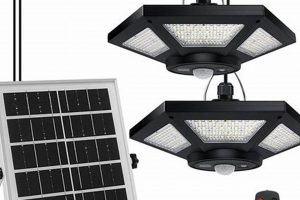
Adequate illumination within the shed enhances visibility and safety, particularly during periods of low natural light. Incorporating windows, skylights, or artificial lighting systems (e.g., solar-powered LEDs) improves the ability to locate and retrieve items with ease. Insufficient lighting compromises visibility, increasing the risk of accidents and hindering the efficient use of the shed.
These facets, when comprehensively addressed, transform a basic 12×12 garden shed into a highly functional and user-friendly storage solution. The degree to which access is optimized directly correlates with the overall satisfaction and long-term utility derived from the structure. Disregarding these elements compromises the shed’s practicality and diminishes its value as a storage asset.
6. Ventilation effectiveness

Ventilation effectiveness within a 12×12 garden shed significantly influences the internal environment, impacting the longevity of both the structure and its stored contents. Inadequate ventilation leads to moisture accumulation, creating conditions conducive to mold growth, wood rot, and corrosion of metallic items. Conversely, effective ventilation promotes air circulation, mitigating moisture buildup and maintaining a more stable internal environment. For instance, a shed storing gardening tools without proper ventilation may experience accelerated rusting of metal components due to elevated humidity levels. A well-ventilated structure, however, can prevent this issue, extending the lifespan of the tools and reducing the need for frequent replacements.
The practical application of ventilation effectiveness involves strategic placement of vents near the roofline and foundation to facilitate airflow. Ridge vents, soffit vents, and gable vents are common methods employed to promote natural convection, allowing warm, moist air to escape while drawing in cooler, drier air. The size and number of vents should be proportional to the shed’s volume to ensure adequate air exchange. Moreover, the positioning of stored items should not obstruct airflow, allowing for even distribution of ventilation throughout the interior space. Ignoring the principles of ventilation effectiveness can lead to a compromised storage environment and potentially costly damage to stored goods.
In summary, ventilation effectiveness is an indispensable component of a functional and durable 12×12 garden shed. Its impact extends beyond mere comfort, directly influencing the structural integrity of the building and the preservation of stored items. While initial construction may prioritize cost-effectiveness, neglecting ventilation considerations can result in significantly higher expenses in the long term due to repairs, replacements, and the potential loss of valuable stored equipment. Thus, a proactive approach to ventilation design and implementation is crucial for maximizing the lifespan and utility of the garden shed.
7. Security measures

Security measures represent a crucial element in the functionality and value retention of a 12×12 garden shed. The purpose of a storage structure is inherently linked to safeguarding its contents; therefore, adequate security directly impacts the efficacy of the shed in fulfilling its intended purpose. The absence of robust security measures creates a vulnerability to theft, vandalism, and unauthorized access, potentially resulting in financial losses and inconvenience. For example, a shed housing expensive power tools without a secure locking mechanism becomes an attractive target for opportunistic thieves, leading to the loss of valuable equipment and potentially necessitating insurance claims and replacement costs.
Effective security encompasses multiple layers of protection. A robust deadbolt locking system on the door is a primary defense. Reinforcing the door frame and hinges further strengthens this entry point against forced entry. Windows, if present, should be secured with locks or covered with protective bars to prevent unauthorized access. Motion-activated lighting serves as a deterrent, illuminating the area and potentially alerting occupants of the main residence to suspicious activity. In areas with high crime rates, the integration of a monitored alarm system may be warranted, providing an added layer of security and facilitating rapid response from law enforcement.
Implementing appropriate security measures tailored to the specific contents and location of the 12×12 garden shed is an essential investment. While security features may incur initial costs, the potential losses associated with theft or damage far outweigh these expenses. A comprehensive security strategy safeguards valuable assets, provides peace of mind, and ensures the long-term utility and value of the storage structure. Therefore, integrating these measures during the planning or construction phase is highly advisable.
Frequently Asked Questions Regarding 12×12 Garden Sheds
The following questions address common inquiries pertaining to the planning, construction, and utilization of 12×12 garden sheds, providing concise and informative responses based on industry standards and best practices.
Question 1: What is the ideal foundation for a 12×12 garden shed, considering varying soil types?
The selection of an appropriate foundation is contingent upon local soil conditions. Concrete slabs offer superior stability but necessitate extensive site preparation. Gravel pads provide adequate drainage in well-draining soils. Pressure-treated lumber skids represent a cost-effective option for temporary or relocatable structures.
Question 2: Are permits typically required for constructing a 12×12 garden shed on residential property?
Permit requirements vary significantly depending on municipal zoning regulations. It is imperative to consult with local planning departments to ascertain specific requirements regarding setback distances, maximum building area, and height restrictions.
Question 3: What materials are most suitable for ensuring the long-term durability of a 12×12 garden shed in diverse climates?
Pressure-treated lumber, vinyl siding, and metal roofing offer superior resistance to weathering, insect infestation, and rot. Material selection should align with local climate conditions and budget considerations.
Question 4: How can ventilation be effectively implemented within a 12×12 garden shed to prevent moisture damage?
Effective ventilation strategies include incorporating ridge vents, soffit vents, and gable vents to promote airflow and mitigate moisture buildup. The number and placement of vents should be proportional to the shed’s volume.
Question 5: What security measures are recommended to protect the contents of a 12×12 garden shed from theft or vandalism?
Security measures encompass robust deadbolt locking systems, reinforced door frames, secured windows, and potentially, the integration of a monitored alarm system. Motion-activated lighting serves as a deterrent.
Question 6: How can the interior space of a 12×12 garden shed be efficiently organized to maximize storage capacity?
Vertical space optimization through shelving units, wall-mounted tool racks, and overhead storage solutions enhances storage capacity. Implementing labeled containers and designated zones facilitates efficient organization and retrieval of stored items.
These FAQs provide foundational information to assist in the responsible planning and execution of a 12×12 garden shed project. Adherence to these guidelines promotes a durable, functional, and legally compliant structure.
The subsequent section will provide a comprehensive checklist for 12×12 garden shed construction.
12×12 Garden Shed
The preceding exploration has comprehensively examined the diverse facets associated with the planning, construction, and utilization of a 12×12 garden shed. Key areas of focus have included foundation stability, material durability, zoning compliance, access optimization, ventilation effectiveness, and security measures. A thorough understanding of these elements is essential for ensuring a functional, long-lasting, and legally compliant storage solution.
Proper implementation of the guidelines outlined in this discourse directly correlates with the overall utility and value derived from the 12×12 garden shed. The diligent application of these principles safeguards against structural deficiencies, legal liabilities, and security breaches. Therefore, careful consideration of these factors is paramount for responsible property management and the effective utilization of outdoor storage space.